By Maxine Sibihwana
Published: October 1, 2026
Executive Overview
The enduring history of Western theatre is inextricably bound to the contributions, trials, and triumphs of Black artists. From the foundational 19th-century performances of trailblazing actor Ira Aldridge to the record-breaking, contemporary box-office dominance of West End and Broadway stars, Black actors, directors, and playwrights have consistently pushed the boundaries of dramatic art. Yet, this legacy of artistic brilliance exists in parallel with a persistent, systemic resistance to diversity—a phenomenon visible in the vitriolic online campaigns targeting modern performers and the historical gatekeeping that historically relegated non-white actors to the periphery of classical and contemporary theatre.
As theatres mark Black History Month, the spotlight turns not only to the painful realities of racial prejudice within the industry, but also to a vibrant celebration of transformative performances currently illuminating stages across the United Kingdom and beyond. Productions ranging from subversive dark comedies like Oh Mary! to mythic epics like Hadestown, and star-studded revivals of A Christmas Carol, prove that Black talent is foundational to the future of global storytelling. This feature examines the complex tapestry of Black theatrical history, explores the ongoing challenges faced by artists of color, and highlights the must-see productions shaping the contemporary cultural landscape.

Detailed Chronology: From the African Grove to the West End
To understand the current state of representation on the modern stage, one must trace the historical milestones and roadblocks that paved the way for today’s Black performers. The trajectory from institutional exclusion to mainstream prominence is marked by visionary founders, pioneering actors, and moments of fierce resilience.

The 19th Century: The Birth of Independent Black Theatre and Ira Aldridge’s Global Rise
- 1816: William Alexander Brown, a free Black playwright and producer, establishes the African Grove Theatre in New York City. Designed to showcase productions with entirely Black casts, the institution serves as a crucial cultural sanctuary and training ground, catering directly to the community of free Black citizens.
- The 1820s: Finding early artistic validation and professional mentorship through the African Grove troupe, a young actor named Ira Aldridge makes the monumental decision to migrate to the United Kingdom. American stages remain heavily segregated and hostile to Black classical actors.
- Mid-19th Century: Aldridge breaks monumental barriers by debuting at the Royal Coburg Theatre (now known as The Old Vic in London). He goes on to tour extensively, performing principal Shakespearean roles—most notably Othello—at the Theatre Royal in Newcastle and Coventry, eventually achieving the distinction of managing the Coventry Theatre Royal. Despite earning international critical acclaim and royal honors across Europe, Aldridge’s casting is frequently met with racially charged pushback from conservative critics, establishing a precedent of resistance to Black excellence in classical canons.
The Turn of the 21st Century: Modern Breakthroughs and Familiar Backlash
- 2008: Actor Alexia Khadime steps into the iconic role of Elphaba Thropp in the West End production of Wicked, becoming one of the first Black women to anchor a major, long-running musical enterprise in London. Despite her extensive theatrical pedigree—including a celebrated turn as Nala in Disney’s The Lion King—her casting is met with a wave of racist rhetoric online and in print. Critics attempt to frame her presence not as a merit-based achievement, but as a political tokenism tied to the contemporary political climate surrounding the election of Barack Obama.
- 2020: Reflecting on her landmark run in Marie Claire, Khadime opens up about the vitriol she faced a decade prior, noting how deeply tied her casting was to racist preconceptions of who "belonged" in the fantasy world of Oz.
The 2024 Watershed: Redefining Mainstream Casting
- 2024: The theatrical landscape experiences a monumental shift as the fictional green witch Elphaba is portrayed concurrently by Black women on stage and screen: Cynthia Erivo in Jon M. Chu’s cinematic adaptation Wicked: Part 1, and Alexia Khadime returning to the role triumphantly on the West End.
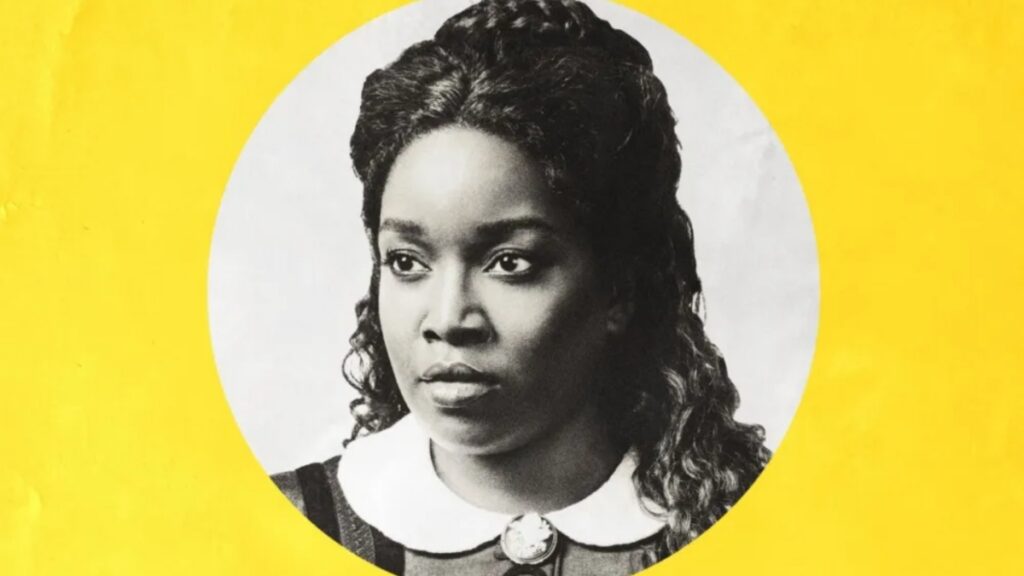
- Spring 2024: Concurrently, actor Francesca Amewudah-Rivers is cast as Juliet opposite Tom Holland in Sam Gold’s high-profile West End production of Romeo + Juliet. Despite earning rave critical reviews and securing an Ian Charleson Award nomination for her nuanced performance, Amewudah-Rivers becomes the target of extreme, sustained online racial abuse from the moment of her casting announcement through the final curtain call, underscoring the deep-seated cultural anxieties surrounding the reinterpretation of canonical white roles.
Supporting Context & Metrics: The Intersection of Character and Identity
The resistance faced by actors like Alexia Khadime and Francesca Amewudah-Rivers often centers on archaic ideas of "canon" and cultural ownership. Yet, a closer examination of narrative themes reveals profound thematic synergies between marginalized identities and classic theatrical archetypes.
Consider the narrative arc of Elphaba Thropp in Wicked. Growing up green, Elphaba endures a lifetime of systemic prejudice, social isolation, and institutionalized discrimination under the Wizard’s corrupt regime. Her distinct physical appearance is weaponized against her, leading society to brand her with sexist, derogatory labels like "The Wicked Witch of the West."
For women of color—and Black women in particular—this storyline is far from foreign. The policing of Black bodies, hair, and existence by mainstream society mirrors Elphaba’s lived reality. When critics or audiences protest a Black woman stepping into the role of a fictional green witch or a classical Shakespearean heroine, their objections expose a restrictive worldview that struggles to see Black individuals as universal vessels for complex human emotion, vulnerability, and heroism.
Theatre has always been at its best when it reflects the multiplicity of the human experience. As industry professionals frequently argue, Black history is human history; denying Black artists the right to explore universal narratives of love, ambition, tyranny, and redemption diminishes the art form as a whole.
Official Statements and Industry Perspectives
The ongoing dialogue surrounding diversity, inclusion, and safety on the stage has prompted major theatre institutions, unions, and performers to speak out against targeted harassment while championing systemic change.
- On Internet Harassment and Industry Accountability (2024): Following the unprecedented racist vitriol directed at Francesca Amewudah-Rivers during Romeo + Juliet, the British theatre community, alongside organizations like Equity, released joint statements condemning targeted online abuse. Producers and industry leaders emphasized that artistic expression must be protected and that zero-tolerance policies regarding racism must be actively enforced across all social media and ticketing platforms.
- Alexia Khadime on Artistic Integrity: Reflecting on her pioneering journey in Wicked, Khadime has consistently advocated for a shift in how casting choices are perceived. Rather than viewing non-traditional casting through a defensive or politicized lens, she encourages audiences to interrogate their own biases: "Just because a role was historically played by one demographic does not mean the emotional truth of the character belongs exclusively to them."
- The Call to Action for Theatregoers: Cultural critics and producers alike are urging audiences to lean into discomfort. When a theatregoer questions the presence of a Black performer in a classical or contemporary revival, they are encouraged to unpack those doubts. Supporting diverse casts is not merely an exercise in corporate ticking-boxes; it is an active investment in richer, more vibrant storytelling.
Future Outlook: Must-See Productions This Season
As the theatrical calendar unfolds through late 2026 and into 2027, an extraordinary lineup of productions features powerhouse Black actors leading major West End runs, national tours, and concert series.

1. Oh Mary!
- Venue/Dates: Playing in the West End; booking until December 5, 2026.
- Overview: Cole Escola’s dark, highly sought-after 80-minute one-act comedy explores the tumultuous, forgotten internal life and suppressed desires of former US First Lady Mary Todd Lincoln in the weeks leading up to Abraham Lincoln’s assassination. The production features acclaimed star Lolly Adefope delivering a brilliant masterclass in comedic timing as Mary Todd Lincoln, alongside Syrus Lowe as her husband.
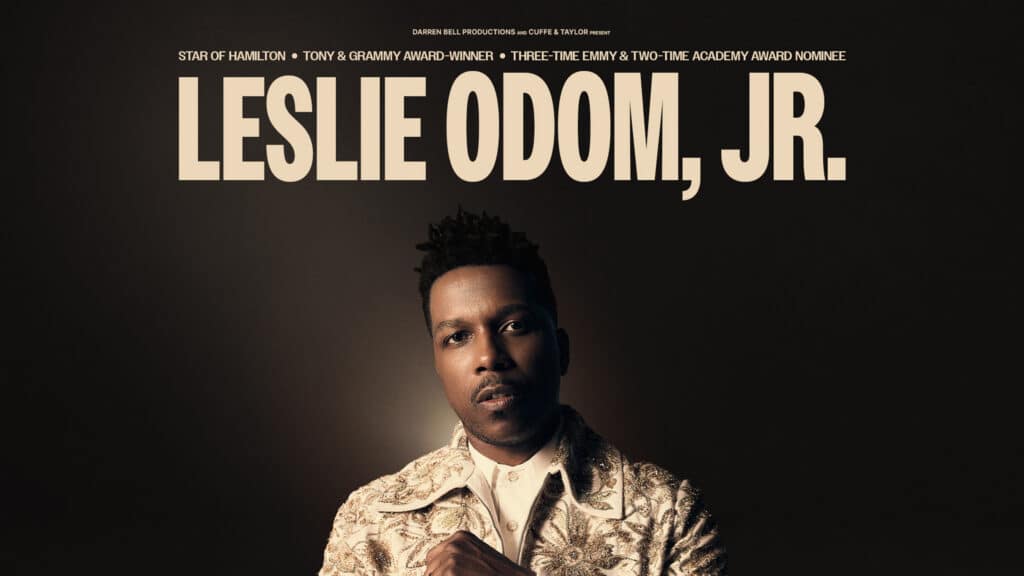
2. Leslie Odom, Jr.: In Concert
- Venue/Dates: UK Tour / Concert Series, running from October 25 to November 4, 2026.
- Overview: Tony and Grammy Award-winning multi-hyphenate Leslie Odom, Jr. brings his unparalleled stage presence across the Atlantic. This special concert spans original compositions, timeless musical theatre classics, and breathtaking selections from the Great American Songbook, showcasing one of contemporary theatre’s most commanding voices.
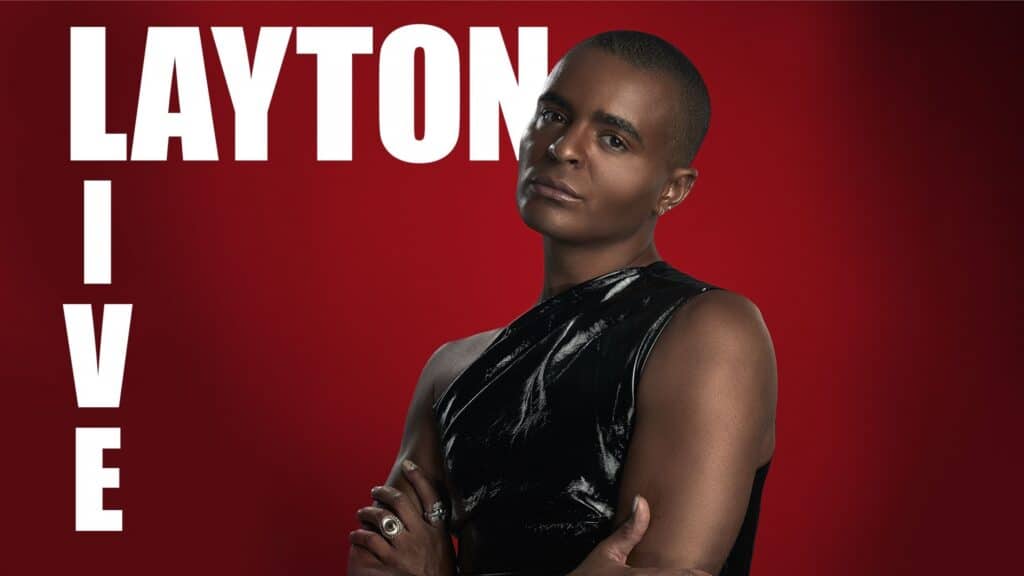
3. Layton Williams: Live
- Venue/Dates: UK National Tour, running from February 23 to April 4, 2027.
- Overview: Olivier Award-winner and Tony nominee Layton Williams—celebrated for his dynamic work in Billy Elliot, Everybody’s Talking About Jamie, and Titanique—takes his electrifying stage pedigree on the road. Highlighting the fact that Black performers’ contributions should be celebrated year-round, this tour promises powerhouse vocals and immaculate choreography.
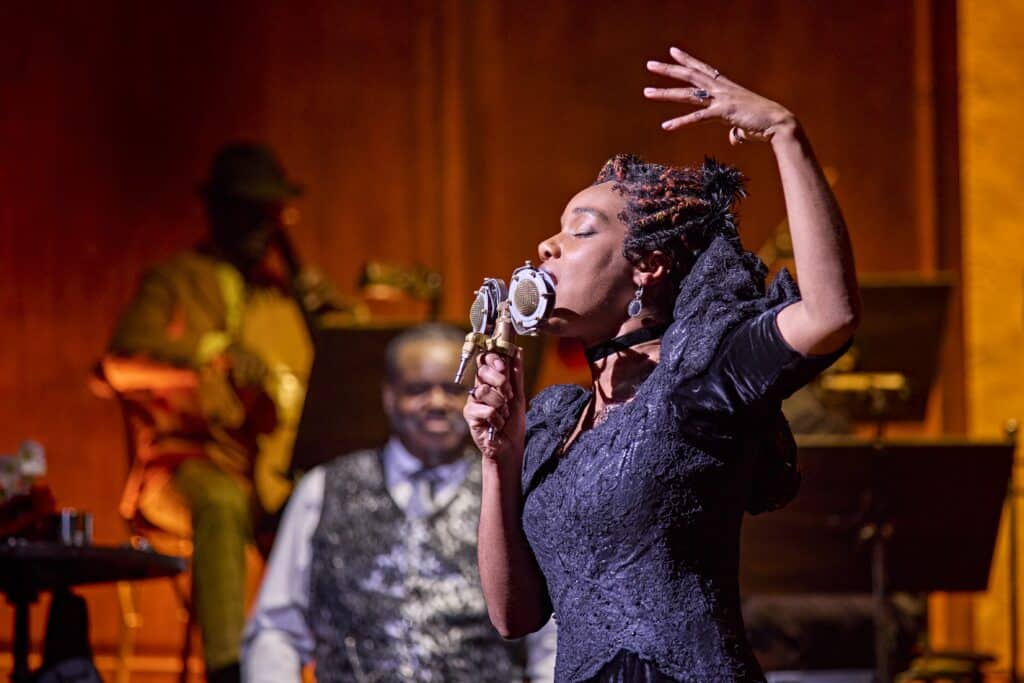
4. Hadestown
- Venue/Dates: West End; booking through 2027.
- Overview: Anaïs Mitchell’s critically acclaimed, mythic musical blends New Orleans jazz, indie folk, and blues to retell the tragic Greek myth of Orpheus and Eurydice. The current London cast features a phenomenal ensemble of diverse talent, including Malinda Parris as the guiding force Hermes, Fayth Ifil as Eurydice, and Lauran Rae as a Fate.
5. Moulin Rouge! The Musical
- Venue/Dates: Piccadilly Theatre, West End; booking until March 28, 2027.
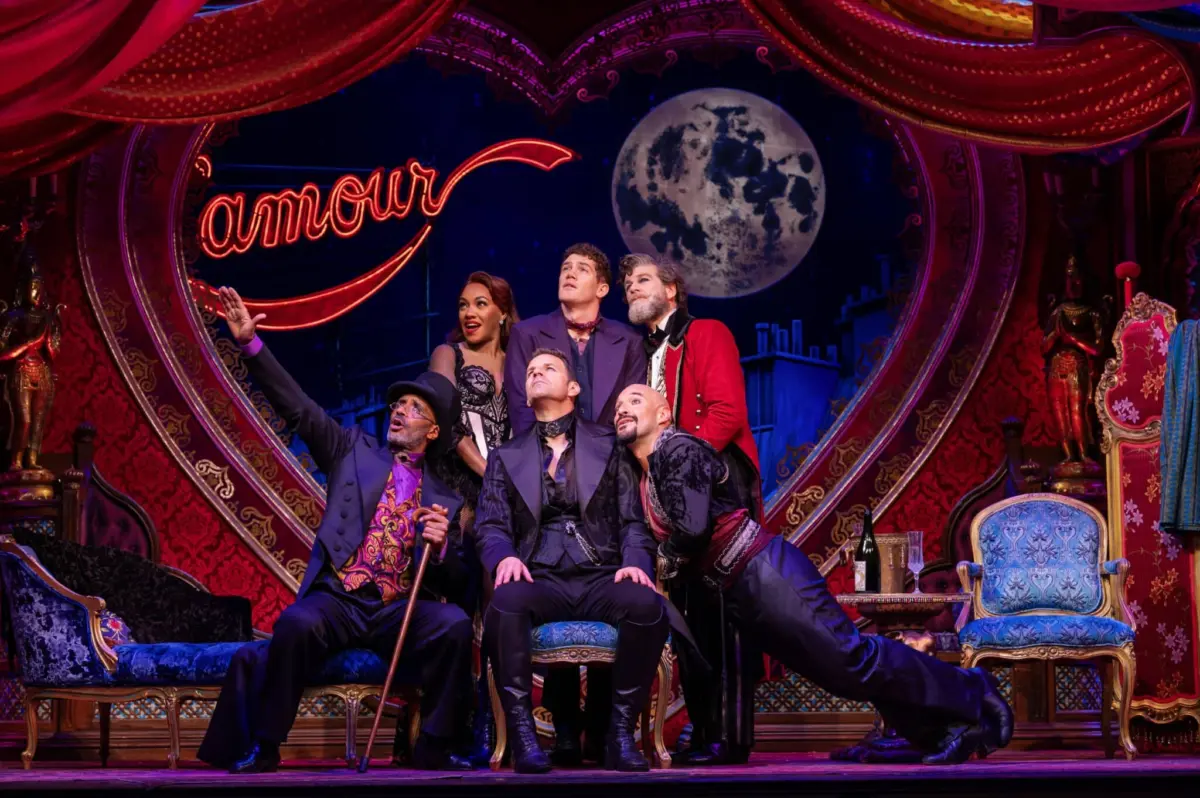
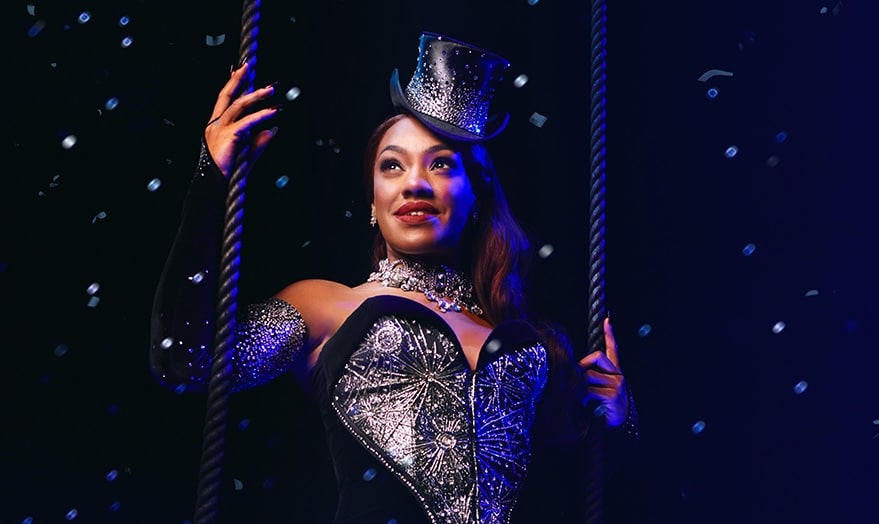
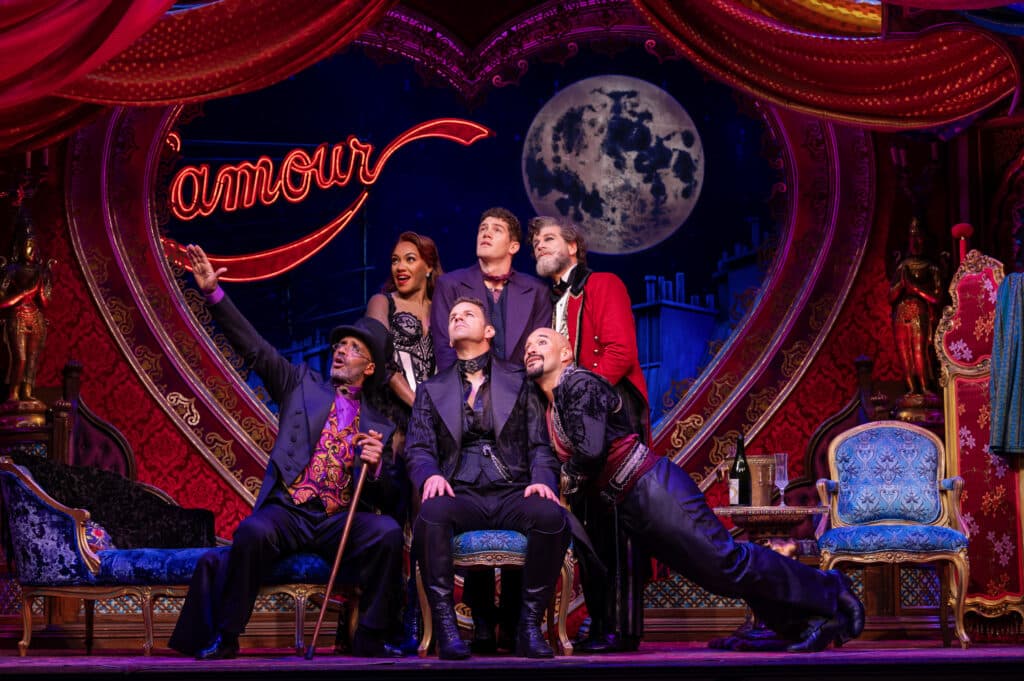
- Overview: Baz Luhrmann’s revolutionary cinematic masterpiece continues to electrify the London stage with its high-octane mashup soundtrack and breathtaking design. The powerhouse cast features Karis Anderson as the tragic courtesan Satine, Richard Lloyd King as the bohemian artist Toulouse-Lautrec, and Hannah Jay-Allan as Arabia.
6. From The Heart
- Venue/Dates: Garrick Theatre; October 8 to October 18, 2026.
- Overview: Conceived as a grand celebration of the New York City cabaret scene, Don Black’s From The Heart features his most iconic cinematic anthems—including "Born Free," "To Sir With Love," and "Diamonds Are Forever"—alongside brand-new compositions by Natasha Bedingfield, Debbie Wiseman, and Mike Batt. The principal cast features Olivier Award-winner Clive Rowe, fresh off his triumphant run in Hadestown.
7. One Day The Musical
- Venue/Dates: West End; November 17, 2026 – March 14, 2027.
- Overview: Adapted from the globally bestselling 2009 novel by David Nicholls, this life-affirming musical traces the decades-spanning relationship, heartbreak, and emotional peaks of Emma and Dexter. The highly anticipated winter production stars Sharon Rose in the central role of Emma.
8. A Christmas Carol
- Venue/Dates: The Old Vic; November 10, 2026 – January 9, 2027.
- Overview: Matthew Warchus’s universally acclaimed, imaginative adaptation of Charles Dickens’ holiday classic returns to its spiritual home at The Old Vic. Directed by Jack Thorne, this year’s festive staging stars the incomparable Giles Terera as the miserly Ebenezer Scrooge, offering audiences a transformative holiday experience and cementing Terera’s monumental status in British theatre.
Conclusion
The evolution of Black performance art—from Ira Aldridge braving 19th-century hostility to modern headliners selling out the West End—demonstrates an unbreakable commitment to storytelling. As audiences fill seats for Hadestown, A Christmas Carol, and Oh Mary!, they participate in a vital cultural ecosystem. Supporting Black actors, writers, and creators not only honors historical legacies of resilience, but also ensures that the future of theatre remains as diverse, complex, and expansive as the human condition itself.