By the mid-2000s, the global music ecosystem was hurtling through an unprecedented era of acceleration. The traditional gatekeepers of major record labels, terrestrial radio syndicates, and print-only music journalism were rapidly losing their monopolies on taste-making. In their place, a decentralized, hyper-connected digital landscape emerged, fundamentally altering how humanity discovered, consumed, discussed, and obsessed over recorded art.
What began in the late 1990s as a disruptive, lawless frontier of peer-to-peer file sharing—typified by Napster and LimeWire—morphed by the mid-to-late 2000s into the beating heart of a thriving, borderless music culture. Discovery became instantaneous. Underground scenes were unshackled from geographic constraints, allowing artists to cultivate passionate audiences on the opposite side of the planet before they had even performed a single live show outside of their hometowns.
As physical CD sales plummeted due to internet piracy, the industry was forced to innovate. This crisis birthed the modern streaming economy, decentralized self-promotion, and an explosion of independent digital critique. To celebrate this transformative decade, Rough Trade has curated Drop Four of its 50 Records for 50 Years anniversary collection, revisiting the foundational masterworks issued between 2006 and 2015. This feature explores the technological shifts, cultural movements, and defining records that turned the internet age into a golden era for independent music.
Detailed Chronology: The Digital Ecosystem and Its Masterworks (2006–2015)
The transition from physical analog dominance to digital ubiquity did not happen overnight; it was paved by blogs, forums, early social networks, and pioneering distribution models.
2006: The Atmospheric Blueprint of Modern Bass
The Record: Burial – Burial (Hyperdub)
The Context: Released on May 15, 2006, through Kode9’s forward-thinking Hyperdub imprint, Burial’s self-titled debut crystallized the emotional architecture of the mid-2000s UK dubstep and electronic underground. Operating in radical anonymity for years, the elusive producer constructed a masterpiece from crackling vinyl loops, pitch-shifted vocal samples, and sub-bass weight. Cultural theorist Mark Fisher famously described the record as capturing "London after the rave." It remains as clinically modern and haunting today as it did two decades ago, proving that electronic music could carry profound, melancholic human weight.
2007: The Pay-What-You-Want Paradigm Shift
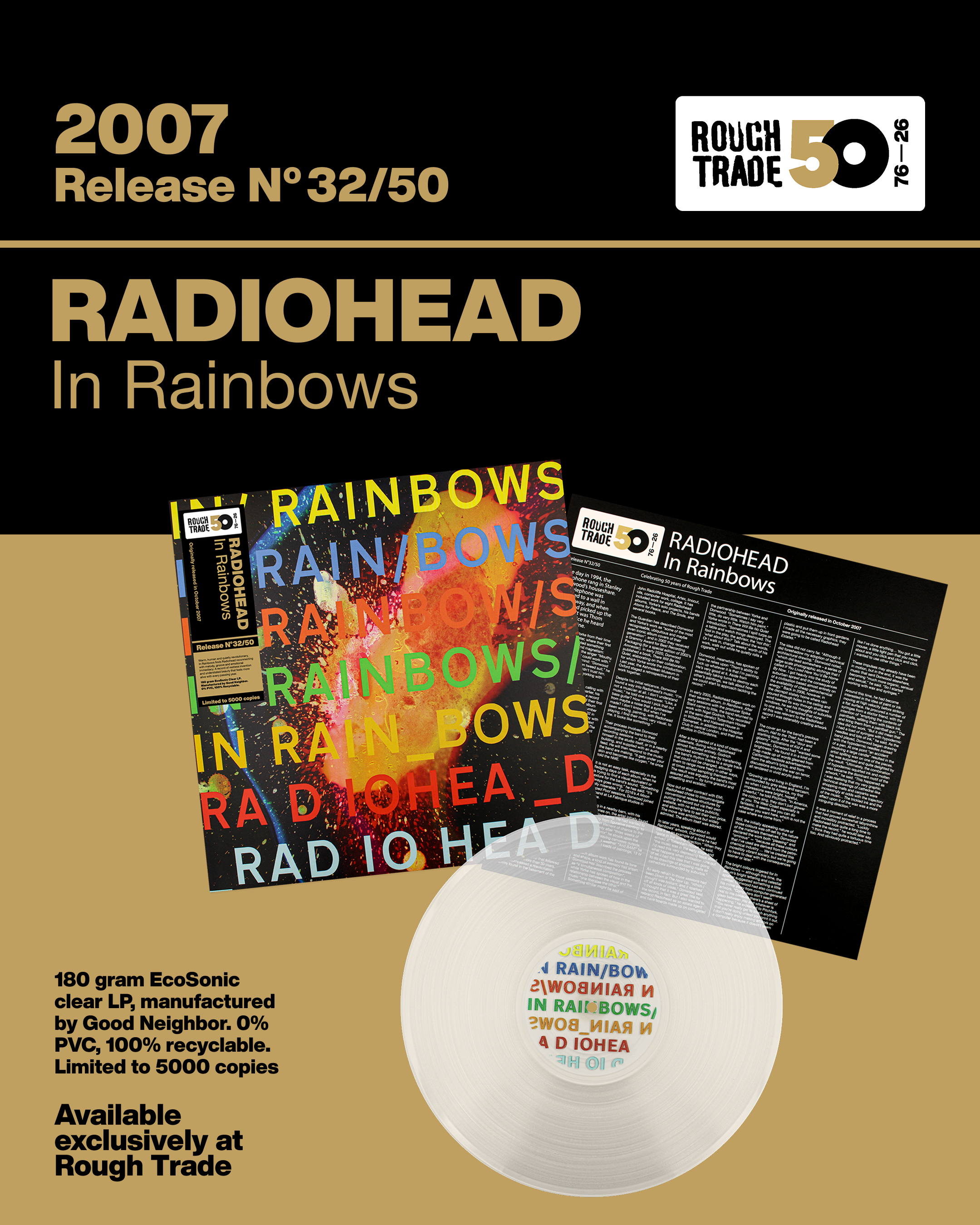
The Record: Radiohead – In Rainbows
The Context: Facing the height of the CD crisis and rampant internet piracy, alternative-rock titans Radiohead executed a masterstroke of digital disruption. They released their seventh studio album, In Rainbows, via a revolutionary ‘pay-what-you-want’ direct-to-fan model. The move bitterly divided the music industry: champions praised the band for cutting out greedy middlemen and fostering direct connections with listeners, while critics argued it set an unsustainable precedent for emerging artists lacking massive global capital. Regardless of the economic debate, the music itself remains an absolute holy grail. Fusing epic sonic scope with organic warmth, tracks like Weird Fishes/Arpeggi captured a sublime, uncomplicated beauty.
2008: Cabin Fever and Winter Melancholy
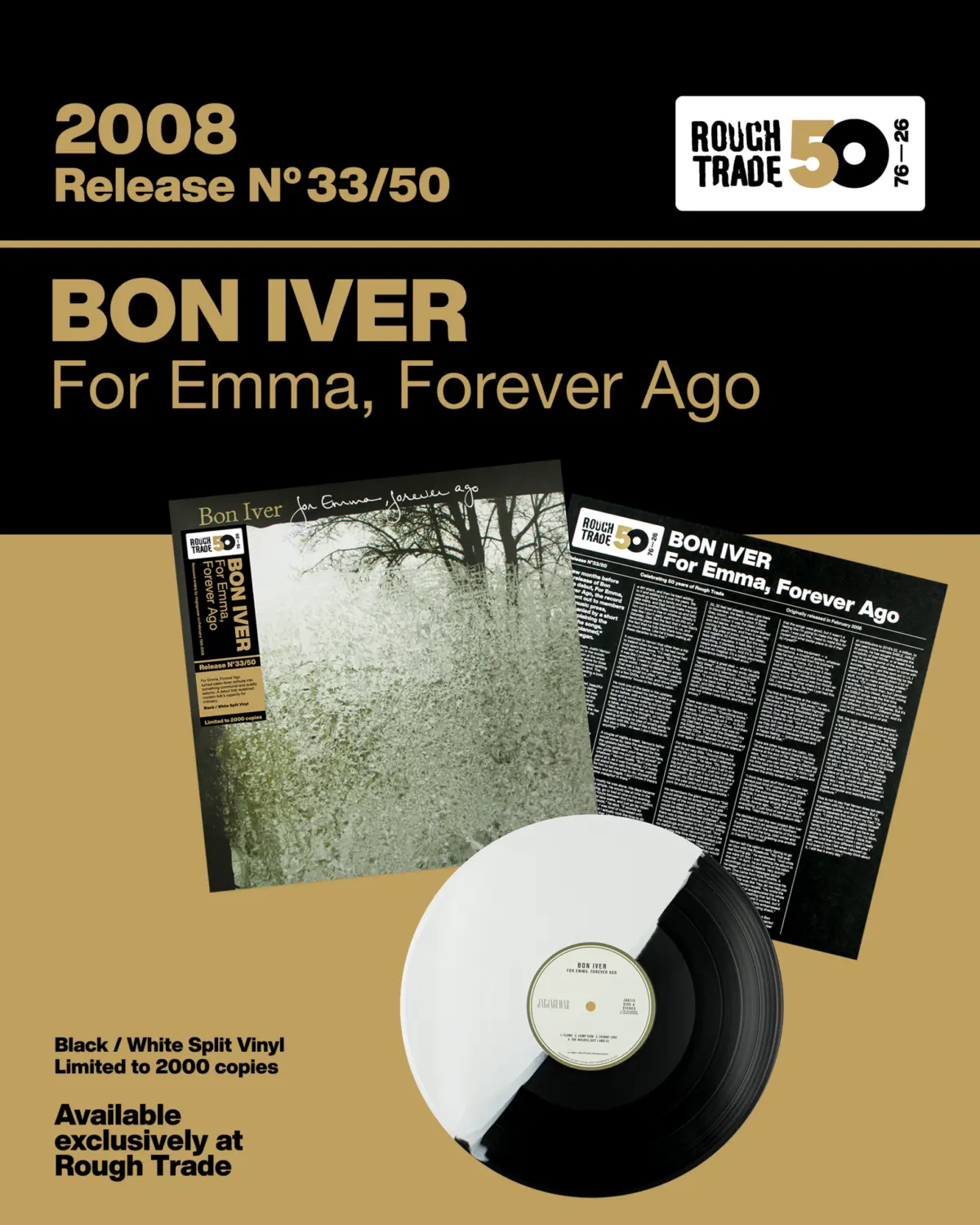
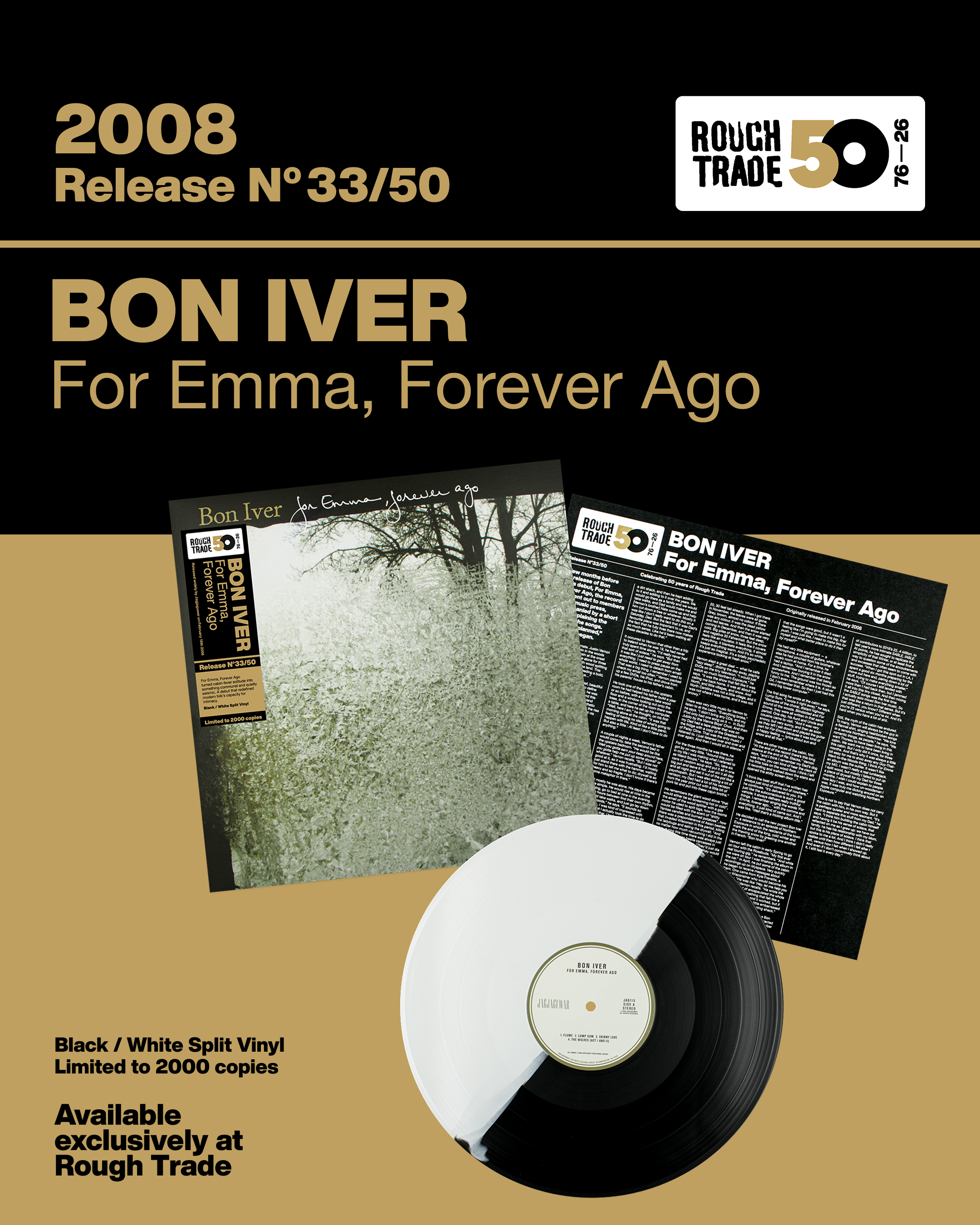
The Record: Bon Iver – For Emma, Forever Ago
The Context: Long before bedroom pop became a ubiquitous industry buzzword, Justin Vernon retreated to his father’s remote hunting cabin in Wisconsin during a brutal winter marked by severe illness, a broken relationship, and professional burnout. Over three months, armed with basic recording gear, he tracked an acoustic masterwork of heartbreak and isolation. Initially self-released in 2007 before being picked up by Jagjaguwar in 2008, For Emma, Forever Ago proved that radical vulnerability and lo-fi bedroom aesthetics could resonate on a stadium scale. Sadness had rarely sounded so breathtakingly pristine.
2009: The Power of Subtraction
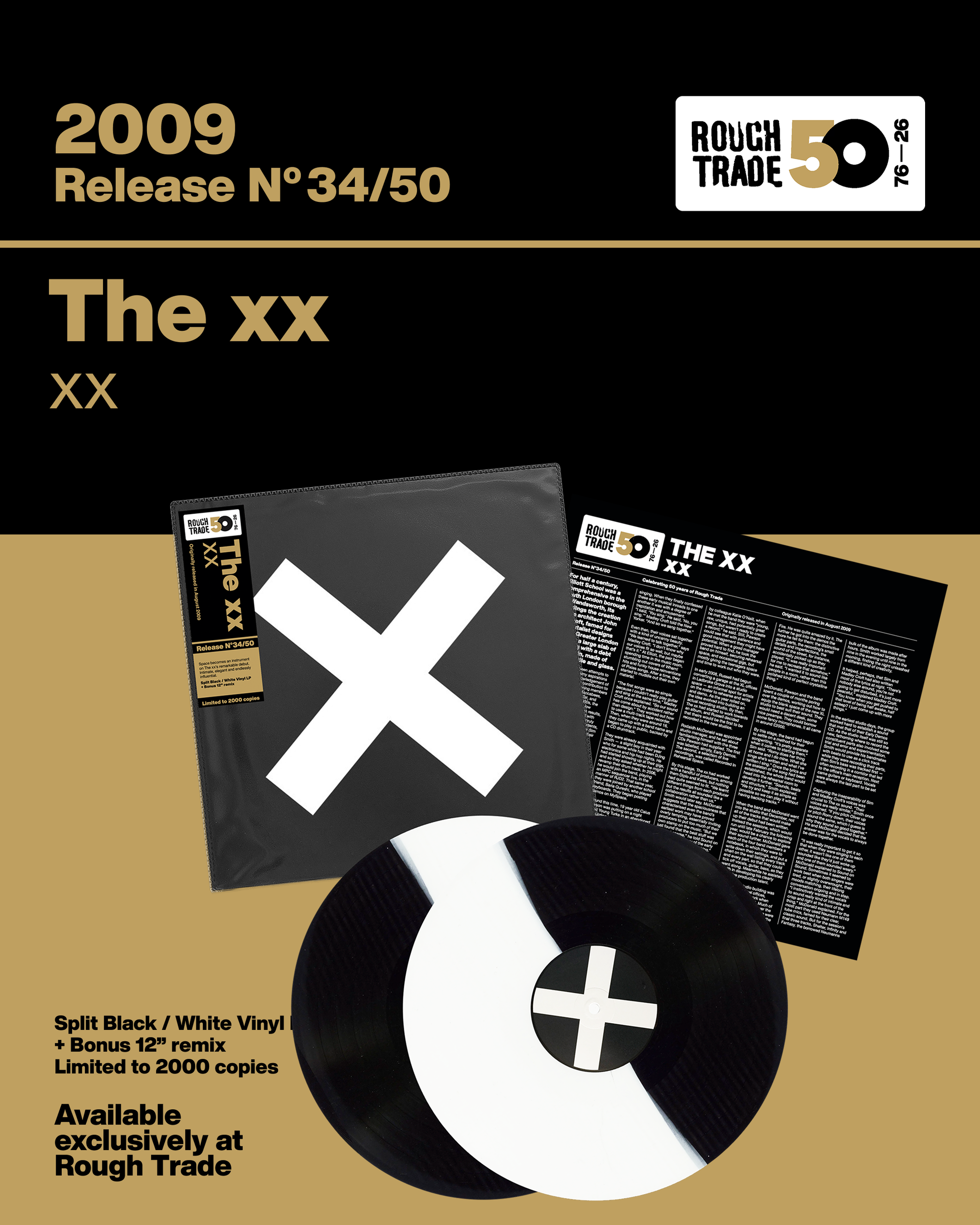
The Record: The xx – xx
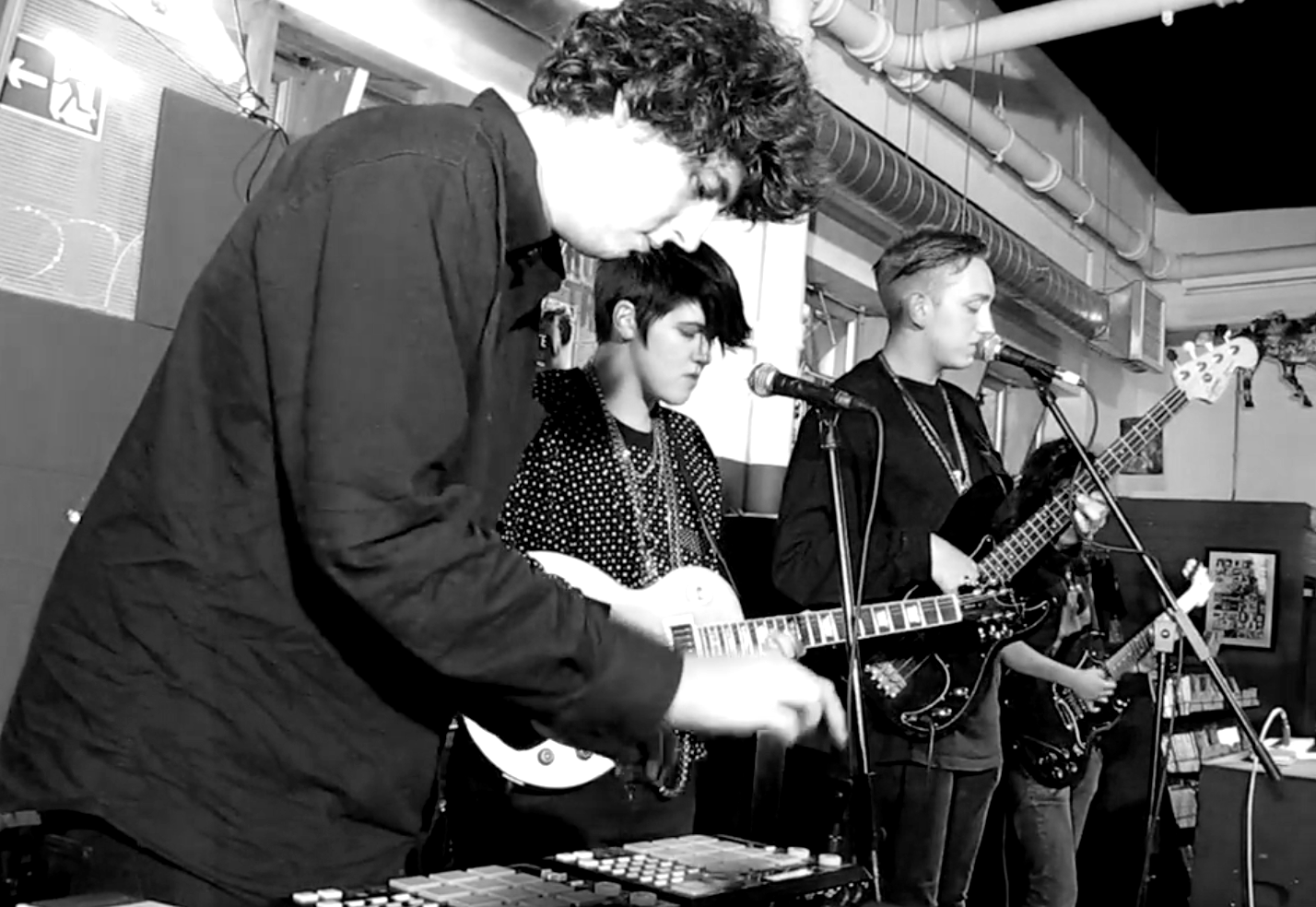
The Context: At a time when commercial pop and club music were growing increasingly bombastic, maximalist, and loud, South London’s The xx did the exact opposite. Their Mercury Prize-winning debut album, xx, left vast, echoing spaces for the songs to breathe. Driven by Romy Madley Croft and Oliver Sim’s intertwined, whispered vocal deliveries and Jamie Smith’s sparse, nocturnal beats, tracks like Crystalised, VCR, and the ubiquitous instrumental Intro stopped the music world in its tracks. For years, xx stood as Rough Trade’s single biggest-selling catalog title, serving as an early blueprint for the quiet-storm indie pop that would dominate the streaming era.
2010: Bringing Electronica Out of the Shadows
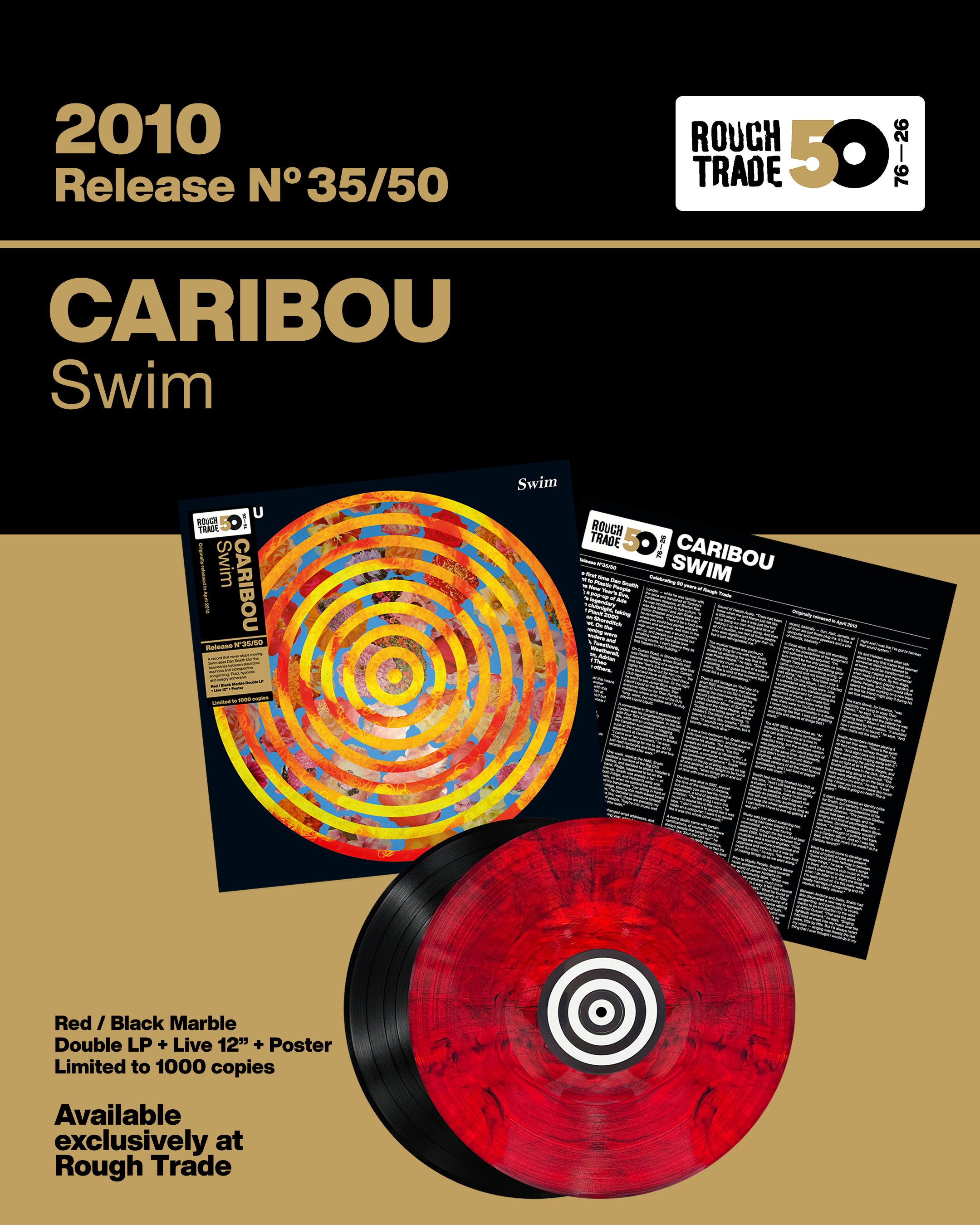
The Record: Caribou – Swim
The Context: Throughout the 2000s, electronic music and indie rock often coexisted in dark, sweat-drenched underground clubs. With Swim, producer Dan Snaith flung open the windows and dragged electronic composition out into the sun. Boasting multi-dimensional mixing, hypnotic polyrhythms, and rich, organic textures, the album took listeners on a sensory adventure characterized by unshackled bliss. Deservedly crowned Rough Trade’s Album of the Year in 2010, Swim bridged the gap between cerebral electronica and open-air festival ecstasy.
2011: Seaside Psych-Pop and Dry Wit
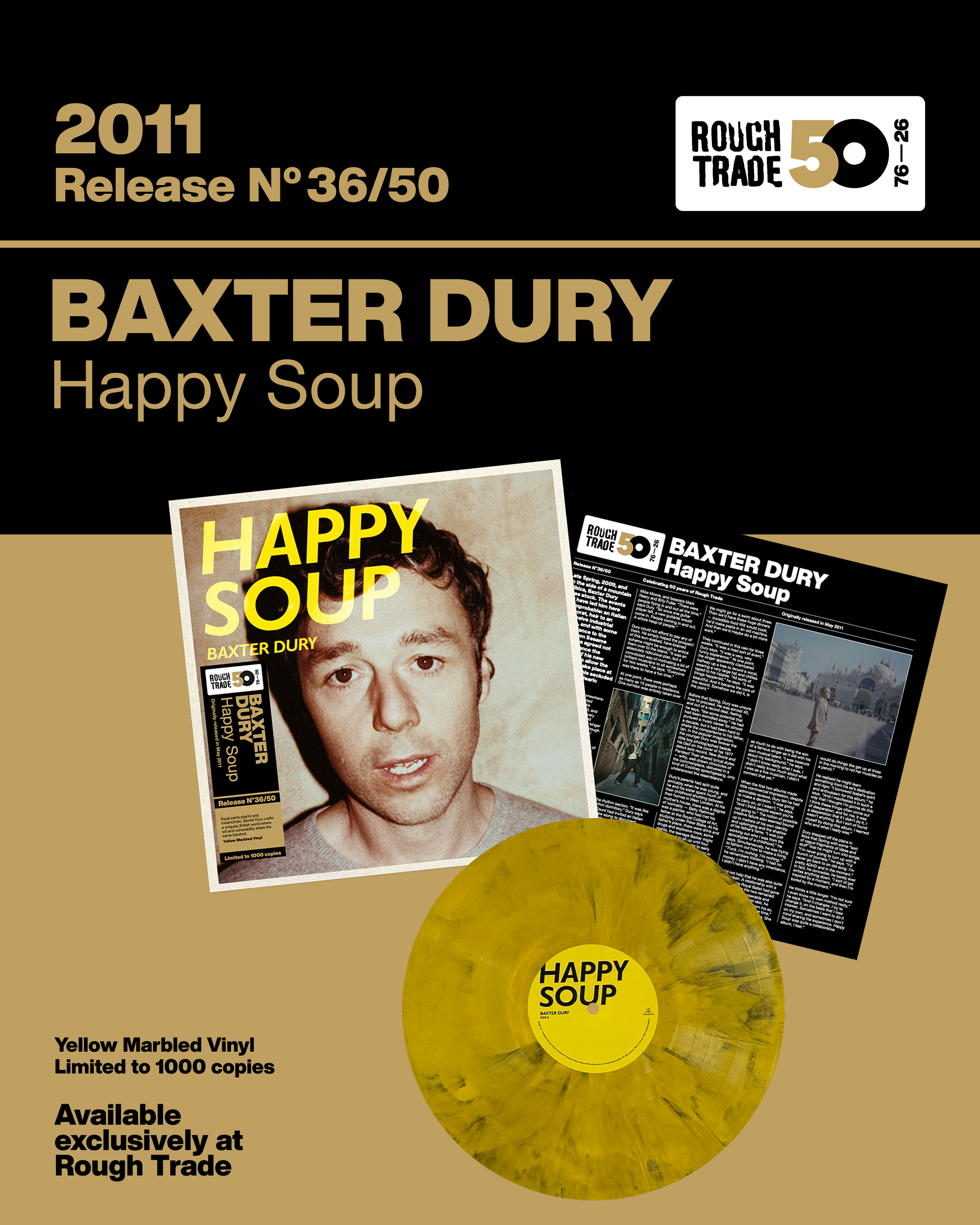
The Record: Baxter Dury – Happy Soup
The Context: Injecting British independent music with a uniquely eccentric, cinematic flavor, Baxter Dury’s Happy Soup arrived as a masterclass in infectious electro-pop and dry, deadpan lyricism. Marrying pulsing analog synthesizers with what critics aptly dubbed "seaside psychedelia," Dury crafted a sonic soup that celebrated the mundane eccentricities of urban British life while keeping dancefloors moving with a playful, bittersweet grin.
2012: The Inner World Goes Global
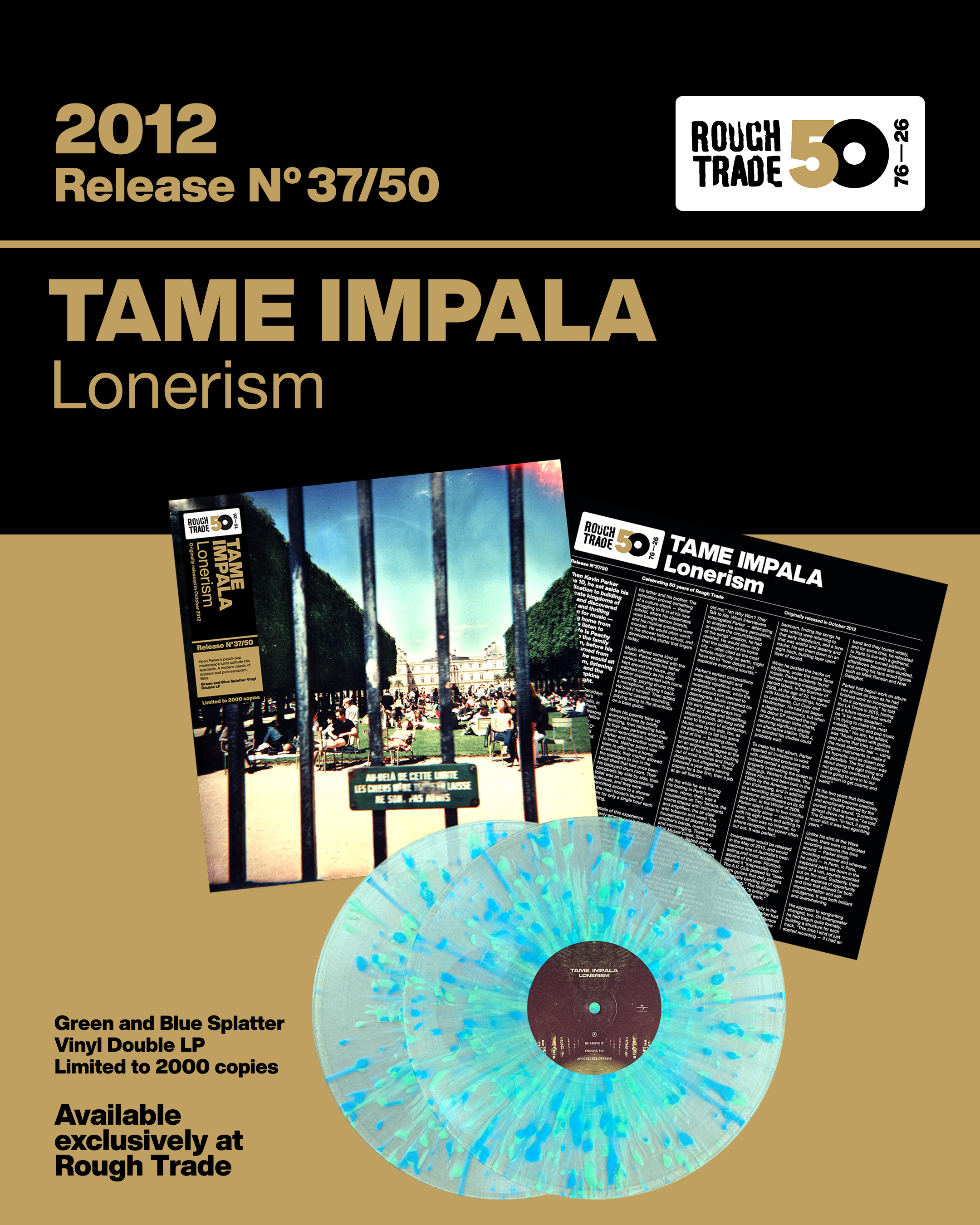
The Record: Tame Impala – Lonerism
The Context: Spearheaded by multi-instrumentalist mastermind Kevin Parker, Western Australia’s Tame Impala took the foundational grammar of 1960s psych-rock and injected it with hyper-modern digital fidelity. Featuring anthemic stomps like Elephant alongside the dreamy, hypnotic hooks of Feels Like We Only Go Backwards, Lonerism caught the band precisely as their insular bedroom experimentations blossomed into a global phenomenon. It acted as the perfect bridge to their monster mainstream breakthrough, Currents, cementing Parker as a generation-defining sonic architect.
2013: Metaphysical Spirituality and Post-Punk Grace
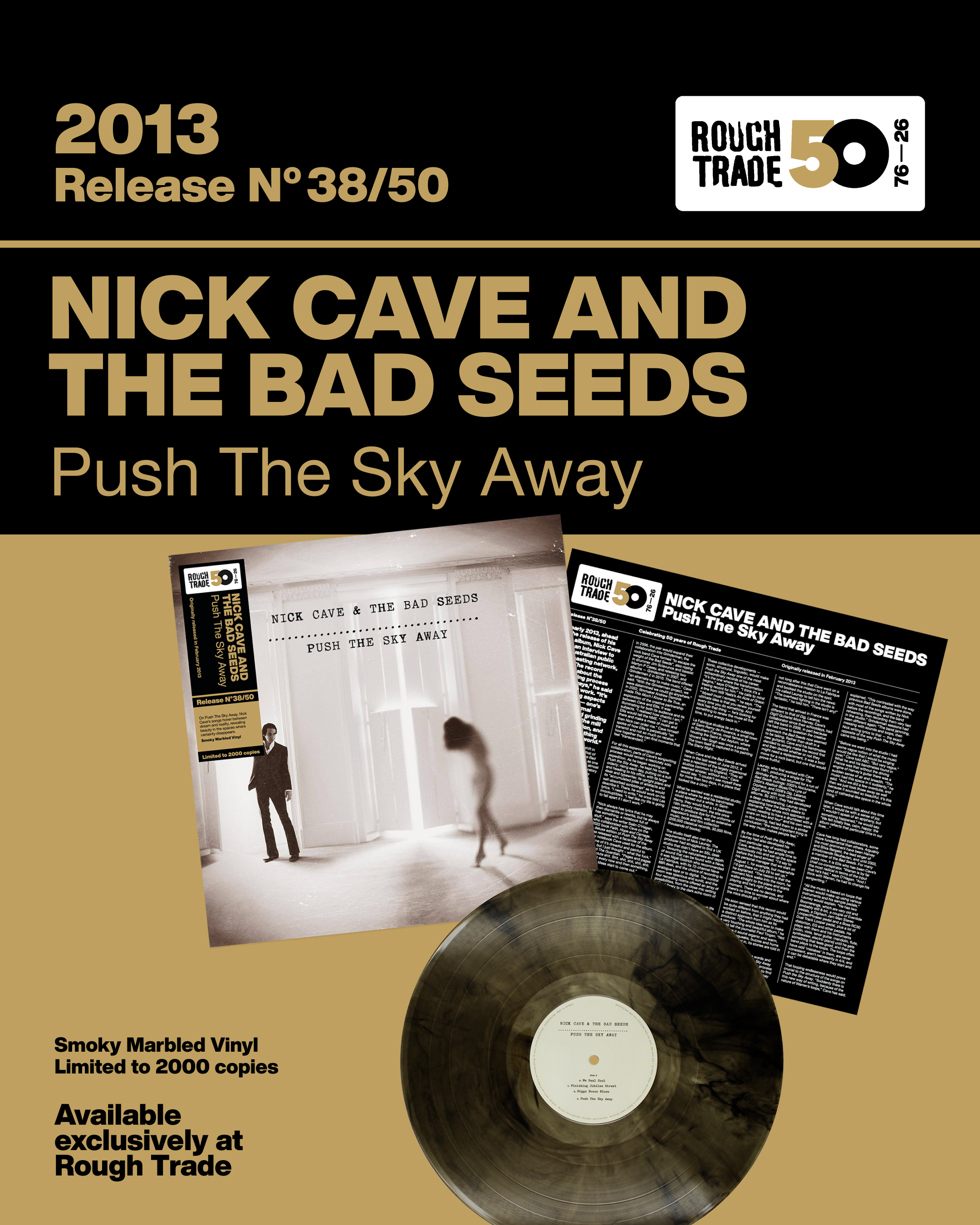
The Record: Nick Cave & The Bad Seeds – Push The Sky Away
The Context: Positioned directly between the raucous garage-rock vitality of Dig, Lazarus, Dig!!! and the lush, spoken-word-oriented landscapes of their later catalog, Push The Sky Away stands as perhaps the crown jewel of Nick Cave and The Bad Seeds’ discography. Elegant yet devoid of sappy sentimentality, the record trades biblical fire and brimstone for a sweeping, metaphysical spirituality. The airy, minimal instrumentation matches Cave’s existential meditations, capturing the rousing, peerless intimacy the band is globally renowned for conjuring live.
2014: The Definitive Soundtrack of Slacker Nostalgia
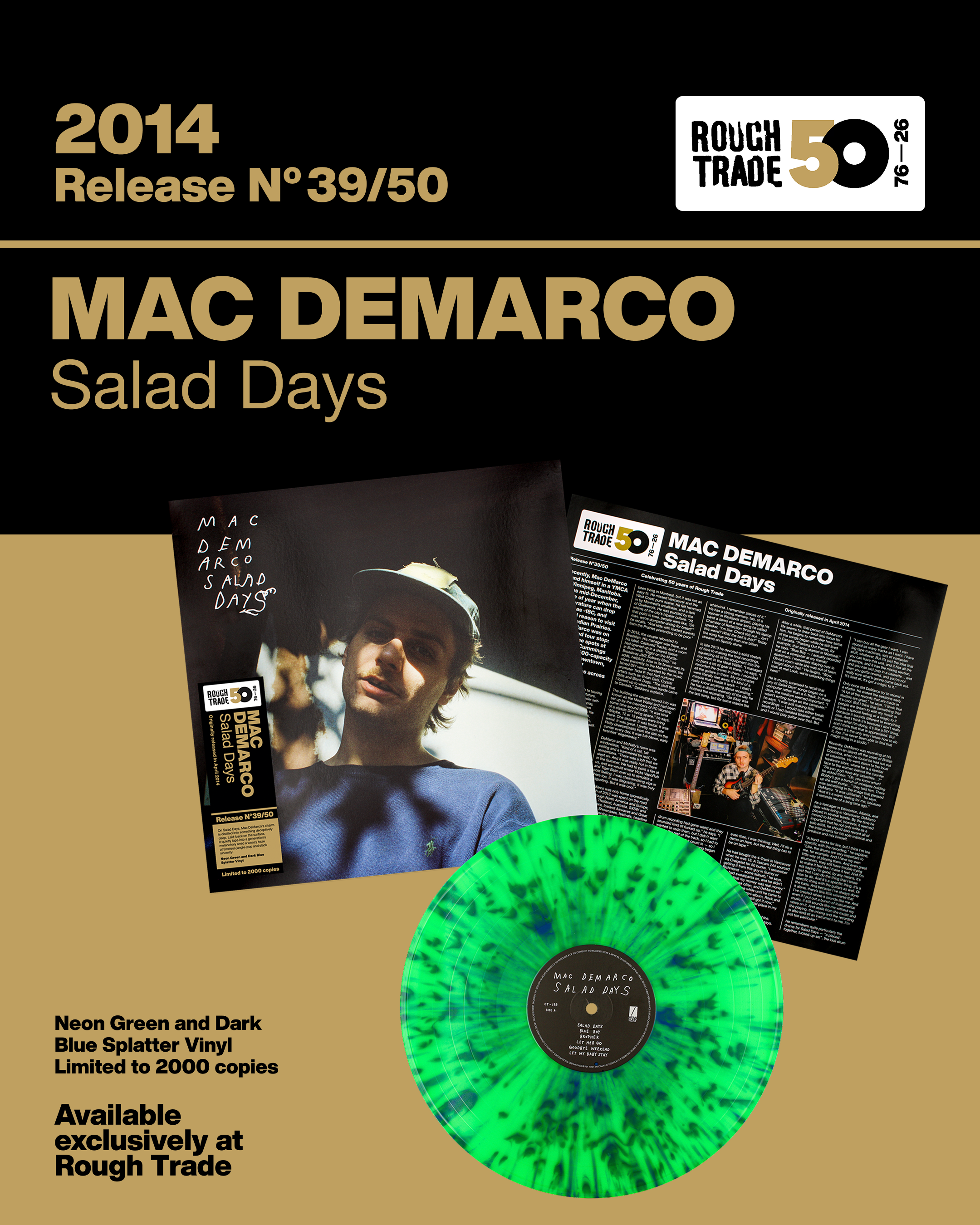
The Record: Mac DeMarco – Salad Days
The Context: Crafted in the chaotic wake of relentless international touring schedules, Canadian singer-songwriter Mac DeMarco’s second full-length album, Salad Days, weaponized casual charm and intricate musicianship. Characterized by warped, chorus-drenched guitar tones and a deceptively easygoing demeanor, the record became the definitive millennial soundtrack for late-night reflection and adolescent nostalgia, capturing the bittersweet pangs of growing up in an increasingly digital world.
2015: Sarcasm, Romance, and Modern Anxiety
The Record: Father John Misty – I Love You, Honeybear
The Context: Josh Tillman’s sophomore outing as Father John Misty offered a brilliant, chaotic snapshot of modern romance caught in the crosshairs of digital distraction and existential dread. Fusing sweeping, orchestral arrangements reminiscent of classic 1970s Laurel Canyon pop with acid-tongued lyrical irony, I Love You, Honeybear delivered a modern masterpiece. From the biting social commentary of Bored in the USA to True Affection’s plea to ditch glowing pocket screens and reconnect as actual, flawed human beings, Tillman mapped out the emotional neuroses of the mid-2010s with unmatched clarity.
Supporting Context & Metrics: The Mechanics of the Digital Shift
The transformation of music culture between 2006 and 2015 was underpinned by seismic infrastructural changes in distribution, discovery, and community building:
The Blogosphere and Taste-Making Ecosystems: Web-native outlets like Pitchfork, Stereogum, and aggregators like Hype Machine fundamentally altered promotional economics. A glowing digital review or an MP3 download link posted on a widely followed blog could launch an obscure, unsigned band onto major festival main stages within 48 hours.
Social Media and Self-Publicity: Platforms democratized artist relations. MySpace allowed early DIY musicians to act as their own publicists and booking agents; Facebook and Twitter established real-time, bidirectional lines of communication with fans; and Instagram eventually introduced a crucial visual and aesthetic dimension to the live touring experience.
The Streaming Revolution: As physical formats yielded to digital files, early illegal sharing networks gradually gave way to legal, subscription-based streaming models. Spotify and competing platforms catalyzed a fundamental behavioral shift: instead of treating music as a rare, curated commodity housed in a physical collection, audiences were handed an almost limitless global archive directly inside their pockets. For independent artists, traditional gatekeeping barriers continued to fall, even as debates over streaming royalty rates began to take root.
Official Statements and Industry Insights
The digital acceleration of the decade did not merely change how music was sold; it altered what people valued. Industry insiders and independent music institutions played a critical role in anchoring this era of rapid technological disruption.
Georgia from the Rough Trade Office notes the unique cultural friction of the era:
"When Radiohead dropped ‘In Rainbows’ with their pay-what-you-want model in 2007, it forced an industry paralyzed by piracy to look at the future square in the eye. Whether you view it as genius marketing or a dangerous precedent, it proved that the bond between artist and fan was more valuable than plastic jewel cases."
Reflecting on the tactile rebellion against screen-based consumption, Nina from Rough Trade Berlin emphasizes the enduring power of physical spaces:
"At a time when everything online was getting louder, faster, and more algorithmically driven, records like The xx’s debut gave people a reason to stop, breathe, and hold onto something real. Even as streaming took over, the human need for a tangible, communal connection to music never wavered."
Future Outlook: Preserving Tangible Connection in an Algorithmic Age
As we look back on the foundational decade of 2006–2015, the legacy of the internet’s coming-of-age is clear: it democratized creation, flattened global barriers, and sparked some of the most daring genre-blending experimentation in modern music history.
Yet, as the contemporary music landscape is increasingly shaped by opaque recommendation algorithms, artificial intelligence generation, and infinite digital content feeds, the core human desire to engage with music in a tangible, meaningful way remains stronger than ever. Independent record shops, physical vinyl pressing plants, and dedicated curation hubs like Rough Trade continue to serve as essential counterweights—providing safe havens for discovery that exist far beyond the blue light of portable screens.
Through initiatives like the Rough Trade 50th Anniversary Editions and exclusive vinyl club memberships, the mission remains unchanged: championing the artists who push culture forward, honoring the masterworks of the digital revolution, and ensuring that music lovers can always hold a piece of history in their hands.