Executive Overview
In an era defined by rapid globalization, cultural homogenization, and digital hyper-connectivity, genuine cross-cultural artistic collaborations often struggle to rise above the noise of superficial tokenism. Yet, every so often, an ensemble emerges that does not merely blend musical traditions, but rather excavates shared emotional roots across centuries and continents.
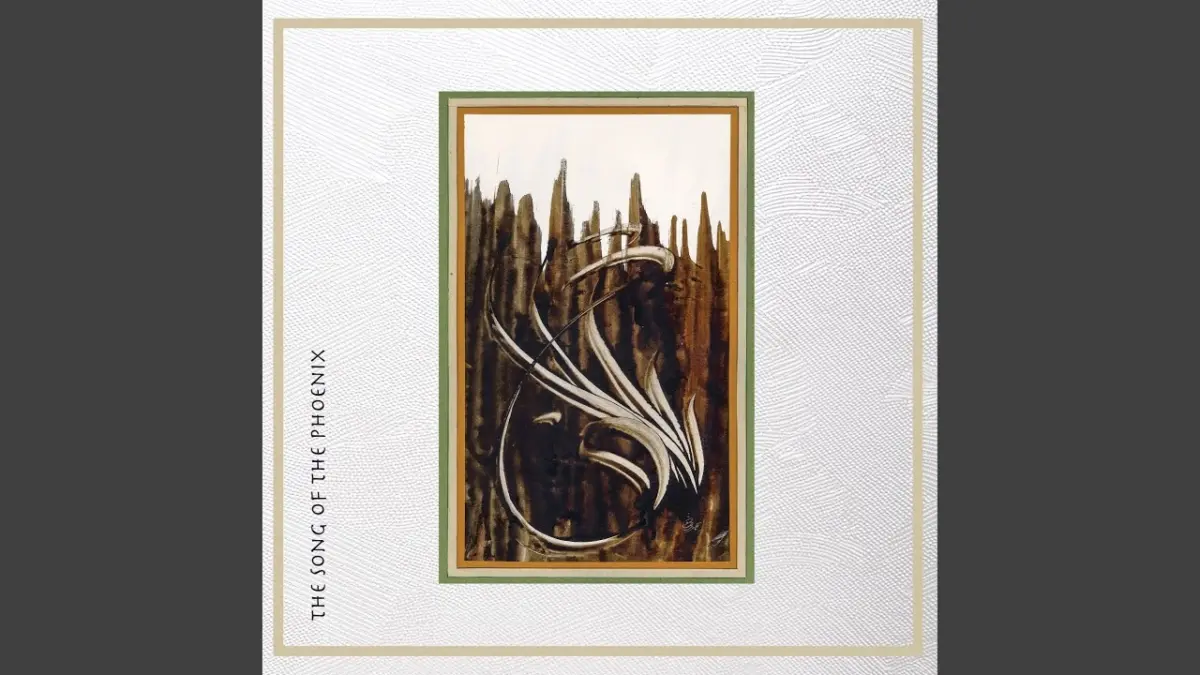
Enter MEHRNAVAA, a Flemish-Iranian quartet whose debut album, The Song of the Phoenix, stands as a masterclass in intercultural dialogue. Released via the Ghent-based independent label Zephyrus Records, the album is built around a mesmerizing conceptual architecture: it traces the mythological journey of the phoenix from the 12th-century epic The Conference of the Birds by the Persian Sufi mystic Attar of Nishapur, through the self-immolation of its own pyre, to the miraculous birth of the young bird rising from the ashes.
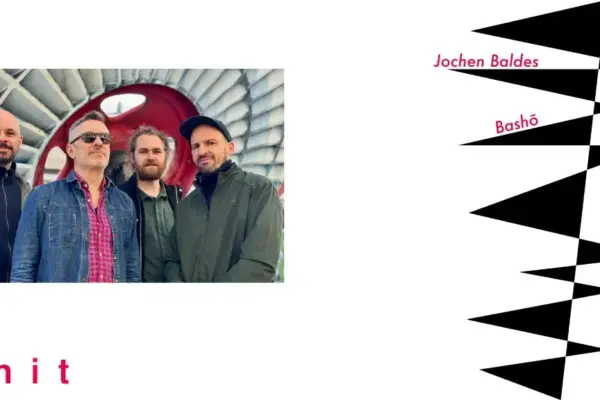
At the heart of this ten-part masterwork is the closing track, "Ardor." Released as the album’s lead single on June 20, "Ardor" encapsulates the entire philosophical and sonic scope of MEHRNAVAA. The quartet—comprising Iranian-born musicians Shahab Azinmehr and Farnoosh Khodadadeh, alongside Belgian instrumentalists Seraphine Stragier and Nathan Daems—constructs a bridge linking ancient Sufi ritual instruments to contemporary European jazz sensibilities, classical microtonal textures, and avant-garde chamber music.
This comprehensive report examines the genesis, cultural mechanics, and profound artistic resonance of The Song of the Phoenix. Through a detailed exploration of the ensemble’s historical underpinnings, instrumental mastery, and upcoming tour dates across Flanders, we uncover how MEHRNAVAA has transformed an ancient avian allegory into a vital, contemporary manifesto for musical rebirth.
Detailed Chronology
The realization of The Song of the Phoenix was not a sudden studio creation, but a meticulously paced evolutionary process that unfolded across months of cultural curation, live performance experimentation, and strategic releases.
June 20: The Genesis and Live Premiere in Ghent
The journey of public presentation began on June 20, when MEHRNAVAA officially stepped into the spotlight. In the atmospheric, medieval confines of the old refectory at Ghent’s historic St Bavo’s Abbey, the quartet premiered their live program to an enraptured audience.
Simultaneously, the ensemble released "Ardor" as the debut single from the forthcoming album. This strategic rollout immediately signaled to the Belgian and international music scenes that MEHRNAVAA was operating at a rare intersection of academic rigor and soulful accessibility. The choice of St Bavo’s Abbey—steeped in centuries of architectural gravity and acoustic resonance—provided a physical sanctuary that mirrored the mystical spaces evoked in Attar of Nishapur’s poetry.
September: Deepening the Narrative
As summer transitioned into autumn, the ensemble maintained its momentum with the September release of the second single, "Ashes, Silence and Rise of the Light." Where "Ardor" introduced listeners to the blistering heat and emotional intensity of the phoenix’s passion, this second preview leaned into the contemplative aftermath of destruction. It highlighted the delicate interplay between Stragier’s cello and harp work alongside Khodadadeh’s rhythmic framing on the daf, preparing audiences for the darker, more introspective valleys of the ten-part album.
October 16: The Arrival of The Song of the Phoenix
On October 16, Zephyrus Records officially unleashed The Song of the Phoenix in its entirety across digital streaming platforms and physical vinyl/CD formats. The release cemented the label’s reputation as a vanguard for boundary-pushing, roots-conscious improvised music in Flanders. The album quickly drew critical acclaim for its seamless integration of disparate sonic palettes, proving that the ancient mythological origin of music—attributed by Attar to the phoenix’s dying song—could be vividly reimagined for modern ears.
Autumn 2024 to February 2027: The Flanders Tour Circuit
With the album successfully launched, MEHRNAVAA took their immersive live program on the road, embarking on an extensive tour across cultural centers in Flanders.
- October 29: CC Asse
- November 12: Predikherenkerk, Mechelen
- February 21, 2027: Schouwburg Noord, Merksem (Antwerp)
Each performance is designed to be more than a conventional concert; it functions as a ritualistic audio-visual journey, enhanced by literary texts and translations crafted in collaboration with renowned Flemish actor and writer Josse De Pauw.
Supporting Context & Metrics
To fully appreciate the weight of MEHRNAVAA’s achievement, one must examine the individual pedigree of its members, the history of the instruments they wield, and the literary foundation that anchors their work.
The Quartet: Masters of Their Craft
MEHRNAVAA is an egalitarian union of four distinct musical voices, each bringing a unique lineage of training and stylistic exploration to the collective table.
+-------------------------------------------------------------------------+
|                         MEHRNAVAA ENSEMBLE                              |
+--------------------------+----------------------------------------------+
| Shahab Azinmehr          | Tar, Setar, Composition, Vocals              |
| Farnoosh Khodadadeh      | Daf, Text Curation & Translation             |
| Seraphine Stragier       | Cello, Harp, Yayli Tambur                    |
| Nathan Daems             | Saxophone, Ethio-Jazz Influences             |
+--------------------------+----------------------------------------------+- Shahab Azinmehr (Tehran-born, Belgium-based): A virtuoso of the traditional Persian tar and setar, Azinmehr wrote both the words and music for "Ardor" and several other key movements on the album. Trained rigorously within the classical Iranian radif tradition, his relocation to Europe has allowed him to participate in high-profile cross-cultural projects, notably performing within Jordi Savall’s esteemed Orpheus XXI ensemble, which focuses on the preservation and dialogue of early and traditional Mediterranean music.
- Farnoosh Khodadadeh (Ghent-based): An accomplished Iranian daf player who has made Flanders her home, Khodadadeh played a pivotal role in shaping the textual narrative of the album. Working alongside Flemish literary luminary Josse De Pauw, she meticulously prepared the translations and adaptations of the Sufi texts, ensuring that the poetic depth of Attar of Nishapur was neither lost in translation nor divorced from contemporary theatrical sensibilities.
- Seraphine Stragier (Brussels): A classical prodigy trained as a cellist at the Royal Conservatory of Brussels, Stragier defies rigid categorization. On The Song of the Phoenix, her sonic footprint expands fluidly across the modern concert harp and the yayli tambur—a bowed, long-necked Turkish lute that introduces microtonal weeping bends and resonant drones into the ensemble’s arrangements.
- Nathan Daems (Belgium): Bringing a deeply eclectic sensibility honed over a decade of leading Black Flower, a celebrated Belgian band known for fusing Ethiopian musical scales with contemporary jazz, Daems contributes saxophone lines that weave effortlessly through Persian modal frameworks. His presence connects Zephyrus Records’ stable of forward-thinking artists, bridging East African pentatonic warmth with Middle Eastern modal complexity.
The Instruments: Guardians of Sufi Tradition
Two of the primary instruments driving MEHRNAVAA’s sound carry centuries of spiritual and mechanical evolution:
- The Setar: A delicate, small Persian lute traditionally played by striking the strings with the index fingernail using a specialized metal-nailed mizrab. The instrument’s modern configuration owes a direct debt to the 18th-century dervish Moshtaq Ali Shah, who added a fourth sympathetic/drone string to the traditional three-string instrument, dramatically expanding its harmonic resonance during meditative states.
- The Daf: A broad frame drum integral to Iranian Sufi (specifically Kurdish and Ahl-e Haqq) Zikr gatherings. When struck with the fingers and palms, the metal rings fitted along the interior of its heavy wooden rim rattle in a shimmering cascade, creating a hypnotic percussive texture that mimics the crackle of fire and the rustle of rising wings.
Official Statements & Artistic Vision
The philosophical core of MEHRNAVAA is rooted in the belief that music is not a static artifact of regional heritage, but a living, breathing continuum.
In liner notes and promotional interviews surrounding the release of The Song of the Phoenix, the ensemble has emphasized the relevance of Attar’s 12th-century allegory to the modern human condition. According to Sufi tradition, the phoenix—known in Persian mythology as the Simurgh or the firebird—does not die in despair. Instead, it sings a lament so excruciatingly beautiful that it ignites the pyre around it, only to emerge from the ashes renewed, wiser, and unified with the divine.
"Attar of Nishapur positioned the phoenix’s song not merely as an event in a fable, but as the primordial spark of all human music," notes the ensemble in their artistic manifesto. "In ‘Ardor,’ we sought to capture that exact microsecond where destruction gives way to creation—where the heat of the flame transforms into the lightness of flight."
The collaboration with Josse De Pauw further underscores this commitment to narrative depth. By blending Persian mystical texts with European theatrical timing, MEHRNAVAA ensures that the listener experiences the album not as a collection of isolated jazz tracks, but as an uninterrupted dramatic arc.
Future Outlook
As MEHRNAVAA continues to take The Song of the Phoenix across the cultural centers of Flanders—stretching toward their major early 2027 performance at Schouwburg Noord in Merksem—the ensemble’s trajectory points toward an increasingly prominent role on the European world-jazz circuit.
The success of Zephyrus Records in championing such ambitious, cross-disciplinary projects highlights a growing appetite among European audiences for music that resists easy genre classification. By uniting Tehran and Ghent, classical Brussels conservatories and ancient Sufi lodges, MEHRNAVAA has crafted a timeless sonic document.
For music lovers, historians, and cultural explorers alike, The Song of the Phoenix is more than an album release; it is an invitation to stand before the pyre, listen to the lament of the ancient bird, and witness the incandescent birth of something entirely new.
Stream & Purchase Information
- Stream "Ardor": Available via the Zephyrus Records Bandcamp Page.
- Order The Song of the Phoenix (Vinyl/CD/Digital): Secure your copy directly through Zephyrus Records.
- Tour Dates & Tickets: Visit local cultural center platforms, including CC Asse and Cultuurcentrum Mechelen.