Executive Overview
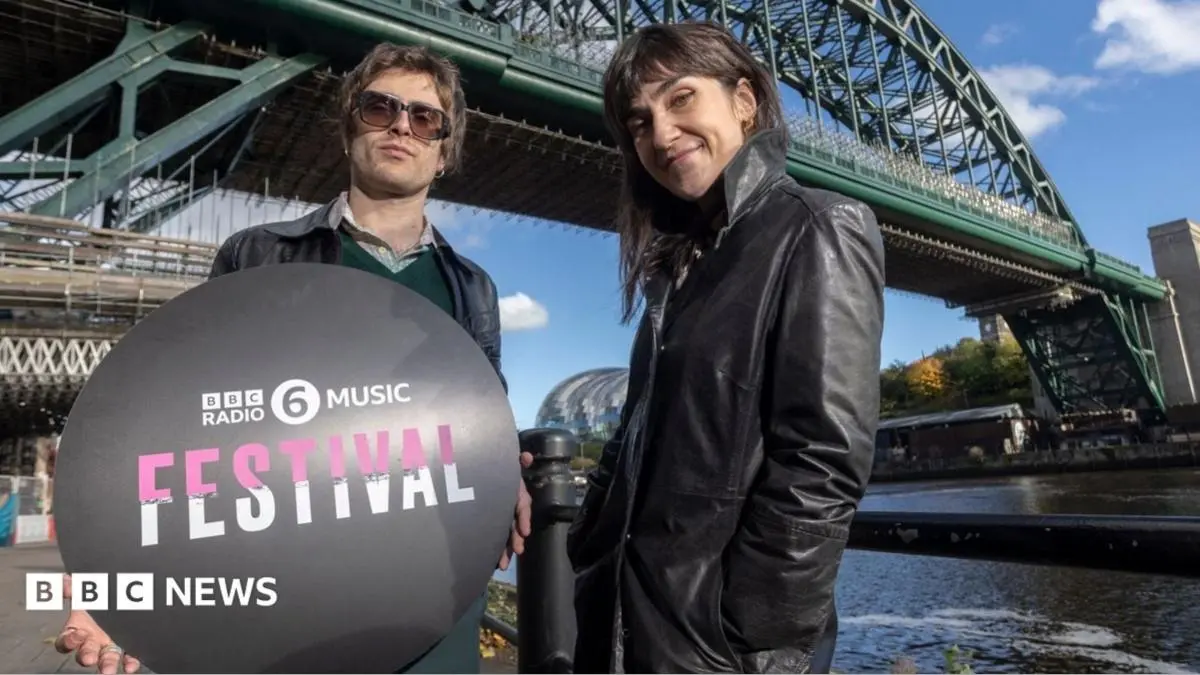
The BBC 6 Music Festival is officially returning to the North East of England. Set to take place from March 15 to March 19, 2027, this landmark cultural event represents far more than just a multi-day celebration of alternative, independent, and cutting-edge live music; it is a profound validation of Newcastle’s meteoric rise as one of the most vibrant and collaborative music cities in the United Kingdom.
For a region with a rich, working-class industrial heritage, music has long served as an emotional anchor, a communal outlet, and an essential pillar of local identity. The announcement has sent ripples of excitement through the cultural sectors of Tyne and Wear, promising a massive economic boost, unprecedented national exposure, and a dynamic showcase for both homegrown talent and international touring acts.
In recent years, Newcastle and the broader North East have experienced a cultural renaissance. Once overlooked by a London-centric media and music industry, the city has transformed into an undeniable powerhouse of artistic innovation. This is evidenced not only by packed grassroots venues and thriving independent record labels, but also by critical acclaim on the highest national stages. Over the past two years alone, artists deeply rooted in the region—such as Sam Fender, Jade, and jazz-folk crossover outfit Knats—have captured the attention of the wider music world, earning prestigious nominations and shortlists for the coveted Mercury Prize.
The 2027 festival will see the BBC 6 Music broadcasting family descend upon the city, bringing with them a brigade of beloved presenters, world-class artists, and thousands of passionate music fans from across the nation. While the full lineup and specific venue details are being kept under wraps until early next year, anticipation is already reaching a fever pitch. This comprehensive report explores the journey of Newcastle’s music scene, examines the economic and cultural implications of hosting the festival, analyzes the official statements from key stakeholders, and looks forward to what promises to be an unforgettable week of live music on Tyneside.
Detailed Chronology: The Evolution of Newcastle’s Music Scene and the Path to 2027
To understand the magnitude of the BBC 6 Music Festival’s return to the North East, one must examine the chronological evolution of the region’s cultural landscape. Newcastle has always possessed a fiercely loyal music audience, nurtured in legendary grassroots venues, student unions, and atmospheric pubs. However, structural challenges—including historic underinvestment in the regional arts sector and a brain drain of creative talent toward London and Manchester—historically hindered the city’s ability to capitalize fully on its homegrown genius.
The Groundwork: Building a Grassroots Ecosystem
Over the past decade, a concerted effort by local promoters, venue owners, council initiatives, and artists began to reshape the narrative. The closure of classic venues across the UK threatened the ecosystem, but Newcastle’s independent community fought back, fostering a spirit of collaboration rather than competition. Promoters pooled resources, DIY record labels emerged, and spaces were carved out for experimental, punk, indie, and electronic music.
This grassroots foundation was critical. When artists like Sam Fender burst onto the mainstream consciousness with stadium-sized anthems rooted in North East working-class realities, he did not emerge in a vacuum. He was the product of a supportive local network that encouraged authenticity and raw storytelling.
The Mercury Prize Breakthrough
The turning point for the city’s broader national recognition arrived in the form of critical accolades. Over the last two consecutive years, the Mercury Prize—widely regarded as the ultimate arbiter of British and Irish album excellence—has featured prominent nods to North East acts. Sam Fender’s soaring socio-political indie rock, Jade’s bold pop reinventions, and Knats’ genre-defying instrumental jazz-folk fusions have proved that Newcastle is no longer a one-genre town. Instead, it is a crucible of diverse, daring, and deeply original sonic expression.
Looking Back: The 2026 Season and Setting the Stage
While the BBC 6 Music Festival has visited various cultural hubs across the UK over the years—championing alternative sounds wherever it lands—the upcoming 2027 installment builds directly upon the momentum of past successes. For context, the 2026 edition of the festival delivered unforgettable performances from major alternative heavyweights and rising stars alike, including the angular post-punk energy of Bloc Party, the poetic indie-folk brilliance of Courtney Barnett, and the haunting, ethereal singer-songwriter stylings of Jacob Alon.
The success of these preceding events set a remarkably high bar, ensuring that the 2027 festival in Newcastle must not only match but exceed the production values, curation standards, and community engagement of previous years. The announcement marks the culmination of years of advocacy by local music champions who argued persuasively that Newcastle’s moment on the national stage had finally arrived.
Supporting Context & Metrics: The Cultural and Economic Impact
Hosting an event of the scale of the BBC 6 Music Festival is a transformative milestone for any city. For Newcastle, the metrics surrounding tourism, hospitality, and cultural capital are poised to experience a massive surge during the mid-March event in 2027.
The Economic Ripple Effect
Major music festivals act as powerful economic catalysts. According to recent tourism and event sector data, a multi-day festival broadcast nationally by the BBC generates millions of pounds for the local visitor economy. Hotels, boutique accommodations, independent restaurants, bars, and transport networks across Tyne and Wear will see an influx of visitors booking stays well in advance.
Crucially, the economic benefits extend far beyond the five days of the festival itself. The exposure generated by BBC 6 Music’s extensive radio and digital coverage acts as a free, high-impact marketing campaign for Newcastle as a premier weekend-break and cultural tourism destination. Music tourists tend to return to cities where they have positive live experiences, meaning the festival will plant seeds for long-term tourism growth.
Cultural Capital and Civic Pride
Beyond the balance sheets, the intangible benefits of hosting the festival are immeasurable. For younger generations growing up in Newcastle and the wider North East, seeing world-class artists, national broadcasters, and major music industry figures flocking to their home city instills a profound sense of civic pride. It dismantles lingering geographical stereotypes and proves that a successful career in the creative industries does not require leaving the region behind.
Furthermore, the collaborative spirit that defines Newcastle’s current music scene ensures that local musicians, technicians, venue managers, and promoters will be directly involved in the planning and execution of the festival. This creates invaluable networking opportunities, upskilling pathways, and professional development within the regional creative sector.
Official Statements: Voices from the Broadcasters and Local Champions
The announcement has elicited passionate responses from prominent figures within both the BBC and the Newcastle cultural community, highlighting the emotional and strategic significance of the event.
Lauren Laverne: A Homecoming Celebration
For Sunderland-born BBC 6 Music presenter Lauren Laverne, the festival’s arrival in the North East is a deeply personal moment of celebration. As a lifelong champion of alternative music and a proud ambassador for her home region, Laverne articulated the emotional resonance of the announcement:
"Having grown up in the North East, I know just how much music means to people here and the important role it plays in local culture and communities.
It’s fantastic to see the festival return to the North East, and I can’t wait to join listeners, artists and presenters for what promises to be a brilliant celebration of live music."
Laverne’s perspective underscores the cultural authenticity that the BBC 6 Music brand strives for. Her deep understanding of the region’s musical history ensures that the festival’s curation will respect local traditions while embracing forward-thinking global sounds.
The Local Perspective: Mawdsley on the Rise of a Music City
Echoing these sentiments, local music advocate Mawdsley emphasized the structural transformation that Newcastle has undergone in recent years, framing the festival not as a sudden fluke, but as the earned reward of tireless community-building and artistic excellence:
"Since it was last here, Newcastle has become a true music city with many of our artists being recognised not least by awards like the Mercury Prize, which has shortlisted Sam Fender, Jade and Knats in the last two years, but there is a real collaborative spirit in the city.
We believe that our moment is now.
Music is a vital element of our cultural lifeblood, and we can’t wait to welcome 6 Music listeners to learn more about how vibrant the city has become."
Mawdsley’s commentary highlights the unique ethos of Newcastle’s creative community. Where other cities might suffer from hyper-competitive or fragmented scenes, Newcastle has leveraged a spirit of mutual support, grassroots solidarity, and artistic cross-pollination to punch well above its weight class on the national and international stage.
Future Outlook: What to Expect from 6 Music Festival 2027
As the countdown begins toward March 15–19, 2027, anticipation and planning are shifting into high gear. While the full artist lineup and specific venue designations remain tightly guarded secrets—scheduled for formal revelation early next year—industry insiders and eager fans are already speculating on what the festival will entail.
Curatorial Direction and Venue Integration
Given Newcastle’s unique urban geography—characterized by stunning historic architecture, iconic bridges, and a compact, walkable city center—the festival is expected to utilize a diverse array of spaces. Rather than confining the action to a single out-of-town arena, the BBC 6 Music Festival traditionally integrates itself directly into the fabric of the host city.
Audiences can anticipate a mix of intimate late-night club shows, grand historic theaters, unique industrial spaces, and daytime conversation panels, artist Q&As, and independent record store showcases. This multi-venue approach not only highlights Newcastle’s architectural heritage but also directs vital footfall and financial support straight into the independent venues that keep the city’s cultural pulse beating 365 days a year.
A Showcase for Global and Regional Talent
True to the ethos of BBC 6 Music, the 2027 lineup is expected to bridge the gap between boundary-pushing international touring acts and the finest emerging talent from the North East and beyond. Fans can look forward to exclusive live sessions, surprise collaborations, and radio broadcasts that capture the unique atmosphere of Tyneside for millions of listeners across the UK and around the globe.
Conclusion
The BBC 6 Music Festival 2027 is much more than a five-day calendar entry; it is a historic homecoming and a glorious victory lap for a city that has quietly and resiliently built one of the most exciting music scenes in Europe. As Lauren Laverne, Mawdsley, and the entire community of Newcastle prepare to welcome the nation, one thing is abundantly clear: music has always mattered deeply on the Tyne, and now, the rest of the world is finally listening.
For ongoing updates regarding the BBC 6 Music Festival 2027, including lineup drops, ticket ballot information, and venue announcements, follow BBC Newcastle on X (formerly Twitter), Facebook, Nextdoor, and Instagram, and tune into Radio Newcastle via BBC Sounds.