Executive Overview
In an unexpected and nostalgic turn of events for pop music enthusiasts worldwide, American singer-songwriter Kesha has officially released the music video for her cult-favorite track "Backstabber"—a staggering 16 years after it was first conceptualized and filmed. Originally featured on her groundbreaking, chart-topping 2010 debut studio album, Animal, the track was a fan-favorite deep cut that many early supporters believed deserved the full commercial single treatment. Instead, it remained a hidden gem within her early discography, accompanied only by the memories of its creation and underground lore.
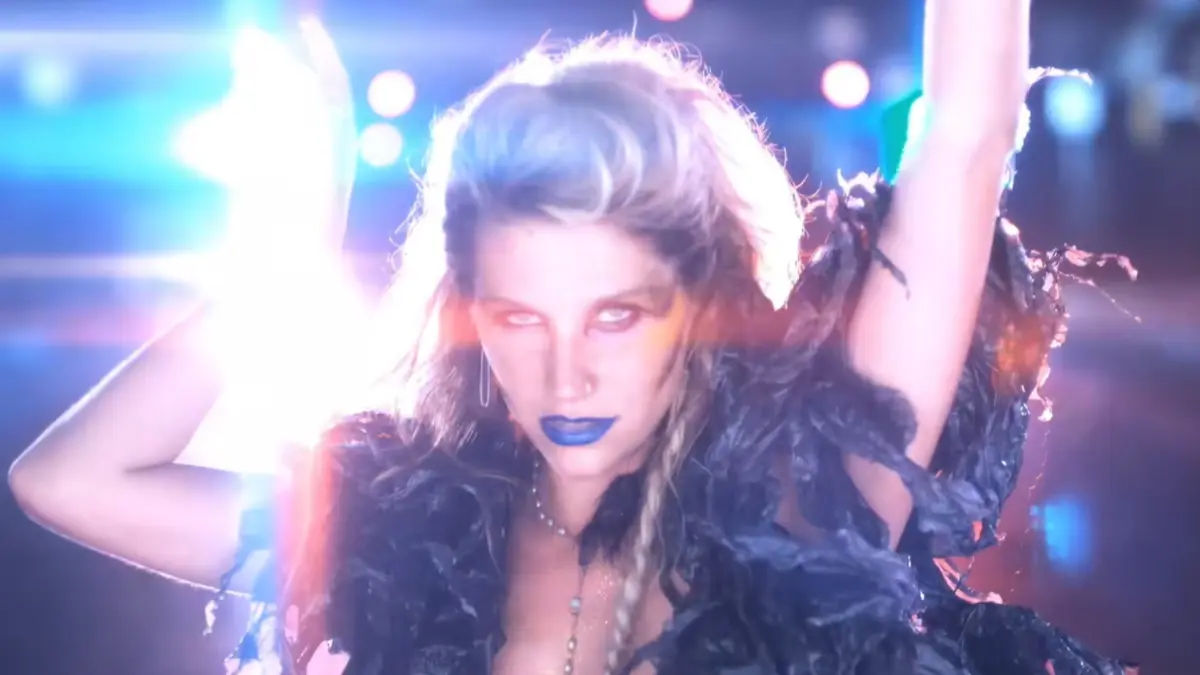
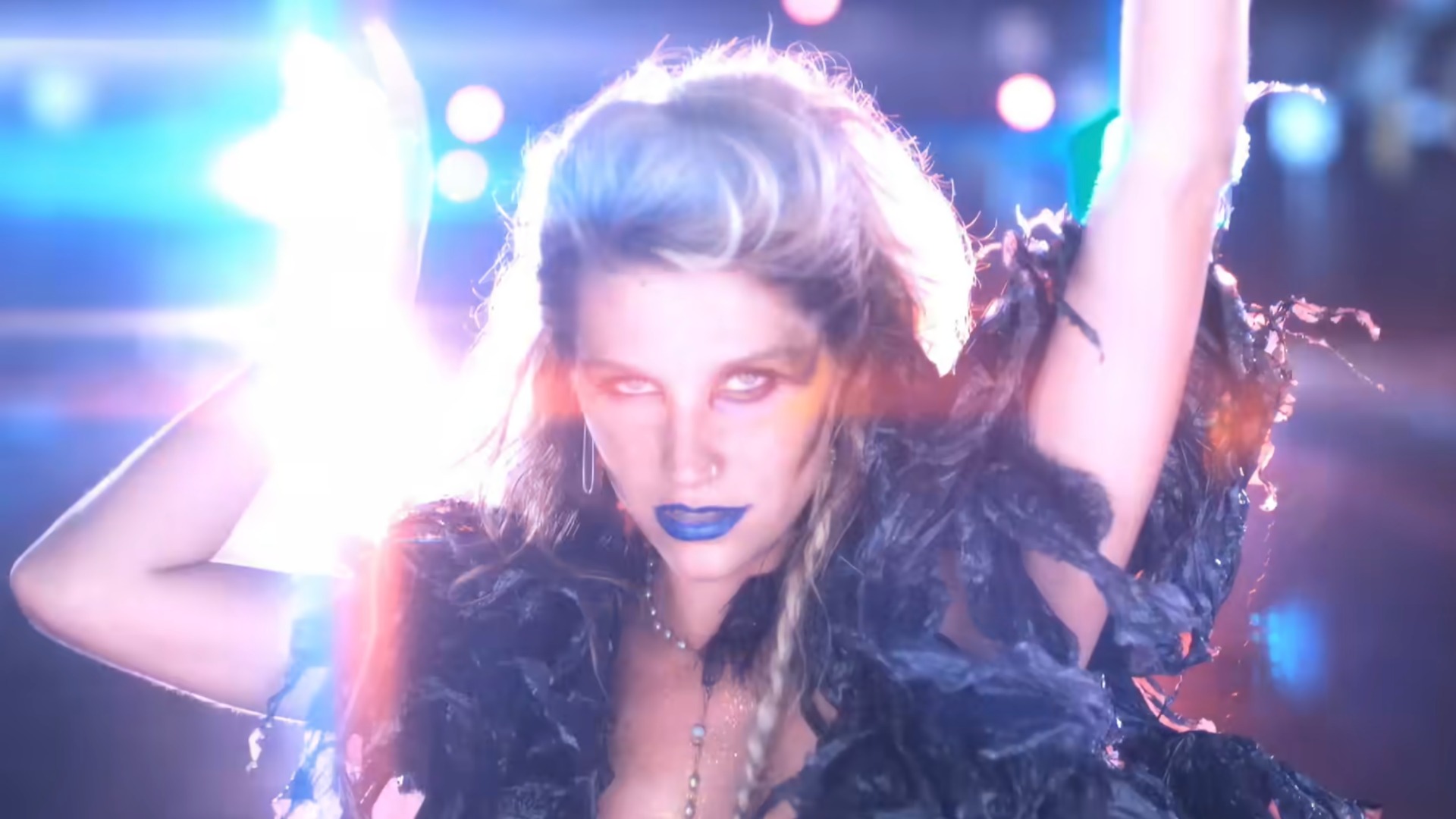
The newly unveiled visual captures a raw, pre-fame Kesha running rampant through the bohemian neighborhoods of Echo Park and Silver Lake in Los Angeles. Shot entirely on a DIY budget with a tight-knit circle of best friends, the video serves as a time capsule for an era of indie sleaze, unfiltered youth, and grassroots artistry just moments before a global pop tsunami upended the singer’s life forever.
This release is not merely a nostalgic nod for longtime "Animals" (as Kesha’s fanbase is affectionately known); it represents a powerful reclamation of her early narrative. Coming at a stage in her career defined by artistic independence, legal battles fought and won, and a triumphant return to her independent roots, the unearthing of the "Backstabber" video offers a poignant glimpse into the unvarnished reality of an artist on the precipice of international superstardom. This comprehensive report explores the chronology of the video’s creation, the cultural context of 2009 Los Angeles nightlife, the impact of Animal on the pop landscape, and what this archival release signals for the future of Kesha’s enduring career.
Detailed Chronology: The Making of a Lost Visual (2009–2025)
To fully appreciate the significance of the "Backstabber" music video release, one must journey back to the twilight of the 2000s—a hyper-specific micro-era of American youth culture characterized by American Apparel disco pants, indie-electro clashes, cheap boxed wine, and the nascent dominance of bloghouse music.
The Pre-Fame Hustle (Late 2009)
In late 2009, Kesha Rose Sebert was not yet the household name she would become by early 2010. While she had already contributed uncredited vocals to global smashes like Flo Rida’s "Right Round" and was buzzing in Los Angeles songwriting circles, her debut album, Animal, was still weeks away from release. She was scraping by, working a part-time job near downtown Los Angeles, and frequently hanging out at a local watering hole she affectionately referred to as the "Drunk Tank."
Convinced that her biting, tongue-in-cheek track "Backstabber"—co-written with David Gamson and Marc Nelkin—deserved to be a lead single, Kesha took matters into her own hands. With zero backing from a major record label budget, she organized an impromptu guerrilla-style music video shoot.
"In 2009, I knew I wanted ‘Backstabber’ to be a single, so I took it upon myself to make this video to convince everyone that it deserved its moment," Kesha revealed in an emotional Instagram post accompanying the release.
The Guerrilla Shoot
The production pipeline for the video was as DIY as modern pop gets. Eschewing professional directors, glam squads, and lighting crews, Kesha and her inner circle managed the entire production themselves:
- The Crew: Every single person appearing in or working on the video was one of Kesha’s closest personal friends at the time.
- The Glam: There were no makeup artists or high-end stylists; the cast did their own hair and makeup, leaning into the messy, smudged eyeliner and glitter aesthetic that would soon become Kesha’s signature trademark.
- The Locations: The group ran wild through the streets, parks, and residential alleys of Los Angeles’ iconic Eastside neighborhoods—specifically Echo Park and Silver Lake—alongside downtown areas near the bar where Kesha worked her day job.
"We stayed up all night, did our own glam, and shot this video," Kesha recalled. "It was so authentic to that moment in my life, before everything changed."
The Vault Era (2010–2025)
Upon completion, the video was quietly shelved. RCA Records, steering the rollout of Animal, ultimately chose "TiK ToK" as the lead single—a decision that instantly proved historic when the track broke global streaming and sales records. As Kesha’s career shifted overnight into a relentless cycle of international tours, promotional stops, arena shows, and media blitzes, the "Backstabber" footage was filed away into hard-drive obscurity.
For over a decade and a half, the video existed only as an industry rumor and a piece of lost media whispered about on pop music forums. That is, until Kesha decided the time was right to share this piece of her personal history with a fanbase that has grown alongside her over the last sixteen years.
Supporting Context & Metrics: The Animal Era and Cultural Impact
To understand why the release of "Backstabber" resonates so deeply today, one must examine the monumental commercial and cultural footprint of Kesha’s debut album, Animal, released on January 5, 2010, via RCA Records.
+-------------------------------------------------------------------------+
                    THE 'ANIMAL' ERA METRICS & MILESTONES
+-------------------------------------------------------------------------+
| Album Release Date : January 5, 2010                                    |
| Billboard 200 Peak : #1 (Debut week with 152,000 equivalent units)      |
| Lead Single        : "TiK ToK" (Global multi-platinum mega-hit)         |
| Subsequent Singles : "Your Love Is My Drug", "Blah Blah Blah", "Take It Off"|
| Aesthetic Era      : Glitter, Trash-Pop, Indie-Sleaze, Youth Rebellion  |
+-------------------------------------------------------------------------+
Redefining Late-2000s Pop Music
Before Kesha burst onto the scene, mainstream pop was transitioning away from the polished, dance-pop divas of the mid-2000s toward a more electronic, synthesized sound. Kesha injected a distinct brand of unpolished, conversational lyricism, spoken-word staccato verses, and unapologetic party anthems into the mainstream consciousness.
Animal debuted at No. 1 on the US Billboard 200, selling over 152,000 copies in its first week alone. The album’s crown jewel, "TiK ToK," became one of the best-selling digital singles of all time, maintaining the top spot on the Billboard Hot 100 for nine consecutive weeks and selling over 18 million copies worldwide.
Where "Backstabber" Fits In
While singles like "Your Love Is My Drug" and "Take It Off" dominated commercial radio, "Backstabber" remained a fan-favorite deep cut on the standard tracklist. Lyrically, the song tackles the universal theme of betrayal by a fake friend with Kesha’s trademark razor-sharp wit and infectious melodic hooks.
Musically, it bridged the gap between acoustic-driven storytelling and the heavy electronic production that defined the Animal era. By unearthing the visual companion to this specific track, Kesha has provided a missing link in the narrative of her debut album cycle—proving that her artistic vision was fully formed long before corporate apparatuses began packaging her for global consumption.
Official Statements & Archival Reflections
The rollout of the "Backstabber" video was accompanied by intimate commentary directly from the artist via her social media channels, offering fans a window into her emotional state during the transitional winter of 2009.
In her statement, Kesha reflected on the dizzying speed at which her life transformed:
"Little did I know I’d go from hanging out nightly at the Drunk Tank to touring the whole world a year later."
This sentiment underscores a universal human truth about the fragility of youth and the shock of sudden, overwhelming success. In 2009, Kesha was simply an artist making art for the sake of creation, driven by an innate urgency to prove her worth to an industry that had not yet validated her.
Music historians and pop culture critics have lauded the release for its rare authenticity. In an era where modern music videos are heavily curated, multi-million-dollar corporate productions often suffering from over-editing and algorithmic optimization, the "Backstabber" clip acts as an antidote—a reminder of when pop music was fueled by cheap cameras, DIY styling, and genuine camaraderie.
Future Outlook: Independence and Artistic Reclamation
The release of the "Backstabber" video arrives at a fascinating juncture in Kesha’s career. Having recently transitioned into full artistic and financial independence following years of highly publicized legal battles regarding her recording contracts and publishing rights, Kesha has entered a deeply liberating renaissance phase.
What Lies Ahead for Kesha
- Total Creative Control: Now operating on her own terms, Kesha has been actively exploring archival projects, independent single releases, and experimental sounds that honor her past while charging fearlessly into the future.
- Fan Engagement: By dipping into her personal vault to release long-lost artifacts like the "Backstabber" video, she is deepening her already fiercely loyal bond with her fanbase. This gesture demonstrates a profound appreciation for the supporters who stood by her from her earliest days in Echo Park to her stadium tours.
- Legacy Re-evaluation: As pop music critics and a younger generation of listeners continually re-evaluate the late-2000s/early-2010s "indie sleaze" era, Kesha is increasingly recognized not just as a fun party-pop hitmaker, but as a resilient, highly adaptable auteur who helped shape the sonic blueprint of modern pop.
Conclusion
Sixteen years after a group of friends stayed up all night in Los Angeles to film a makeshift music video for a song they believed in, "Backstabber" has finally claimed its moment in the spotlight. Far more than a simple nostalgia drop, the video stands as a monument to grassroots artistic drive, friendship, and the fierce determination of an artist who knew her worth long before the rest of the world caught on. As Kesha continues to write the next chapters of her legendary career, this archival treasure reminds us all of where she came from—and why she remains one of pop music’s most enduring and authentic icons.