Executive Overview
For over five decades, Anthony Frank "Tony" Iommi has stood as the undisputed godfather and primary architect of heavy metal. From the soot-stained industrial landscape of mid-1960s Birmingham to the highest echelons of international rock royalty, Iommi’s signature down-tuned riffs, crushing power chords, and minor-key compositions did not merely contribute to a genre—they defined it.
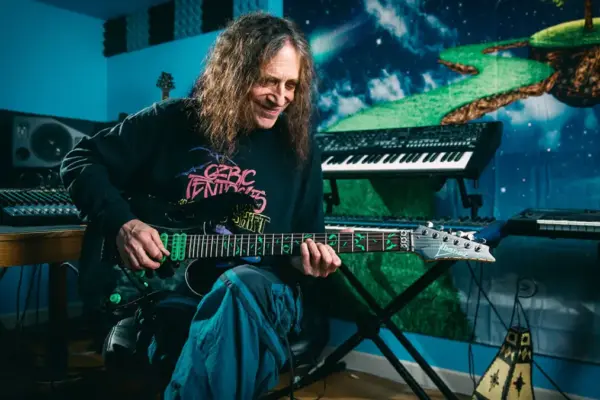
Now releasing his latest solo work, From The Dark (released via BMG), Iommi returns with his first full-length studio album since Black Sabbath’s final record, 13 (2013), and his first solo-oriented effort since 2005’s Fused. Formed organically in his home studio in rural England, the new album demonstrates that despite his bout with blood cancer, severe industrial hand injuries early in his youth, and the final curtain falling on Black Sabbath following the emotional death of frontman Ozzy Osbourne, Iommi’s creative wellspring remains as potent as ever.
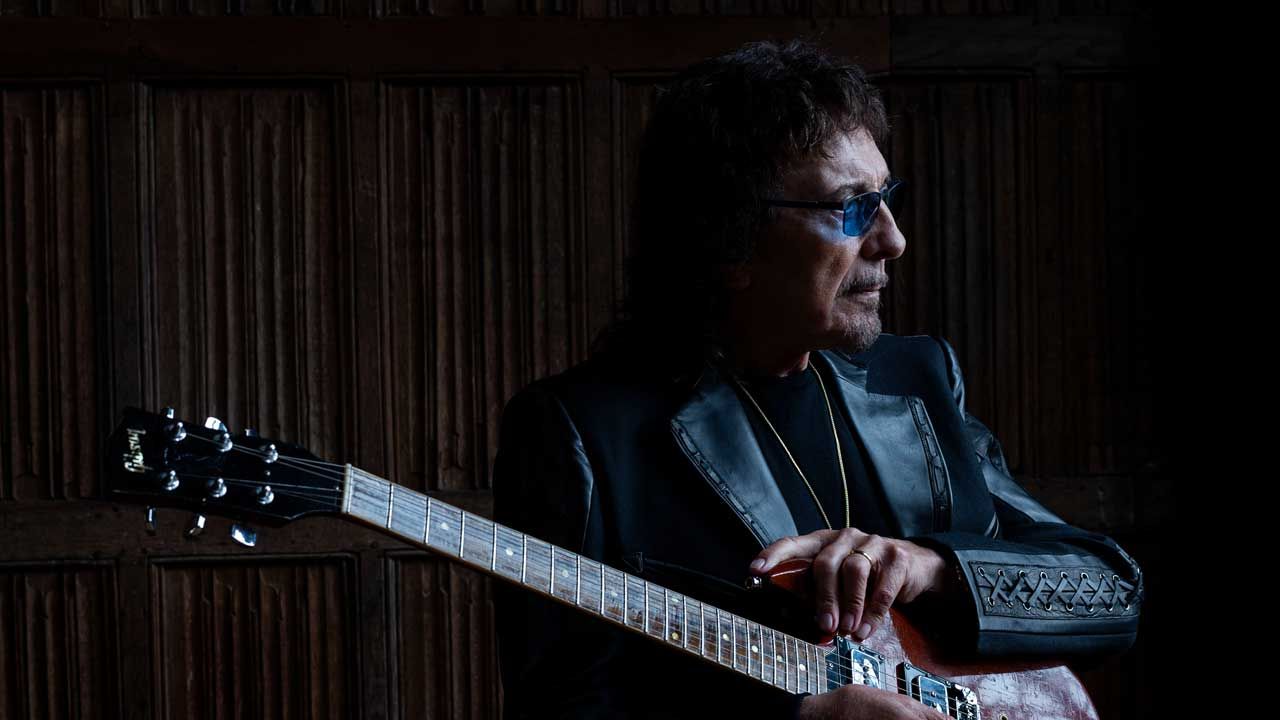
This comprehensive profile examines the complete trajectory of Tony Iommi’s career, analyzing the historical evolution of his music, the technical innovations forced upon him by physical adversity, the artistic genesis of From The Dark, and his reflections on the final chapter of Black Sabbath.
Detailed Chronology
[1965] Industrial Accident (Loss of Fingertips) -> Custom Prosthetics Invented
  │
[1968] Brief Jethro Tull Stint -> Re-organizing Earth -> Renamed Black Sabbath (1969)
  │
[1970–1978] Era of Dark Genesis: Debut Album, 'Paranoid', 'Vol. 4', & Global Stardom
  │
[1980–1995] The Vocalist Rotations: Ronnie James Dio, Ian Gillan, & Glenn Hughes Eras
  │
[2000–2005] Solo Ventures (*Iommi*, *Fused*) & Ozzfest Legacy Revalidation
  │
[2011–2017] Lymphoma Diagnosis, '13' Album Recording, & 'The End' Tour
  │
[2021–2024] Xerjoff Fragrance Collaborations ('Scent of Dark' / 'Deified')
  │
[July 2026] 'Back To The Beginning' Concert at Villa Park & Passing of Ozzy Osbourne
  │
[Present] Release of 'From The Dark' Album & Royal MBE Award Recognition
Industrial Trauma and the Birth of a Unique Sound (1965–1968)
At age 17, while working his final shift at a sheet-metal factory in Birmingham before embarking on a full-time professional music career with his band The Rockin’ Chevrolets, Iommi suffered a catastrophic industrial accident. A heavy press guillotine sliced off the tips of the middle and ring fingers of his right hand—his fretting hand as a left-handed guitarist.
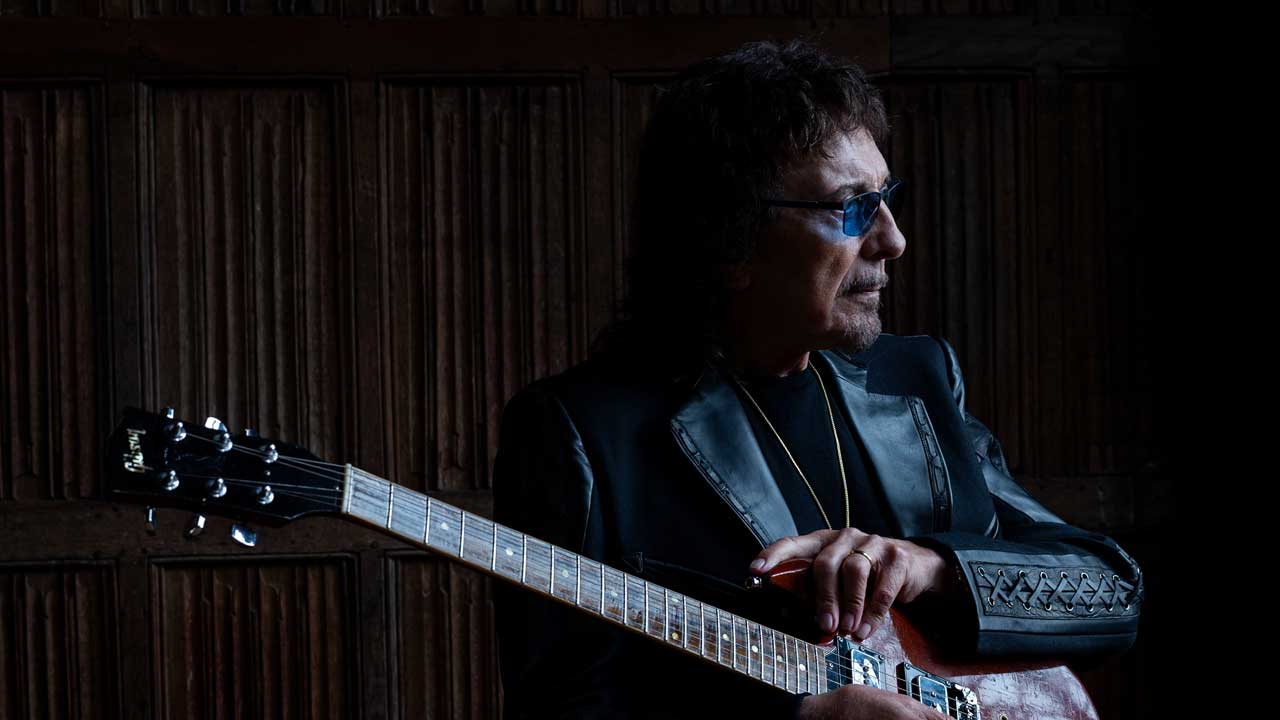
Told by doctors that he would never play guitar again, Iommi refused to accept the prognosis. Drawing inspiration from jazz legend Django Reinhardt (who played with two functional fingers), Iommi melted down a plastic bottle of washing-up liquid, shaped handmade thimbles to cap his damaged digits, and glued leather grips to the tips. To reduce tension on his sensitive fingers, he down-tuned his guitar strings and embraced lighter-gauge banjo strings, inadvertently creating the deep, heavy, resonant guitar tone that would become heavy metal’s structural foundation.
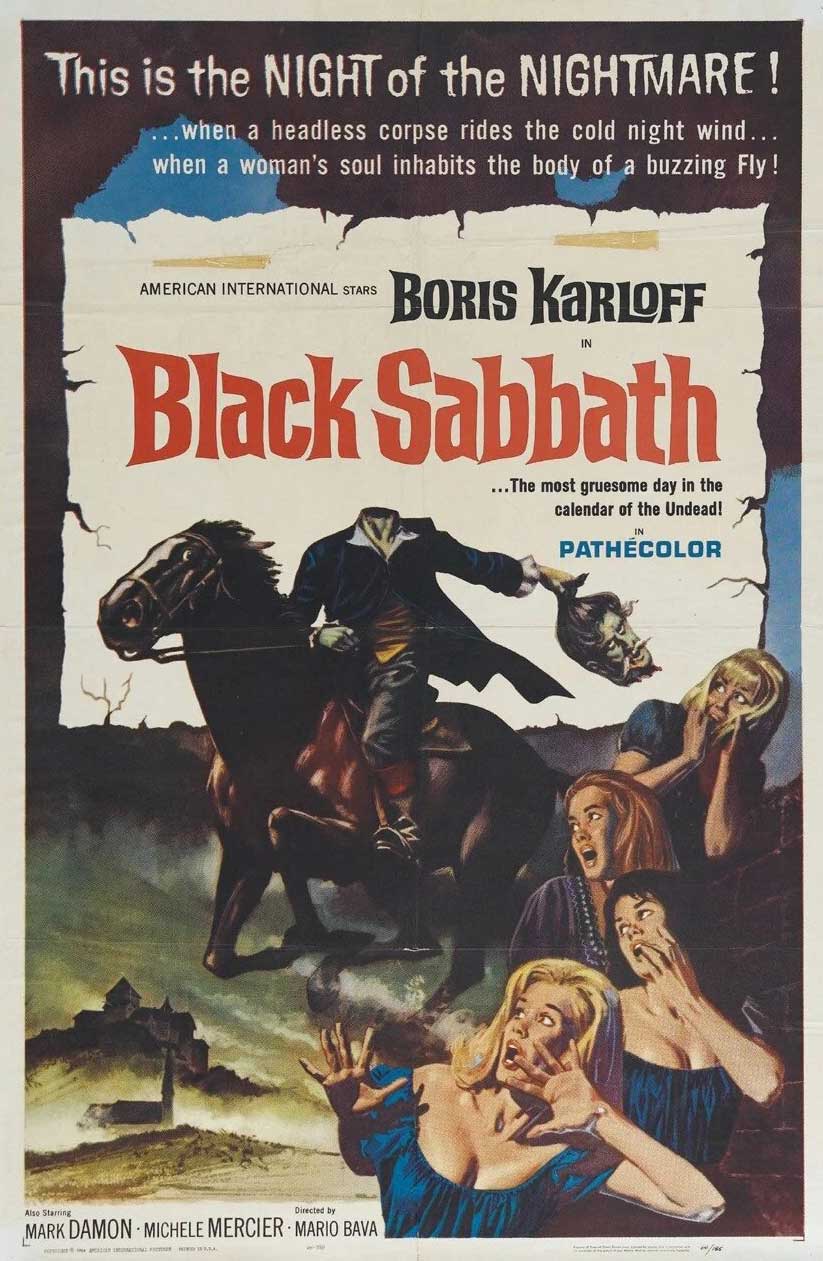
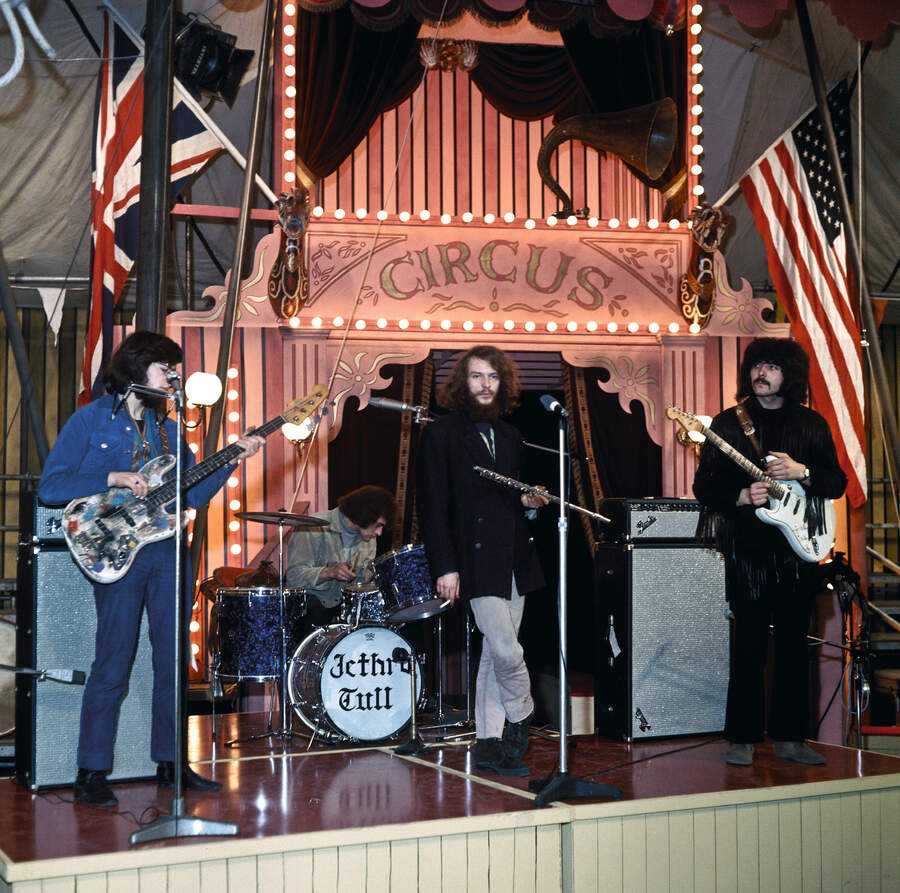
Following brief stints with local acts The Rest and Mythology, Iommi joined drummer Bill Ward, bassist Terence "Geezer" Butler, and vocalist John "Ozzy" Osbourne to form the Polka Tulk Blues Band, later renamed Earth. In late 1968, Iommi briefly left Earth to join Jethro Tull, performing at The Rolling Stones Rock and Roll Circus. Though his time with Ian Anderson was short-lived, the rigid discipline and early morning rehearsal schedule of Jethro Tull impressed Iommi deeply. Rejoining Earth with a renewed work ethic, the band rebranded as Black Sabbath in 1969, adopting a darker, blues-influenced sound inspired by horror cinema.
The Sabbath Revolution and American Excess (1969–1978)
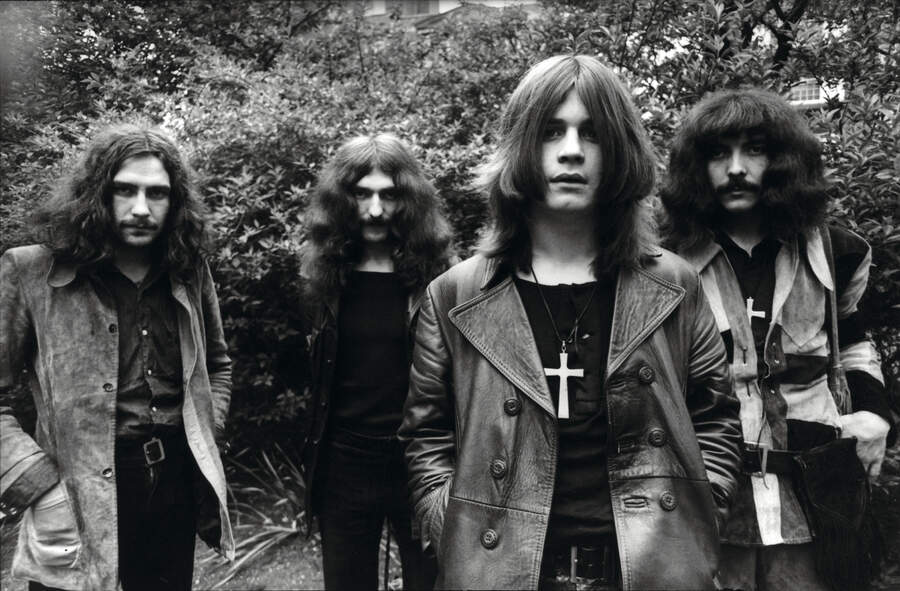
Black Sabbath recorded their self-titled debut album in a single 12-hour session in late 1969. Released in February 1970, the record was met with hostility by mainstream music critics, with publications such as Rolling Stone dismissing it as "cliché-ridden." However, record buyers felt differently; the album reached the UK Top 10 and established an immediate grassroots fanbase across Europe.
Later that same year, the release of Paranoid elevated the band to international stardom. Propelled by iconic tracks like War Pigs, Iron Man, and the title track, the album hit No. 1 in the UK and opened doors in North America. By the time of 1972’s Vol. 4, the band was operating under immense pressure, compounded by heavy substance abuse in Los Angeles that resulted in staggering financial waste and severe physical exhaustion.
Despite internal strain, Iommi continued to push artistic boundaries. On 1973’s Sabbath Bloody Sabbath and 1975’s Sabotage, he introduced keyboards, harpsichords, classical arrangements, acoustic interludes like Fluff, and backing arrangements from the English Chamber Choir, establishing himself as a multifaceted producer and songwriter.
+-------------------------------------------------------------------------------+
|                       KEY BLACK SABBATH ALBUM MILESTONES                       |
+--------------------------+------+---------------------------------------------+
| Album Title              | Year | Historical Significance                      |
+--------------------------+------+---------------------------------------------+
| Black Sabbath            | 1970 | Invented heavy metal; utilized tritone      |
| Paranoid                 | 1970 | Commercial breakthrough; global stardom     |
| Vol. 4                   | 1972 | Heavier tone; mark of American excess       |
| Sabbath Bloody Sabbath   | 1973 | Broadened palette with synths & orchestra   |
| Heaven And Hell          | 1980 | Debut of Ronnie James Dio era               |
| 13                       | 2013 | Final studio album with original trio       |
+--------------------------+------+---------------------------------------------+
Metamorphosis, Lineup Shifts, and Solo Milestones (1979–2010)
Following Ozzy Osbourne’s departure in 1979, Iommi revitalized Black Sabbath by recruiting former Rainbow singer Ronnie James Dio. The resulting album, Heaven And Hell (1980), was a commercial and critical masterpiece, introducing a faster, power-metal-adjacent edge.

The subsequent decades brought relentless lineup modifications. Frontmen such as Ian Gillan (Born Again, 1983), Glenn Hughes (Seventh Star, 1986), and Tony Martin navigated the band through shifting rock landscapes. Though 1986’s Seventh Star was initially intended as Iommi’s solo debut, record label executives insisted on releasing it under the moniker "Black Sabbath featuring Tony Iommi."
By the late 1990s, the original four-piece reunited for live tours, culminating in Ozzfest appearances and widespread critical re-evaluation by younger bands like Metallica, Soundgarden, and Foo Fighters. In 2000, Iommi released his self-titled solo record Iommi, featuring guest vocalists like Dave Grohl, Billy Corgan, and Chris Cornell. In 2005, he re-teamed with Glenn Hughes for the acclaimed solo LP Fused.
Cancer Battle, 13, and the Farewell Chapter (2011–2026)
In December 2011, as Black Sabbath was preparing to record their final reunion album, 13, with producer Rick Rubin, Iommi was diagnosed with early-stage lymphoma. Undeterred, he underwent chemotherapy and radiation treatments in the UK while writing and recording between medical sessions. 13 debuted at No. 1 on both the UK Albums Chart and the US Billboard 200.
Black Sabbath concluded their live career with "The End" tour in 2017. However, the true final chapter for the original lineup took place on July 5, 2026, at Villa Park in Birmingham. The "Back To The Beginning" charity concert brought Iommi, Osbourne, Butler, and Ward together for a historic final performance alongside guest acts such as Metallica, Guns N’ Roses, Pantera, and Tool.
Despite battling advanced Parkinson’s disease, Ozzy Osbourne performed a solo set before joining his bandmates for a four-song victory lap (War Pigs, N.I.B., Iron Man, and Paranoid). Osbourne passed away just 17 days after the concert, sealing Black Sabbath’s legacy into history.
Supporting Context & Metrics
Architectural Mechanics of the Iommi Sound
Iommi’s sonic signature relies on several key technical parameters:
- Tuning Alterations: Tuning down to C# (a step and a half below standard E tuning) beginning with 1971’s Master of Reality, reducing string tension to ease fretting pressure while producing a massive low-end sonic footprint.
- The Tritone ("Diabolus in Musica"): The deliberate use of the diminished fifth interval—historically banned or avoided in medieval ecclesiastical music due to its dissonant, uncanny dissonance. It forms the backbone of tracks like Black Sabbath and N.I.B.
- Custom Equipment & Prosthetics: High-gain amplification pushed via treble boosters, custom Gibson SGs (including his famous 1964 "Monkey" SG), light-gauge strings (.008/.009 sets), and hospital-fabricated silicone thimbles over his fingertips.
                     IOMMI'S SONIC ARCHITECTURE

         [ Custom Prosthetic Thimbles (Silicone/Leather) ]
                                 │
         [ Light-Gauge Strings & C# Low Tuning ]
                                 │
         [ High-Gain Amplification + Treble Booster ]
                                 │
         [ Tritone Interval ("Diabolus in Musica") ]
                                 │
         =================================================
             THE HEAVY METAL RIFF SOUNDPRINT ESTABLISHED
Civic Honor & Philanthropic Metrics
- Local Philanthropy: Raised over £50,000 for the University Hospitals Birmingham Charity through guitar raffles and personal auctions to renovate treatment spaces for chemotherapy patients.
- Civic Recognition: Awarded the Freedom of the City of Birmingham (2025), the Lord Mayor’s Award, a 120-foot mural near Birmingham New Street Station, and a custom stainless steel bench on Broad Street.
- Royal Honors: Named a Member of the Order of the British Empire (MBE) in the King’s Birthday Honours for services to music.
An Anatomy of From The Dark
Iommi’s new studio album From The Dark bridges his historical legacy with modern rock craft:
- Production: Co-produced and written alongside long-time engineer Mike Exeter in Iommi’s home studio.
- Lead Vocals: Norwegian vocalist Jørn Lande (ex-Masterplan, Avantasia), whose melodic range echoes the Dio era (Heaven And Hell).
- Rhythm Section: Drummer Karl Brazil (whose credentials include session work with Robbie Williams) and Birmingham-based bassist Becky Baldwin, who mirrors Geezer Butler’s heavy, finger-plucked bass style.
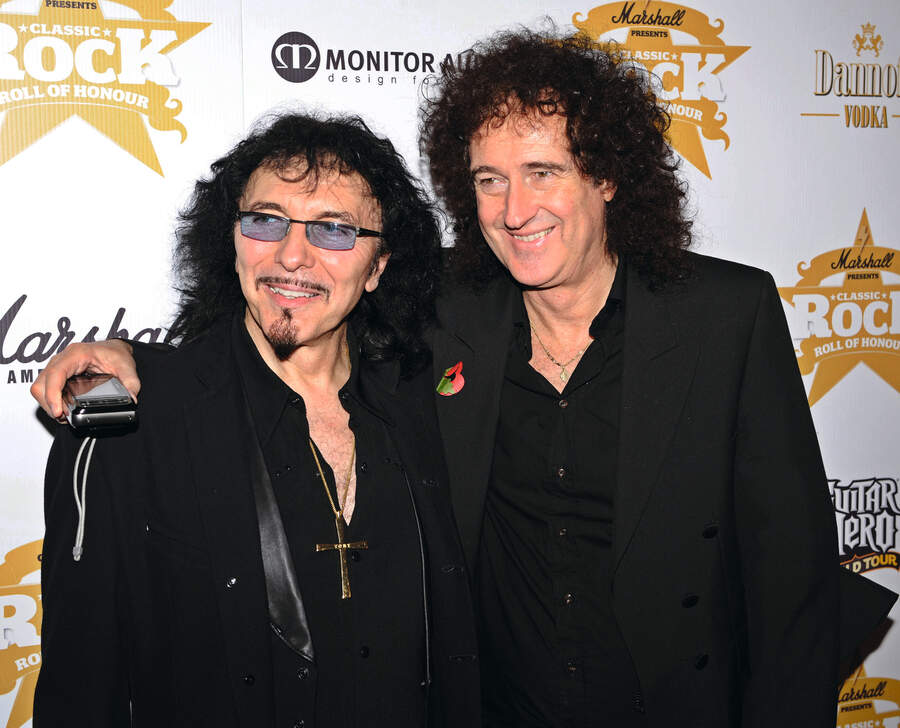
- Guest Guitarist: Queen legend Sir Brian May provides a guest guitar solo on the track Death Watch.
- Origins: Evolved from instrumental pieces written to accompany Iommi’s signature luxury fragrance lines (Monkey Special and Deified) created in partnership with Italian perfume house Xerjoff and founder Sergio Momo.
Official Statements
On the Persistence of Global Conflict and Lyrics
Reflecting on the thematic continuity between Black Sabbath’s 1970 anti-war masterpiece War Pigs and the modern themes explored on From The Dark, Iommi offered a sober assessment of world events:

"Fifty, sixty years later, and I’m looking at the world and thinking: ‘Oh fuck, we’re still dealing with the war pigs.’ The themes haven’t really changed because human nature hasn’t changed. But I still have things I want to say through the music."
On NHS Medical Support and Prosthetic Delivery Oddities
With characteristic self-deprecating humor, Iommi recounted the unusual logistical side effects of receiving bespoke silicone thimbles from his local NHS prosthetics department:
"The thing is, they send me a whole rubber arm. I’ve asked them: ‘Why not just send a hand?’ But apparently, they can’t do that. And they sometimes send me five arms at a time. So I chop the fingers off and throw the arms in the bin. The dustmen must be thinking: ‘What the bloody hell’s going on here? Has he bumped someone off?’"
"I chop the fingers off and throw the arms in the bin.
 The dustmen must be thinking: 'Has he bumped someone off?'"
 — Tony Iommi on NHS prosthetic shipments
On Ozzy Osbourne’s Final Performance at Villa Park
Addressing the emotional weight of performing one last time with Ozzy Osbourne at the "Back To The Beginning" benefit show shortly before Osbourne’s death, Iommi noted:
"I hadn’t seen Ozzy for a bit, and it was difficult seeing him like that… We were concerned about his voice and his health, but the adrenaline carried Ozzy through. I’m so glad we did it. But of course, we didn’t expect him to go so soon. Can you believe it? A year already? It was so good that we got to do that one last thing together—and for a good cause."
Advice to Emerging Musicians
When asked what advice he would pass on to his 17-year-old self facing the aftermath of his life-altering factory injury, Iommi stated:
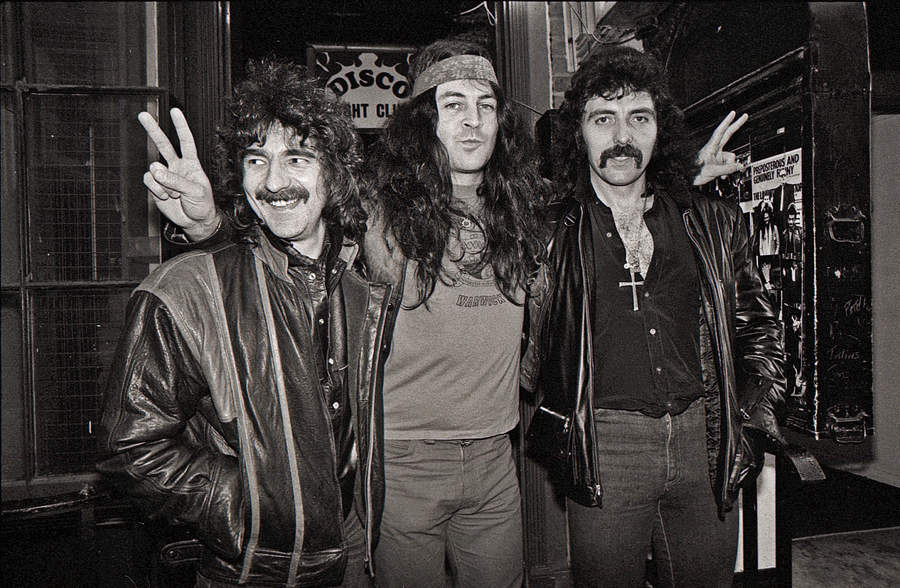
"Break all the barriers and do what you believe in. Everything is a test. Being told I wasn’t going to play guitar again was the first test; Sabbath being rejected by every record label was the next. Stick with it and keep on."
Future Outlook
The Unyielding Horizon of the Riffmaster
With From The Dark now released worldwide via BMG, Tony Iommi shows no intention of retreating from creative life. Rather than embarking on exhausting world tours, he prefers working out of his home studio, indulging in eclectic artistic detours, and collaborating across unexpected genres.
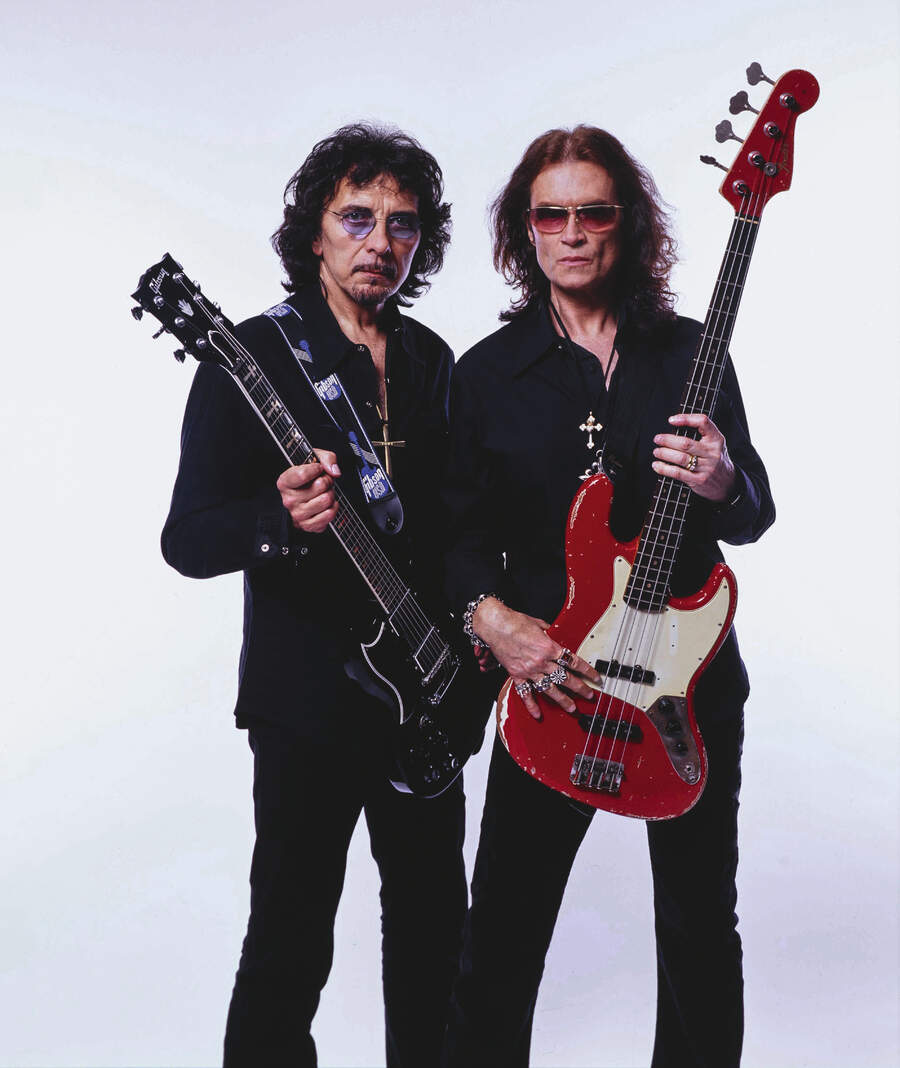
Iommi recently recorded a track alongside Star Trek icon William Shatner and continues to develop instrumental pieces for luxury perfume ventures with Xerjoff. With his health in remission, a royal MBE investiture scheduled at Buckingham Palace, and his status as the foundational pillar of heavy metal secure, Iommi approaches his craft with total artistic freedom.
As heavy metal continues to evolve across generations, the musical foundation laid by Tony Iommi—forged through physical trauma, creative resilience, and unyielding volume—remains immovable. From The Dark serves not as a nostalgia trip, but as a vibrant declaration that the master of the riff still reigns.