Executive Overview
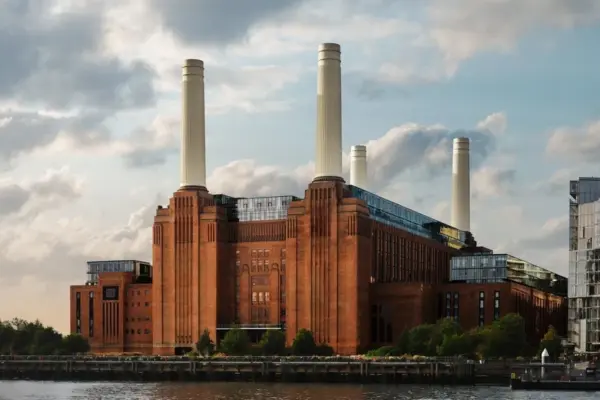
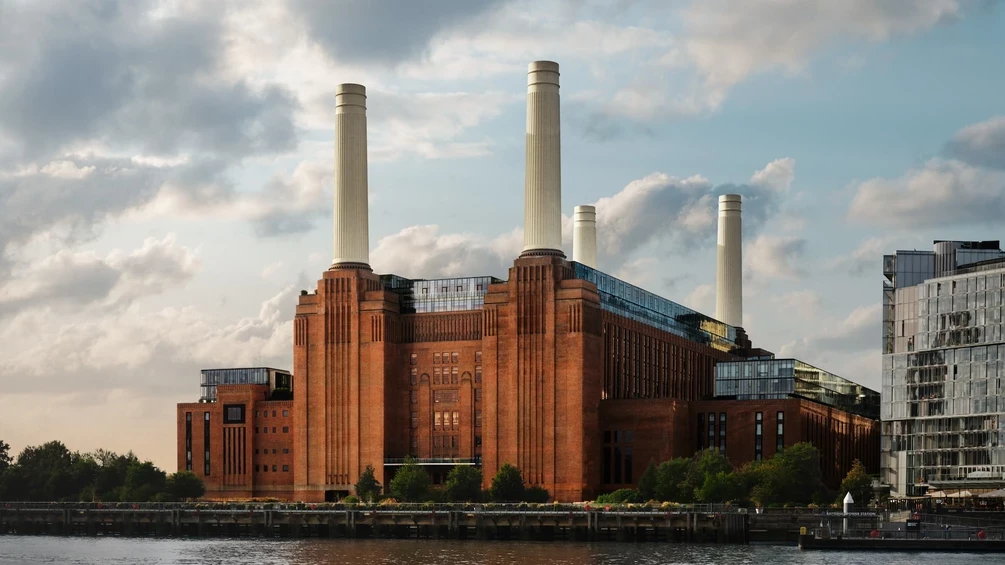
In a bold convergence of industrial heritage and bleeding-edge acoustics, Apple has announced the upcoming launch of Apple Music Hall, a bespoke, 600-capacity live performance and broadcasting venue situated within the historic core of London’s iconic Battersea Power Station. Scheduled to open its doors on September 28, this architectural and technological marvel aims to redefine the intersection of live entertainment, spatial audio engineering, and global digital streaming.
Far from a conventional music club, Apple Music Hall has been conceived as a hyper-connected media hub. It marries an intimate audience footprint with a staggering technical infrastructure, including a custom 48-speaker spatial audio array and a multi-camera video capture suite that company executives claim is unmatched by any venue of its size globally. By embedding professional-grade recording and mixing studios alongside the main performance floor—and relocating Apple Music Radio’s London operations to the same site—Apple is staking a definitive claim in the future of artist-to-fan engagement.
This initiative arrives at a fascinating juncture for the tech and streaming titan. Even as Apple navigates shifting market landscapes—marked by recent subscription price adjustments driven by licensing pressures and the introduction of transparency measures for AI-generated audio—its physical investments in the music ecosystem have never been more tangible. This report provides a comprehensive examination of the Apple Music Hall project, detailing its acoustic engineering, the strategic vision behind its creation, its integration with broader Apple Music initiatives, and what this landmark launch portends for the live music industry at large.
Detailed Chronology: The Evolution of Battersea’s Newest Soundscape
The realization of Apple Music Hall represents the culmination of years of structural revitalization, engineering ambition, and strategic planning. While the public announcement on August 28 set the official opening date for late September, the roots of this venture stretch deep into the broader regeneration of one of London’s most cherished landmarks.
The Transformation of an Icon
Battersea Power Station, with its towering art deco chimneys, has long been a symbol of London’s industrial past. For decades, the decommissioned coal-fired power station sat dormant on the south bank of the River Thames, a cavernous industrial ruin celebrated in pop culture (most famously gracing the cover of Pink Floyd’s 1977 album, Animals). Following a multi-billion-pound regeneration project, the Grade II*-listed building has been reborn as a bustling mixed-use neighborhood comprising residential apartments, retail flagships, office spaces—including Apple’s massive UK campus occupying several floors of the historic boiler house—and now, a world-class cultural nexus.
From Concept to Construction
Discussions regarding the utilization of the power station’s unique internal spaces for cultural programming began well before Apple populated its corporate offices on-site. However, the conceptualization of Apple Music Hall required a meticulous architectural balancing act. Designers had to respect the historic fabric of the industrial monument while retrofitting the interior with state-of-the-art acoustic isolation, heavy-duty cabling infrastructure, and broadcast-quality production rooms.
Over the course of the construction phase, engineers faced the unique challenge of decoupling the performance hall from the surrounding structural steel and concrete of the power station to prevent exterior vibrations from bleeding into high-precision recordings. The result is a venue whose design aesthetic directly nods to the building’s heavy industrial heritage—exposed brickwork, steel trusses, and monumental proportions—while housing some of the most sophisticated digital infrastructure on the planet.
The September 28 Launch and Beyond
With the venue slated to open on September 28, the immediate countdown involves final acoustic calibrations, dry-run broadcast tests, and the curation of an opening season. While full details of the inaugural performance schedule and programming lineup remain under wraps, industry insiders anticipate a roster of high-profile, genre-spanning artists eager to test-drive the venue’s revolutionary spatial audio capabilities. Apple has confirmed that specific scheduling and ticket allocation details will be broadcast in the coming weeks via Apple Music channels.
Supporting Context & Metrics: Engineering the Ultimate Acoustic Environment
To understand the significance of Apple Music Hall, one must examine the staggering hardware specifications and design philosophy underpinning the venue. Apple’s engineering teams have approached the 600-capacity space not merely as a room with a stage, but as a precision-calibrated capture device designed to translate the intimacy of a live gig into an immersive digital experience for millions worldwide.
The Hardware Blueprint: Audio and Visual Dominance
In an interview with BBC News, Apple Vice President Oliver Schusser provided insight into the sheer density of technology packed into the Battersea venue. According to Schusser, the infrastructure boasts "more cameras and speakers than any venue of its size, anywhere in the world."
- The Spatial Audio Array: At the heart of the venue’s acoustic profile is a 48-speaker spatial audio system designed to envelop the audience in a three-dimensional soundscape. Unlike traditional stereo or standard surround sound setups that project audio along a horizontal plane, this system utilizes height, depth, and precise directional panning. This allows sound engineers to place individual instruments, vocal tracks, and ambient effects at exact points within the 360-degree volume of the hall. Crucially, performances are not only broadcast live in Spatial Audio but can also be recorded in the format, offering retrospective listeners an unprecedented sense of "being there."
- The Broadcast Suite: Visual documentation matches the acoustic ambition. The venue is rigged with 16 or more remote and operator-controlled cameras capable of capturing ultra-high-definition video from multiple dynamic angles. This setup ensures that global livestream audiences receive a cinematic, highly polished visual narrative that complements the spatial mix.
- Production Ecosystem: Beyond the main hall, the facility houses two fully equipped, professional-grade recording and mixing studios, alongside a dedicated broadcast production room. This integration transforms the venue from a transient performance space into a 24/7 creative powerhouse where artists can step off the stage and immediately drop into a mixing session, or where radio hosts can seamlessly transition from live panel discussions to broadcasting syndicated shows.
The Strategic Intent: Intimacy Over Megastructures
In an era dominated by cavernous arenas and multi-stage festival grounds, Apple’s choice of a modest 600-capacity room is a deliberate counter-programming strategy.
"We have really no interest in trying to be in the way of anyone else, and that’s one of the main reasons it’s a smaller space," Oliver Schusser explained to BBC News.
By capping the physical audience at 600, Apple ensures an exceptionally intimate live experience where every attendee is physically close to the artist. Simultaneously, the digital infrastructure scales that intimacy to a global audience of millions via Apple Music livestreams. This hybrid model bridges the gap between exclusive club gigs and mass-market digital accessibility, positioning Apple Music Hall as a prime testing ground for the future of interactive concert streaming.
Official Statements: The Visionaries Speak
The launch of Apple Music Hall has drawn commentary from key leadership figures within Apple’s executive and creative ranks, highlighting the emotional and cultural weight the company assigns to the project.
Zane Lowe on the Artist-Fan Connection
Apple Music Global Creative Director Zane Lowe emphasized the philosophical core of the initiative in a formal press statement:
"At Apple Music, we care deeply about music, the artists who make it, and their life stories. We’re always looking for new opportunities to connect the artists and the fans because we are fans. What better way to celebrate this relationship than a new music venue where we get to experience amazing music in an amazing space and share it with the world."
Lowe’s perspective underscores Apple’s long-standing branding strategy: positioning itself not merely as a tech platform or hardware vendor, but as a passionate curator and champion of musical culture. By providing artists with a turnkey facility that captures both the audio fidelity and the raw energy of a live performance, Apple aims to deepen its emotional resonance with both creators and consumers.
Broadcasters Find a New Home
The physical migration of Apple Music Radio’s London-based hosts and shows to the new Battersea Power Station studios further cements the site as Apple’s primary European audio broadcasting hub. Shows that were previously produced out of decentralized or temporary setups now benefit from acoustically treated, state-of-the-art radio booths embedded directly within the cultural ecosystem of the power station. This centralization allows for spontaneous collaborations, where a DJ recording a morning radio show might easily cross the corridor to interview an artist soundchecking in the main hall later that afternoon.
Future Outlook: Industry Implications and Ecosystem Integration
The unveiling of Apple Music Hall does not occur in a vacuum. It arrives alongside several notable strategic shifts within Apple’s broader audio division, signaling how the company plans to navigate the complexities of the modern music streaming economy.
Navigating Rising Costs and Market Pressures
In July, Apple Music made headlines by implementing its first subscription price increase in four years, pointing candidly to "rising licensing costs" as the primary driver. In a fiercely competitive streaming market dominated by Spotify, Amazon Music, and YouTube Music, justification of price hikes requires continuous value addition. Investments in proprietary, high-end physical infrastructure like Apple Music Hall—and the exclusive live content, spatial audio broadcasts, and studio-quality recordings generated within it—serve as powerful differentiators. They provide subscribers with exclusive content that cannot be replicated on rival platforms.
The AI Transparency Frontier
As the music industry grapples with the seismic disruption of generative artificial intelligence, Apple Music has proactively introduced Transparency Tags designed to explicitly declare when music and art have been generated or materially assisted by AI. While this disclosure system has initially launched on an optional basis, industry observers anticipate that Apple—alongside other major digital service providers—will eventually move toward mandatory tagging to protect copyright holders, maintain listener trust, and preserve the perceived authenticity of human-crafted art.
The launch of Apple Music Hall stands in symbolic and functional contrast to this AI trend. By doubling down on the visceral, flesh-and-blood reality of live musicianship in a physical room, Apple is powerfully reinforcing the value of human performance, even as its digital platform adapts to algorithmic evolution.
What Lies Ahead for Battersea’s Soundstage
As September 28 approaches, the global music community will be watching closely to see how Apple programs its new crown jewel. Will Apple Music Hall become an incubator for breakthrough British talent, an exclusive stage for global superstars staging intimate album-launch shows, or a laboratory for experimental spatial audio compositions?
Most likely, it will be all three. By fusing the raw, industrial soul of Battersea Power Station with the hyper-modern precision of spatial audio engineering, Apple has built more than just a music venue. It has constructed a futuristic broadcast engine designed to beam the beating heart of London’s live music scene directly into the ears and eyes of the world.