Executive Overview
For a quarter of a century in its modern reincarnation—and tracing its spiritual roots back to the countercultural golden age of the late 1960s—the Isle of Wight Festival has held an untouchable position as one of the crown jewels of the global music calendar. Situated across the Solent at Seaclose Park, this iconic UK institution bridges the gap between legendary heritage acts and cutting-edge contemporary innovators.
As the festival prepares to celebrate its silver jubilee from June 17–20, 2027, with heavyweight headliners Robbie Williams, Fatboy Slim, and Kings of Leon, it is an opportune moment to examine the cultural weight of the event. Over the decades, the Isle of Wight has evolved from a chaotic, hippie-led sociological phenomenon into a sleek, world-class music spectacle. Yet, its institutional DNA remains tethered to the seismic performances of rock and pop royalty—artists who chose this idyllic island setting to etch their names into musical history.
Detailed Chronology: Defining Headliners Through the Decades
1969: Bob Dylan and the Countercultural Watershed
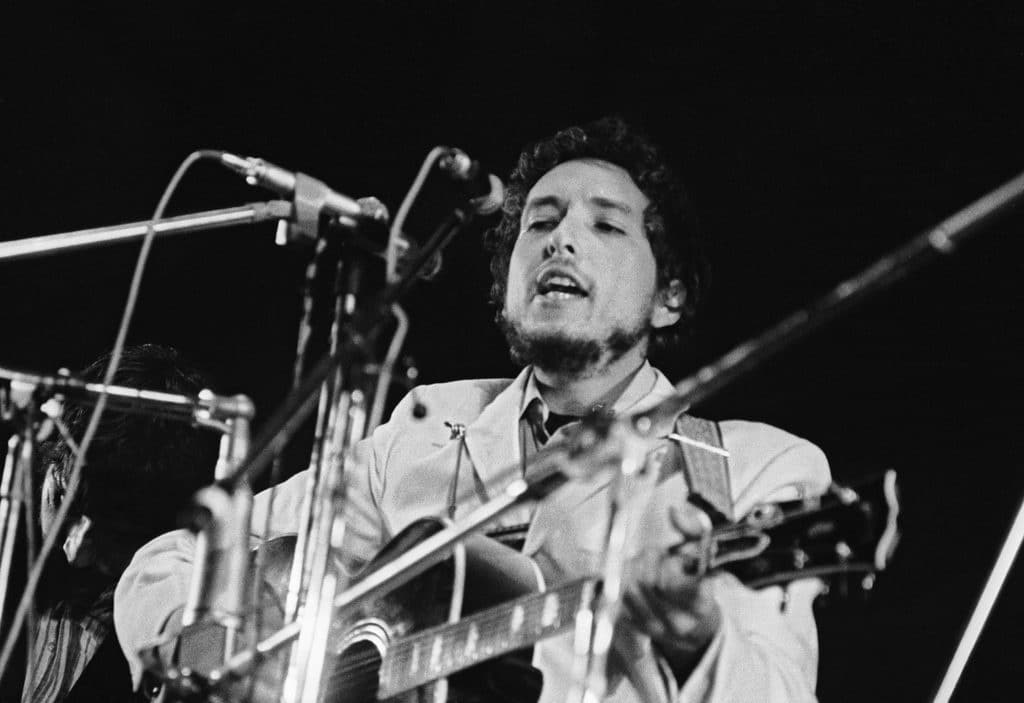
Before the modern lexicon of festival exclusives and branded VIP areas existed, Isle of Wight organisers pulled off a legendary coup for their second-ever edition in 1969 by securing Bob Dylan. This marked Dylan’s first live performance in three years, following the motorcycle accident that had left the global music community wondering if he would ever tour again.
Rejecting the countercultural pull of Woodstock—which had been staged deliberately in his home territory to tempt him out of semi-retirement—Dylan chose the Isle of Wight instead. An estimated 250,000 people converged on the island, doubling its local population. The audience famously read like a roll call of rock nobility, including three members of The Beatles (John Lennon, George Harrison, and Ringo Starr) alongside Keith Richards. Backed by The Band, Dylan delivered live debuts for tracks like "Lay Lady Lay" alongside timeless anthems such as "It Ain’t Me Babe" and "Like a Rolling Stone," instantly cementing the festival on the international stage.
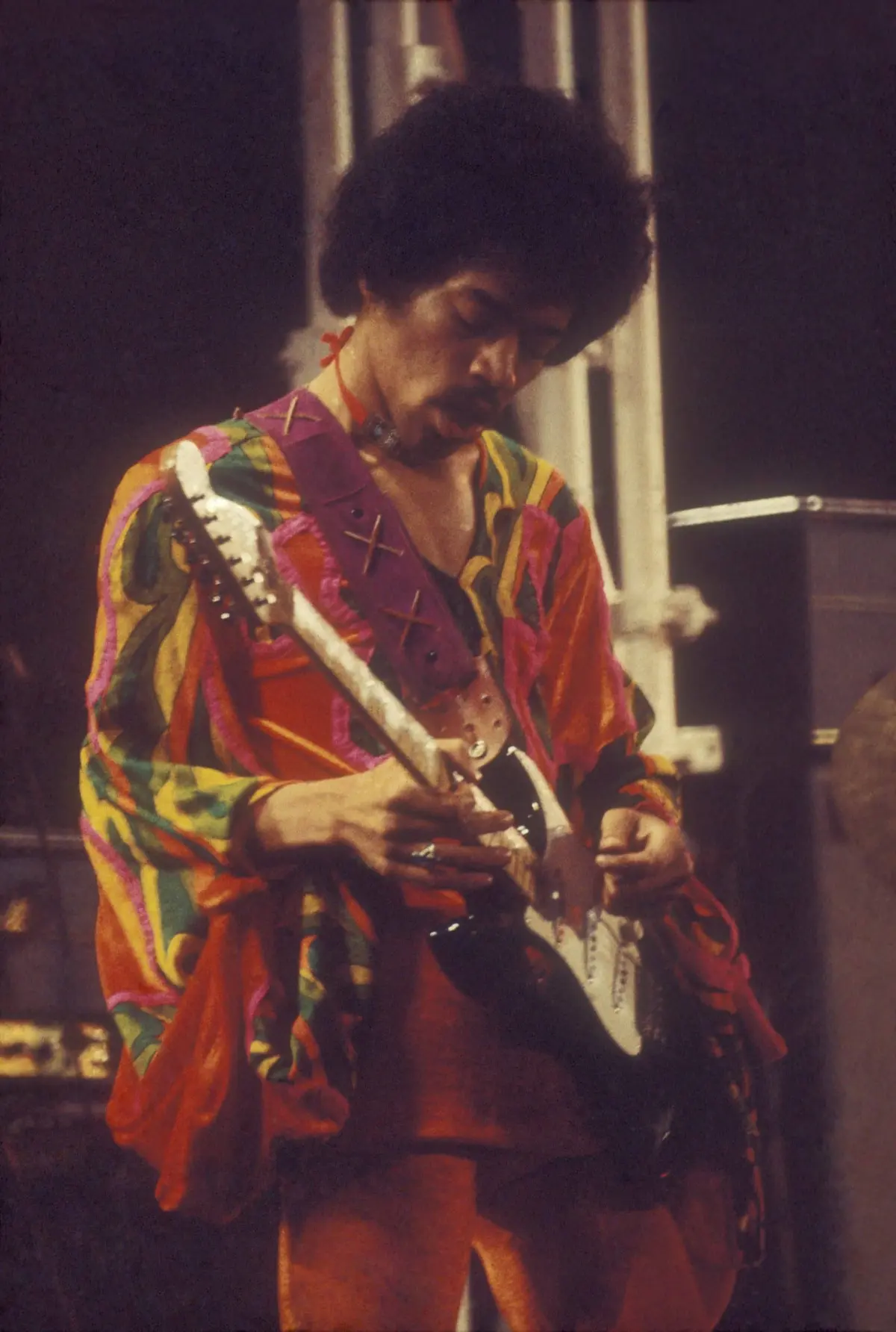
1970: Jimi Hendrix and the Peak of 1960s Excess
If Dylan put the festival on the map, Jimi Hendrix’s 1970 performance defined its mythology. Headlining alongside The Doors and The Who, Hendrix drew a staggering crowd of approximately 600,000 people—surpassing even Woodstock and standing to this day as the largest festival attendance in UK history.
Fronting his new musical iteration, the Band of Gypsys, Hendrix tore through iconic numbers like "Purple Haze" and "Hey Joe," as well as newer material like "Ezy Rider" and "Message to Love." The sheer logistical overload of that weekend, however, had profound political consequences: Parliament subsequently passed the "Isle of Wight Act," restricting open-air gatherings on the island for crowds exceeding 5,000 people for the next three decades. Today, Hendrix’s legacy permeates the festival’s very iconography, immortalised by a bronze statue at the event’s original Afton Down site.
2004: David Bowie’s Triumphant Return
Following a 30-plus-year legislative hiatus, the festival was successfully revived at Seaclose Park. But it was in 2004, when the chameleonic king of pop and rock, David Bowie, took the summit, that the event truly re-entered the global big leagues.
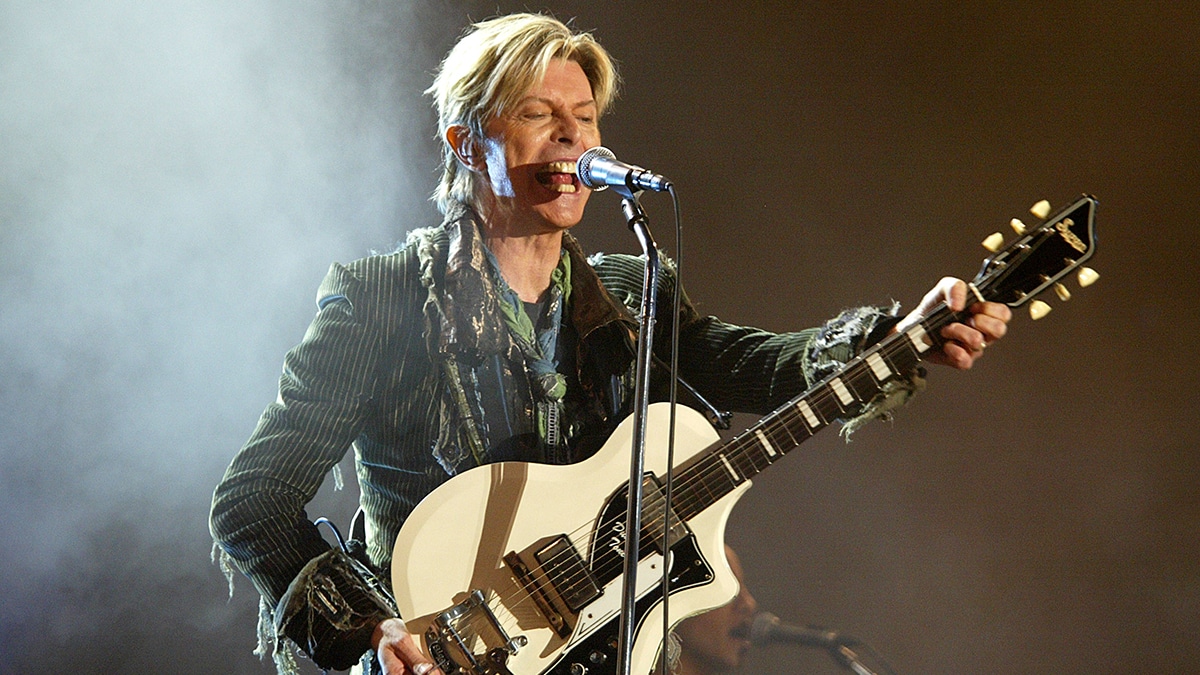
During his A Reality tour—his first in nearly a decade—a remarkably youthful 57-year-old Bowie delivered a masterclass in setlist curation. Rather than relying heavily on contemporary material, he traversed decades of his discography, throwing in Iggy Pop covers from his Berlin era, a Pixies cover, and a soaring rendition of Mott the Hoople’s "All the Young Dudes." Concluding with an emotional, fist-pumping rendition of "Ziggy Stardust," the performance carried added historical gravity: it would mark Bowie’s final ever live tour before his retirement from the road two years later.
2005: R.E.M. and Last-Minute Resilience
The 2005 installment tested the operational agility of the festival when Saturday night headliner Morrissey dropped out at the last minute. Though Travis stepped in admirably, the pressure shifted decisively to Sunday night closer R.E.M.
Frontman Michael Stipe, sporting his trademark blue face paint, commanded the stage against a shimmering backdrop of lights and mirrors. Admitting they signed on purely due to the festival’s illustrious heritage, the alternative rock pioneers delivered an exquisite, career-spanning set that validated the event’s growing reputation for world-class curation.
2007: The Rolling Stones and Amy Winehouse
The Rolling Stones have spent decades dismantling arguments about rock longevity through sheer, undiminished stage presence. For their 2007 headline set, they gave the Isle of Wight audience a once-in-a-lifetime moment: a blistering duet of "Ain’t Too Proud to Beg" featuring the late, great Amy Winehouse.
Mick Jagger, Keith Richards, Ronnie Wood, and Charlie Watts also ensured maximum crowd immersion by utilising a mechanical platform that physically transported the entire band out into the middle of the audience during "Miss You," leaving a lasting blueprint for stadium-sized spectacle.
2008: The Police’s Brief Reconciliation
Despite notorious, decades-long internal frictions, Sting, Andy Summers, and Stewart Copeland put their grievances aside for a blockbuster global reunion tour that touched down at Seaclose Park in 2008. Operating with the visceral tension and razor-sharp musicianship that defined their early days on the London punk circuit, The Police delivered a performance that, aside from a slightly over-sentimental "Every Breath You Take," went straight into the festival history books.
2009: Neil Young’s Belligerent Brilliance
When Neil Young headlined in 2009, a minor Facebook petition circulated among attendees who had bizarrely mistaken the "Godfather of Grunge" for crooner Neil Diamond. True to form, Young responded with uncompromising sonic defiance, constructing a setlist that effortlessly spanned fragile folk, politically charged countercultural anthems, and feedback-drenched guitar workouts.

Yielding briefly to fan favorites with "Heart of Gold" for the "alcoholics in the crowd," Young closed his set with an earth-shattering rendition of "Rockin’ in the Free World" and a searing cover of The Beatles’ "A Day in the Life," leaving festival-goers enveloped in a wall of amplifier feedback until the early hours of Monday morning.
2010: Jay-Z, Kanye, and Hip-Hop Royalty
The 2010 festival arguably hosted the finest trio of headliners since 1970, featuring The Strokes at their zenith, Sir Paul McCartney, and hip-hop royalty Jay-Z. Hova paid tribute to Hendrix with a cover of "Purple Haze" and encouraged a sea of festival-goers to flash the Roc Nation diamond sign.
The crowning moment, however, arrived when Kanye West was flown in via helicopter for a solitary song—their massive collaborative hit "Run This Town"—before immediately departing. The surprise cameo left both the audience and promoter John Giddins utterly stunned, with Giddins recalling thinking "the earth was shaking."
2015: Fleetwood Mac’s Solent Pilgrimage
Long rumored for rival festivals, Fleetwood Mac chose the Isle of Wight for their triumphant UK return in 2015, featuring the newly reinstated Christine McVie alongside the classic Rumours-era lineup. Opening with "The Chain" and closing with the defiant optimism of "Don’t Stop," the soft-rock icons delivered a masterclass in vocal harmony and timeless songwriting.
2016: Queen and Adam Lambert’s Flamboyant Triumph
Skeptics questioned how Queen could headline without the irreplaceable Freddie Mercury, but vocalist Adam Lambert quickly dispelled any doubts. Bringing a theatrical, high-fashion campness to Queen’s catalog—which Mercury himself would have undoubtedly championed—Lambert hit the soaring highs of "One Vision" and "Tie Your Mother Down," while offering deep emotional resonance on "Who Wants to Live Forever." The late Mercury made a poignant digital appearance during "Bohemian Rhapsody," cementing a partnership that proved Queen’s music remains eternally vital.
2024: Green Day’s Punk Rock Masterclass
Celebrating 30 years of punk longevity, Green Day bypassed traditional UK festival stomping grounds in 2024 to headline the Isle of Wight. Billie Joe Armstrong praised the relentless energy of the crowd, noting, "England knows how to do this shit." Ranging from Dookie deep cuts to American Idiot anthems, the set reached its emotional apex when a passionate young fan was invited on stage to scream the lyrics to "Know Your Enemy," securing the performance an instant place in festival folklore.
Supporting Context & Metrics
The modern Isle of Wight Festival operates as a finely tuned economic and cultural powerhouse, a far cry from the unmanaged chaos of 1970.
- Economic Impact: The festival contributes millions of pounds annually to the local Isle of Wight economy, boosting tourism, hospitality, and transport networks across the Solent.
- Capacity and Scale: Seaclose Park routinely welcomes tens of thousands of music fans daily, balancing massive arena-scale production with the intimate charm of a boutique island getaway.
- Demographic Shift: While retaining its core demographic of classic rock and pop aficionados, the festival has successfully captured younger generations through strategic bookings spanning hip-hop, modern alternative rock, and electronic dance music.
Official Statements and Industry Perspective
Promoter John Giddins, who masterminded the 2002 revival, has consistently highlighted the unique logistical charm and cultural gravity of booking the island. Reflecting on the festival’s history of surprise moments—such as Kanye West’s helicopter arrival during Jay-Z’s 2010 set—Giddins noted the incomparable energy of the Seaclose Park crowds:
"When Jay-Z was on, I thought an audience couldn’t go more wild—and then Kanye West walked on. It was extraordinary, the way people erupted… I thought the earth was shaking!"
Similarly, visiting artists frequently emphasize the distinct atmosphere of performing offshore. Green Day frontman Billie Joe Armstrong encapsulated the sentiment of international headliners after their 2024 triumph, stating flatly: "England knows how to do this shit, that’s for sure."
Future Outlook: The Silver Jubilee and Beyond
As the Isle of Wight Festival looks toward its landmark silver jubilee from June 17–20, 2027, the event continues to refine its formula. With heavyweights Robbie Williams, Fatboy Slim, and Kings of Leon confirmed as the headline acts for 2027, the festival proves that its curatorial philosophy remains unchanged: pair stadium-ready, generational singalongs with an idyllic, escapist atmosphere.
For promoters, artists, and attendees alike, the Isle of Wight remains much more than a weekend getaway. It is a living, breathing museum of modern music history—a place where the ghosts of Hendrix and Bowie walk shoulder-to-shoulder with the modern titans of pop, rock, and electronic culture, ensuring that the soundwaves across the Solent will echo for decades to come.