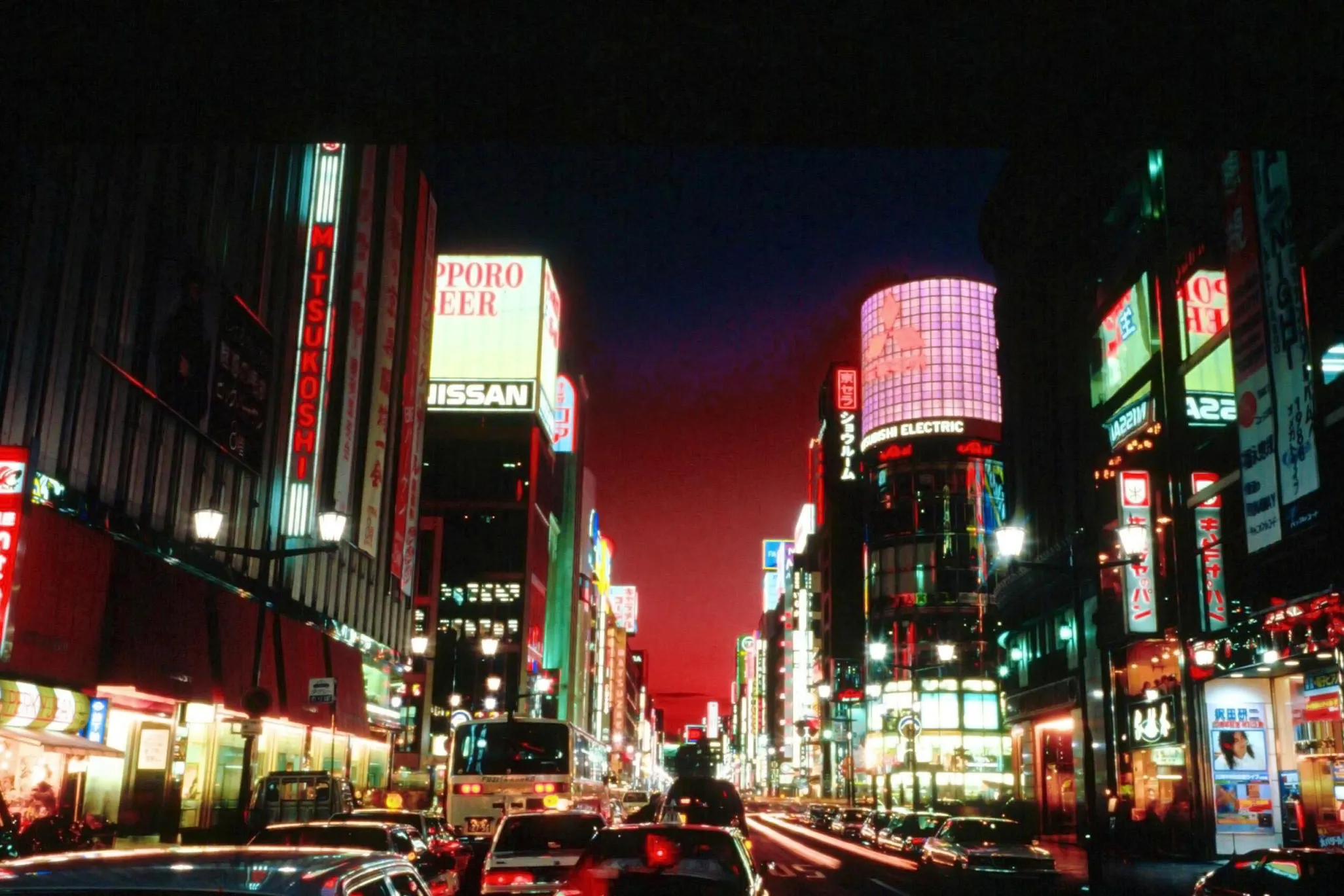
Sun-soaked, geometric vistas stretch out unmarred, while artificially perfect palm trees stand sentinel against an impossibly azure sky. Neon signs glow in iridescent shades of pink and violet, towering skyscrapers pierce the nocturnal fog, and litter-free freeways trace a path toward an urban existence of endless romance and possibility.
More so than almost any other genre in modern music history, "city pop"—the umbrella term for Japan’s glossy, sophisticated pop music of the late 1970s and 1980s—describes an entire culture rather than a mere sonic palette. It is simultaneously an era, an aesthetic, a vibe, a feeling, and a lifestyle.
As the genre approaches a landmark celebration in August 2026—highlighted by guitar virtuoso Masayoshi Takanaka headlining City Pop Waves at the Crystal Palace Bowl, London’s first-ever outdoor festival dedicated exclusively to the movement—the global fascination with city pop has graduated from a niche internet subculture to a fully realized mainstream revival. Fuelled by a sleek, sunlit blend of jazz fusion, funk, soul, disco, boogie, and synth-pop, this music has travelled far beyond its geographical and temporal origins to captivate a brand-new worldwide audience.
To mark this cultural resurgence, we turn to Rough Trade Nottingham’s resident city pop specialist, Jono Beard. Below, Beard curates ten essential Japanese city pop albums spanning its golden era, offering a masterclass in a sound that once soundtracked Japan’s soaring economic bubble and now fuels the global imagination.
Detailed Chronology: Ten Essential Records of the City Pop Era
Japan commanded the second-largest music market in the world during the height of this creative explosion, yielding a treasure trove of artists, groups, and albums that defy exhaustive listing. However, tracing the genre chronologically reveals its evolution from underground "new music" into a commercial, high-tech juggernaut.
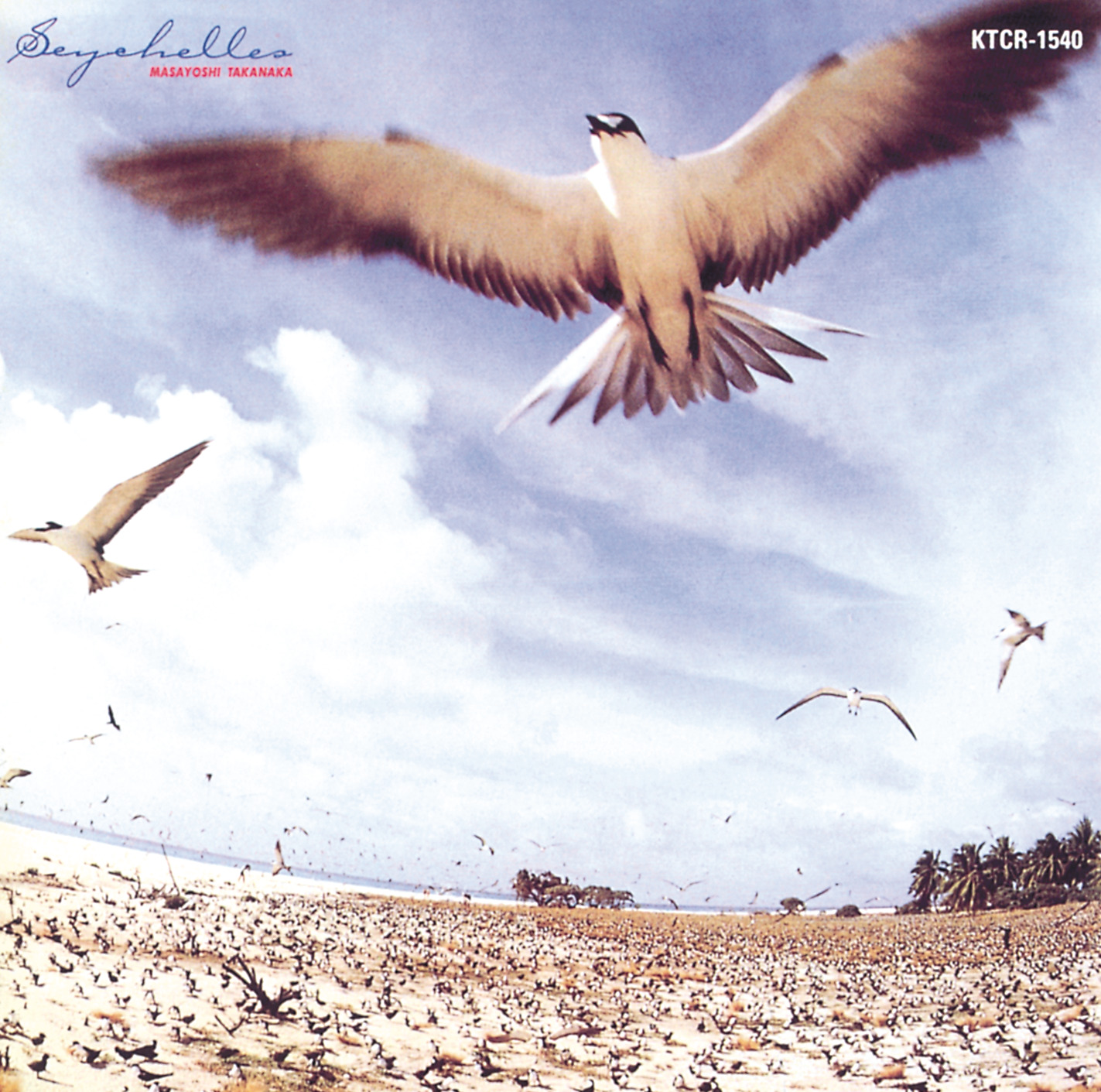
1. Masayoshi Takanaka – Seychelles (1976)
Released in the summer of 1976, Seychelles stands as a quintessential release and one of the earliest blueprints for the genre (pipped to the post by only a few seminal records from the previous year, such as Sugar Babe’s Songs). While its roots lie firmly in jazz fusion—with Takanaka’s virtuosic guitar lines drawing frequent comparisons to Carlos Santana—the album’s vibrant, breezy, funky, and tropical energy arguably codified much of the mood the world would come to know as city pop. Much like Western yacht rock, these songs are light and effortless on the surface, anchored entirely by masterclass musicianship. Takanaka’s intricate arrangements showcased an artist fully formed as an auteur right out of the gate.
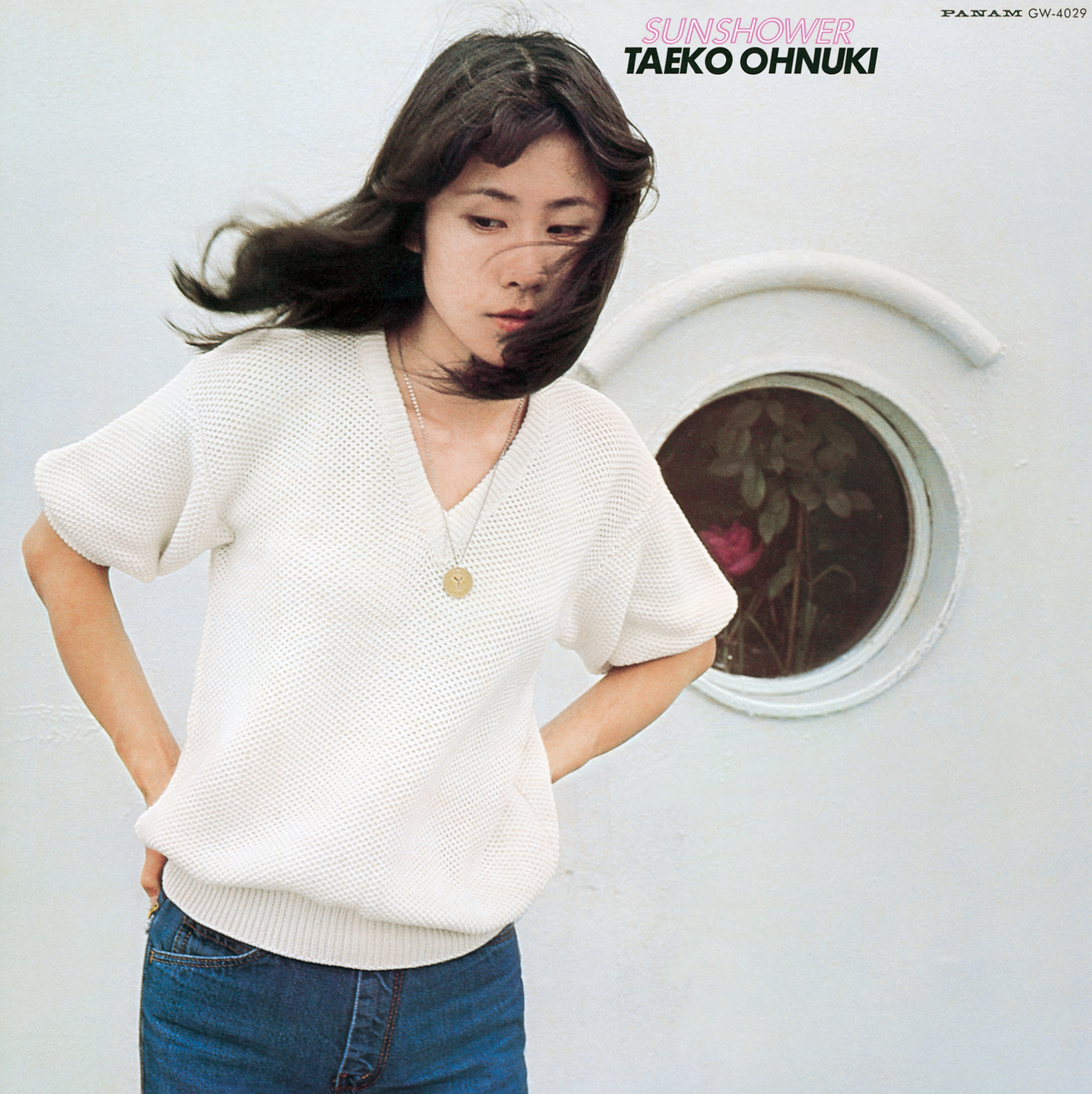
2. Taeko Ohnuki – Sunshower (1977)
A founding member of Sugar Babe, Taeko Ohnuki followed up on the promise of that band (and her 1976 solo debut, Grey Skies) with her sophomore masterpiece, Sunshower. Acclaimed internationally for over a decade, this record captures the transitional period of "New Music" pivoting steadily toward the commercial, funky sound that would dominate the 1980s. The intricate, groove-heavy arrangements—crafted by a pre-Yellow Magic Orchestra Ryuichi Sakamoto—are beautifully offset by Ohnuki’s vocals: pure, airy, and high, leaning into a quirky charm rather than conventional sensuality. Sakamoto also contributes rippling, otherworldly synths to the spooky penultimate track, Sargasso Sea.
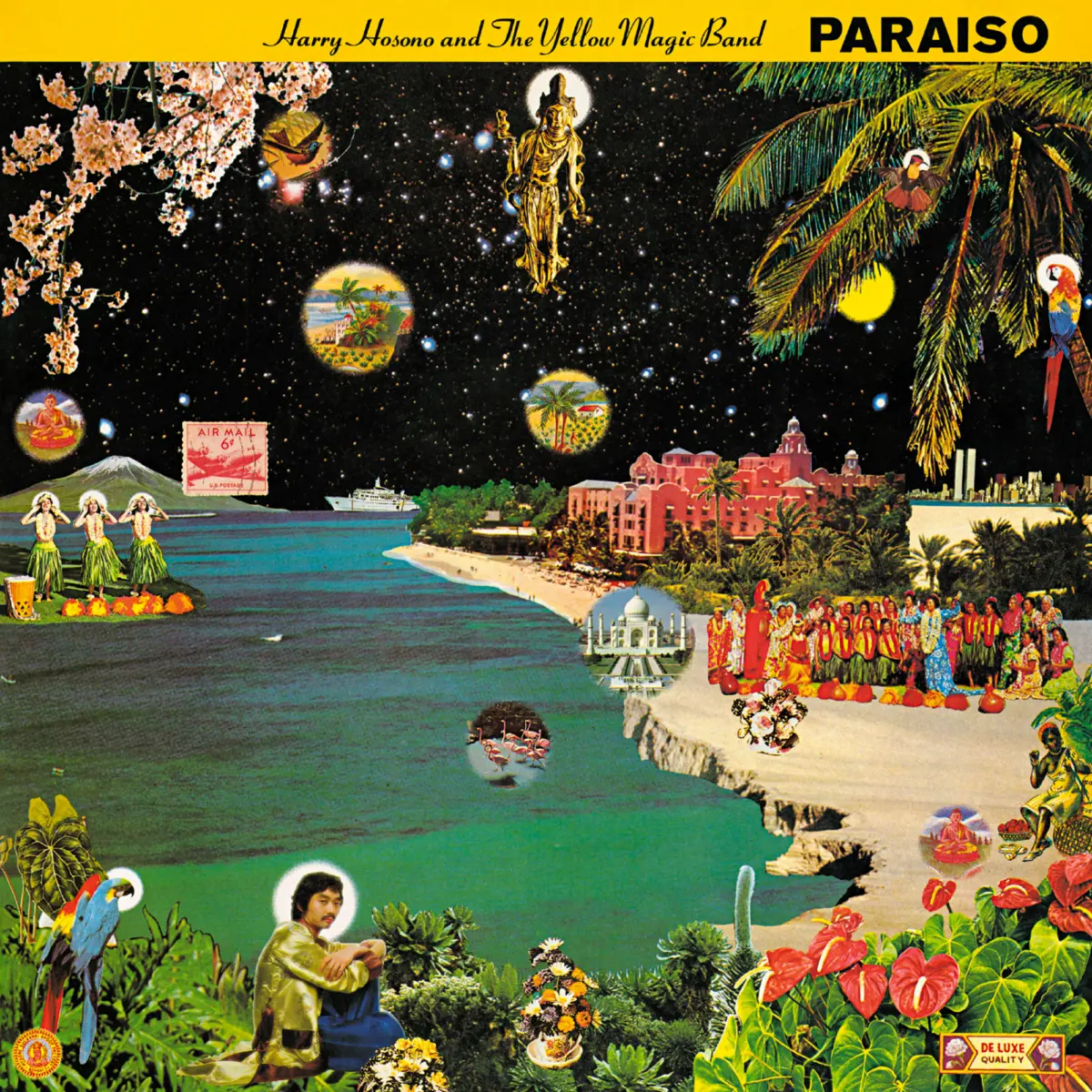
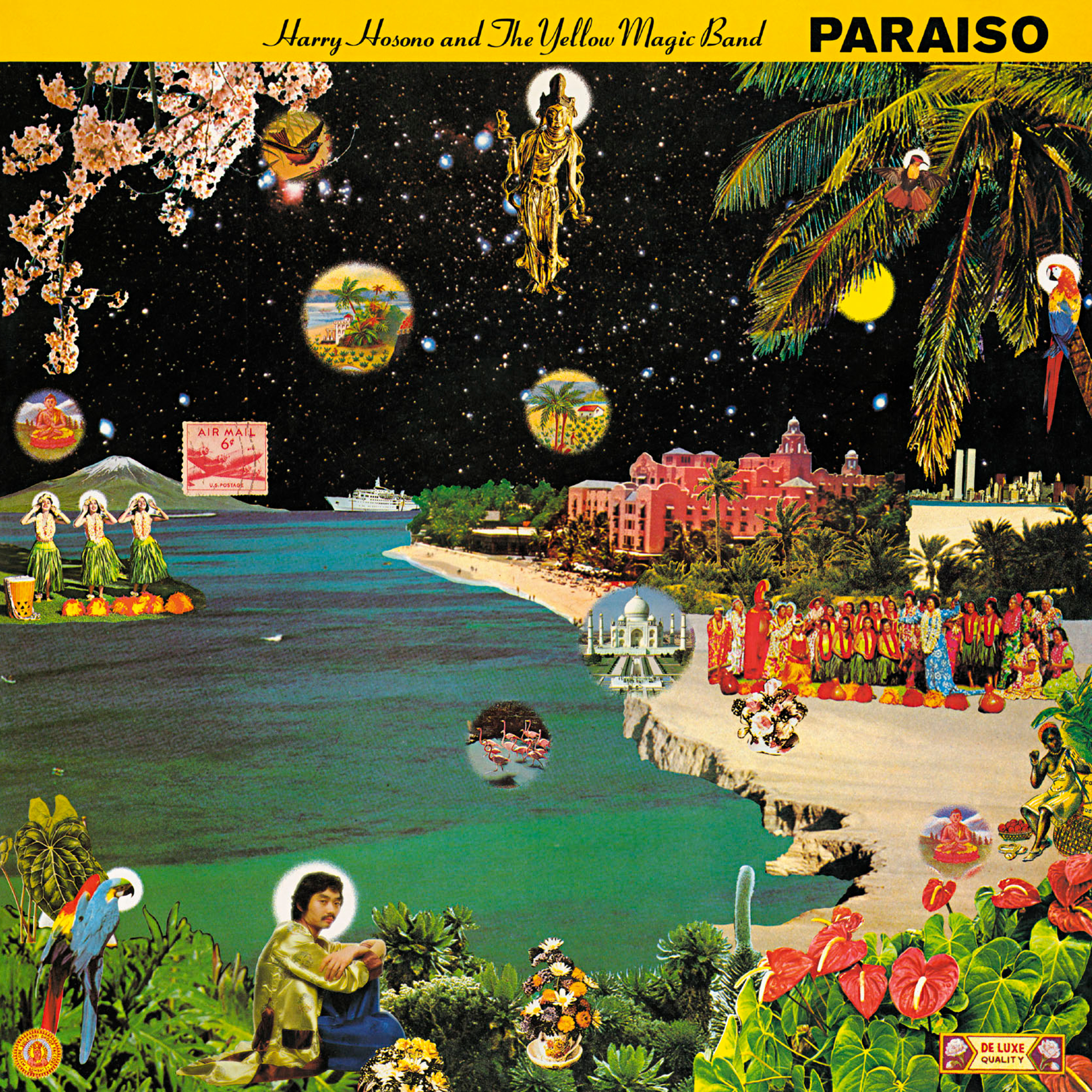
3. Haruomi Hosono – Paraiso (1978)
Easily one of the more eccentric albums of the era, Paraiso leans into the whimsical, avant-garde side of Japanese pop culture. Yet, above all else, it remains a supremely uplifting, psychedelic pastiche of exotica and tropicalia that feels entirely unique. Imagine a sonic collision of Little Feat fronted by Bill Withers and produced by Les Baxter. As the legendary co-founder of both Happy End and Yellow Magic Orchestra, Hosono utilized Paraiso to push the boundaries of rhythm and mood, proving that city pop could stretch far beyond urban romanticism into sun-drenched, hallucinatory territory.
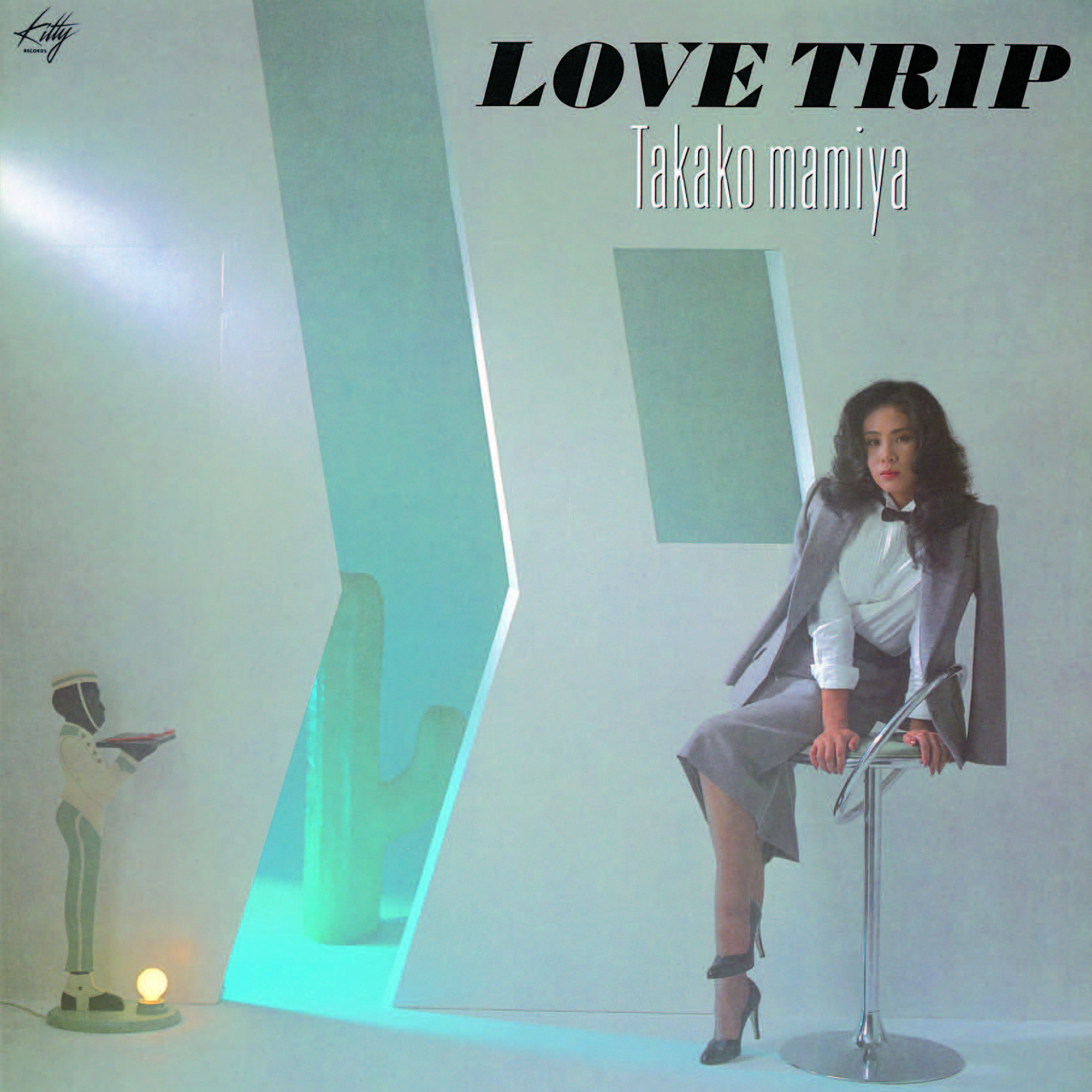
4. Takako Mamiya – Love Trip (1982)
From its effortlessly classy sleeve to its iconic Kitty Records center label, Love Trip screams "cult classic" even before the needle drops. Add to that the enigmatic mythology of Mamiya herself—this remains the only studio album she ever recorded—and you have all the ingredients for an internet-era legend. Fortunately, the music delivers. Straddling the intersection of city pop, sophisti-pop, and smooth jazz, these tracks would feel right at home on a playlist alongside Roxy Music’s Avalon, Randy Crawford’s Secret Combination, or Everything But The Girl’s The Language Of Life. It is sophisticated, opulent, and dripping with late-capitalist yuppie ennui.
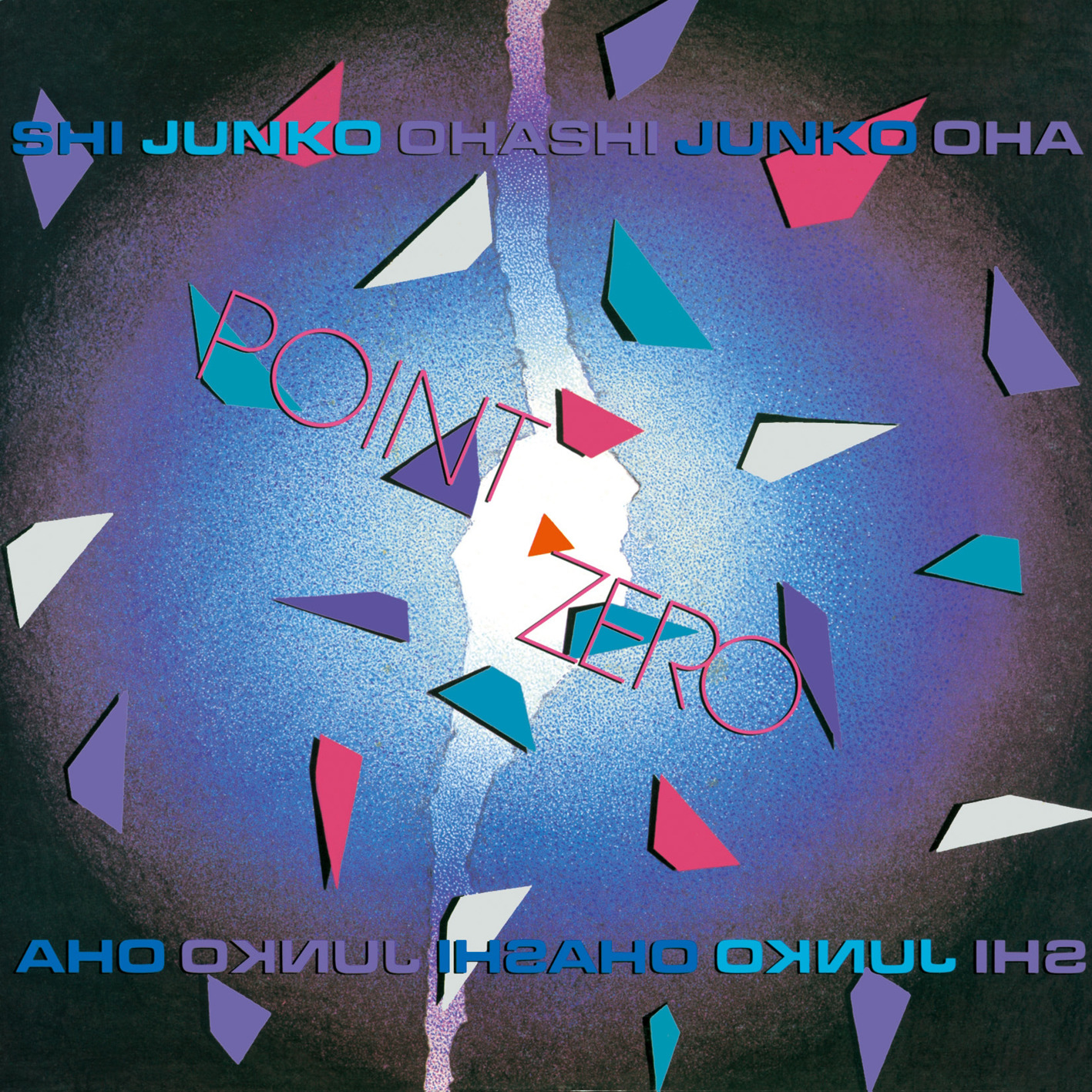
5. Junko Ohashi – Point Zero (1983)
While Junko Ohashi is widely celebrated for her powerhouse vocals—frequently highlighted on her definitive compilation Magical—her 11th studio album, Point Zero, offers a far more compelling journey. Recorded in New York with an ensemble of elite session players, it is an adventurous, kaleidoscopic post-disco record. Bookended by the gold-standard boogie classic Dancin’ and the impossibly catchy closer Sugao no Mama de (arguably one of the finest city pop songs ever recorded), the futuristic Sensual Night proves Ohashi possessed a forward-thinking musical sensibility well ahead of her time.
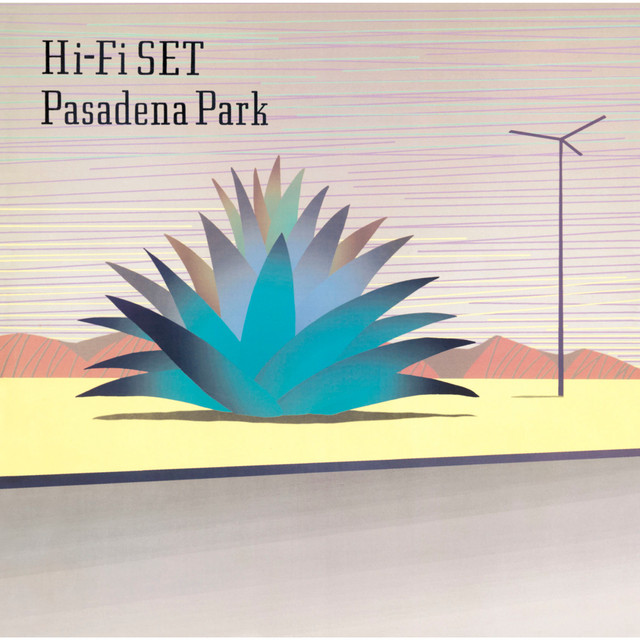
6. Hi-Fi Set – Pasadena Park (1984)
Rising from the ashes of the folk-oriented Akai Tori (The Red Birds), Hi-Fi Set pivoted toward lush, jazz-infused vocal harmonies underpinned by funk rhythms and a cinematic sheen reminiscent of Manhattan Transfer. By 1984, their sound had evolved into the decadent, high-gloss sophisti-pop that came to define the mid-80s Japanese metropolis. With minimalist, Japanese-Americana cover art and an aesthetic crossing Swing Out Sister with The Carpenters, Pasadena Park stands as a textbook example of peak-era city pop.
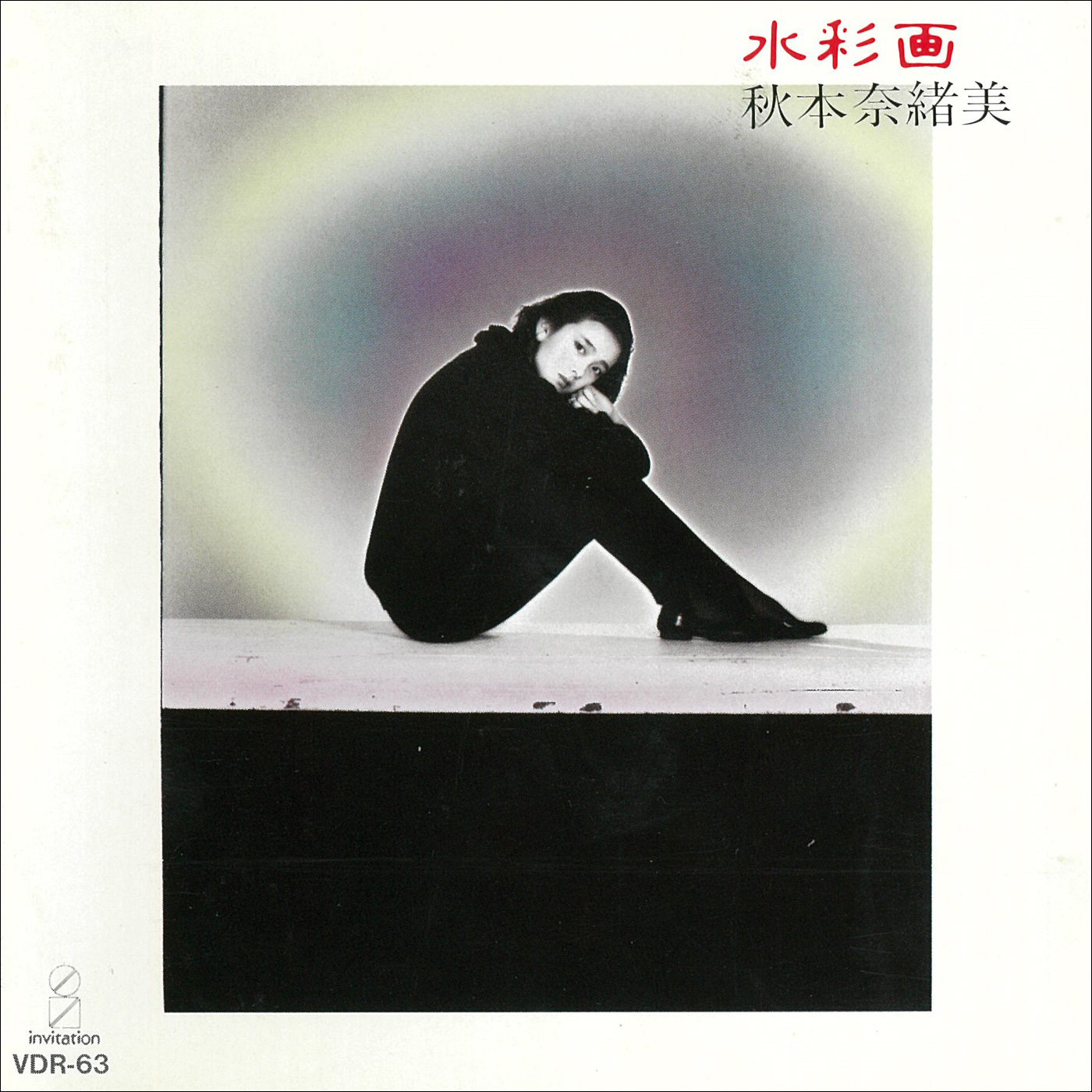
7. Naomi Akimoto – Suisaiga (1984)
While Naomi Akimoto’s catalog is relatively well-known within die-hard circles, Suisaiga ("Watercolour Painting") remains criminally underrated and entirely singular. The album defies easy categorization: imagine a dub remix of the backing track to Jennifer Rush’s The Power of Love, stripped of its bass and traditional instrumentation, leaving only sweeping synthesizers, a crisp drum machine, cavernous reverb, and deeply understated vocals. Uniquely un-funky and overcast, it offers an ethereal precursor to what modern listeners might classify as alternative R&B.
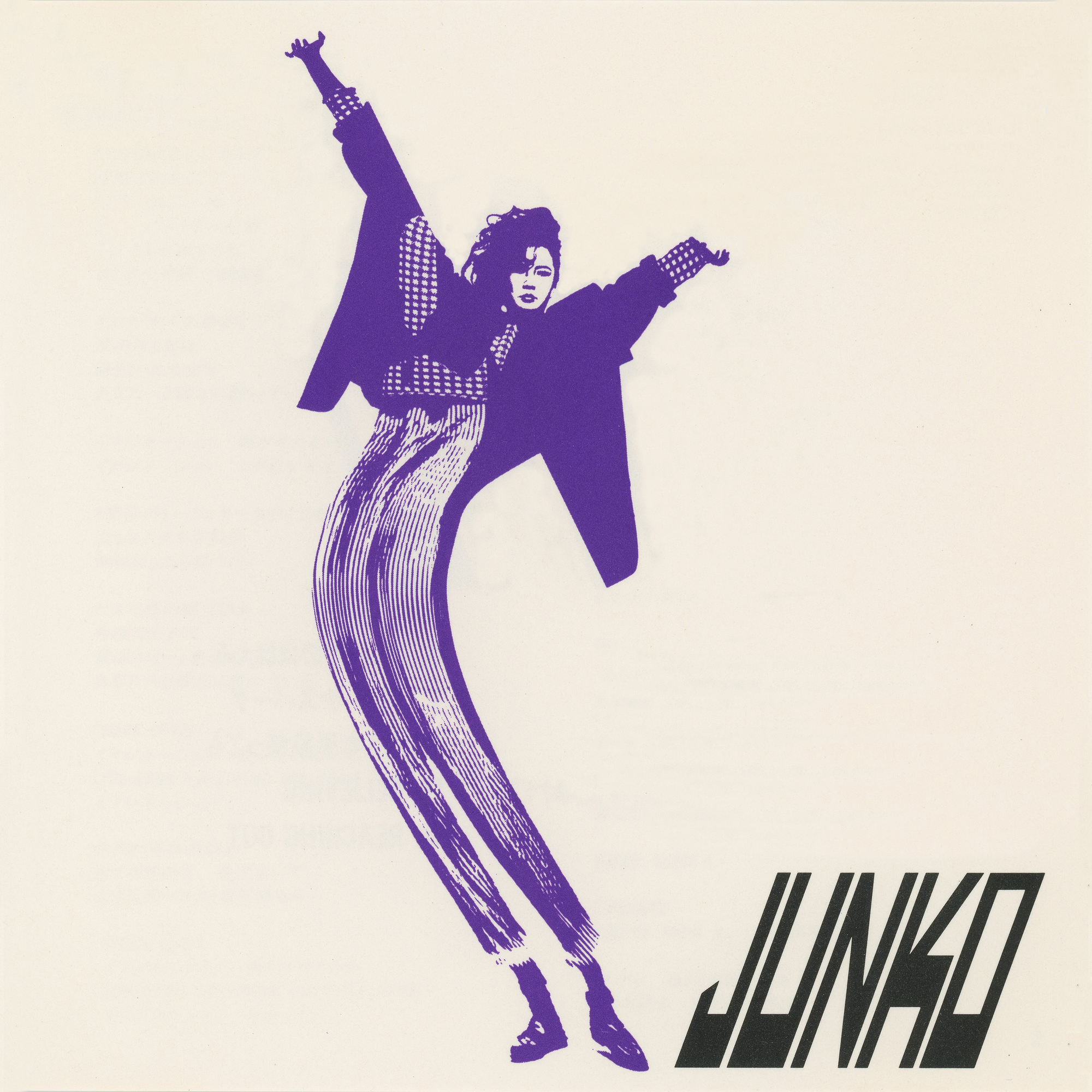
8. Junko Yagami – Communication (1985)
Junko Yagami’s discography is flush with masterworks like The Best, Lonely Girl, and Full Moon, but Communication stands as her most cohesive full-length statement. Her first release after signing to Moon Records, the album advanced her sound into a digital, Hi-NRG, synth-funk playground. Featuring a zany, Jean-Paul Goude-inspired album cover, the Madonna-esque title track, and the electronic reggae-pop of Johannesburg, Communication acts as a vibrant time capsule transporting listeners directly into an idealized, futuristic mid-1980s Tokyo.
9. Rajie – Espresso (1985)
Another unconventional entry, Rajie’s seventh and final studio album, Espresso, captures a uniquely Japanese, wintry vision of dream pop, predating similar Western movements by years. The core hallmarks are present in abundance: ethereal vocals, dreamlike synthesizers underlining chorused guitars, and cavernous layers of reverb. Yet, unlike more austere ambient releases, the compositions retain a bright, accessible pop undercurrent that keeps the record grounded without sacrificing its otherworldly atmosphere.
10. RA MU – Thanks Giving (1988)
For fans familiar with Momoko Kikuchi’s iconic solo work like Ocean Side or Adventure, her pivot into the short-lived group RA MU (a transliteration of l’amour) represents the ultimate evolution of the idol-meets-city-pop crossover. Fronted by Kikuchi alongside powerhouse American backing vocalists Rosalyn Renee Keel and Darelle-Foster Holden, the group blended Kikuchi’s signature breathy delivery with American R&B, funk, and new jack swing. The result is a sparkling, rhythm-heavy masterclass that closed out the decade in high style.
Supporting Context & Metrics: The Anatomy of a Phenomenon
To understand why city pop continues to captivate global audiences decades after the Japanese asset price bubble burst, one must examine the socio-economic context of its creation.
The Economic Catalyst: During the late 1970s and 1980s, Japan experienced an unprecedented economic boom. Flush with disposable income, a newly confident urban class (the shinjinrui, or "new human race") sought out leisure, luxury consumer goods, and sophisticated entertainment.
Musical Syncretism: Japanese songwriters and arrangers—many trained in traditional composition as well as American folk, jazz, and soul—had access to state-of-the-art recording technology far earlier than many of their Western counterparts. The integration of Yamaha synthesizers, LinnDrum machines, and lush string arrangements created a hyper-polished sound that prioritized technical excellence.
The Digital Diaspora: Decades later, YouTube algorithms, internet recommendation boards (such as Reddit and 4chan), and influential mix-uploaders serendipitously introduced these lost Japanese master tapes to a Western audience searching for escapism. The aesthetic synergy with vaporwave and retro-futurism cemented city pop as the undisputed soundtrack of internet nostalgia.
Official Statements & Cultural Significance
The enduring legacy of the movement is perhaps best contextualized by the artists and curators keeping the flame alive. Speaking on the curation of these essential records, Jono Beard of Rough Trade Nottingham notes:
"Perhaps more so than any other genre, the term ‘city pop’ describes more than just the sound of the music. It’s an era, but also an aesthetic, a vibe, a feeling, a lifestyle. It belongs to a time and a place that most Western fans will never know, and which maybe never truly existed."
Reflecting on the genre’s contentious terminology, scholars and purists often point out that what modern listeners call "city pop" was initially categorized in Japan simply as "New Music"—an underground rebellion against traditional kayokyoku (classic Japanese popular music) that embraced Western harmonic structures. Yet, as Beard points out, the modern democratization of music has turned these regional categorizations into a global vernacular:
"Japan had the second-largest music market in the world during this time, so there are many more artists, groups, and albums to mention than I’ll have room for here. But the great thing for anyone getting into city pop these days is that it’s becoming easier than ever to find on vinyl outside of Japan, thanks to record companies starting to import and repress it at an increasing rate to meet growing demand."
Future Outlook: The Global Resurgence in 2026 and Beyond
As the calendar turns toward the landmark events of August 2026—including Masayoshi Takanaka’s historic headlining set at the City Pop Waves festival at London’s Crystal Palace Bowl—it is evident that city pop is no longer bound by temporal or geographic constraints.
What began as localized radio soundtracks for high-rise commuters in Tokyo has transformed into a borderless, intergenerational language of groove and optimism. While glaring omissions inevitably haunt any top-ten list—from Tatsuro Yamashita’s omnipresent Ride On Time to celebrated works by Anri, Miki Matsubara, EPO, Minako Yoshida, and Tomoko Aran—the sheer breadth of the genre guarantees that the rabbit hole goes infinitely deep.
With record labels aggressively ramping up international vinyl pressings, and a new generation of musicians incorporating city pop’s gleaming harmonic DNA into contemporary indie, R&B, and dance music, the neon-lit highways of 1980s Tokyo remain open to anyone willing to take the ride.