Few figures in modern electronic music command the mythos, reverence, and enduring cultural curiosity of Richard D. James, universally known by his primary moniker, Aphex Twin. Emerging from the crucible of the early-1990s British rave scene, the Irish-born, Cornish-raised producer quickly established himself as electronic music’s most inventive, mercurial, and uncompromising architect. Spanning a career of over three decades, James has continually blurred the boundaries between organic warmth and mechanical chaos, high-art minimalism and abrasive terror.
To encounter Aphex Twin is to navigate an expansive landscape of paradoxical identities: he is simultaneously fêted as a generational electronic genius and dismissed by himself as a playful trickster. His influence permeates modern culture, stretching from the underground club circuit to the algorithmic virality of TikTok. This retrospective—anchored by a comprehensive deep dive into his primary album discography—explores how a producer who famously rejected the pretentious "intelligent dance music" (IDM) tag has evolved into an untouchable cultural enigma.
Detailed Chronology: The Evolution of a Sound
Ranking the discography of Aphex Twin is an exercise in subjective futility. Because his sound palette shifts so violently across releases—ranging from pastoral piano miniatures to white-hot breakbeat distortion—what one listener considers a masterwork, another might find impenetrable. Yet, tracing the lineage of his core albums reveals a brilliant trajectory of reinvention.
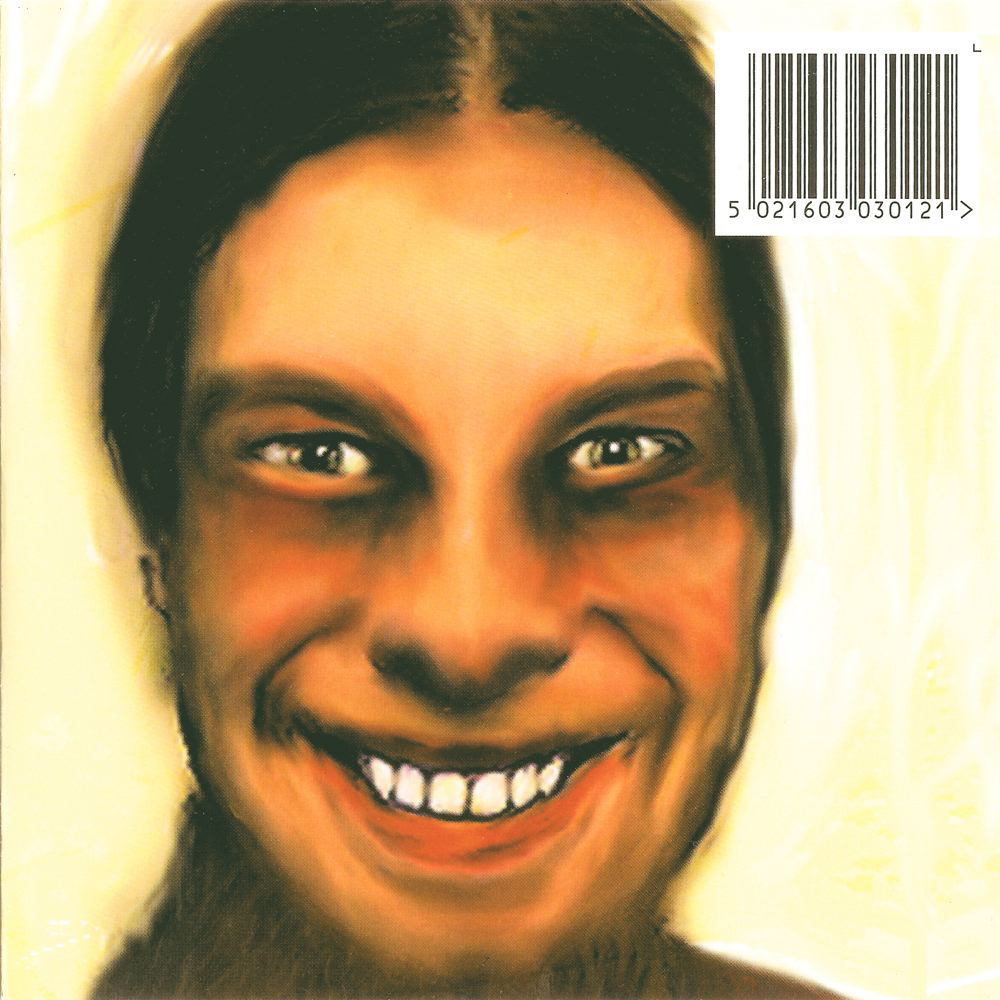
6. …I Care Because You Do (1995)
Following the vast, unstructured expanses of his ambient masterwork Selected Ambient Works Volume II, 1995’s …I Care Because You Do found James returning to a compilation of contrasting, highly idiosyncratic ideas. Shrouded in in-jokes and oblique references—such as the anagrammatic track title Acrid Avid Jam Shred (Richard D. James) or Ventolin, named after asthma medication and engineered to be aggressively breathless—the record bridged the gap between ambient depths and digital glitch.
In a 1995 interview with Paper Magazine, James admitted that the rhythmic, beat-heavy nature of the album was a direct, almost indifferent reaction to its predecessor:
"The tracks I chose were part of a conscious effort to be more conventionally accessible, featuring rhythm of some kind. I don’t really care, but I thought since the last one wasn’t [rhythmic], I’d make this one so it was."
Balancing trip-hop-leaning cuts like Cow Cud Is A Twin with the pristine, ambient textures of Alberto Balsalm, …I Care Because You Do remains a fascinating transitional artifact, even if it sits at the bottom of this specific ranking.
5. Selected Ambient Works Volume II (1994)
Clocking in at over two and a half hours, Selected Ambient Works Volume II is Aphex Twin’s definitive ambient statement. Inspired by lucid dreams and synesthesia, this sprawling double album is hailed by critics as a career-defining monument to minimalist mood-building.
The record is an exercise in environmental reflection. One moment washes the listener in nostalgic, melancholic warmth on tracks like #3 (affectionately dubbed Rhubarb by fans), while the next plunges them into an icy, sinister void on #4 or #24. While its lack of traditional track names and sprawling length demand profound patience, it remains a meditative masterclass that set the benchmark for ambient soundscaping for decades to follow.
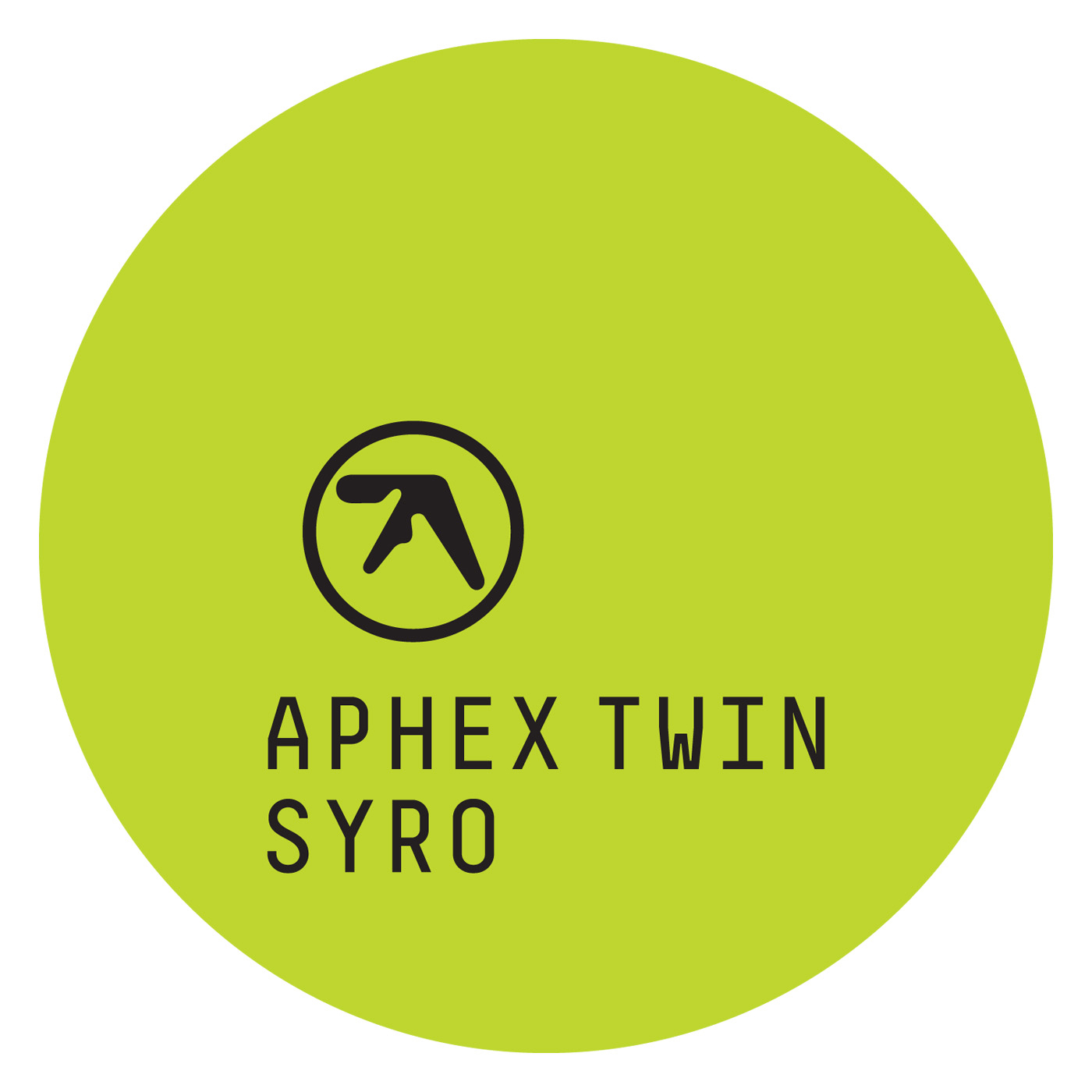
4. Syro (2014)
Arriving after a thirteen-year studio hiatus following 2001’s Drukqs, Syro was a triumphant, groove-heavy return. Though some critics initially argued it lacked the erratic eccentricities of his 90s output, Syro stands as one of his most cohesive and inviting records, steeped in electro and acid textures.
Though assembled across years in various studios, the album possesses a surprising domestic intimacy, featuring vocal snippets from James’s wife, children, and parents, alongside his own vocoded vocals on the breakbeat-driven opener minipops 67 [120.2]. The album concludes with aisatana, a heartbreaking acoustic piano piece dedicated to his wife (Anastasia spelled backwards). Speaking to Pitchfork around its release, James reflected on the pre-internet rave era that birthed his ethos:
"I used to love jungle. I still think it’s the ultimate genre, really, because the people making it weren’t musicians… There was only a couple of years where people didn’t know what they were doing, and you got all these samples that are just totally not related in pitch. I really hunt down those records."
3. Richard D. James Album (1996)
Brutally concise at ten tracks and thirty-two minutes, the Richard D. James Album wastes no time. Driven by hyper-detailed, fast-paced breakbeats, the record became a foundational blueprint for "drill and bass"—a subgenre prioritizing frenzied, highly syncopated, and chaotic percussion.
Having already pioneered the style on his Hangable Auto Bulb EP under the AFX pseudonym, James achieved a brilliant tonal friction here. By pitting frantic, high-speed drum programming against warm strings and fragile, pastoral melodies on tracks like Girl/Boy Song, he delivered peak Aphex Twin eccentricity, anchored by the delightfully squelchy Peek82454201.
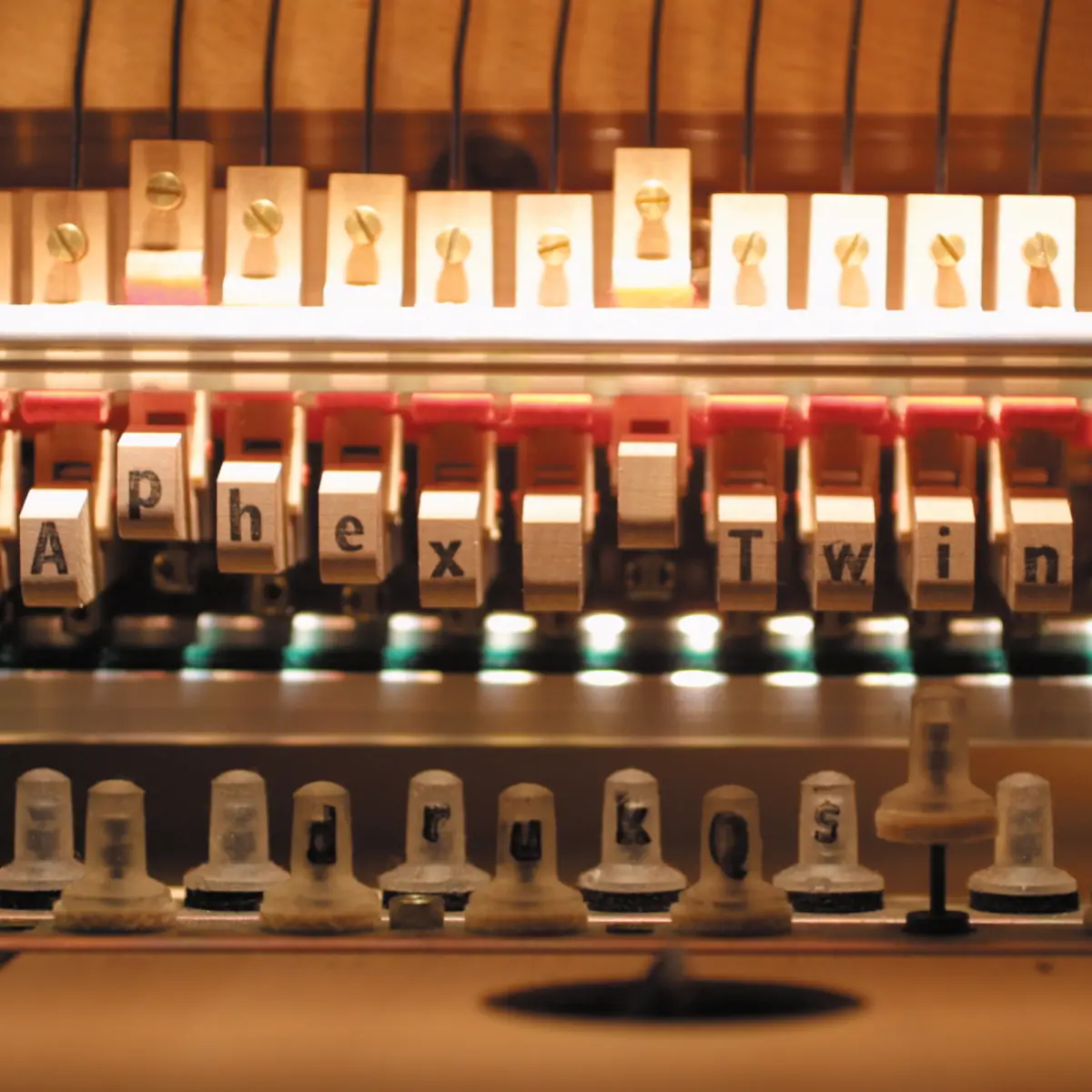
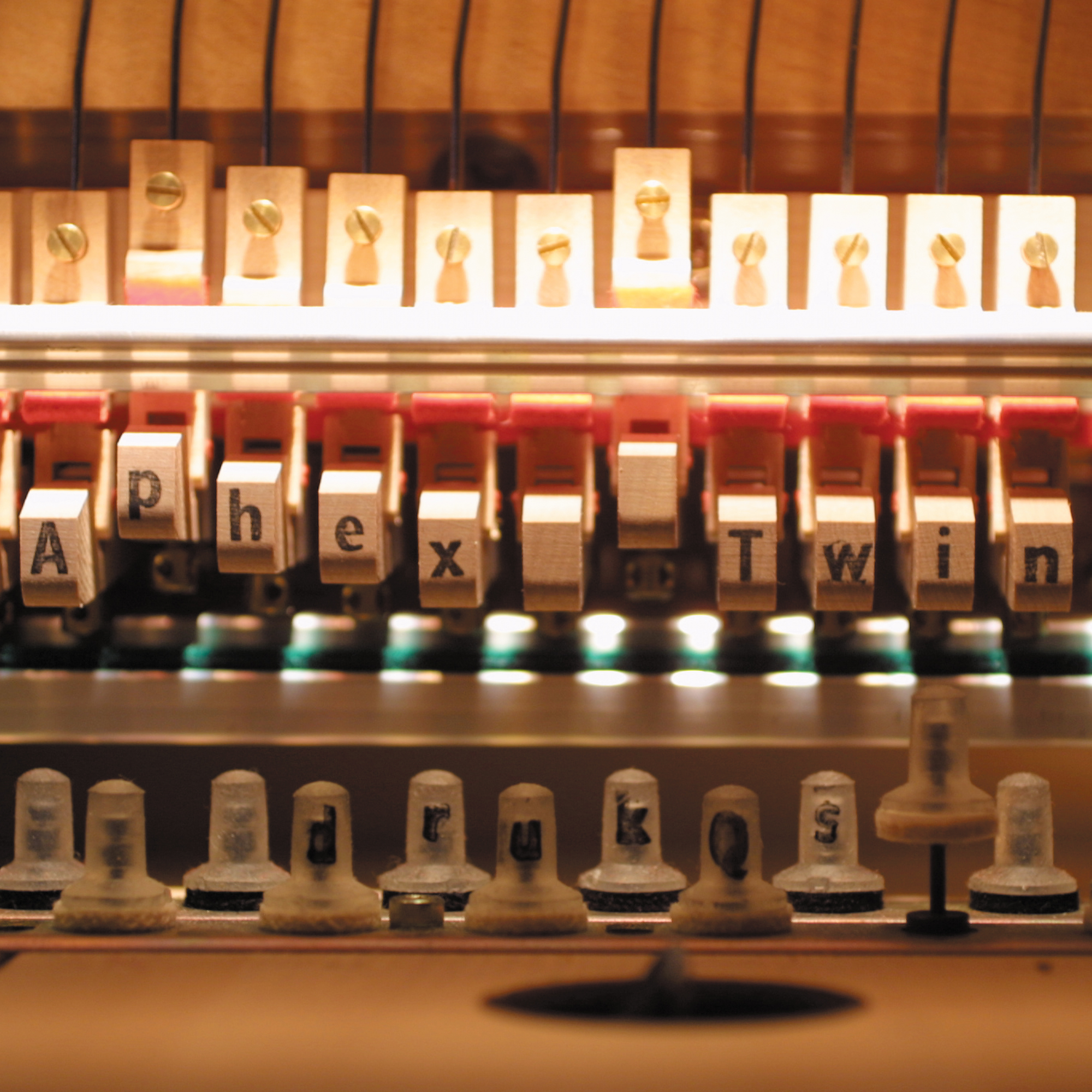
2. Drukqs (2001)
Often characterized as James’s ultimate "showing off" record, Drukqs is a massive, thirty-track, one-hour-and-forty-minute marathon that spans every conceivable extreme of his sonic spectrum. It houses both the skittery, mutating, drum-and-bass-on-acid assault of Vordhosbn and the delicate, minimalist piano grace of Avril 14th.
Though its whiplash-inducing genre shifts drew mixed contemporary reviews—with Pitchfork notoriously dismissing its piano miniatures as "languid noodlings" imitating Erik Satie—history has proven those critics wrong. The deeply emotive nature of tracks like Avril 14th, QKThr, and Jynweythek has secured Drukqs a permanent, vital place in contemporary pop culture.
1. Selected Ambient Works 85-92 (1992)
To journey through the Aphex Twin catalog is to inevitably return to the beginning. Selected Ambient Works 85-92 (SAW I) remains the quintessential Aphex Twin statement, encapsulating the expansive, gorgeous ambience that underpins his greatest work.
Even within its radiant framework, darkness lingers—manifested in the wicked acid bubbling of Green Calx. Yet, it is tracks like Xtal, Tha, Pulsewidth, and We Are The Music Makers that allow listeners to fully submerge themselves in his ethereal textures. Compiled from recordings spanning his youth, SAW I not only mapped out the future of electronic music but also introduced the iconic, alien-like ‘Aphex A’ logo designed by Paul Nicholson, cementing a timeless visual and sonic identity.
Supporting Context & Metrics: The Iconography and Internet Resurgence
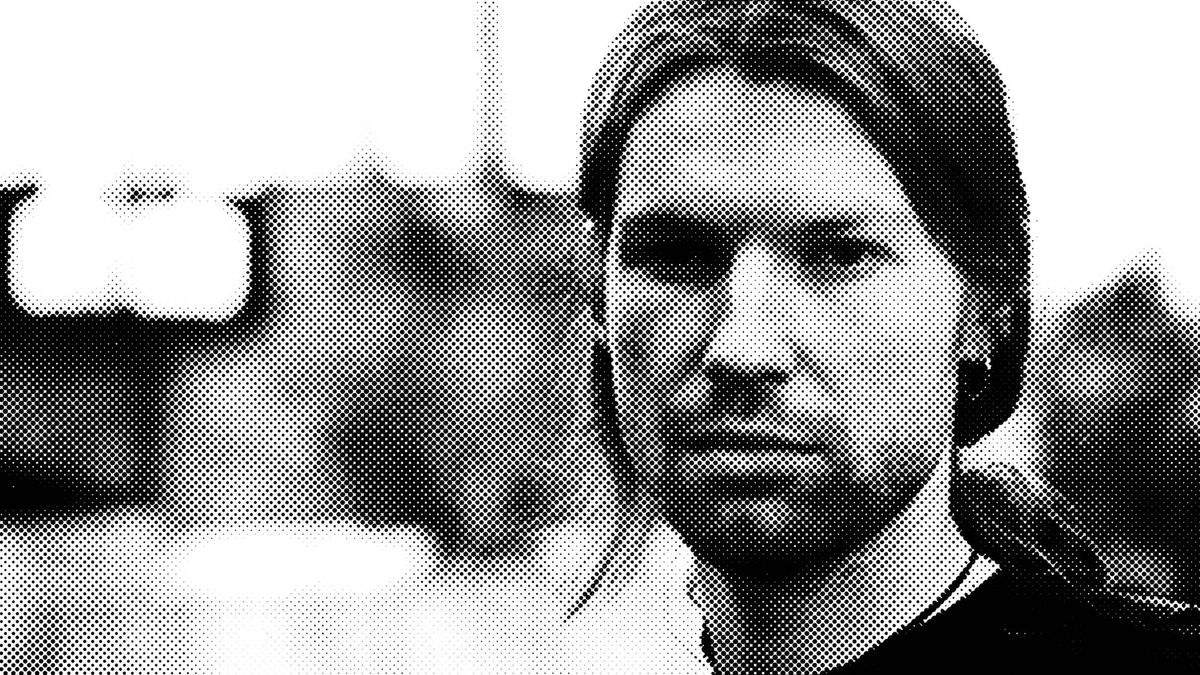
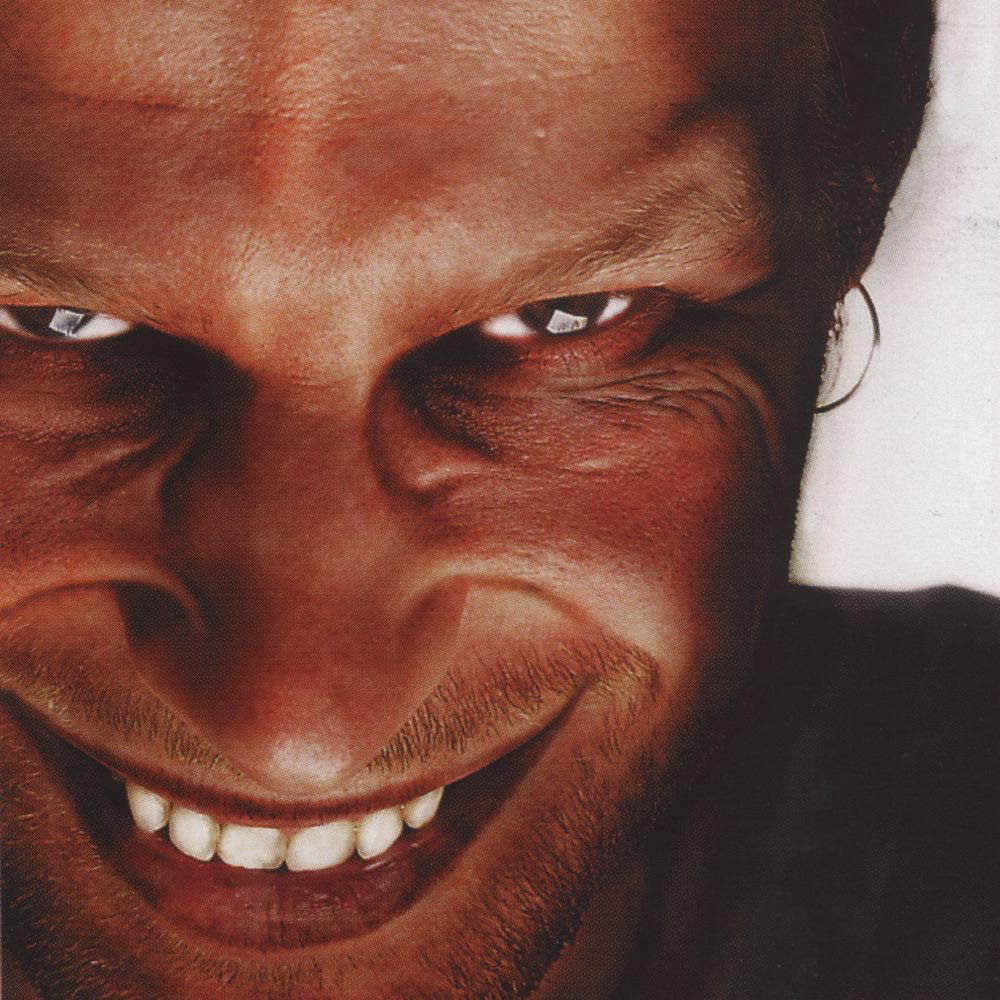
The mythos of Aphex Twin has always relied as heavily on its visual iconography as its auditory innovation. The unmistakable, alien-like logo designed by Paul Nicholson in 1991, combined with the mischievous, digitally distorted grin of Richard D. James plastered across album art, created an unsettling, body-horror aesthetic that immediately captured the imagination of youth culture.
This penchant for trolling and surrealist provocation manifested indelibly in music videos like Windowlicker and Come To Daddy, directed by Chris Cunningham. Heavy rotations on MTV—featuring dancers and children bearing the digitally mapped face of James—etched his imagery into collective pop-cultural memory. His live performances matched this erratic energy; notably, at New York’s Knitting Factory in 1995, James concluded a set by dropping a microphone into a spinning blender and dragging a turntable needle across a sheet of sandpaper.
Decades later, this avant-garde legacy has found an entirely new lease on life through internet culture. As Drukqs celebrated its 25th anniversary, tracks like QKThr, Avril 14th, and Jynweythek experienced a massive resurgence, transforming into viral audio trends across TikTok and short-form video platforms. This algorithmic rediscovery propelled Aphex Twin ahead of mainstream commercial titans like Taylor Swift in monthly YouTube Music listeners, proving that James’s music communicates as powerfully to Gen Z digital natives as it did to 90s rave attendees.
Essential Further Listening & Artifacts
For devotees looking to venture beyond the core studio albums, James’s extensive catalogue of EPs and alternative aliases offers essential context:
Analogue Bubblebath (1991): Released under the AFX moniker, this is raw, acid-soaked techno capturing the restless energy of the nascent UK rave underground.
Come to Daddy EP (1997): A landmark in electronic music’s darker underbelly, featuring the feral, distorted breakbeat terror of its title track.
Windowlicker (1999): A warped, futuristic deconstruction of R&B and funky electro, paired with one of the most unsettling music videos in cinematic history.
Blackbox Life Recorder 21f / In a Room7 F760 (2023): A welcome, intricate contemporary return to form, pairing propulsive electronics with hazy introspection.
Future Outlook
As Richard D. James approaches future decades of music-making, his status as an elder statesman of electronic music is completely secure, paradoxically maintained by his continued elusiveness. He rarely grants traditional interviews, operates on his own erratic release schedule, and avoids the predictable traps of legacy nostalgia acts.
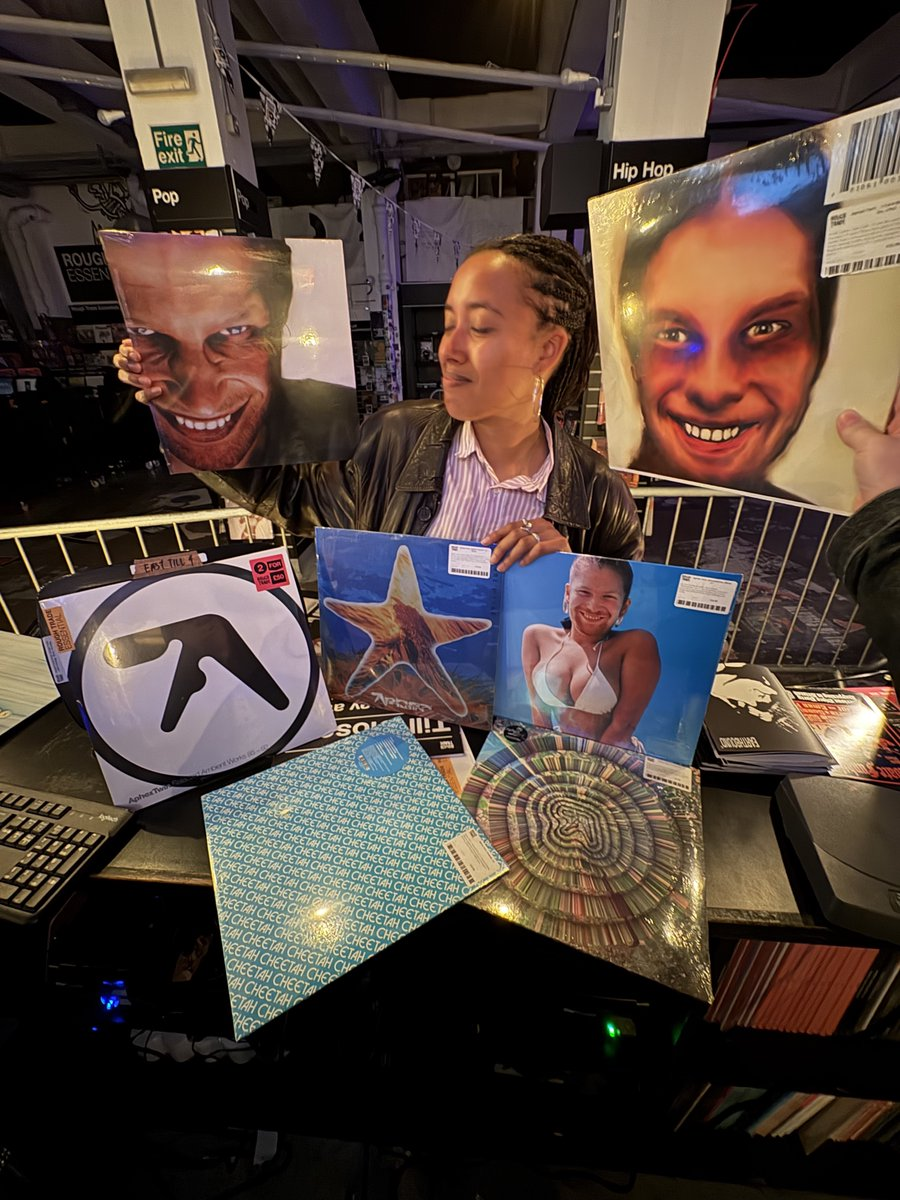
Instead, the future of Aphex Twin appears to be decentralized—propagated by a new generation of listeners discovering his discography via viral social media loops, physical vinyl collection, and critical re-evaluations. Whether through the pristine ambient spaces of Selected Ambient Works or the algorithmic revival of Drukqs, the cultural enigma of Aphex Twin will continue to challenge, confound, and inspire electronic music for generations to come.