Executive Overview
Since the inception of the 12-inch 33⅓ rpm long-player format by Columbia Records in the late 1940s, the album has been heralded as the ultimate canvas for popular musicianship. Over subsequent decades, legendary acts elevated the medium from a mere collection of hit singles padded with filler into cohesive artistic statements. Yet, alongside the evolution of the masterpiece came an equally vital, albeit rarely celebrated, phenomenon: the "duff" track.
Often dismissed as filler, misjudged experimentation, or outright poor songwriting, the sub-par track nestled within a classic record is far more than a blemish. According to cultural critics and musicians alike, these flawed inclusions serve as essential structural pillars, providing dynamic contrast, sparking passionate critical debate, and ultimately defining the listening experience. This investigative analysis explores the history, psychology, and strategic necessity of the musical misfire across rock history, examining works by The Beatles, David Bowie, Lou Reed, The Fall, and the radical counter-proposals of iconoclasts like Steve Albini.
Detailed Chronology: The Evolution of the Album and Its Discontents
The Golden Age of Format Innovation (1940s–1960s)
The journey of the modern album began when Columbia Records successfully upended the music industry by phasing out heavy, fragile 10-inch 78 rpm records in favor of the slow-rotating 12-inch long-player. This technological leap gave artists unprecedented room to breathe, transitioning the single from an isolated economic unit into a chapter of a broader narrative.
It was The Beatles who ultimately perfected the format. Transforming the early 1960s formula of hit-single-plus-filler into high art, the Fab Four unleashed a sequence of defining records: Rubber Soul, Revolver, and the undisputed monument to the Album As Modern Art, Sgt. Pepper’s Lonely Hearts Club Band. In doing so, they cemented the cultural consensus that popular music could match the intellectual weight of literature or high-brow painting.
The Birth of the Strategic Blemish
Yet, in their relentless pursuit of innovation, The Beatles inadvertently pioneered another enduring tradition: the inclusion of the "duff" track on an otherwise flawless record.
Case in point: George Harrison’s "Within You Without You" on Sgt. Pepper’s. For years, this Indian classical excursion was viewed by mainstream audiences as a glaring speed bump on pop music’s crowning glory. While contemporary listeners celebrate this era of psychedelic experimentation, historical consensus long regarded it as a blemish. Harrison’s compositions frequently invited domestic critique; many a parent, unimpressed by the stylistic shifts, voiced opinions that Harrison often ruined otherwise pristine melodies with a nasal, whining delivery—a sentiment famously directed at his vocal performance on later tracks as well.
David Bowie and the Art of the Calculated Misfire
If The Beatles laid the groundwork, David Bowie mastered the deployment of the erratic track. Bowie’s early masterwork, Hunky Dory, is universally adored, yet songs like "Eight-line Poem"—and for some purists, "Fill Your Heart"—have long tested the patience of casual listeners.
The pattern repeated itself on The Rise and Fall of Ziggy Stardust and the Spiders from Mars. Lurking awkwardly at the end of side one is "It Ain’t Easy." While apologists argue that the cover track serves a narrative function within the sci-fi rock-opera concept, one must wonder why Bowie, operating at the absolute peak of his creative powers, didn’t push harder for stronger original material. The answer lies in dynamics: absolute perfection can quickly fatigue the ear.
Supporting Context & Metrics: The Psychology and Economics of the Flawed Song
To understand why artists deliberately or accidentally include subpar material on masterpieces, one must examine the psychological dynamics of consumption. The human ear craves contrast. Without moments of sonic valleys, the peaks lose their altitude.
| Artist / Album | Classic Status | Noted "Duff" Track | Cultural / Critical Impact |
|---|---|---|---|
| The Beatles – Sgt. Pepper’s | Masterpiece | "Within You Without You" | Sparked debates on artistic self-indulgence vs. boundary-pushing world music. |
| David Bowie – Ziggy Stardust | Rock Milestone | "It Ain’t Easy" | Divides purists; acts as a narrative breather or a missed melodic opportunity. |
| The Velvet Underground – Loaded | Proto-Punk Blueprint | "I Found A Reason" / "Lonesome Cowboy Bill" | Demonstrates how contextual aging transforms perceived weaknesses into lyrical bravery. |
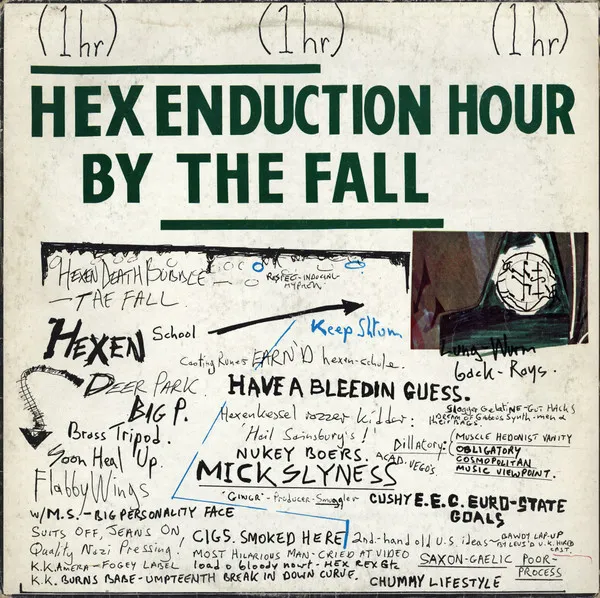
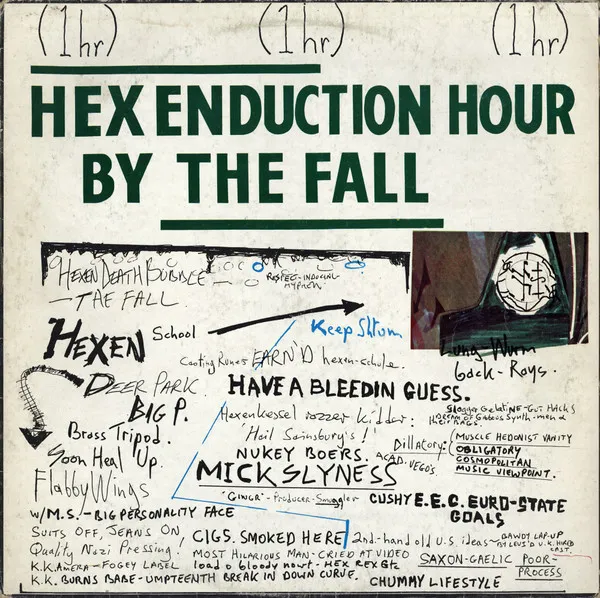
| The Fall – Hex Enduction Hour | Post-Punk Landmark | "And This Day" | A stark exercise in monotonous anti-commercialism that challenges listener endurance. |
The Lou Reed Factor
Lou Reed stands as a titan of the contentious track. Masterpieces like Loaded feature interchangeable side-two inclusions that have baffled fans for generations. "I Found A Reason" was long written off until listeners matured enough to appreciate the sheer poetic audacity of Reed singing about walking "hand in hand with myself." Later, the mantle of the album’s designated misfire shifted to "Lonesome Cowboy Bill"—a track once erroneously linked to literary icon William S. Burroughs, only to be revealed as a delightful, throwaway sketch about a fictional cowboy named Bill.
Reed’s catalog is littered with similar speed bumps: "Wagon Wheel" on Transformer, "A Gift" on Coney Island Baby, "Disco Mystic" on The Bells, and "Leave Me Alone" on Street Hassle. Whether critics point to "Lady Godiva’s Operation" on White Light/White Heat or "The Murder Mystery" on the Velvets’ self-titled third record, the "duff" track remains an engine for lifelong fan engagement. Without these points of contention, record collecting and music journalism would lose their most fiercely debated parlor games.
The Underground Blueprint: Mark E. Smith and The Fall
No examination of strategic track placement is complete without acknowledging The Fall’s Mark E. Smith. An obsessive sonic trainspotter, Smith understood how to weaponize track sequencing.
On the classic album Grotesque (After the Gramme), the inclusion of "WMC Blob 59" practically broadcasts its own eccentricities through its title alone. Conversely, Hex Enduction Hour features "And This Day"—a track characterized by a concrete hangover of stark monotony that challenges even the most devoted post-punk historians. These inclusions were never accidents; they were deliberate challenges thrown down to the listener.
Official Statements and Industry Perspectives
The debate over the necessity of album filler has long divided producers, conceptualists, and engineers.
In the pre-internet era of physical media, pioneering engineer and iconoclast Steve Albini proposed a radical alternative to the traditional album structure. Rather than curating a 10-to-12-song tracklist featuring a mix of singles and experimental misfires, Albini playfully suggested a minimalist mechanical solution: take a single, stellar 12-inch recording and press it repeatedly across the vinyl grooves, creating a continuous loop of perfection.
While Albini’s conceptual purity appealed to anti-industry purists, music critics and cultural commentators have been quick to point out the fatal flaw in such utopian efficiency: it removes the fun.
Musician and writer Luke Haines encapsulates this sentiment best, arguing that even if an album could theoretically be stacked with twelve consecutive masterworks—twelve "Starman"-level compositions—the absence of friction leaves a record emotionally sterile.
"You’ve still got to have an ‘It Ain’t Easy’ lurking around to make it all worthwhile," notes Haines, emphasizing that imperfection is the glue holding musical history together.
Future Outlook: The Playlist Era and the Death of the Album Journey
As the music industry continues its transition away from physical formats toward streaming algorithms, personalized playlists, and algorithmic song selection, the traditional album format faces an existential threat.
Consumers today possess the unprecedented technical ability to excise every perceived "duff" track instantly. Streaming platforms track skip rates in real-time, allowing listeners to construct hyper-curated playlists devoid of narrative breathing room, artistic missteps, or challenging sonic experiments.
Yet, this hyper-efficiency risks sanitizing the listening experience. The historical value of the long-player has never rested solely on a succession of uninterrupted commercial hits. Rather, it relies on the journey—the narrative arc that moves from public triumph to private introspection, from accessible brilliance to baffling experimentation.
As long as human beings gather in pubs, record shops, and digital forums to debate the merits of a misplaced ballad or an indulgent instrumental interlude, the "duff" track will remain secure. It is the grit in the oyster, transforming raw talent into enduring art, and proving that perfection is vastly overrated.