Executive Overview
The intersection of high-stakes investigative journalism, Silicon Valley corporate governance, and prestige Hollywood filmmaking has long yielded compelling cinema. Few cinematic pairings, however, carry the intellectual and cultural weight of Aaron Sorkin returning to the world of social media hegemony. More than a decade and a half after redefining the modern corporate drama with The Social Network—his razor-sharp, Machiavellian post-mortem on the birth of Facebook—Academy Award-winning screenwriter and director Aaron Sorkin is set to unveil his spiritual successor: The Social Reckoning.
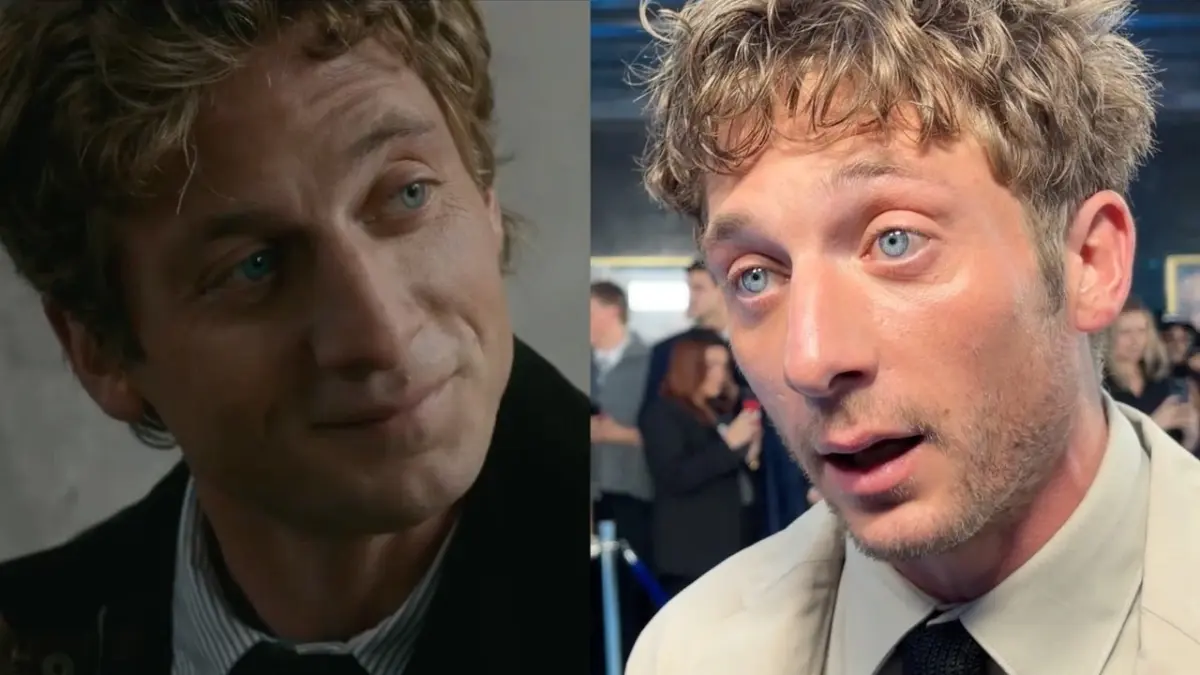
At the epicenter of this highly anticipated 2026 release is Jeremy Allen White, one of the most critically acclaimed and sought-after actors of his generation. White, fresh off a string of intense transformations, takes on the mantle of Jeff Horwitz, the intrepid Wall Street Journal reporter who spearheaded the explosive "Facebook Files" investigation. Alongside Mikey Madison, who portrays whistleblower Frances Haugen, White anchors a narrative that promises to drag the inner workings of Big Tech back into the cultural crosshairs.
Yet, bringing The Social Reckoning to life was far from a foregone conclusion. In recent interviews, White has revealed that he initially hesitated to board the project, grappling with a profound sense of casting fatigue. Having just immersed himself in the psychological depths of professional wrestling icon Kerry Von Erich in The Iron Claw and rock-and-roll legend Bruce Springsteen in Springsteen: Deliver Me from Nowhere, White was reluctant to anchor his career to yet another living or recently depicted historical figure.
It took the singular persuasion of Sorkin—and a crucial creative distinction regarding the nature of biographical adaptation—to convince the Emmy-winning star to step into the newsroom. This comprehensive report explores the genesis of The Social Reckoning, the journalistic foundation of the "Facebook Files," the casting journey of Jeremy Allen White, and what this explosive cinematic venture signals for the future of accountability in the digital age.
Detailed Chronology: From the Newsroom to the Screen
To understand the weight of The Social Reckoning, one must trace the dual timelines of the real-world events that inspired the film and the deliberate, calculated steps taken by Hollywood to translate those events into dramatic art.
The Real-World Catalyst: The Facebook Files (2021)
In the autumn of 2021, the global media landscape shifted irrevocably. A cache of internal documents leaked by former Facebook product manager Frances Haugen formed the basis of a landmark investigative series published by The Wall Street Journal, titled "The Facebook Files." Led by journalists including Jeff Horwitz, the expose revealed that Meta (formerly Facebook) was acutely aware of the toxic, polarizing, and mentally damaging effects its platforms—including Instagram—inflicted on vulnerable demographics, particularly teenage girls.
The documents proved that internal research consistently took a back seat to engagement metrics and profit margins. The fallout was immediate and catastrophic: congressional hearings, global regulatory scrutiny, and a profound crisis of public trust. Haugen’s emergence as a public whistleblower galvanized lawmakers, while reporters like Horwitz worked tirelessly to synthesize thousands of pages of corporate obfuscation into digestible, damning truths.
Sorkin’s Pivot Back to Silicon Valley
While David Fincher’s 2010 masterpiece The Social Network chronicled the adversarial, testosterone-fueled genesis of a dorm-room startup, Sorkin’s 2026 follow-up shifts the gaze from creation to reckoning. Where the first film was a tragedy of interpersonal betrayal and intellectual property theft, The Social Reckoning is framed as an institutional thriller.
Sorkin began quietly assembling the project in the mid-2020s, recognizing that the societal trajectory of social media had crossed a critical threshold from disruptive innovation to systemic infrastructure with minimal oversight. Recognizing the dramatic potential of the 2021 leaks, Sorkin sought to dramatize the fragile alliance between a corporate insider willing to risk her freedom and a veteran journalist dedicated to exposing institutional malfeasance.
Casting White and Madison
The recruitment of key talent began in earnest as Sorkin finalized the screenplay. Mikey Madison, whose star power soared following acclaimed turns in projects like Anora, was cast as Frances Haugen, capturing the rigorous intellect and profound moral dilemma of the whistleblower.
For the role of Jeff Horwitz, Sorkin set his sights squarely on Jeremy Allen White. White’s blistering turn as Carmy Berzatto in FX’s The Bear had cemented his status as a master of portraying high-anxiety, obsessive professionals. However, as White revealed to The Independent, his professional slate was already crowded with real-life figures, leading to a tense initial conversation between the actor and the legendary screenwriter.
Supporting Context & Metrics: The Burden of Portraying Reality
To fully appreciate White’s hesitation, one must examine the grueling physical and psychological toll of his recent filmography. Over a span of less than three years, White engaged in an unprecedented triple-crown of biographical performances.
| Project | Subject / Role | Release / Production Era | Key Physical/Mental Demands |
|---|---|---|---|
| The Bear | Carmen "Carmy" Berzatto (Fictionalized/Informed by real chefs) | 2022–Present | Culinary training, high-stress panic simulations, rapid weight management. |
| The Iron Claw | Kerry Von Erich | 2023 | Extreme bodybuilding, professional wrestling choreography, heavy emotional trauma. |
| Springsteen: Deliver Me from Nowhere | Bruce Springsteen | 2024–2025 | Vocal coaching, guitar mastery, embodying a living cultural icon. |
| The Social Reckoning | Jeff Horwitz | 2026 | Journalistic procedural immersion, intellectual intensity, high-speed dialogue delivery. |
The "Biopic Fatigue" Factor
"I had just finished Springsteen and I was really nervous about playing another real person," White candidly confessed to The Independent. The actor had spent months channeling the physicality, posture, and vocal cadence of the Boss, following on the heels of the grueling physical transformation required to play the doomed wrestling scion Kerry Von Erich.
For actors of White’s caliber, stepping into the shoes of a living person introduces unique artistic constraints. Unlike fictional characters, where the actor and writer share total authorship over the psychological interior, real-life subjects come with built-in expectations, public scrutiny, and the potential judgment of the individuals being portrayed.
"I told [Sorkin] that immediately," White recalled. "I said, ‘I just don’t know if I want my next thing to be playing someone real.’"
Sorkin’s Creative License
What bridged the gap between hesitation and agreement was Aaron Sorkin’s distinct philosophy of adaptation. Rather than demanding a strict, documentary-style impersonation, Sorkin offered a liberating perspective on how the character of Jeff Horwitz would be constructed within the film’s universe.
According to White, Sorkin "made it very clear that this is his version of Jeff."
This distinction is crucial to understanding Sorkin’s body of work. From The West Wing to Steve Jobs, Sorkin has never been a traditional biographer; instead, he uses real-world figures as clay to sculpt heightened, theatrical explorations of power, ethics, and human failing. By framing the character as Sorkin’s literary interpretation rather than a literal carbon copy, the pressure was lifted from White, allowing him to focus on the psychological drive of an investigative reporter rather than getting bogged down in mimicry.
Official Statements and Industry Insights
The production of The Social Reckoning has ignited intense discussions across both Hollywood trade publications and mainstream media outlets, centering on the ethics of dramatizing recent corporate malfeasance and the unique collaborative dynamic between Sorkin and his cast.
Aaron Sorkin on the Digital Age
While Sorkin has historically maintained a critical distance from social media culture—famously admitting that he does not participate in online platforms—his artistic engagement with the medium has grown more urgent. In previous statements surrounding the legacy of The Social Network, Sorkin noted how the tool created to connect Harvard undergraduates ultimately fractured the democratic fabric of global society.
With The Social Reckoning, insiders note that Sorkin views the narrative not merely as an attack on Mark Zuckerberg or Meta specifically, but as an examination of systemic indifference. The dialogue—notoriously rhythmic, dense, and fast-paced—serves as the primary vehicle for exploring how corporate PR machines attempt to neutralize whistleblowers before independent journalism can bring the truth to light.
Critical Reception of White’s Career Trajectory
Industry analysts have lauded White’s willingness to pivot between hyper-physical transformations and cerebral, dialogue-driven dramas. Entertainment economists point out that casting actors of White and Madison’s caliber ensures that The Social Reckoning will transcend standard docudrama tropes, appealing to audiences looking for intense character studies rather than dry corporate exposes.
Furthermore, media watchdogs have welcomed the film’s production as a vital cultural touchstone. In an era where trust in traditional journalism is frequently under assault, a high-profile Hollywood feature dedicated to the exhausting, painstaking work of investigative reporters like Jeff Horwitz serves as a timely reminder of the Fourth Estate’s critical function in a democratic society.
Future Outlook: The Impact of The Social Reckoning
As The Social Reckoning heads toward its 2026 release window, its cultural footprint is already beginning to take shape. The film arrives at a pivotal juncture in technological governance. With artificial intelligence scaling new heights, regulatory frameworks struggling to keep pace, and public skepticism regarding algorithmic manipulation at an all-time high, Sorkin’s cinematic intervention could not be more timely.
Anticipated Cultural and Political Impact
- Renewed Scrutiny on Tech Ethics: Just as The Social Network permanently cemented the public perception of Silicon Valley founders as ruthless, socially isolated geniuses, The Social Reckoning is poised to codify the narrative of the modern tech giant as a corporate leviathan that prioritizes engagement metrics over human well-being.
- Elevating Journalistic Valor: By focusing the lens on Jeff Horwitz’s investigative process, the film highlights the unglamorous, high-stakes reality of modern reporting—hours spent vetting documents, cultivating sources under immense legal pressure, and battling institutional gaslighting.
- A Defining Career Chapter for Jeremy Allen White: For White, the project represents a crucial test of his versatility. Moving away from the gritty, working-class trauma of The Bear and the physical transformations of The Iron Claw and Springsteen, The Social Reckoning allows White to flex his intellectual and verbal agility within the demanding architecture of a Sorkinian screenplay.
Conclusion
The journey from a leaked corporate cache in 2021 to a major motion picture release in 2026 illustrates Hollywood’s enduring fascination with the dark side of digital connectivity. Through the combined visionary force of Aaron Sorkin’s pen and the nuanced, dedicated performances of Jeremy Allen White and Mikey Madison, The Social Reckoning promises to be more than just a companion piece to a modern classic. It stands as a necessary, urgent examination of accountability in an era where algorithms dictate reality, and where the courage of a single whistleblower and a persistent reporter remains humanity’s best defense.