Executive Overview
In the heart of Edmonton, Alberta, nestled among the quiet, densely packed bookshelves of Paper Birch Books, a profound cultural convergence unfolds. On February 21, the air vibrated not with the silent turning of pages, but with the hypnotic, metallic resonance of the traditional Zimbabwean mbira. Here, The Mbira Renaissance Band took center stage for a live recording session that served as a microcosm of their broader artistic mission: to fuse the ancient, sacred polyrhythms of Shona ancestral ceremonies with the contemporary idioms of jazz, reggae, and Afro-pop.
The focal point of the evening was a transcendent performance of “Tadzungaira,” an ancient Shona mbira composition traditionally invoked during times of collective distress—be it prolonged drought, systemic poverty, or an unyielding season of hardship. Translated literally, the word signifies a state of being lost or wandering. Yet, in the hands of this cross-cultural ensemble, the ancient lament transforms into a vehicle for healing, connection, and global sonic storytelling.
This performance, captured for the monthly Pocket-Sized Series curated by the band’s drummer Tony Flanagan, underscores the ensemble’s remarkable trajectory over the past decade. Founded in 2013 by mbira virtuoso Chaka Zinyemba and bassist James Stuart, The Mbira Renaissance Band has steadily evolved from a localized Canadian curiosity into an internationally recognized bridge between Zimbabwean musical heritage and contemporary Western jazz and world music frameworks. Following a landmark homecoming tour of Zimbabwe in July 2025 and the release of their acclaimed January album, Roto, the band stands at the vanguard of a modern renaissance in African roots music—proving that ancient spiritual technologies possess an enduring, universal resonance in the twenty-first century.
Detailed Chronology
2013: The Genesis in Edmonton
The story of The Mbira Renaissance Band begins in the vibrant, multicultural music scene of Edmonton, Canada. Co-founded by Zimbabwean-born mbira player Chaka Zinyemba and bassist James Stuart, the group was conceived as an organic meeting point between traditional African indigenous instrumentation and the improvisational liberties of Western ensemble playing. Recognizing the deep emotional gravity of the mbira—often referred to in the West as the "thumb piano"—the founders sought collaborators who could honor its spiritual origins while pushing its harmonic boundaries.
2018: Expanding the Lexicon with Famba
As the lineup crystallized with the inclusion of lead vocalist and percussionist Chiedza Zinyemba (also from Zimbabwe), veteran jazz guitarist George Koufogiannakis, drummer Tony Flanagan, and keyboardist Munya Viyali, the band began recording foundational original material. Their 2018 debut album, Famba, marked a critical milestone in establishing their signature sound. Notably, the track “Daira” featured the poignant lyrical refrain, "Tadzungaira, tadzungaira musango"—we are tired, we have been wandering in the forest a long time. This thematic exploration of displacement, endurance, and spiritual seeking laid the groundwork for their ongoing meditation on the traditional piece “Tadzungaira.”
July 2025: The Homecoming Tour of Zimbabwe
A monumental turning point in the band’s history occurred in July 2025, when the ensemble embarked on their first-ever tour of Zimbabwe. For Chaka and Chiedza Zinyemba, the tour represented a powerful emotional and artistic pilgrimage back to the source of their musical identity. Performing these ancient Shona pieces—interwoven with jazz improvisations and reggae grooves—before audiences in their homeland offered validation of their cross-cultural experiment. The tour served as both an educational exchange and an artistic crucible, deeply informing the compositional direction of their subsequent studio work.
January 2026: The Release of Roto
Capitalizing on the creative momentum generated by their Zimbabwean tour, the band released their sophomore album, Roto, in January 2026. The eight-track collection represents their most ambitious sonic undertaking to date. Eschewing formulaic genre boundaries, Roto integrates sophisticated horn arrangements penned by Koufogiannakis, West African djembe rhythms courtesy of guest percussionist Reckie Lloyd on the track “Zunza,” and vibrant Afro-Cuban textures featuring the acclaimed Grammy-nominated duo OKAN alongside pianist Jeremy Ledbetter on “Mufaro.”
February 21, 2026: The Pocket-Sized Series Session at Paper Birch Books
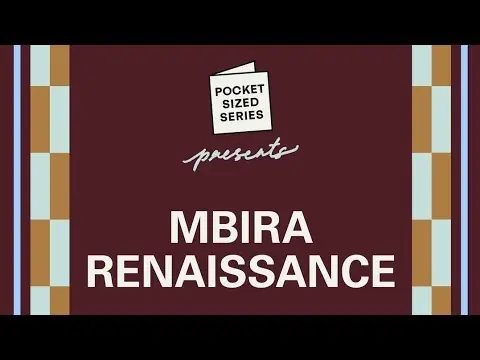
Most recently, on February 21, the band brought their acoustic-electric hybrid aesthetic to Paper Birch Books in Edmonton. Performing as part of the Pocket-Sized Series—a Tiny Desk-inspired monthly video production funded by the Edmonton Arts Council and spearheaded by Tony Flanagan—the band delivered an intimate, arresting rendition of “Tadzungaira.” Surrounded by independent literature, the performance bridged the gap between written narratives and oral traditions, offering a visceral reminder of music’s capacity to document human resilience.
Supporting Context & Metrics
To fully appreciate the cultural and artistic weight of The Mbira Renaissance Band’s output, one must examine the deep historical significance of the instruments and traditions they employ, alongside the structural mechanics of their modern arrangements.
The Sacred Anatomy of the Mbira
The mbira dzaVadzimu (mbira of the ancestors) is far more than a recreational instrument within Shona culture; it is a sacred technological medium designed to bridge the physical and spiritual realms. Constructed from a hardwood soundboard fitted with meticulously tuned metal keys—often plucked with thumbs and the right index finger—the mbira produces a cascading, shimmering polyphonic texture.
Traditionally, pieces like “Tadzungaira” (alternatively known among traditional practitioners as “Todzungaira,” “Muroro,” or “Nehondo”) are performed during bira ceremonies. These nocturnal rituals are convoked when a family or community faces existential trials—such as protracted droughts, structural poverty, or social upheaval—to petition ancestral spirits for guidance, intervention, and restoration of harmony. The song’s title, translating to a state of wandering or being lost, reflects the psychological and spiritual disorientation of hardship. By choosing to open their intimate Edmonton bookstore session with this piece, The Mbira Renaissance Band deliberately invokes this ancient therapeutic framework, translating a localized Shona prayer into a universal meditation on contemporary human dislocation.
Cross-Cultural Instrumentation Matrix
| Band Member | Primary Role | Musical Background & Contributions |
|---|---|---|
| Chaka Zinyemba | Mbira Player / Co-Founder | Zimbabwean native; anchors the ensemble in traditional Shona spiritual polyrhythms and ancestral tuning systems. |
| Chiedza Zinyemba | Lead Vocals, Hosho, Congas | Zimbabwean native; delivers powerful Shona vocal leads while driving the rhythmic pulse with traditional hosho (shakers) and congas. |
| James Stuart | Bassist / Co-Founder | Canadian music scene veteran; provides a rock-solid low-end foundation that fuses African bass grooves with jazz-funk walking lines. |
| George Koufogiannakis | Guitarist | Brings over three decades of professional jazz experience; crafts intricate harmonic textures and horn arrangements for the band’s expanded repertoire. |
| Tony Flanagan | Drummer / Series Producer | Drives the kit with a sensitive, dynamic touch; creator and producer of the Pocket-Sized Series funded by the Edmonton Arts Council. |
| Munya Viyali | Keyboardist | Layering rich modal chord progressions and atmospheric pads that bridge traditional acoustic tones with modern electronic textures. |
Collaborative Scope on the Album Roto
The band’s 2026 release, Roto, exemplifies the expansive nature of contemporary global jazz-fusion. An analysis of the album’s structural composition reveals deliberate cross-continental artistic partnerships:
- Horn Sections: 50% of the album’s tracks (four out of eight) feature fully articulated horn arrangements written by George Koufogiannakis, adding a sophisticated, brass-heavy jazz-club dimension to the traditional mbira foundations.
- West African Integration: The track “Zunza” incorporates traditional West African djembe performance by guest artist Reckie Lloyd, smoothly transitioning into a closing movement dominated by raw, unamplified mbira.
- Afro-Cuban Fusion: The track “Mufaro” bridges the musical geography of the African diaspora by featuring the Afro-Cuban duo OKAN alongside virtuoso pianist Jeremy Ledbetter, establishing a direct dialogue between Afro-Caribbean jazz sensibilities and Southern African polyrhythms.
Official Statements
While the band operates as a collective, the artistic philosophy driving their work has been articulated through various reflections on their creative process, cultural heritage, and community engagement.
Reflecting on the psychological and spiritual dimensions of their repertoire, the ensemble notes the profound continuity embedded in their song choices:
"‘Tadzungaira’ is one of the old Shona mbira pieces, played at ceremonies when a family calls on its ancestors to end a run of hardship: a drought, a stretch of poverty, a season where nothing comes right. The word means we are lost… We are tired, we have been wandering in the forest a long time."
Discussing the mechanics of their collaborative platform, drummer and producer Tony Flanagan emphasizes the importance of localized artistic infrastructure:
"The session is part of the Pocket-Sized Series, a monthly recording run among the shelves of the bookshop and released as video, modelled on Tiny Desk and funded by the Edmonton Arts Council."
Future Outlook
As The Mbira Renaissance Band looks toward the horizon following the successful release of Roto and their triumphant 2025 Zimbabwean tour, their trajectory points toward an increasingly influential role in the global world-music landscape.
Expanding the Global Audiences for Indigenous African Arts
The success of their live sessions—particularly the Pocket-Sized Series performance at Paper Birch Books—demonstrates a viable blueprint for presenting roots music in non-traditional, highly intimate urban spaces. By stripping away the acoustic isolation of the traditional concert hall and embedding performance within community-centric spaces like independent bookstores, the band effectively democratizes the sacred art of the mbira. Future projects are expected to explore further digital residency models, bringing live collaborative sessions to international audiences through high-definition streaming platforms.
Deepening Transatlantic Musical Dialogues
Building upon the cross-cultural bridges established with guest artists like Reckie Lloyd and the duo OKAN on Roto, the ensemble is actively exploring future collaborative compositions that trace the historical migratory routes of African polyrhythms through the Americas, the Caribbean, and Europe. Plans are underway for an expanded international touring circuit that will take the group beyond Canadian and Zimbabwean borders, introducing European and American festival audiences to their unique synthesis of ancient Shona cosmology and modern jazz improvisation.
Ultimately, The Mbira Renaissance Band proves that musical traditions do not need to remain static to retain their authenticity. By welcoming jazz guitarists, Western rhythm sections, and diverse diasporic collaborators into the sacred circle of the mbira, they ensure that the ancient prayer of “Tadzungaira”—the collective turning away from hardship toward light and community—continues to echo powerfully across generations and continents.