Executive Overview
In July 1974, progressive rock was at its zenith, and 25-year-old keyboard virtuoso Rick Wakeman stood at its center. Having recently parted ways with Yes following the tumultuous tour for Tales From Topographic Oceans, Wakeman was riding high on the commercial triumph of his solo album Journey To The Centre Of The Earth. However, at the peak of his early success, physical collapse struck: Wakeman suffered a severe heart attack following a massive open-air performance at the Crystal Palace Bowl in South London.
Confined to a hospital bed in Slough and faced with stark medical warnings to permanently retire from music, Wakeman responded not with resignation, but with unprecedented artistic defiance. During his six-week convalescence, he conceptualized, wrote, and arranged one of the most ambitious concept albums in rock history: The Myths and Legends of King Arthur and the Knights of the Round Table.
What followed was a extraordinary journey through symphonic rock composition, high-stakes studio production, and a live staging that remains legendary in the annals of rock history—the infamous "King Arthur on Ice" shows at Wembley. While the project achieved critical acclaim and top-chart status on both sides of the Atlantic, its unbridled extravagance pushed Wakeman to the brink of personal bankruptcy.
This comprehensive analysis investigates the high-stakes narrative behind King Arthur, examining its medical and creative origins, the recording sessions, its financial impact, and its enduring status as a masterpiece of progressive rock.
Detailed Chronology
[July 1974] ──────► [Aug–Oct 1974] ────► [Nov 1974] ──────► [March 1975] ────► [May–June 1975] ──► [Late 1976]
Heart attack post-   Convalescence;      Studio recording     Album released;    "King Arthur      Bankruptcy forces
Crystal Palace       concept drafted      begins at Morgan     hits UK #2,        on Ice" at        Wakeman to rejoin
performance          in hospital          Studios, London      US #21             Wembley           Yes
Phase I: Crisis and Conception (July–August 1974)
Fresh off the stage at the Crystal Palace Bowl in July 1974, Wakeman collapsed and was rushed to Wexham Park Hospital in Slough, Berkshire. Diagnosed with a minor heart attack brought on by exhaustion and a grueling lifestyle, the 25-year-old musician was given a grim prognosis by his attending cardiologist: cease performing immediately or face fatal consequences.
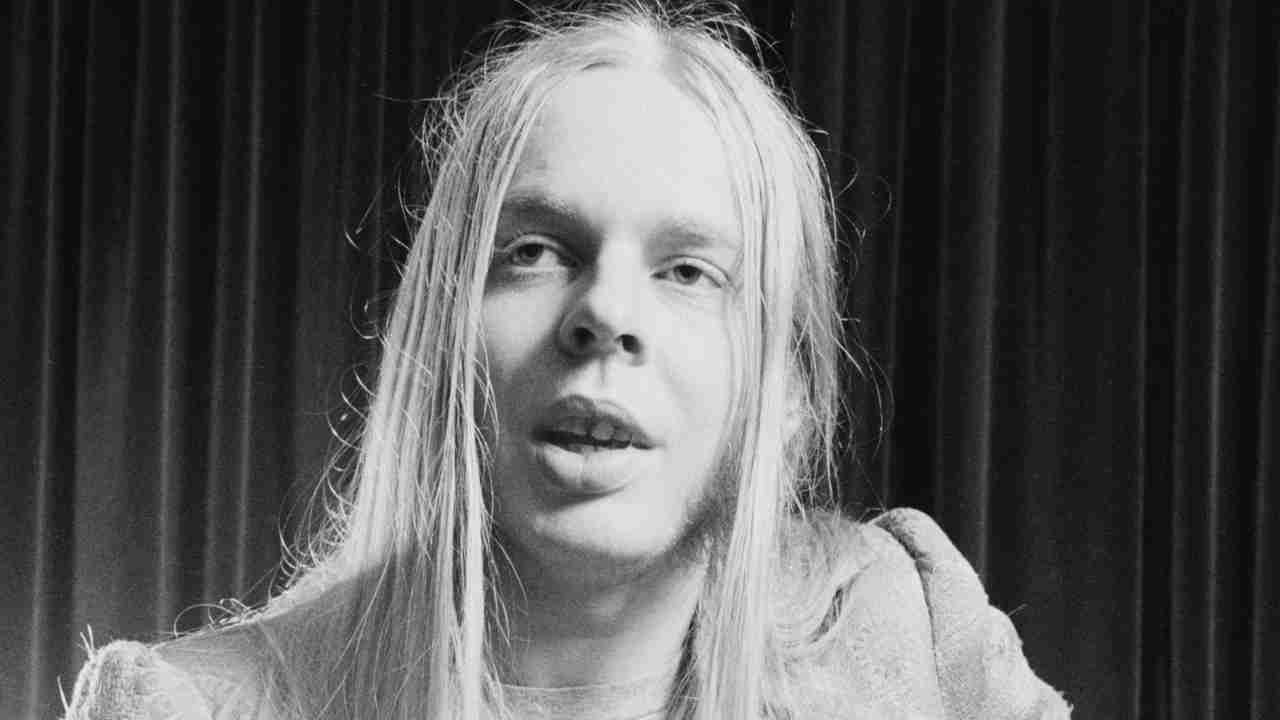
Refusing to surrender his career, Wakeman transformed his hospital room into a creative sanctuary. Friends smuggled in a cassette recorder, manuscript paper, and historical texts detailing Arthurian mythology. Drawing deep inspiration from childhood holidays and a recent stay at the King Arthur’s Arms near the coastal ruins of Tintagel Castle in Cornwall, Wakeman began mapping out thematic motifs for Arthur, Guinevere, Merlin, and Galahad. The very first piece penned from his hospital bed was "The Last Battle"—a composition that served as a double entendre for King Arthur’s final combat and Wakeman’s own battle against physical collapse.
Phase II: Composition and Pre-Production (Autumn 1974)
Upon leaving the hospital in late August, Wakeman eschewed rest and immediately began orchestrating the album. Unlike his previous release, The Six Wives of Henry VIII (1973), which focused on instrumental portraits of historical figures, King Arthur was envisioned as a narrative work requiring grand symphonic elements, choral arrangements, and poetic narration. Wakeman drafted melodies that blended traditional English folk sensibilities with classical counterpoint and contemporary synthesizer rock.
Phase III: The Recording Sessions (November 1974 – January 1975)
In November 1974, principal recording began at Morgan Studios in Northwest London. Wakeman assembled a formidable line-up:
- The English Rock Ensemble: Ashley Holt and Gary Pickford-Hopkins (vocals), Jeffrey Crampton (guitars), Roger Newell (bass), Barney James (drums), and John Hodgson (percussion).
- Narrator: Stage and screen actor Terry Taplin.
- Orchestral & Choral Forces: The 45-piece New World Orchestra and the 48-member English Chamber Choir.
The inclusion of an 80-plus piece orchestral and choral backing caused severe tension with Wakeman’s record label, A&M Records, due to spiraling budget costs. However, Wakeman remained firm, utilizing his personal leverage to secure the necessary recording scale.
Phase IV: Release and The Wembley Ice Spectacle (March–June 1975)
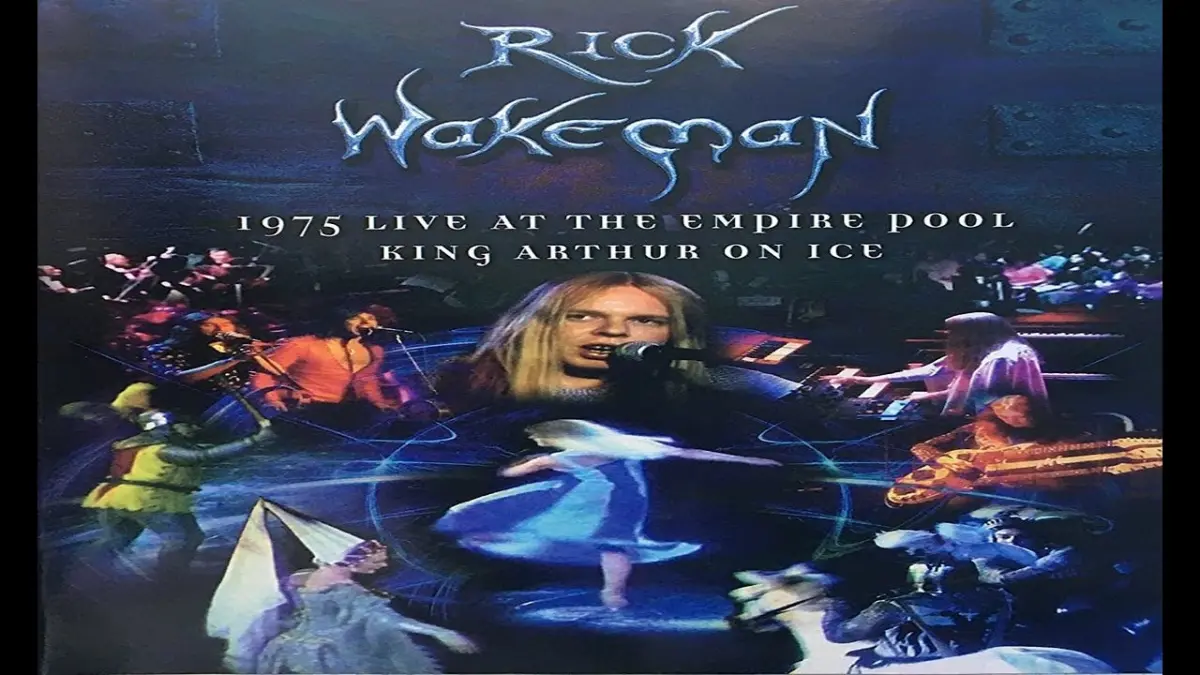
Released in March 1975, The Myths and Legends of King Arthur and the Knights of the Round Table was a swift commercial success, soaring to No. 2 on the UK Albums Chart and No. 21 on the US Billboard 200.
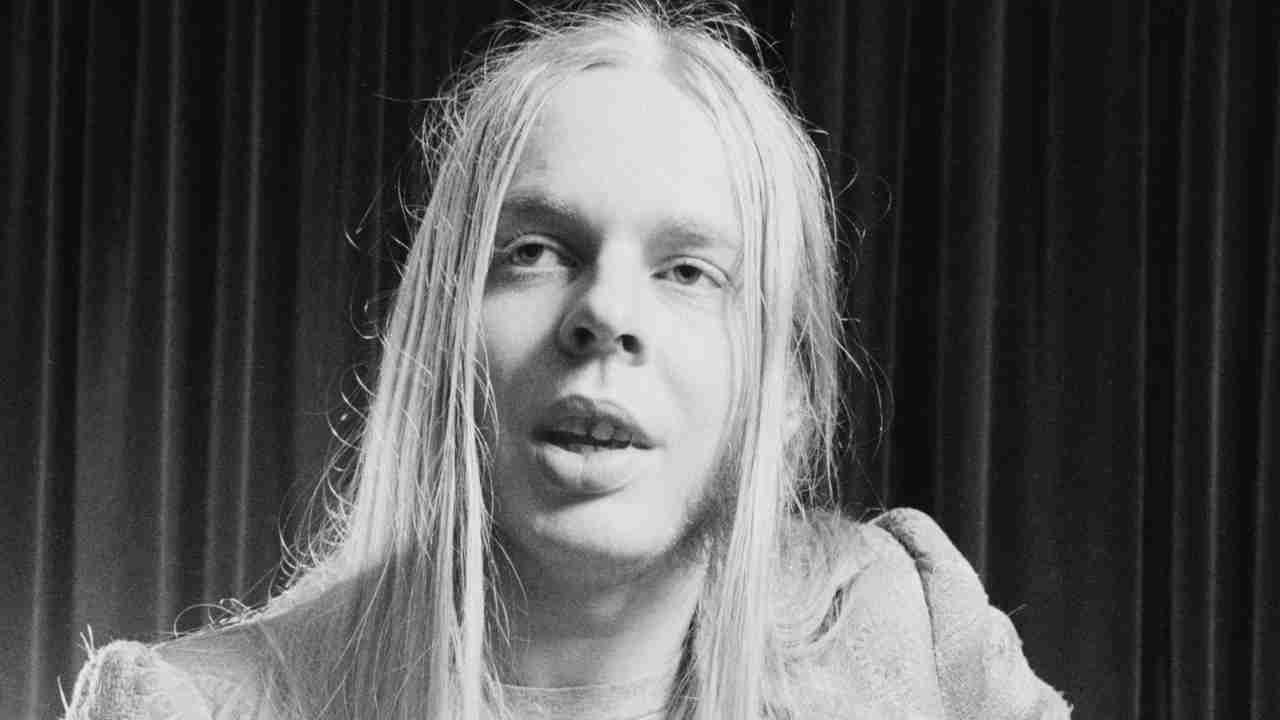
To support the record, Wakeman originally envisioned a massive medieval pageant at Tintagel Castle for 100,000 spectators. When logistical and local council permits made that impossible, he targeted London’s Wembley area. Finding the outdoor stadium impractical, he turned to the nearby Wembley Empire Pool (now the OVO Arena Wembley).
However, the venue had already installed an ice rink for an upcoming international ice-skating show. Rather than cancel the dates, Wakeman made the unprecedented decision to adapt his rock show to the ice. Between May 30 and June 1, 1975, Wakeman presented "King Arthur on Ice"—combining his rock band, a full orchestra, choir, and over 60 professional figure skaters dressed in full medieval armor and period costumes.
Phase V: Financial Aftermath and Rejoining Yes (1975–1976)
While all three Wembley shows were completely sold out, the astronomical costs of renting the venue, maintaining the ice, housing an orchestra, and funding a 60-skater cast proved financially ruinous. Wakeman personally underwrote the deficit. A subsequent tour of North and South America—conducted without the ice rink—failed to offset the massive financial losses. Facing severe debt and personal insolvency, Wakeman accepted an invitation to rejoin Yes in late 1976, contributing to their hit 1977 album Going for the One.
Supporting Context & Quantitative Metrics
The creation and staging of King Arthur represented an extraordinary expenditure of financial, technological, and artistic resources, characteristic of the mid-1970s progressive rock movement.
Production and Performance Metrics
| Metric | Detail / Value |
|---|---|
| Album Release Date | March 1975 |
| UK Chart Peak | No. 2 |
| US Billboard Peak | No. 21 |
| Primary Recording Location | Morgan Studios, London |
| Orchestral Ensemble | New World Orchestra (45 Musicians) |
| Choral Ensemble | English Chamber Choir (48 Vocalists) |
| Live Ice Show Venue | Wembley Empire Pool (May 30 – June 1, 1975) |
| Ice Cast Personnel | 60+ Professional Figure Skaters |
| Total Live Audiences (Wembley) | ~27,000 across 3 sold-out performances |
Technical and Instrumental Infrastructure
To achieve the grand scale of the album, Wakeman utilized an advanced rig of keyboard instrumentation:
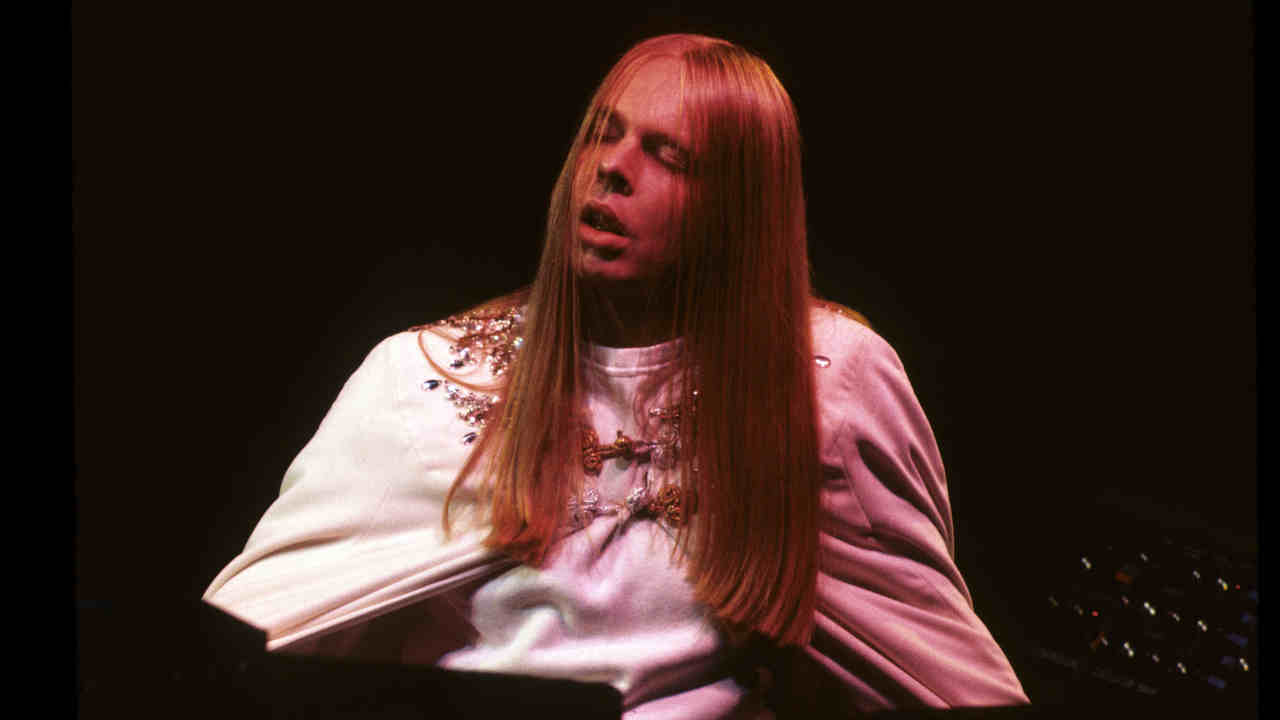
- Mellotron M400: Loaded with custom brass, string, and choir tapes to create atmospheric textures for tracks like "Guinevere" and "The Lady of the Lake."
- Minimoog Synthesizers: Used for high-speed, expressive lead solos, most prominently featured in the energetic rhythm shifts of "Sir Lancelot and the Black Knight."
- Grand Piano & Hammond C3 Organ: Providing classical counterpoint and traditional rock organ punch throughout "Merlin the Magician."
- Moog Polyphonic Synthesizer Prototypes: Offering dense, brass-like synth chords that mimicked a full orchestral section.
       [ Rick Wakeman's Keyboards ]
                  │
 ┌────────────────┼────────────────┐
 │                │                │
 ▼                ▼                ▼
[Mellotron M400] [Minimoog Lead] [Hammond C3 / Piano]
 (String/Choir)   (Synth Solos)   (Classical/Rock Core)
Official Statements and Contemporary Accounts
On Defying Medical Orders
Reflecting on his recovery at Wexham Park Hospital, Wakeman recounted the doctor’s explicit directives and his own inner resolve:
"I had been told that I would not be able to work again, and if I did my heart would give out. But I was having none of it. Writing ‘The Last Battle’ was probably my own last battle, because I wasn’t going to give in. It showed the piece had far more subconscious meaning than I’d realized when I wrote it. It was, in retrospect, as much about me as about events at Camelot."
— Rick Wakeman, interviewed by Classic Rock
On the Creative Vision and Label Pushback
Wakeman recalled the tension with A&M Records regarding the album’s expansive budget and classical integration:
"The label thought I was mad. I told them, ‘I want an orchestra, a choir, a rock band, and narrators.’ They said, ‘Rick, that’s going to cost a fortune.’ And I said, ‘Yes, but it’s King Arthur! It can’t be small.’ We were pushing the boundaries of what a concept album could be. It wasn’t just about the music; it was about the spectacle."
— Rick Wakeman, statement to The Strange Brew
On Staging "King Arthur on Ice" and Bowie’s Counsel
The decision to transform a logistical roadblock into a historic theatrical event was inspired by advice from a close friend and former collaborator, David Bowie:
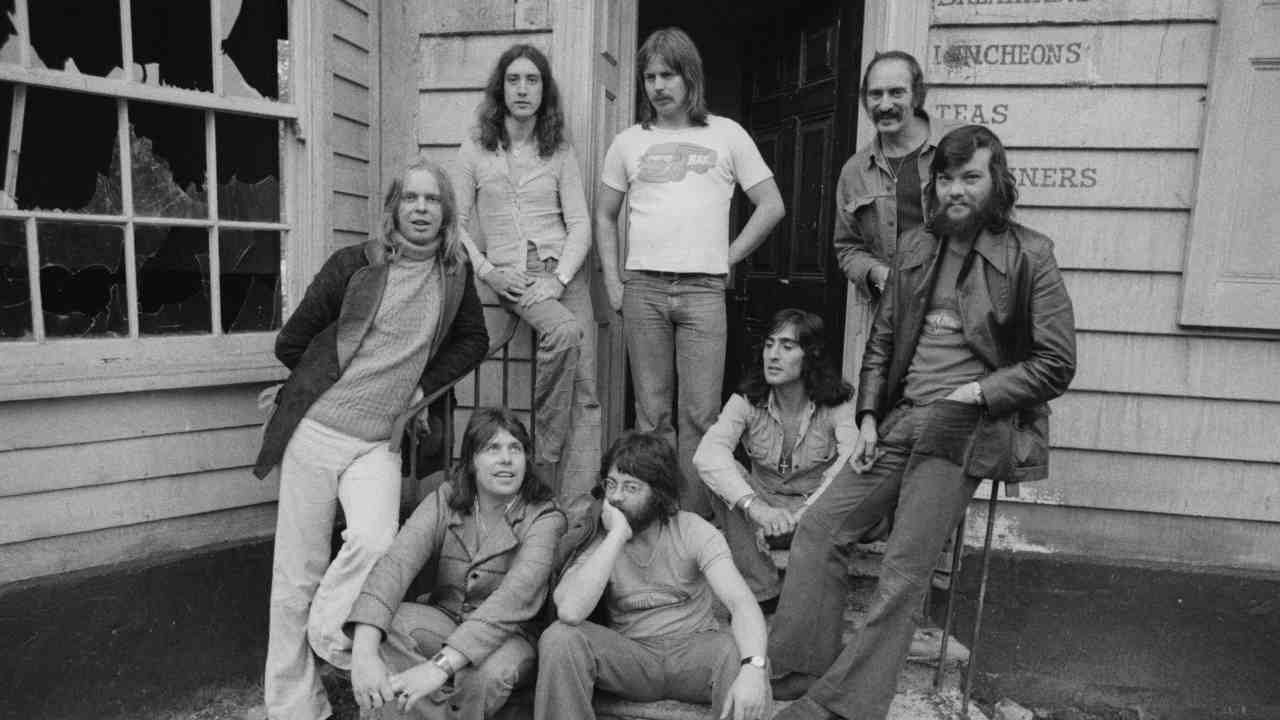
"I wanted to do the show at Wembley, and they said, ‘You can’t, there’s an ice rink installed.’ I said, ‘Sod it, I’ll do it on ice.’ I followed some great advice given to me by David Bowie, who told me to do what I wanted to do on stage, especially if I was using my own money. ‘Don’t let any promoter, agent or manager tell you,’ he said. ‘They don’t have the imagination.’ I’m forever indebted to David for that."
— Rick Wakeman, commentary featured in Metal Talk
Future Outlook and Lasting Legacy
In the decades following its release, The Myths and Legends of King Arthur and the Knights of the Round Table has transitioned from being viewed as a symbol of mid-70s rock excess to an acknowledged masterwork of symphonic progressive rock.
1975: Initial Release ──► 2016: Expanded Edition ──► Present: Cultural Cornerstone
(UK #2 / US #21)          (Re-recorded with full    (Reevaluated as a triumph
                          extended scoring)         of symphonic prog rock)
Critical Re-Evaluation
While music critics in late 1970s Britain—fueled by the rise of punk rock—frequently cited "King Arthur on Ice" as the ultimate example of rock star hubris, contemporary retrospectives view the project through a far more appreciative lens. Modern music historians highlight:
- Compositional Ingenuity: Wakeman’s ability to seamlessly weave a 90-piece orchestral/choral element into a progressive rock rhythm section without smothering the rock dynamic.
- Early Synthesizer Pioneer: The album stands as a historical benchmark for early synthesizer deployment, showcasing the Minimoog not just as a novelty effect, but as a primary lead instrument capable of complex narrative expression.
Re-Recordings and Modern Performances
In 2016, Wakeman revisited the project to fully realize the scope of the original concept. Unearthing original manuscript pages that had been cut in 1975 due to the timing limitations of vinyl records, he recorded an expanded edition of the album. The updated version featured new narration, extended instrumental sections, and a full choir and orchestra, culminating in headline performances at London’s The O2 Arena.
Ultimately, The Myths and Legends of King Arthur and the Knights of the Round Table remains a testament to an era when artistic vision knew no bounds. Born out of a young man’s refusal to accept a career-ending diagnosis, the album stands as a triumph of creative determination over physical limitation and commercial constraint.