Executive Overview
For millions of listeners worldwide, the arrival of warmer weather acts as a psychological and sensory defrosting. The shift from cold, inward-looking winter months to the sprawling daylight of summer fundamentally alters human behavior, prompting an exodus from interior spaces to parks, beaches, highways, and international terminals. While changing seasons are often marked by visual and atmospheric cues, it is the auditory landscape that truly anchors these moments in memory. A specific chord progression, a vintage drum break, or the ambient hum of a synthesized pad can instantaneously transport a listener back to decades-old holiday romances, golden-hour road trips, and lazy afternoons spent idling under a canopy of heat.
Music operates as the invisible thread weaving through our sun-lit days, serving as an emotional proxy for personal nostalgia. Recognizing the profound synergy between seasonal atmosphere and recorded sound, music critics and cultural curators have long sought to map the ultimate sonic companions for every conceivable summer scenario. This comprehensive editorial review examines ten foundational and contemporary records that define the modern summer experience. Spanning ambient meditations designed to neutralize terminal stress, yacht-rock classics built for endless coastal highways, icy trip-hop antidotes to oppressive heatwaves, feel-good reggae and soul for garden grills, and sun-soaked downtempo grooves for the shoreline, this collection offers a masterclass in how audio-spatial pairing elevates the human condition during the year’s most vibrant months.
Detailed Chronology: From 1970s Pioneers to Modern Curated Masterpieces
To understand how contemporary summer listening has evolved, one must examine a carefully curated timeline of landmark releases that transformed everyday environments into cinematic spaces.
The Late 1970s: The Birth of Environmental and Coastal Soundscapes
- 1978 — Brian Eno: Ambient 1: Music for Airports
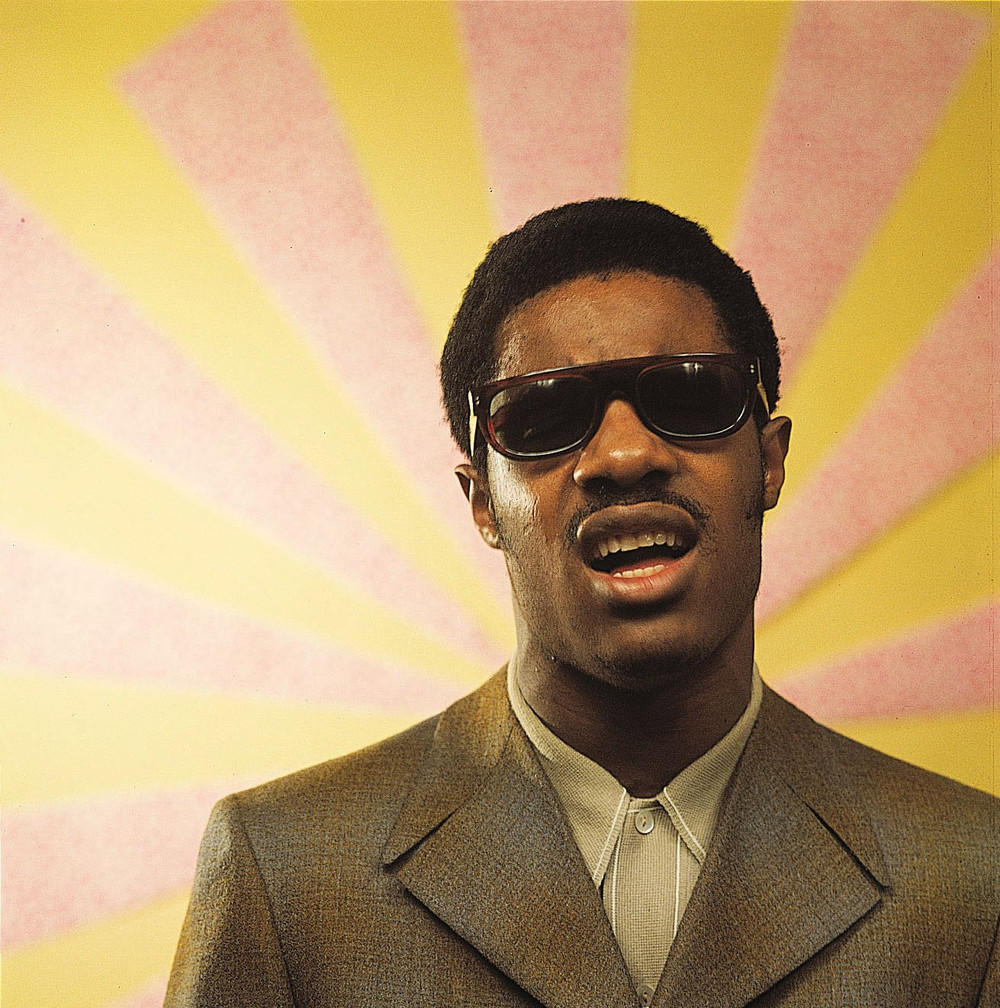
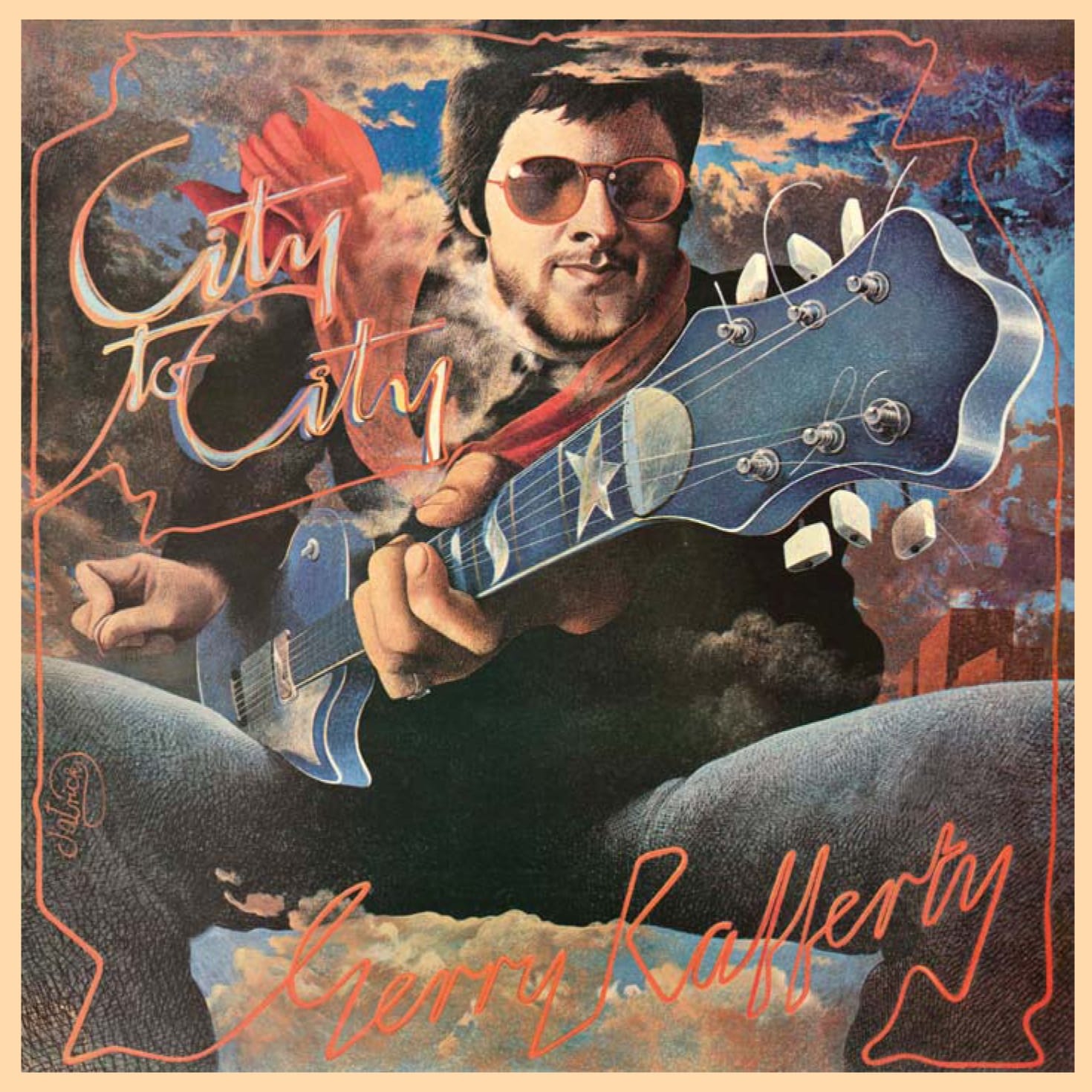
Frustrated by the sterile, high-anxiety architecture of modern terminals, Brian Eno conceptualized a genre-defining record that fundamentally shifted how humans experience transit. By utilizing slow-moving piano phrases, suspended vocal loops, and spacious synthesizer textures, Eno transformed spaces of forced waiting into chambers of tranquil reflection. - 1978 — Gerry Rafferty: City to City
As yacht rock reached its zenith on United States radio waves, Scottish singer-songwriter Gerry Rafferty gifted the world a breezy, saxophone-laced masterpiece. Highlighted by Raphael Ravenscroft’s searing, unforgettable performance on "Baker Street," the album established the blueprint for open-road cruising and sun-setting highway transit.
The Post-Punk and Golden-Era Reggae Movements
- 1980 — The Durutti Column: The Return of the Durutti Column
Released on Manchester’s legendary Factory Records, Vini Reilly’s guitar-work paired with Martin Hannett’s electronic production defined atmospheric tone. The iconic birdsong intro of "Sketch For Summer" captured the sensory experience of golden countryside views viewed through a passenger-side window. - 1973/1980 — Toots & The Maytals (Funky Kingston, 1973) & Stevie Wonder (Hotter Than July, 1980)
These records anchored the cultural shift toward feel-good communal celebrations. While Toots Hibbert blended reggae, funk, and working-class Jamaican resilience into barefoot garden party anthems, Stevie Wonder infused pop structures with political gravity and Caribbean basslines, perfectly capturing the communal euphoria of high summer.
The 1990s Downtempo and Trip-Hop Renaissance
- 1998 — Air: Moon Safari
French electronic trailblazers Nicolas Godin and Jean-Benoît Dunckel delivered 43 minutes of dreamy, downtempo electronica that forever changed pre-flight rituals. Establishing a precedent for ambient-pop that would ripple out to Lemon Jelly and Zero 7, Moon Safari remains the ultimate psychological buffer against travel fatigue. - 1998 — Morcheeba: Big Calm
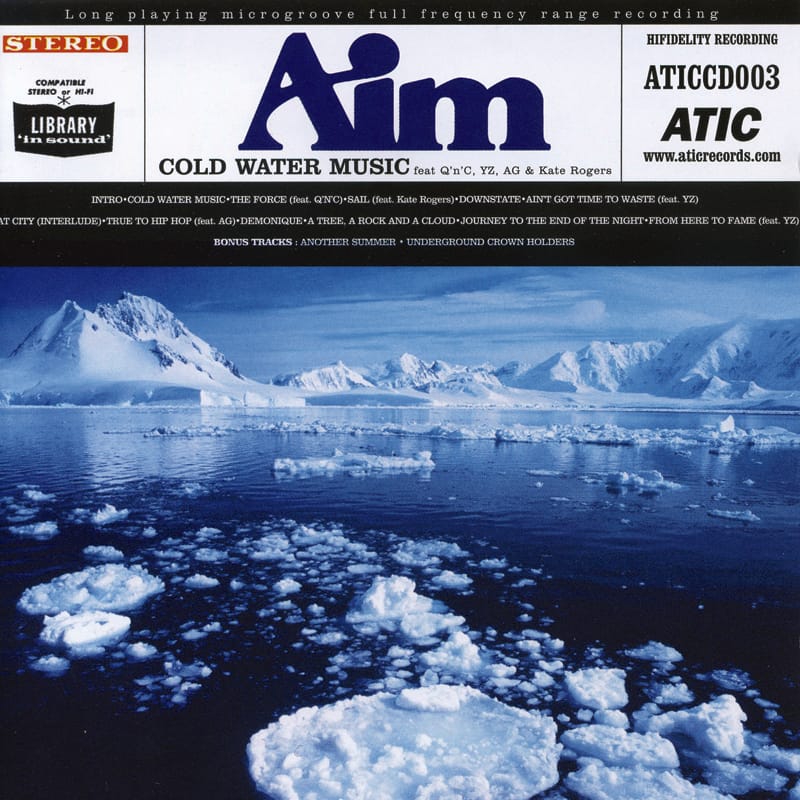
Anchored by Skye Edwards’ warm, undulating vocals and classic trip-hop breakbeats, this record married soul, jazz, and dub. Featuring sonic nods to The Temptations, Big Calm became the definitive soundtrack for luxury lounging, coastal cafés, and slow-paced seasonal living. - 1999 — Aim: Cold Water Music
Andrew Turner’s cinematic trip-hop debut introduced glacial synthesizer textures and unhurried boom-bap drum beats. Acting as an acoustic air conditioner during peak heatwaves, its understated brilliance invited listeners to pause and let the day drift by.
The Contemporary Era: Textures, Stillness, and Anticipation
- 2015 — Alabama Shakes: Sound & Colour
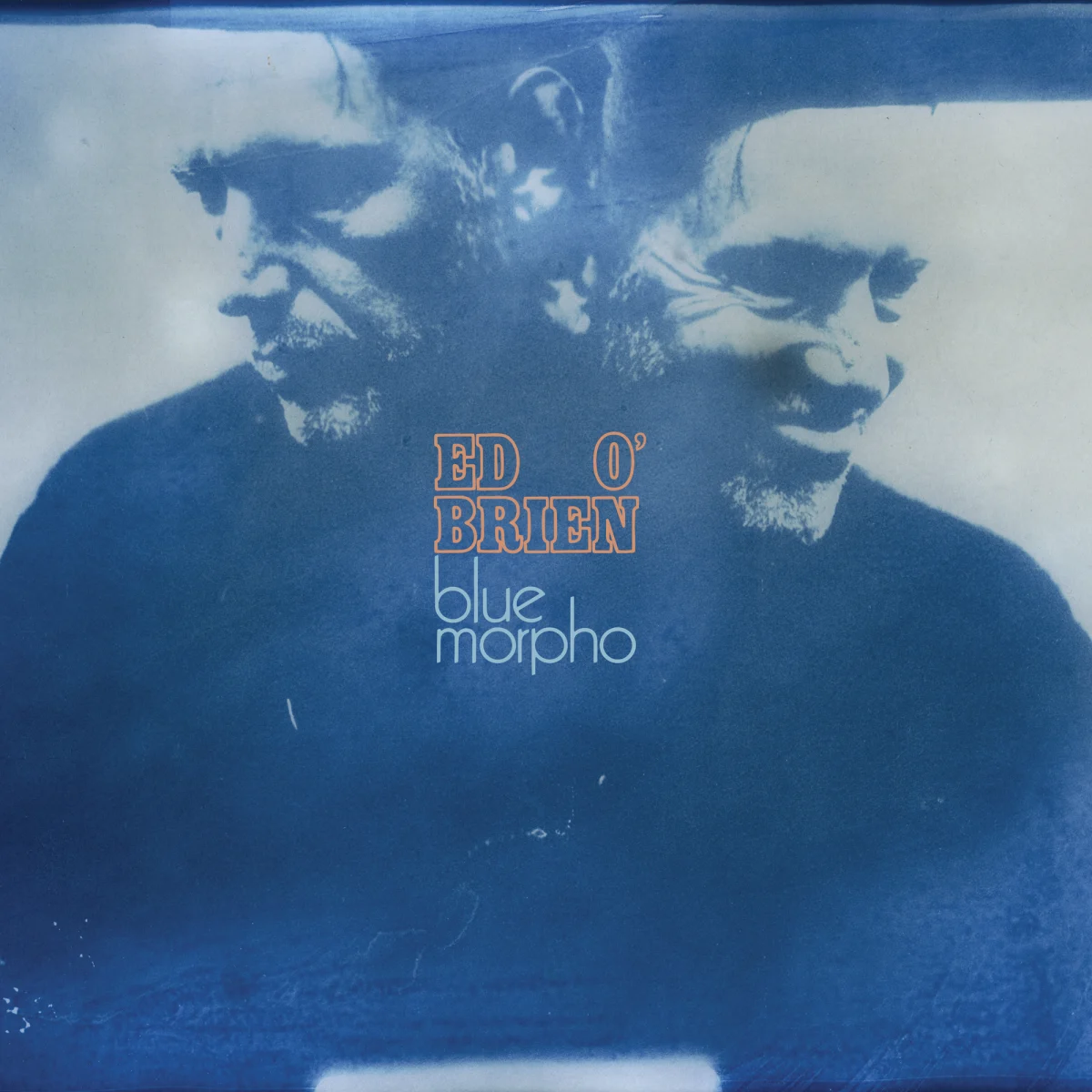
Blending psychedelic grooves with Brittany Howard’s powerhouse vocals, this record captured the tactile sensation of warm sunlight pressing against closed eyelids, cementing itself as a modern shoreline staple. - 2020–2026 — Ed O’Brien: Blue Morpho
Born out of Radiohead guitarist Ed O’Brien’s time in Brazil and subsequent isolation in the Welsh countryside, this crystalline blend of tropicália and ambient electronics offers listeners a shady, meditative retreat from soaring temperatures.
Supporting Context & Metrics: Categorical Analysis of Summer Audio
The curation of a summer playlist relies on precise atmospheric mapping. Below is a detailed breakdown of the five core categories explored in this survey, evaluating how specific sonic signatures interact with physical environments.
1. The Airport Terminal: Ambient Buffers Against Transit Fatigue
Air travel during peak summer months is routinely plagued by delays, overcrowded departure gates, and heightened adrenaline. Audio curation in this space requires psychoacoustic management.
- Key Releases: Air’s Moon Safari (1998) and Brian Eno’s Ambient 1: Music for Airports (1978).
- Acoustic Metrics: Low beats-per-minute (BMP) counts ranging from 60 to 80 BPM, minimal high-frequency percussion, and expansive reverb tails. These elements successfully mask terminal announcements and lower cortisol levels, effectively preparing the listener for cabin pressure transitions and post-vacation reentry.
2. The Road Trip: Pacing the Open Highway
Driving across long stretches of asphalt demands a dynamic audio companion that avoids both monotonous lulling and aggressive distraction.
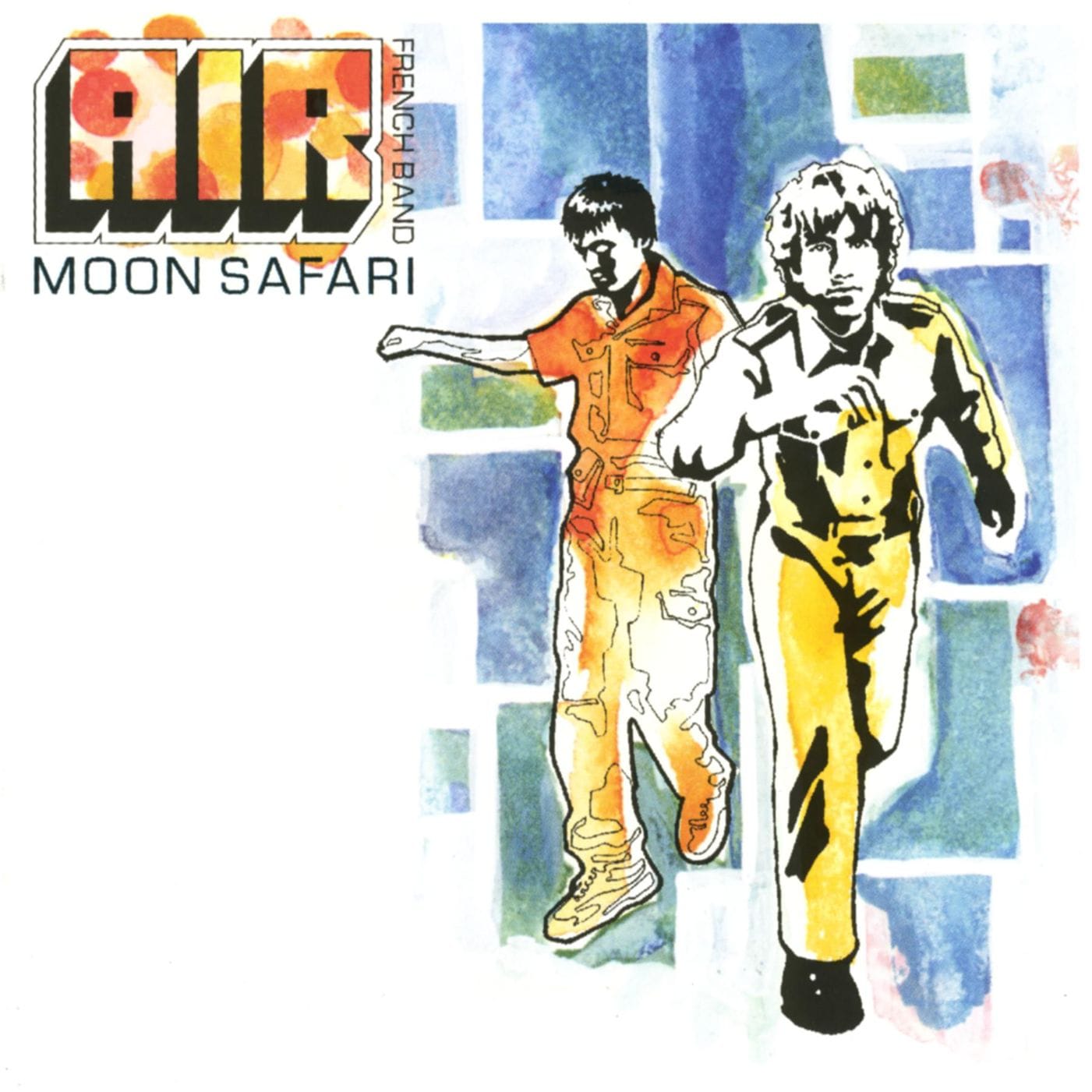
- Key Releases: The Durutti Column’s The Return of the Durutti Column (1980) and Gerry Rafferty’s City to City (1978).
- Acoustic Metrics: Mid-tempo grooves characterized by acoustic strums, wind-evoking saxophone lines, and steady percussion tracks. These records match the kinetic energy of vehicular movement while inviting panoramic visual engagement with passing coastlines and rural landscapes.
3. The Heatwave Refuge: Sonic Cooling Technologies
When ambient air temperatures climb past comfortable thresholds, human cognitive function slows down, and physical fatigue sets in. The brain actively seeks acoustic environments that suggest coolness, moisture, and shade.
- Key Releases: Aim’s Cold Water Music (1999) and Ed O’Brien’s Blue Morpho (2026).
- Acoustic Metrics: Icy synthesizer patches, underwater mixing effects, sparse arrangements, and lower vocal registers. These elements produce a psychological illusion of dropping temperature, mimicking a plunge into deep water or a breeze through a shaded canopy.
4. The Backyard BBQ: Communal Rhythms and High Energy
Outdoor social gatherings require an inclusive sonic foundation that bridges generations, encourages physical movement (such as dancing or grilling), and sustains energy over long afternoon-to-evening transitions.
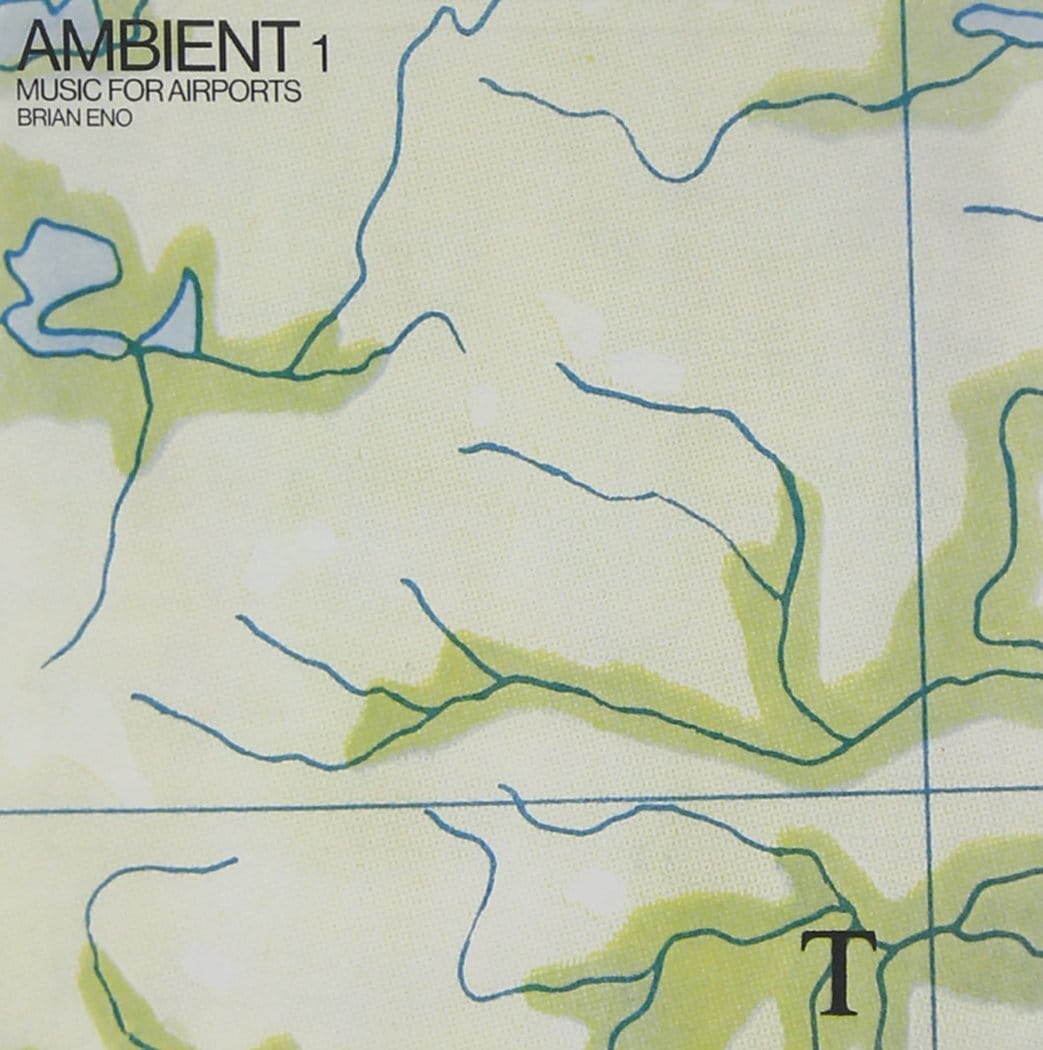
- Key Releases: Toots & The Maytals’ Funky Kingston (1973) and Stevie Wonder’s Hotter Than July (1980).
- Acoustic Metrics: Prominent off-beat guitar skanks (reggae/ska), syncopated basslines, infectious soul hooks, and socially conscious lyricism. This combination fosters a welcoming atmosphere where casual conversation and collective jubilation coexist.
5. The Beach Holiday: Shoreline Micro-climates
Coastal environments possess their own distinct white noise—namely, the breaking of waves and coastal winds. Music designed for this setting must harmonize with natural acoustics rather than overpower them.
- Key Releases: Morcheeba’s Big Calm (1998) and Alabama Shakes’ Sound & Colour (2015).
- Acoustic Metrics: Warm mid-range frequencies, organic instrumentation (guitars, electric pianos), and unhurried vocal deliveries. The resulting sound floats above the ambient roar of the ocean, creating a private auditory bubble for sunbathers and readers alike.
Official Statements and Curatorial Insights
Cultural music critics and industry tastemakers have increasingly emphasized the intentional design behind seasonal record consumption. In recent commentaries regarding the psychological impact of ambient and downtempo music, curators note a definitive shift in how listeners approach leisure.
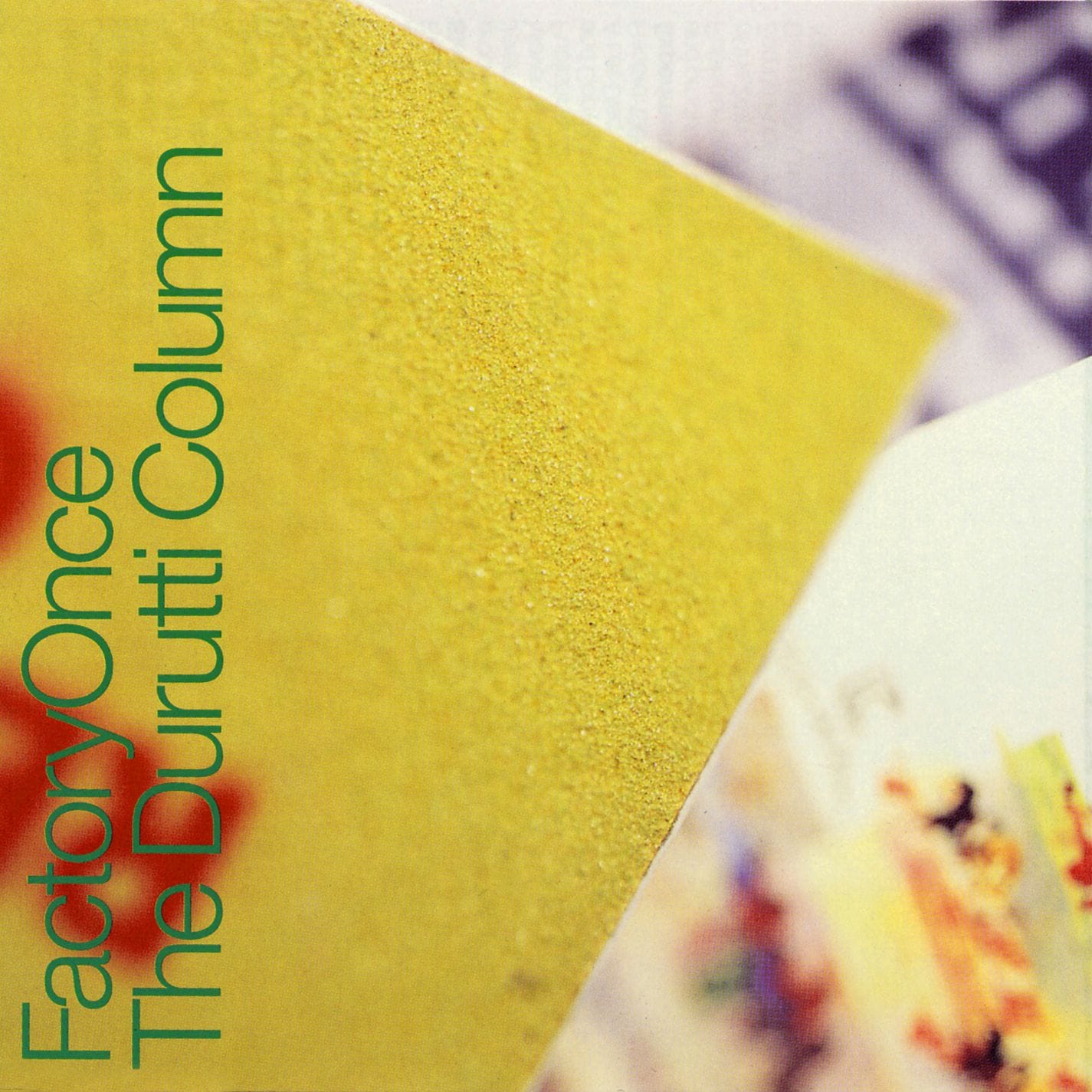
"Whether it’s to mellow you out before your outbound or as a cure to the holiday blues on the inbound—a bit of Air before you’re in the air is always the answer."
— Rough Trade Editorial Review on Air’s Moon Safari
Expanding on the enduring legacy of ambient interventions in public spaces, music historians emphasize that Brian Eno’s initial vision was radical for its time. Rather than attempting to capture commercial attention, Music for Airports was engineered to be "as ignorable as it is interesting." This philosophy has since informed generations of electronic producers seeking to alleviate the friction of modern transit and hyper-connected lifestyles.
Furthermore, contemporary artists continuing these traditions—such as Vegyn with his authorized 2024 rework Blue Moon Safari, or Ed O’Brien bridging Brazilian tropicália with Welsh rural stillness—highlight a growing demand for immersive, restorative audio experiences during periods of extreme environmental stress.
Future Outlook: The Evolution of Seasonal Soundtracking
As the music industry continues to adapt to streaming algorithms and hyper-fragmented listening habits, the traditional concept of the "summer album" is undergoing a fascinating transformation. While algorithms often push rapid-fire, singles-driven playlists designed for short attention spans, cultural pushback is driving a renaissance in full-length, album-oriented listening experiences.
Looking ahead, several major industry developments promise to shape the future of summer soundtracks:
- The Revival of Lost Instrumental Masterpieces: As demonstrated by The Durutti Column releasing Renascent—their first album in sixteen years—legacy ambient and post-punk acts are finding new audiences among younger generations seeking organic, non-digital textures.
- Cross-Continental Collaborations: Contemporary producers are increasingly looking to equatorial and tropical soundscapes (such as Japanese ambient-pop and Brazilian tropicália) to combat the sensory fatigue of urban heat islands driven by changing global climates.
- Immersive Audio and Spatial Soundscapes: With the widespread adoption of spatial audio technologies in consumer headphones, ambient and trip-hop masterworks like Music for Airports and Cold Water Music are being remastered to recreate physical spaces with unprecedented fidelity, turning a simple airline seat or hotel balcony into a bespoke acoustic sanctuary.
Ultimately, the soundtrack to summer remains a deeply personal yet universally shared pursuit. Whether seeking refuge from a heatwave, calm amidst travel chaos, or joy in a backyard gathering, the curated records detailed above stand as enduring monuments to the power of sound in shaping human memory and seasonal well-being.