Comedy icon Sacha Baron Cohen has officially resurrected one of his most polarizing and recognizable comedic alter egos: the tracksuit-wearing, slang-mangling television interviewer Ali G. In the newly unveiled trailer for the upcoming feature-length mockumentary Ali G: Who Iz I?—slated for a theatrical release on October 23 via Amazon MGM Studios—the fictional interviewer wastes no time setting the satirical tone. In a voiceover cataloging the downward spiral of global affairs over the past two decades, Ali G places pop megastar Ed Sheeran in the same breath as global pandemics and international warfare as prime examples of why the world has deteriorated.
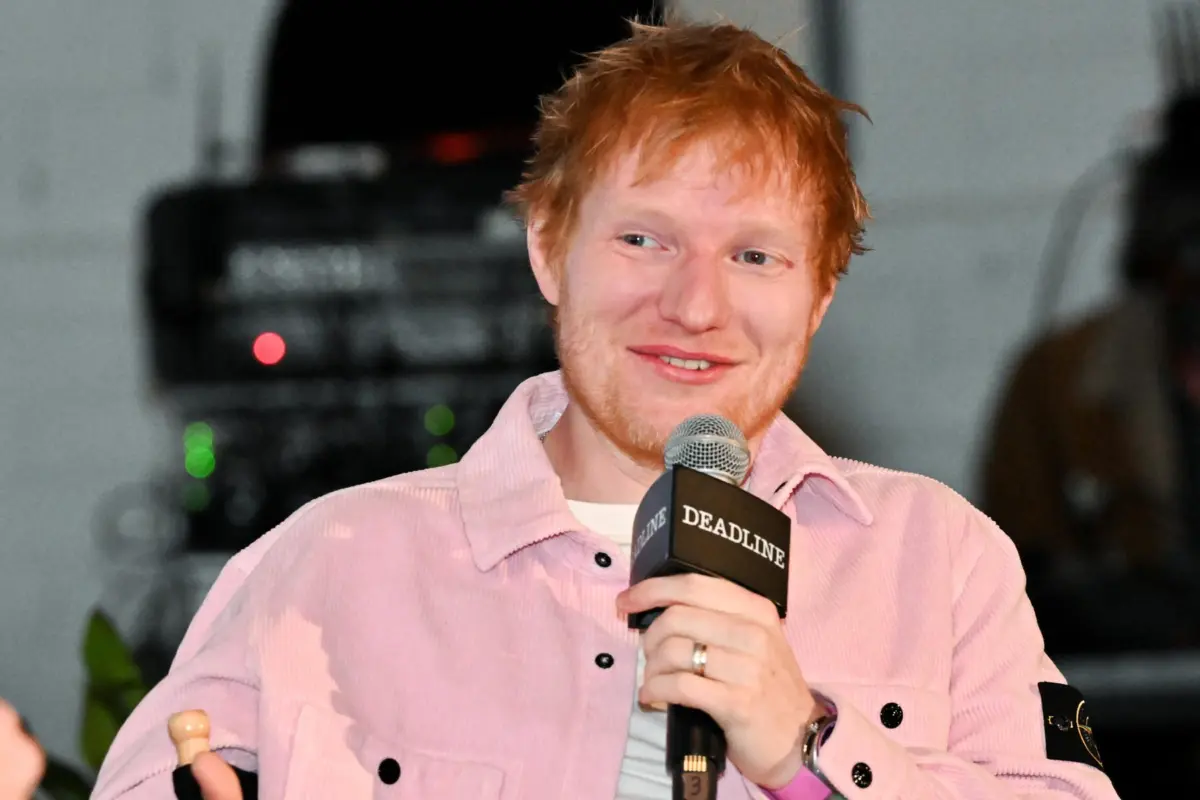
Rather than taking offense at being singled out by the satirical British broadcaster, Ed Sheeran embraced the surreal nod with characteristic humor, telling his millions of social media followers that being referenced by Ali G was a childhood dream come true. However, while the singer’s lighthearted reaction generated viral goodwill, the trailer has simultaneously reignited a contentious cultural debate in the United Kingdom. Critics and cultural commentators have raised fresh concerns over whether the character’s aesthetic—specifically its heavy reliance on a dreadlocked wig and Rasta-style hat—has aged poorly, prompting discussions about racial caricature in modern media.
This comprehensive report examines the cultural impact of the trailer, Ed Sheeran’s reaction, the secretive production history of Cohen’s latest cinematic venture, and the broader social backdrop surrounding the resurrection of late-1990s satire in today’s hyper-sensitive political climate.
Detailed Chronology of the Return of Ali G
The path toward Ali G: Who Iz I? has been characterized by absolute secrecy, calculated public stunts, and a deliberate nostalgia play by Sacha Baron Cohen.
From Late-Night British Television to Global Stardom
Created in the late 1990s, Ali G initially emerged as part of The 11 O’Clock Show on British television before landing his own hit program, Da Ali G Show. The character’s primary comedic engine relied on an elaborate form of journalistic entrapment: posing as an utterly ill-informed, culturally appropriative interviewer with an exaggerated urban British-Jamaican patois, Cohen would coax high-profile politicians, academics, and celebrities into making absurd, politically incorrect, or deeply revealing statements under the guise of an authentic youth-culture journalist.
Following the immense success of Da Ali G Show, the character leaped to the silver screen in 2002 with Ali G Indahouse, directed by Mark Mylod. While the film was a commercial success in the U.K., Cohen subsequently retired the character to focus on other breakout creations, including the Central Asian journalist Borat Sagdiyev, the Austrian fashion enthusiast Brüno, and the dictatorial Admiral General Aladeen. Over the ensuing two decades, Cohen transitioned successfully into straight dramatic acting, earning critical acclaim for projects such as The Trial of the Chicago 7 and joining the Marvel Cinematic Universe in Ironheart.
The Secretive Production and the Wimbledon Stunt
In typical Cohen fashion, the existence of Ali G: Who Iz I? was guarded behind a wall of strict confidentiality. Industry insiders report that production was finalized entirely under the radar, with no prior media leaks concerning a feature-length revival.
The first real-world hint of the character’s return occurred earlier this year during the Wimbledon Tennis Championships, where Cohen covertly appeared in full Ali G costume among unsuspecting spectators and media personnel. Witnesses at the tournament reported brief confusion as the iconic yellow tracksuit and signature facial hair were spotted in the stands, though onlookers initially assumed it was merely an enthusiastic fan paying homage rather than the actor filming promotional material or scenes for a secretive project.
The Trailer Release and the Ed Sheeran Shoutout
The official marketing campaign officially launched with the debut of the Ali G: Who Iz I? trailer. Narrated in character, the teaser features Ali G reflecting on the state of the world since he last graced the public consciousness.
Listing the major cultural and historical upheavals of the 21st century, the character deadpans:
"A lot has happened while I was away. We had wars. We had pandemics. We had… Ed Sheeran."
The punchline instantly drew massive attention across social media platforms, positioning the multi-platinum British singer-songwriter as an unexpected counterweight to geopolitical tragedy.
Supporting Context & Metrics: Ed Sheeran’s Viral Response and Box Office Expectations
The intersection of Sacha Baron Cohen’s subversive brand of comedy and Ed Sheeran’s mainstream pop dominance created an immediate digital splash, generating significant engagement metrics across Instagram, TikTok, and X (formerly Twitter).
The "Restecpa" Phenomenon
Ed Sheeran’s reaction to the trailer was swift and unpretentious. Taking to Instagram, the Grammy Award-winning artist shared the clip along with a caption that resonated instantly with fans of early-2000s British comedy:
"Tell 10-year-old me that Ali G would put him in his movie. Restecpa."
By employing "restecpa"—Ali G’s iconic, intentional mispronunciation of the word "respect" popularized in Ali G Indahouse—Sheeran demonstrated a sharp awareness of pop culture history. Within hours, the post accumulated hundreds of thousands of likes, with comments from fellow musicians, celebrities, and fans praising the singer’s self-deprecating humor.
Box Office and Distribution Landscape
Ali G: Who Iz I? represents a major milestone for Sacha Baron Cohen behind the camera. While previous cinematic outings such as Borat (2006) and Brüno (2009) were directed by Larry Charles, this project marks the first time Cohen has taken the directorial reins of a feature film himself.
Distributed by Amazon MGM Studios, the film is scheduled for a wide theatrical release on October 23. Industry analysts project strong opening weekend numbers, driven primarily by nostalgia-driven Gen-Z and Millennial audiences, as well as the enduring global curiosity surrounding Cohen’s unscripted interview methodology.
According to early plot details released by the studio, the narrative finds a newly resurfaced Ali G attempting to navigate modern society while grappling with the shocking discovery that his long-term girlfriend—played by actress Morgana Robinson—is pregnant.
Official Statements & Industry Reactions
While Ed Sheeran and his fan base welcomed the playful jab, the trailer’s release has not been universally embraced. The return of the character has sparked a robust public debate regarding the boundaries of satire, cultural appropriation, and whether comedic tropes from the late 1990s can comfortably survive in the cultural landscape of the mid-2020s.
The British Critical Backlash
In the United Kingdom, where Ali G was originally conceived and culturally embedded, the trailer met immediate scrutiny from various cultural commentators and cinema advocates. Critics have pointed out that the character’s primary visual identifiers—specifically the dreadlocked wig, the oversized streetwear, and the adoption of a caricature-heavy Rasta-style persona—rely heavily on racial and cultural mimicry that many argue has aged poorly.
A nascent cinema-boycott discussion has emerged across digital forums in the U.K., with detractors questioning whether a white British comedian donning a caricature of Black and Jamaican youth culture remains acceptable entertainment in an era increasingly sensitive to systemic representation and cultural stereotyping.
Defenders of the Satire
Conversely, defenders of Cohen’s work argue that Ali G was never intended as a literal depiction of a specific ethnic group, but rather as a satirical mirror held up to suburban British youth—frequently referred pejoratively in British culture as "chavs" or "wannabes"—who clumsily adopted elements of global hip-hop and Jamaican dancehall culture without genuine understanding.
Supporters emphasize that Cohen’s brilliance has historically lain in his ability to expose the hypocrisy, elitism, and underlying prejudices of the powerful elite by tricking them into taking an absurd, counter-cultural caricature seriously. Figures like former British Prime Minister Boris Churchill (then-politician Boris Johnson), the late Mohamed Al-Fayed, and numerous U.S. congressmen fell victim to Ali G’s interviews precisely because the establishment failed to recognize the satirical subtext beneath the superficial costume.
Future Outlook: What to Expect from Ali G: Who Iz I?
As the October 23 theatrical release date approaches, Amazon MGM Studios is expected to roll out an aggressive promotional campaign that will test whether a legacy character created at the turn of the millennium can successfully bridge the generational divide.
The Challenge of Modern Comedy
The central question facing Ali G: Who Iz I? is whether unscripted, ambush-style mockumentary comedy can still catch people off guard in an age where the internet and viral video culture have made the public hyper-vigilant against pranks and hidden cameras. When Cohen last deployed his signature tactics with Borat Subsequent Moviefilm in 2020, the political climate of the COVID-19 pandemic and the U.S. election provided a volatile, highly combustible backdrop that yielded international headlines.
Bringing Ali G back requires navigating a fundamentally different comedic ecosystem. Unlike Borat—whose foreign status allowed him to function as a naive foreign observer exposing American xenophobia—Ali G is inherently tied to late-90s British class dynamics, youth subcultures, and hip-hop aesthetics.
Will Ed Sheeran Make a Cameo?
Following the viral success of the trailer and Sheeran’s enthusiastic public response, industry speculation has intensified over whether the pop star might make a physical cameo appearance in the film itself. Neither Amazon MGM Studios nor Sheeran’s representatives have confirmed whether the singer interacted with Cohen beyond being the butt of the trailer’s opening joke, but fan anticipation for an on-screen interaction remains exceptionally high.
Ultimately, whether Ali G: Who Iz I? triumphs as a triumphant return of brilliant British satire or stumbles under the weight of outdated cultural tropes will be decided when audiences fill theaters this October. For now, Sacha Baron Cohen has successfully achieved his primary marketing objective: getting the entire cultural conversation talking about Ali G once again. And, as Ed Sheeran proved, sometimes the best response to being skewered by a cinematic icon is to simply ask for restecpa.