Executive Overview
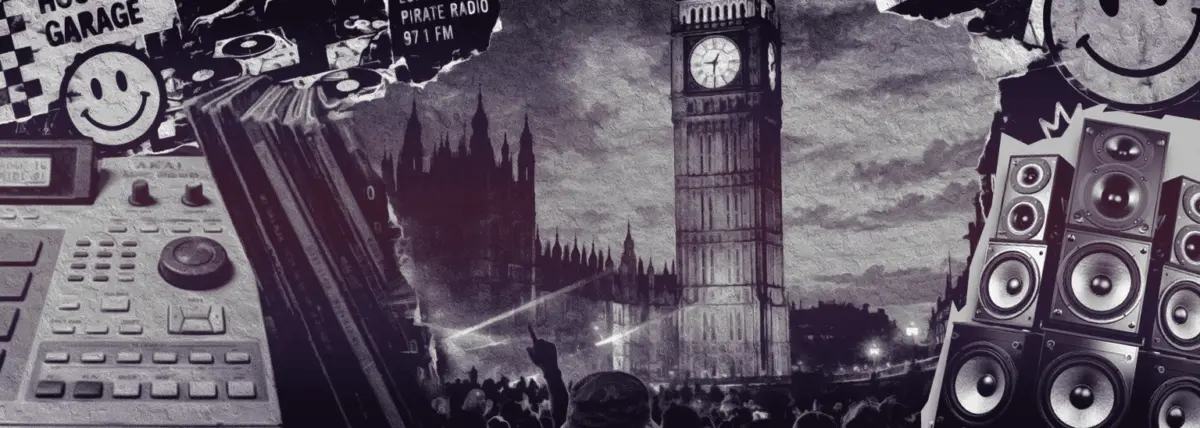
The rhythmic resurrection of UK Garage (UKG) is no longer a localized underground phenomenon; it is a global electronic music imperative. From pirate radio airwaves and damp London home studios in the late 1990s to massive festival mainstages where modern tastemakers like Sammy Virji command crowds at Coachella, the genre’s signature swing has captured the imagination of a new generation. Yet, UK Garage has always functioned as a sprawling sonic umbrella. It encompasses diverse movements: the deep, spiritual house imports of Todd Edwards’ Sample Choir E.P., the raw, homegrown 4/4 bassline weight of "Ripgroove," the emotional ecstasy of "Movin’ Too Fast," and the dark, wobbly European interpretations like Timo Maas’s iconic remix of "Dooms Night."
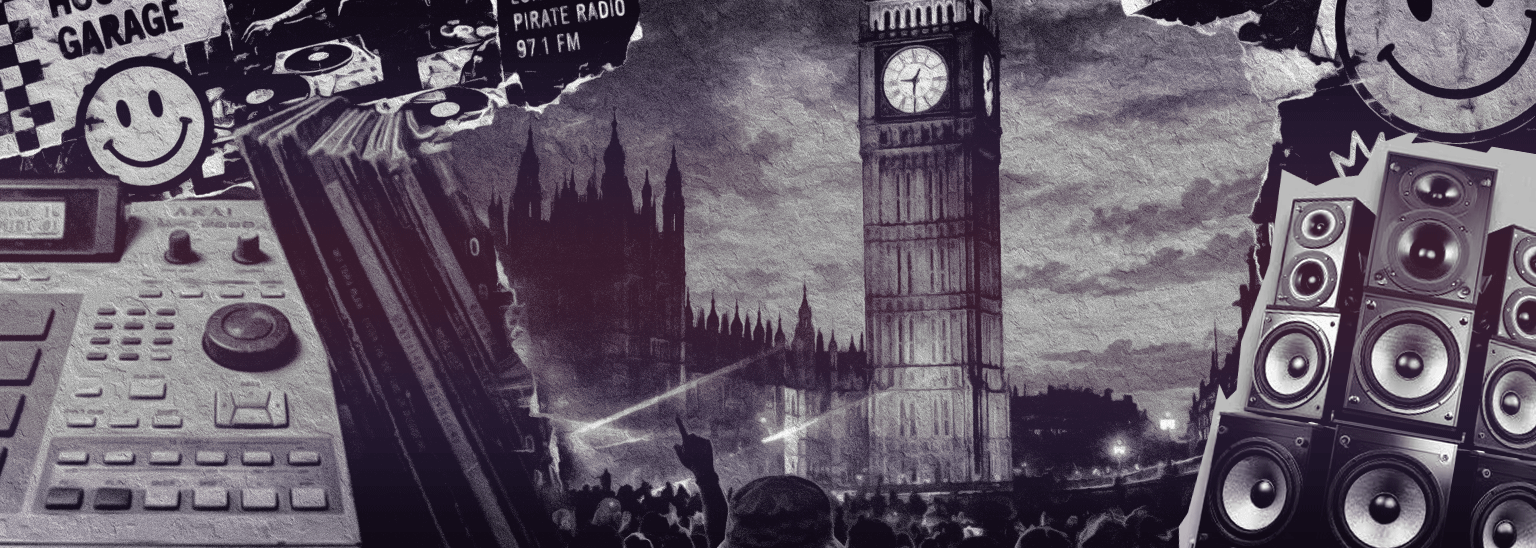
Among this rich tapestry of styles, 2-step remains UKG’s most authentically homegrown innovation. Alongside jungle, drum and bass, and dubstep, 2-step stands as a monument to Britain’s unique ability to synthesize its multicultural musical heritage into something entirely groundbreaking, rather than merely mirroring American imports.
This comprehensive production walkthrough deconstructs the architecture of a tight, timeless 2-step beat. Taking contemporary inspiration from Rose Holland’s rolling gem, Solid On The Ground, we will examine how to program a rhythm section that balances punch, negative space, and relentless hypnotic groove.

Executive Overview: The Cultural and Sonic Landscape of 2-Step
To understand how to program a modern 2-step beat, producers must first contextualize the cultural ethos of the genre. Born out of the convergence of US house, R&B, and jungle, 2-step developed a distinct identity characterized by its syncopated, off-kilter percussion. Unlike four-on-the-floor house or rigid techno, 2-step relies on the subtle push-and-pull of humanized timing, deliberate omissions, and an immense sense of space.
The genre’s history is deeply intertwined with the evolution of production hardware and software. In 1999, when tracks like Baby and Can’t Stop were pressed onto vinyl, producers were pushing samplers and workstations to their absolute limits to achieve that characteristic "skip." Today, digital audio workstations (DAWs) like Ableton Live offer infinite precision, but the secret to authentic 2-step remains rooted in intentional imperfection: unquantized placements, careful velocity mapping, and meticulous sound selection that leaves room for the bassline to breathe.

Detailed Chronology: Step-by-Step 2-Step Production Guide
Step 1: Crafting the Low-End Anchor — The Kick
In traditional techno or house, the kick drum is a massive, sub-heavy monolith designed to shake club foundations. In UK Garage and 2-step, however, the kick occupies a vastly different functional space.
UKG kicks require short release tails and typically lack deep, booming sub-frequencies. Instead, they are engineered to punch firmly in the upper bass and lower midrange. This deliberate engineering choice serves two vital purposes: it leaves essential frequency real estate open for heavy, rolling sub-basses, and it creates the temporal space necessary for the syncopated swing of the beats to breathe.

Implementation in Ableton Live:
- Primary Kick: Select the
Kick 70s 1sample. The foundational pattern features two kicks per bar—specifically on beats 1 and 1.3.3. - The Skip Accent: Every fourth bar, introduce an additional kick on beat 4.4.3. Give this hit a slightly higher velocity to emphasize the forward-driving skip of the rhythm.
- EQ Management: Apply a high-cut/low-cut filter (depending on terminology, cutting the extreme lows) around 100Hz–140Hz to strip away muddy sub-frequencies.
- Secondary Layer: To capture that synthetic, bouncy 2-step flavor, layer in a
Club Kick. Program these additional skips by ear, intentionally pulling them slightly off the grid to achieve that signature unquantized human feel. - Mixing Balance: Drop the volume of the
Club Kickby approximately 10dB relative to the main kick. This ensures the primary acoustic-leaning kick provides the weight while the synthetic layer injects bounce. The combined kick pattern should loop seamlessly over a two-bar phrase.
Step 2: The Driving Force — The Rimshot
If the kick establishes the weight, the rimshot provides the architectural skeleton of 2-step. The designated percussive hit does not strictly need to be a traditional rimshot; any dry, short, knocking noise will succeed as long as it possesses the correct timber—short, dry, and lacking excessive high-frequency brightness.

Programming the Foundation and Fills:
- Placement: The primary rim placement remains remarkably consistent across almost all classic 2-step productions: exactly one hit on every second beat.
- Layering for Tonality: Because rimshots carry considerable tonal character, layer two distinct samples together—such as Live’s
Rim 3k SharpandRim 90s MPC. To introduce structural variation over a two-bar groove, delete every fourth instance of theRim 90s MPC. - Skippy Rhythms: 2-step relies heavily on rapid, rolling rim patterns to maintain forward momentum. Program a busy secondary pattern using the
Rim DMX Fatso 2sample, pitched down by three semitones. - Call and Response: Layer in a complementary pattern utilizing the
Rim LDre 2sample, also pitched down by three semitones. Notice how these two alternating rim samples create an intricate question-and-answer dialogue spanning a two-bar loop. - Pro Tip: Skippy rim rhythms are frequently played melodically at varying pitches. Duplicate both skippy rim samples to new drum lanes, pitch the copies up or down by one semitone, and selectively relocate notes to the new lanes for added harmonic texture.
Step 3: Air and Movement — Hats and Rattles
The top-end shimmer of a 2-step record is forged through a meticulous combination of closed and open hi-hats, tambourines, shakers, and auxiliary percussion. While foundational producers in the late ’90s relied heavily on sampling breaks from external records, modern producers have access to extensive internal libraries.

Structuring the High-End:
- Pattern Variety: While some 2-step tracks utilize straight or swung 16th-note closed hats, others favor strict off-beat placement, or a hybrid of both. Crucially, the envelope lengths remain consistently short and punchy; even open hats are truncated to maintain a tight rhythm.
- Open Hat Layering: Initiate the top-end with two short open hat samples—
Hihat Open IronmanandHigh Open Machine Hard—both firing on the off-beat. Introduce a longer sustained note and a short skip note to theHigh Open Machine Hardlane to anchor the two-bar framework. - Tambourine Shakes: Implement a call-and-response dynamic utilizing a tambourine sample (such as
Tambourine Sampled at 86 bpm), pitched up by 8.44 semitones to lock into the track’s master tempo. Make the roll progressively longer every second bar. - Atmospheric Fillers: Sprinkle selective shakers, reversed hats, and auxiliary percussion into the rhythmic gaps. Avoid over-cluttering the mix or repeating identical sounds too frequently.
- Pro Tip (Transient Management): The golden rule for adding supplementary shakers and hats is avoiding sharp, competing attacks. Unfiltered sharp transients will clash with the primary percussive kicks and rims. Utilizing short, reversed hat or shaker samples solves this; simply nudge the reversed sounds forward on the timeline so their natural swell peaks where the hit belongs.
Step 4: Keeping It Fresh — Arrangement Edits and Fills
No dance music genre can sustain listener engagement over a six-minute club track without dynamic arrangement shifts. In 2-step, edits primarily manifest as sudden dropouts of kicks, snares, or hats at the conclusion of four- or eight-bar phrases, punctuated by accelerating roll fills.
Structuring the Edits:
- Kick Rolls: Program escalating rolls using the
Club Kicksample, accelerating progressively over the course of a bar. Leave a moment of pure silence right at the threshold of the next eight-bar section to maximize the impact of the drop. Drop out the main kick drum pattern entirely while the roll executes. - Phrase Transitions: At the end of eight-bar blocks, strip away the rimshots, open hats, and select percussive elements to create a dramatic breath in the arrangement.
- Crash Accentuation: Utilize short, high-pitched 909 crash cymbals. Position one clean crash at the downbeat of every new eight-bar block, and pepper in skippy, truncated crashes at the phrase endings to underscore your edits.
- Pro Tip: A classic 2-step arrangement trick is reintroducing the rimshot precisely on the final beat of bar eight to build intense psychological expectation for the subsequent phrase.
Supporting Context & Metrics: The Golden Rules of Workflow
Producing intricate, highly syncopated genres like 2-step requires immense cognitive focus, which can easily lead to auditory fatigue. To maintain objectivity throughout the mixing and arrangement process, professional producers adhere to strict workflow metrics:
- Implement Break Timers: Extended mixing sessions blur frequency bands in the human ear. Set strict intervals to step away from the monitors.
- The "Sleep On It" Rule: If mid-range frequencies begin to mask one another, cease work immediately and revisit the project upon waking. Allowing a track to "breathe" over several days provides vital psychological distance.
- Template Specifications: Keep standard organizational templates ready in your DAW to bypass the friction of sample hunting, allowing creative momentum to drive the initial rhythm programming phase.
Official Statements and Industry Perspective
Industry veterans and contemporary torchbearers alike emphasize that the enduring appeal of UK Garage lies in its refusal to adhere to rigid dogmas. As pioneer reflections and modern interviews indicate, the genre was forged in the crucible of pirate radio stations—environments where track selection had to be dynamic, immediate, and rhythmically surprising to keep dancers locked to the floor.
Sammy Virji, reflecting on the global export of UKG sounds to major festival stages, notes:
"The beauty of garage is that it’s never belonged to just one rulebook. Whether it’s Todd Edwards’ spiritual sample chops or the raw 2-step skip of pirate radio dubplates, it’s all about how the rhythm makes the body move in unexpected ways."
This sentiment echoes through generations of producers who view 2-step not merely as a set of rules for drum programming, but as an ongoing dialogue between rhythm, space, and community.
Future Outlook
As electronic music trends continue to cycle at an unprecedented velocity, the future of UK Garage and 2-step appears brighter and more expansive than ever. Far from being relegated to a mere 90s revivalist movement, modern producers are fusing classic 2-step swing with contemporary sound design—incorporating elements of hyperpop, ambient techno, and modern bass music.
By mastering the foundational mechanics of the kick, the rim, and the off-beat hi-hat—and respecting the vital importance of negative space—producers can ensure that their 2-step rhythms remain just as tight, driving, and timeless in future underground sessions as they were on the pirate radio broadcasts of yesteryear.