Executive Overview
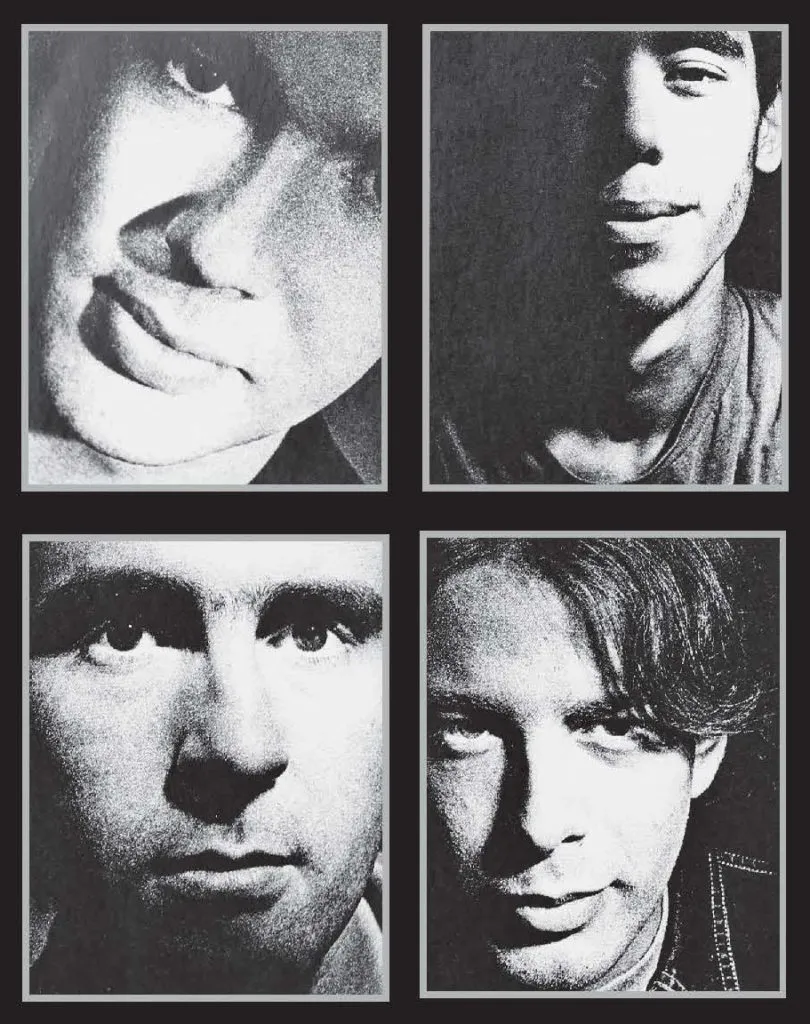
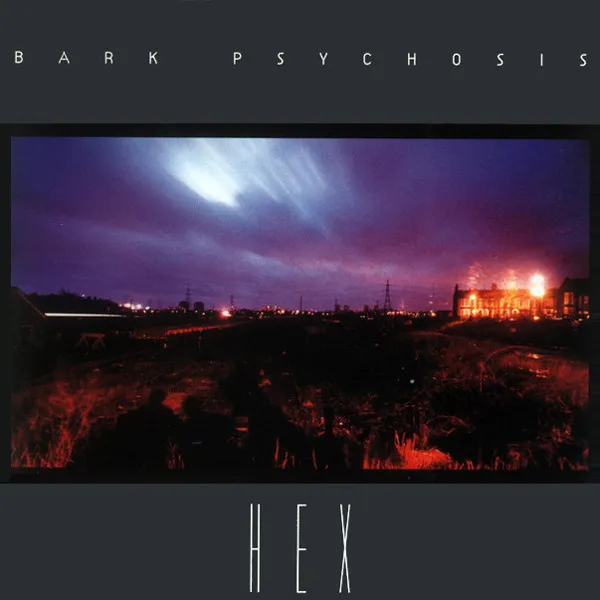
Forty years after its subterranean genesis in the suburbs and squats of London, Bark Psychosis remains one of modern alternative music’s most enigmatic and influential entities. Formed in 1986 by a pair of 14-year-olds—frontman Graham Sutton and schoolfriend John Ling—the project would inadvertently help lay the structural and aesthetic foundation for the entire post-rock movement. Their 1994 debut full-length, Hex, wedded ambient introspection to towering, meticulously detailed crescendos, weaving a singular spell of gloomy, glimmering isolation that captured the imagination of critics while exhausting its creators to the point of dissolution.
It would take two decades for a proper follow-up, ///CODENAME: dustsucker, to materialize in 2004, with Sutton standing as the sole continuous member and guiding force. In a candid, retrospective interview conducted by Chris Wheatley, Sutton reflects on a four-decade journey through the music industry—a path defined not by careerist ambition, chart metrics, or commercial compromises, but by an unwavering, almost maniacal devotion to pure sonic exploration. From early days squatting in Leyton and accidental encounters on South Woodford station platforms to pioneering the use of church acoustics and affordable digital sampling, Sutton’s trajectory offers a masterclass in artistic integrity. Today, as a sought-after producer who has left his fingerprints on records by These New Puritans and British Sea Power, Sutton looks back on the grueling creation of Hex with hard-earned perspective, proving that true innovation is often forged in the fires of personal sacrifice.
Detailed Chronology: From Schoolboy Mania to Post-Rock Pioneers
The Genesis and the Squat Years (1986–1990)
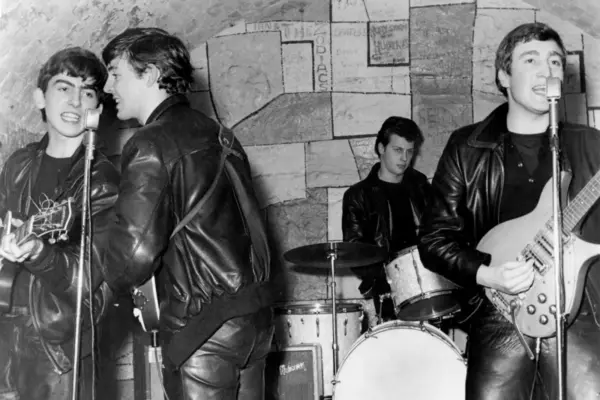
The story of Bark Psychosis begins long before the term "post-rock" was coined to describe the avant-garde instrumental leanings of the mid-1990s. For Graham Sutton, music was an omnipresent domestic fixture. Raised on heavy rotations of The Beatles—his mother’s copy of Rubber Soul played until the grooves wore thin, and falling asleep to the surreal soundscapes of Sgt. Pepper’s Lonely Hearts Club Band—Sutton understood early on that sound could transport the listener to alternate realities.
At just 14 years old, this appreciation curdled into an obsessive creative drive. Alongside schoolfriend John Ling, Sutton formed the precursor to Bark Psychosis. "It was like this mania," Sutton recalls. "I thought: this is what I’m here to do." Armed with a basic tape recorder and a primitive drum machine, the duo began sketching out ideas. Their baptism by fire came at a CND (Campaign for Nuclear Disarmament) benefit gig hosted at the Sir George Robey pub in Finsbury Park. Driven by absolute certainty, Sutton made a life-altering decision: he would leave school immediately after completing his GCSEs and drag Ling along into a life dedicated entirely to the band.
Sutton relocated from East London to Edgware in North London, but the logistical hurdles of collaboration quickly mounted. To solve the distance, Sutton began regularly commuting back to map out the band’s future, with securing a dedicated drummer acting as the primary objective. An advertisement placed in a local music shop brought drummer Mark Simnett into the fold. Realizing that the daily commute was unsustainable, Sutton joined Ling in squatting. The transient musicians eventually laid down roots in a derelict squat situated on Claremont Road in Leyton—a crucible of countercultural survival that would soon foster the band’s early lineup. It was within this unstable environment that they crossed paths with vocalist Sue Page, whose ethereal, ghostly harmonies would grace their earliest recorded outputs.
The Cheree Records Era and Label Strife (1990–1992)
Bark Psychosis’s entrée into the physical record market was brokered by a serendipitous encounter typical of London’s subterranean music ecosystem. While waiting on the platform at South Woodford station, Sutton struck up a casual conversation with Nick Allport and Vinita Joshi, a couple who operated an independent fanzine and micro-label under the banner of Cheree Records. Sensing a kindred spirit, the pair effectively adopted Sutton into their creative circle.
In 1990, Cheree released Bark Psychosis’s foundational 12-inch singles, All Different Things and Nothing Feels. These releases captured the embryonic stages of the band’s signature aesthetic: drifting, atmospheric rock compositions where traditional song structures dissolved into vast, textural soundscapes. The records drew immediate underground acclaim, prompting Cheree to push the band toward recording a full-length album.
However, corporate friction soon threatened to derail the project. The label brought in outside financial backers with whom the fiercely independent band fundamentally clashed. Salvation arrived via Gerald Palmer, a seasoned manager who had previously steered the psychedelic-noise ship for Spaceman 3. Palmer successfully untangled Bark Psychosis from their Cheree agreement, freeing them to sign with 3rd Stone Records.
By 1992, with the addition of keyboardist Daniel Gish, the expanded lineup released the Manman EP and the monumental single Scum. Clocking in at an audacious 21 minutes, Scum was a sprawling epic that collided experimental noise-rock with sophisticated, jazzy soundscapes. Reflecting on this uncompromising period, Sutton notes: "A lot of it came from being quite wilful, wanting to do something that was our own and nobody else’s. Nothing was guided by any sort of idea of a career; it was just, ‘How does this feel? Do we feel good doing this?’ For better or worse, it was done with the purest of motives."
The Masterpiece and the Breakdown: Hex (1994)
Seeking an even grander canvas for their impending debut album, Bark Psychosis signed to Circa, a subsidiary of Virgin Records. Buoyant from the spatial success of Scum—which had been recorded live inside the resonant architecture of St John’s Church in Stratford—Sutton engineered an intricate, multi-tiered recording methodology for their full-length debut.
"I came up with the idea that we’d lay down some frameworks, then there’d be a stage of overdubbing in the church," Sutton explains, breaking down the painstaking production process. "Then there’d be a further process of sequencing. Finally, there would be touch-ups and vocals, then we’d mix it."
Crucially, this period coincided with Sutton’s deep dive into the burgeoning world of digital sampling technology, which had recently become commercially viable for independent producers. Eager to manipulate found sounds and integrate them into the band’s organic instrumentation, Sutton ensured that sampling became a core pillar of the record’s sonic architecture.
The resulting album, Hex, arrived in 1994 to widespread critical acclaim. An absorbing, deeply atmospheric masterclass in dynamics, Hex moved effortlessly between ambient quietude and crushing, detailed crescendos. Yet, despite its eventual status as a touchstone of the post-rock canon, its commercial performance was modest, peaking at number 48 on the UK Independent Albums chart.
More critically, the grueling intensity of the recording process took a catastrophic toll on the band’s interpersonal fabric. "It took such a lot out of us," Sutton admits. "I felt very strongly that this might be our only shot of this, so I’m going to give it my absolute everything. The process of making it destroyed the band."
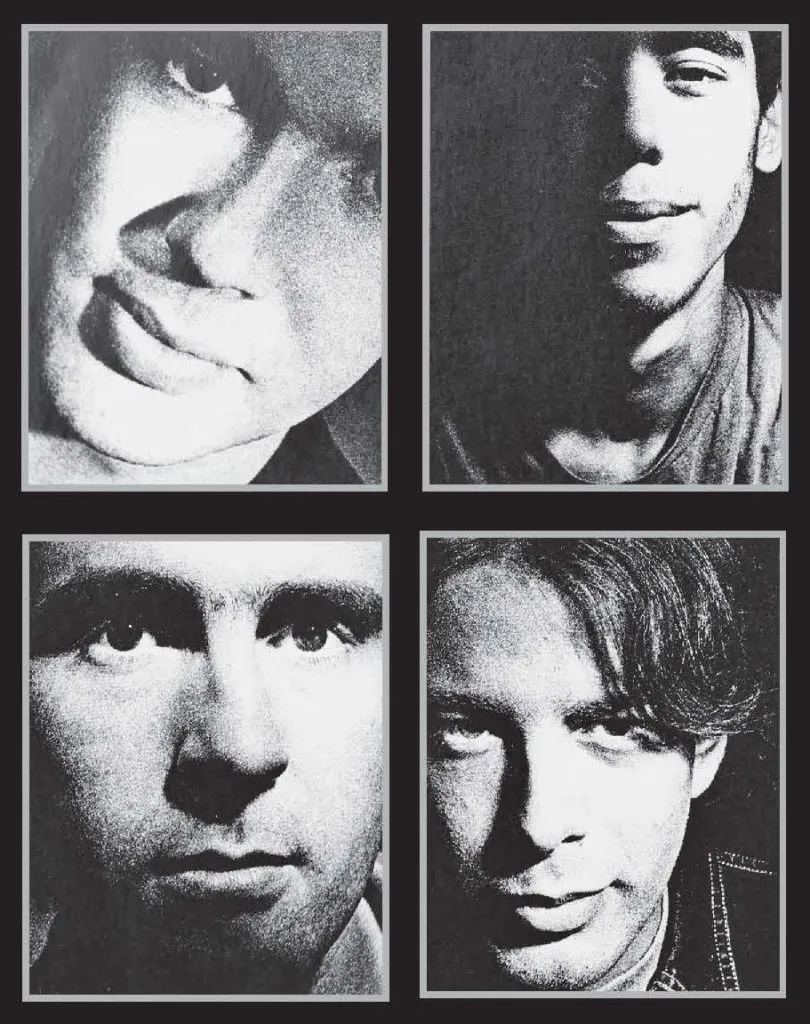
Under the crushing weight of the sessions, Daniel Gish departed mid-production, and John Ling left shortly after its completion. Though Sutton and Simnett attempted to keep the live incarnation afloat with brief tours, Sutton’s creative compass had already begun to spin toward new magnetic poles.
The Electronic Detour and ///CODENAME: dustsucker (1997–2004)
Mesmerized by the rhythmic urgency and complex programming of the emerging drum ’n’ bass movement, Sutton abruptly pivoted away from guitar-based music. Operating under the moniker Boymerang, he released Balance Of The Force through Parlophone in 1997—a critically lauded drum ’n’ bass full-length that showcased his acute ear for atmospheric breakbeats.
Yet, true to his instinctive nature, Sutton’s stay in electronic music’s mainstream wing was short-lived. "Almost overnight, something was telling me, I’ve got to do something else now," he recalls. He immediately began assembling material for a second Bark Psychosis record.
Parlophone, naturally, was resistant to funding an uncommercial, experimental rock project from an artist they viewed as an electronic producer. A protracted legal battle ensued. "Parlophone weren’t very happy, but I felt like I didn’t have any choice. If it doesn’t feel right, I can’t do it." It took Sutton years to successfully wrest the master recordings back from the label. When ///CODENAME: dustsucker finally saw the light of day via Fire Records in 2004, it proved that the Bark Psychosis ethos had lost none of its chilling sophistication, blending skeletal instrumentation with modern digital editing.
Supporting Context & Metrics: The Economics of Integrity
To understand the cultural footprint of Bark Psychosis is to understand a paradox: critical reverence existing in inverse proportion to commercial ubiquity. While Hex is now routinely cited by contemporary music historians and musicians alike as a foundational text of post-rock—sharing DNA with Talk Talk’s Spirit of Eden and Slint’s Spiderland—its initial commercial footprint was modest.
| Album / Release | Year | Label | Chart Peak (UK Indie) | Key Technical Innovation / Method |
|---|---|---|---|---|
| All Different Things (12") | 1990 | Cheree Records | N/A | Drifting atmospheric rock foundations. |
| Scum (Single) | 1992 | 3rd Stone Records | N/A | 21-minute improvised noise-rock recorded live in St John’s Church. |
| Hex (LP) | 1994 | Circa / Virgin | No. 48 | Multi-tiered framework overdubbing, church acoustics, early digital sampling. |
| Balance Of The Force (as Boymerang) | 1997 | Parlophone | N/A | Complex drum ’n’ bass programming and atmospheric breakbeats. |
| ///CODENAME: dustsucker (LP) | 2004 | Fire Records | N/A | Synthesis of organic post-rock instrumentation and meticulous post-production. |
Sutton’s transition into production following the completion of Dustsucker opened an unexpected financial and creative chapter. Receiving a postcard from Rough Trade’s Geoff Travis bearing the blunt, provocative inquiry, "CAN YOU MAKE ME A HIT?", Sutton was initially baffled. Accepting the challenge, he produced Southampton indie-pop outfit The Delays’ acclaimed 2004 debut, Faded Seaside Glamour. That single project triggered a wave of word-of-mouth recommendations that established Sutton as one of the most trusted ears in British alternative music, subsequently leading to collaborations with luminaries such as These New Puritans and British Sea Power.
Official Statements and Reflections
Graham Sutton’s reflections on his four decades in music are characterized by a total lack of bitterness, replaced instead by a quiet, grounded gratitude. Speaking on the enduring fascination with Hex, he notes:
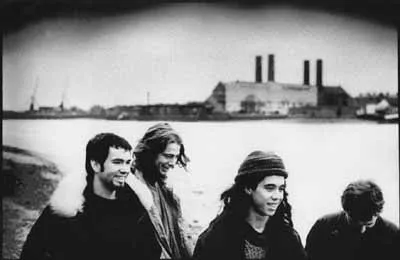
"It’s enormously gratifying that people still ask me about Hex, because I know how much went into it, and it was done for no other reason, no other purpose, than to try and do something as good as we could make it. So, the fact that people get something out of it, well, that’s nice."
Looking back on the uncompromising decisions that governed his career—walking away from major labels, abandoning genres at their commercial peaks, and dismantling his own band in pursuit of sonic perfection—Sutton encapsulates his philosophy with a single guiding principle:
"For better or worse, it was done with the purest of motives."
Future Outlook
As the conversation turns to the possibility of future Bark Psychosis material, Sutton offers a pragmatic, contented smile. When asked if fans will ever see a third studio album under the moniker, his response is characteristically candid:
"I don’t know. I’m just enjoying doing what I’m doing." And besides, he smiles, "I haven’t got the time!"
Engaged deeply in his flourishing production career and content with the immutable legacy cemented by Hex and Dustsucker, Sutton has little inclination to coast on nostalgia. Whether Bark Psychosis ever reawakens from its slumber remains secondary to the fact that its architect successfully preserved his artistic soul across four turbulent decades of shifting musical tides.
Interview conducted by Chris Wheatley. For further listening, the latest works from Sutton’s extended collaborators, including These New Puritans’ Crooked Wing, are available now via Domino Records.