Executive Overview
With a staggering discography spanning more than 700 recorded albums, two Grammy Awards to his name, and an esteemed position as an adjunct professor at the University of Southern California, legendary drummer Peter Erskine stands as an architectural pillar of modern rhythm. There are very few rhythmic nuances, time signatures, or stylistic evolutions within contemporary jazz and fusion that Erskine has not navigated, analyzed, and ultimately mastered.
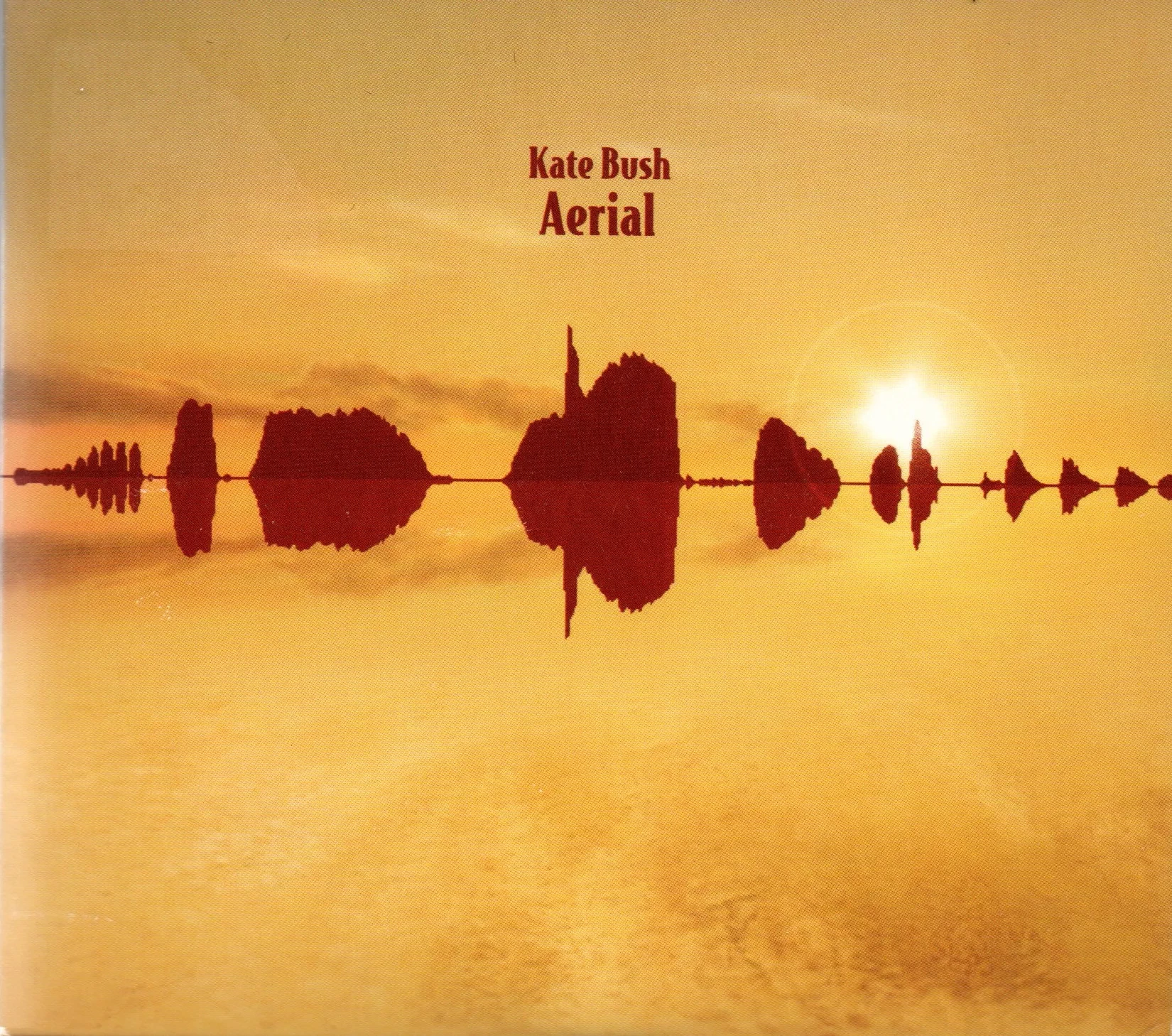
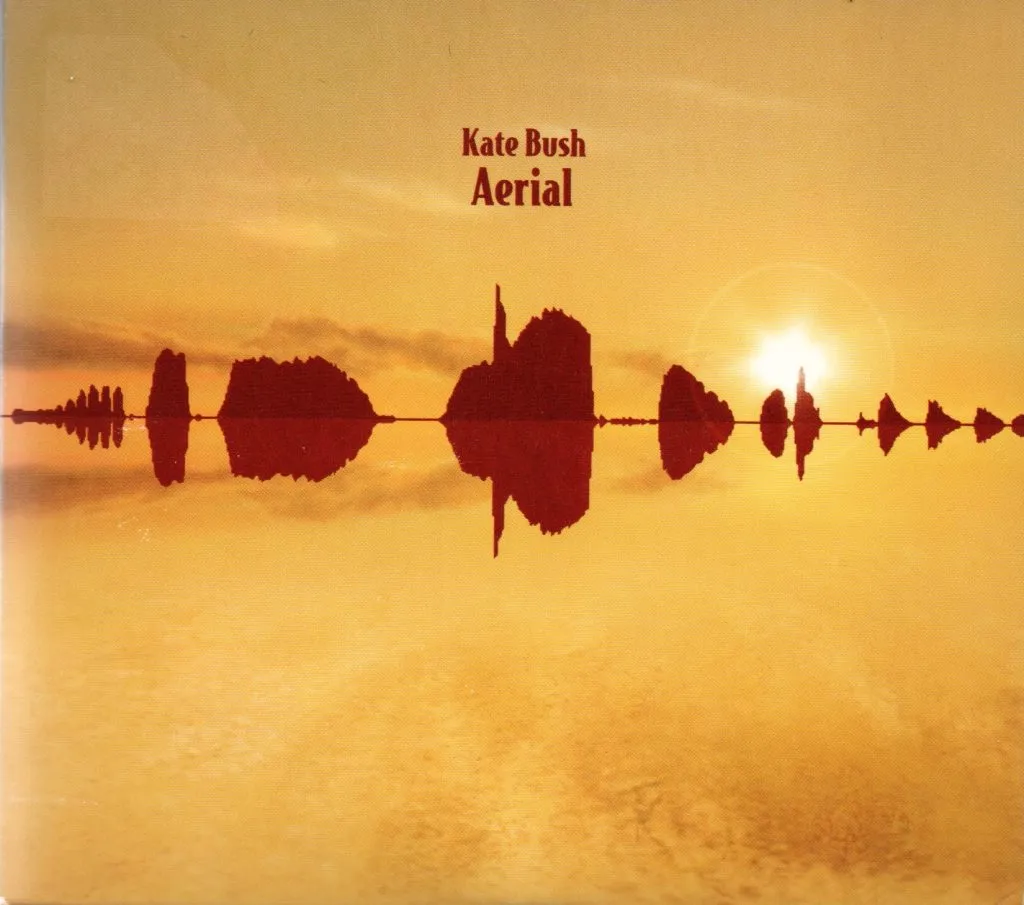
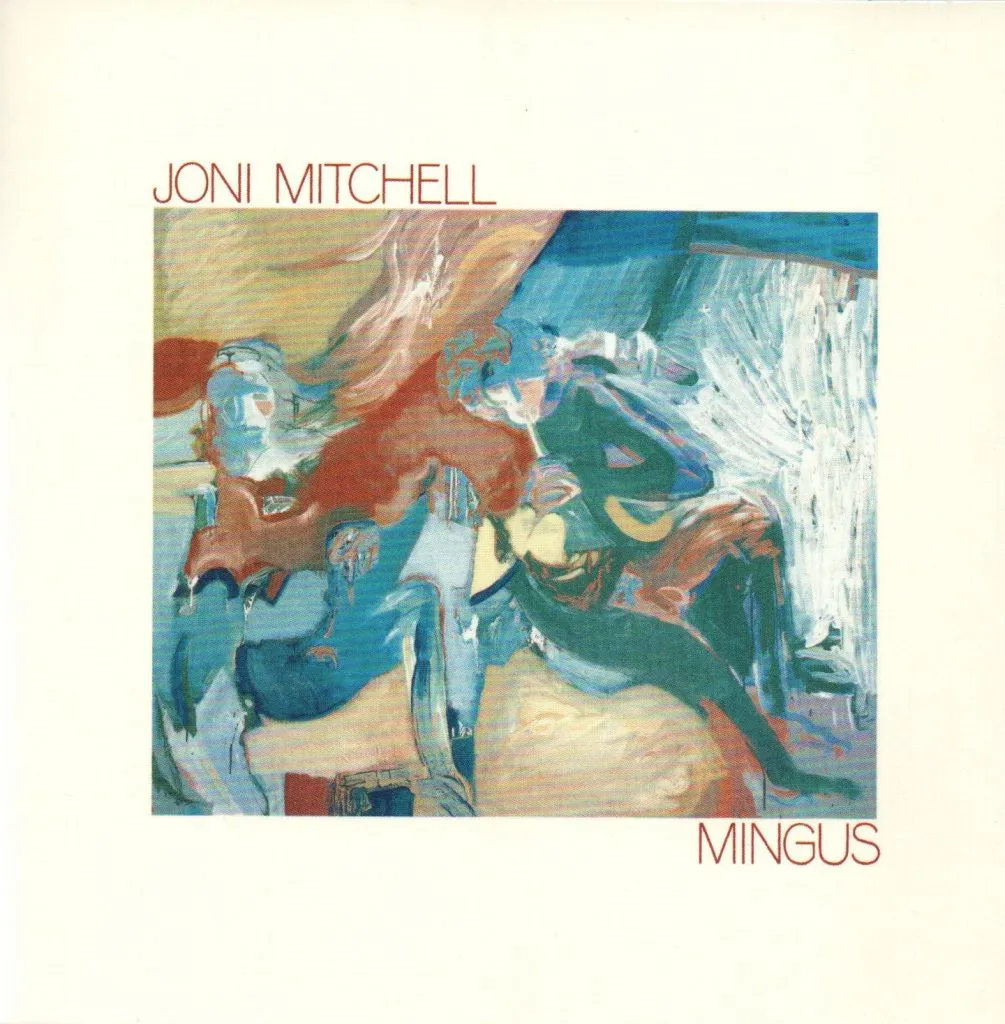
From his formative years under the tutelage of big band pioneers to his defining, genre-shaping tenure in Weather Report and his eclectic collaborations with pop and rock icons like Joni Mitchell and Kate Bush, Erskine’s trajectory mirrors the modern history of recorded music itself. This comprehensive retrospective explores the milestones, the musical philosophies, and the relentless artistic curiosity that define a true titan of the drum kit.
Detailed Chronology: From Big Band Prodigy to Fusion Royalty
The Early Years and the Stan Kenton Crucible
Peter Erskine’s immersion into music began at the remarkably tender age of four, a journey actively championed by his father, who had played bass and led his own collegiate swing band. Recognizing an innate sense of timing and an insatiable enthusiasm, Erskine was enrolled at the age of seven in his first jazz summer camp. It was here that destiny intervened, placing him in the direct orbit of the legendary bandleader Stan Kenton.
"Serendipity as well as destiny seem to have played their roles in my becoming the drummer for the Stan Kenton Orchestra," Erskine reflects. "Attending the summer jazz camps, he brought his music into my world and me into his orbit. Sooner or later, I would have the opportunity to audition for him."
Having absorbed Kenton’s recordings since childhood—and freshly graduated from the prestigious Interlochen Arts Academy, where he received rigorous foundational training in both big band and orchestral percussion—Erskine was more than ready. His three-year stint with Kenton was followed by a brief return to university and subsequent touring with high-register trumpet virtuoso Maynard Ferguson.
These massive big bands served as finishing schools for a generation of young instrumentalists. While small combo settings placed a premium on spontaneous improvisation, big bands demanded absolute mastery of ensemble dynamics, discipline, and reading proficiency. Crucially, musicians like Erskine were placed in environments where both skill sets could be rigorously developed while touring across the globe.
Weather Report: The "Big Four" Era
Though Ferguson was a gifted, uncompromising, and occasionally intense bandleader whom Erskine often credits as the best boss he ever worked for, a fateful encounter during a live performance changed the trajectory of Erskine’s career entirely. A visionary, fretless bass player caught one of Ferguson’s sets, setting the stage for a monumental leap into jazz-fusion history.
"My joining Weather Report was a matter of being in the right place at the right time," Erskine notes. "Jaco [Pastorius] heard me playing with Maynard. Weather Report were looking for a drummer who had both ensemble experience as well as improvisational abilities. I would need to work on developing my improvisational gifts as well as fortitude."
Described by co-founder Joe Zawinul (paraphrasing his mentor Julian "Cannonball" Adderley) as both "a state of mind and a fact of life," Weather Report was a crucible of brilliance. Alongside Zawinul, saxophonist Wayne Shorter, and bassist Jaco Pastorius, Erskine completed what aficionados fondly dubbed the "Big Four." For a golden window in the mid-1970s, this lineup represented the absolute cutting edge of jazz-fusion—or "modern American music," as Zawinul preferred to call it.
Despite his self-effacing perspective on his tenure—often deflecting praise toward earlier albums like Mysterious Traveller and Heavy Weather—Erskine’s contributions across four studio albums were deeply inventive. His intricate, powerful propulsion on tracks such as "Pinocchio," "Brown Street," "Port Of Entry," "Fast City," "Dara Factor One," and the stunning 8.30 live-and-studio cut "Sightseeing" proved vital to the band’s electrified peak.
Word Of Mouth and Steps Ahead
It was during his final stretch with Weather Report that Jaco Pastorius organized his legendary big band, Word Of Mouth, tapping Erskine to anchor the recording sessions for the groundbreaking 1981 self-titled album.
"Word Of Mouth reveals Jaco’s compositional abilities as well as his potential," Erskine recalls with visible reverence. "Had Jaco stayed alive, it’s impossible to imagine the incredible music he might have made. Such a loss for us all. Still, the music is powerful, audacious, soaring and beautiful."
One particular memory stands out from those sessions: during a mixdown at A&M Studios, legendary composer Burt Bacharach dropped by to listen to "Three Views Of A Secret." According to Erskine, it was the proudest he ever saw Pastorius.
Eventually, shifting creative visions and interpersonal friction prompted Pastorius to depart for his big band projects. Seeking a fresh musical environment, Erskine similarly exited Weather Report to join Steps Ahead, a more collaborative, fluid jazz union co-founded by saxophonist Michael Brecker and trumpeter Randy Brecker.
"Steps Ahead brought me to New York City, and that journey also brought me to Japan on several occasions, where I fell in love with the woman who would become my wife," Erskine shares. "So I have incredibly warm feelings about the band and those musicians. The Modern Times album stands the test of time just about as well as anything else I’ve ever done. Wonderful music."
Supporting Context & Metrics: A Global Footprint
To fully understand Peter Erskine’s impact on modern music, one must look at the sheer scale of his output and professional credentials:
- Discography Scale: Credited on upwards of 700 commercially released records, ranging from traditional acoustic jazz to progressive rock, big band orchestrations, and avant-garde compositions.
- Grammy Recognition: A two-time Grammy Award winner, reflecting both his technical excellence and his peerless contributions to ensemble recordings.
- Academic Leadership: Serves as an adjunct professor at the University of Southern California (USC) Thornton School of Music, shaping the next generation of global percussionists.
- Entrepreneurial Spirit: Founded his own independent record label, Fuzzy Music, around the turn of the century, granting him absolute creative autonomy over his catalog and artistic direction.
Official Statements and Industry Insights
Erskine’s career has been defined by a foundational philosophy: cross-genre pollination. Believing firmly that every musical experience informs and elevates the next, he has maintained an open-door policy toward diverse styles. This philosophy has led him to work with artists as varied as Vince Mendoza, Diana Krall, Steely Dan, and fiercely independent renegades like Joni Mitchell and Kate Bush.
"Joni was thanks to Jaco," Erskine explains regarding his transition into the singer-songwriter realm. "Kate was thanks to Mark-Anthony Turnage and the BBC. She saw and heard me in a documentary chronicling the addition of drums to an orchestral piece that Mark had composed. Joni and Kate are both incredibly powerful artists. Their music has spoken to countless listeners. How fortunate for me to be the drummer on some of their work."
These cross-overs underscore a rare versatility. Where many jazz drummers struggle to adapt to the idiosyncratic time feels of pop auteurs, Erskine brought jazz sophistication without ever crowding the emotional core of the songs.
Future Outlook: The Acoustic Renaissance
Having conquered the realms of big band swing, high-octane fusion, and art-pop percussion, Erskine entered a new chapter in 2015 by forming Dr. Um alongside vocalist Jack Fletcher. Named as a playful nod to his percussive moniker, the project released three critically acclaimed albums exploring rhythmic freedom and electric experimentation on Fuzzy Music.
Yet, artistic evolution is a cyclical journey. After years of exploring electric landscapes, Erskine has experienced a profound shift back toward the unamplified purity of the traditional drum kit.
"Dr. Um was fun," Erskine concludes. "But I’m back to acoustic music-making now. I had to get some of the lingering electric out of my system, but nothing beats the purity of playing an instrument softly, sweetly, and swingingly. THAT is not something I was ready to know or learn when I was a younger drummer in all of those different bands."
As he continues to educate at USC, manage his boutique label, and perform in stripped-down acoustic settings, Peter Erskine proves that true mastery is not a destination, but a lifelong, ever-refining dialogue with time, space, and sound.