Executive Overview
Long before the advent of modern assisted reproductive technologies, in-vitro fertilization, and clinical endocrinology, the human struggle with infertility was a profound source of emotional grief and social anxiety. In the medieval period, conceiving an heir was not merely a private, domestic milestone; it was a matter of intense public interest, governed by the rigid expectations of family dynasties and the overarching dogma of the church. Both societal institutions viewed the ultimate purpose of marriage as procreation, leaving childless couples to navigate a labyrinth of social scrutiny, unsolicited advice, and deep personal distress.
Recent historical research into medieval reproductive disorders uncovers a fascinating intersection of science, folk tradition, and religion. Far from being passive sufferers, medieval couples actively sought explanations and remedies for their reproductive challenges. Drawing from a blend of ancient medical traditions, folk remedies, and spiritual interventions, people in the Middle Ages tackled infertility using the tools available to them.
While the medical and religious frameworks of the 14th and 15th centuries differ vastly from modern biomedicine, the emotional weight of their journeys—characterized by hope, frustration, unsolicited family advice, and the heavy burden of social expectations—remains strikingly familiar to contemporary experiences.
Detailed Chronology: The Historical Trajectory of Reproductive Thought
To understand how medieval society approached infertility, historians examine a mosaic of personal letters, ecclesiastical texts, and hagiographies that trace the evolution of reproductive beliefs from the early Middle Ages through the Renaissance.
- The Late 12th Century (Spiritual Interventions): Accounts from monastic chroniclers highlight the spiritualized nature of reproductive trauma. For instance, records from England concerning the hermit Godric of Finchale document couples seeking miraculous relief after devastating series of miscarriages and stillbirths, viewing their grief through the lens of divine judgment and grace.
- The 11th to 13th Centuries (The Translation Movement): European universities and scholars engaged in a massive intellectual revival, translating ancient Greek medical texts (such as those by Hippocrates and Galen), which had been expanded and preserved in the Arabic-speaking world, back into Latin. This fusion of medical knowledge laid the groundwork for the humoral theory of reproduction that would dominate European clinical thought for centuries.
- The 14th Century (The Datini Case Study): The preserved correspondence of Francesco and Margherita Datini, a prominent 14th-century Italian merchant couple, offers an exceptionally rare, granular look into the private frustrations of childlessness. Their letters detail consultations with professional physicians alongside a barrage of folk remedies and spiritual directives offered by well-meaning friends and relatives.
- The 13th to 15th Centuries (The Cult of the Saints): Compilations like The Golden Legend—a wildly popular collection of saintly biographies—solidified the cultural narrative that closed wombs were often intentional divine pauses meant to precede miraculous, late-in-life births, directly mirroring biblical matriarchs.
Supporting Context & Perspectives: Medicine, Humorism, and the Divine
Medieval explanations for reproductive dysfunction generally crystallized around two primary systems: natural science and divine will. Rather than operating in opposition, these frameworks frequently overlapped, offering couples a dual pathway of treatment and hope.
The Humoral Body and "Hot" Cures
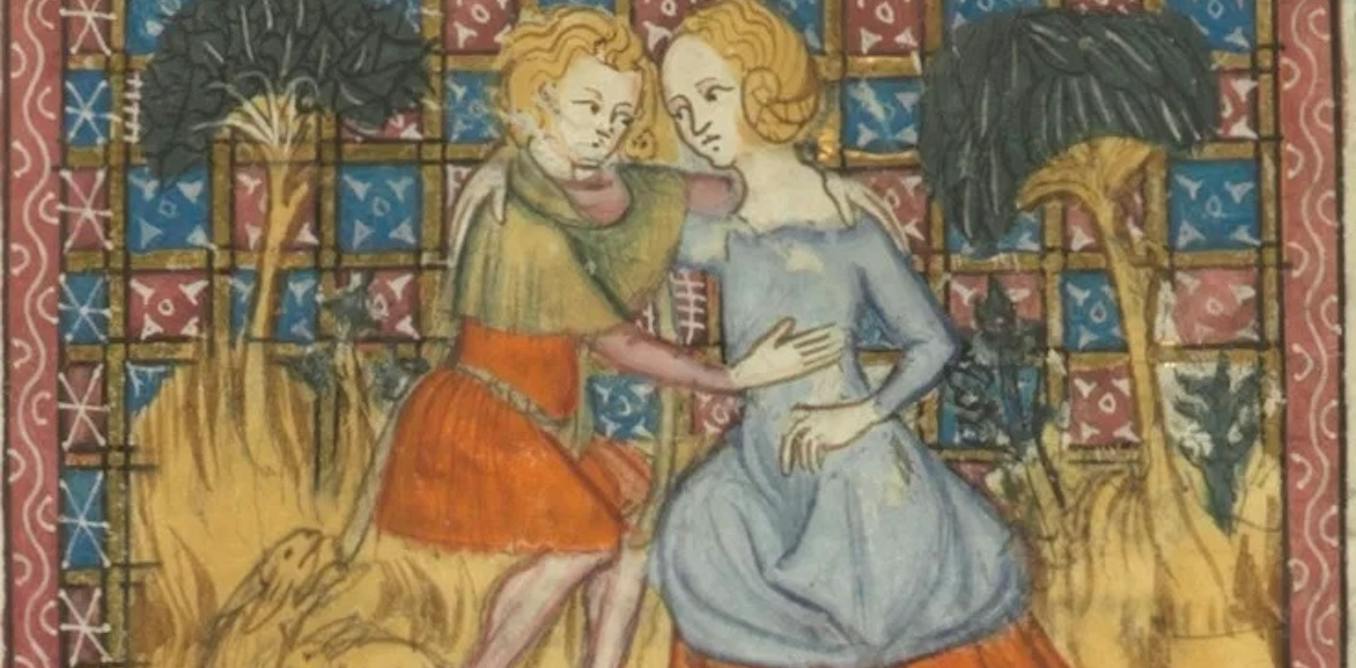
Medieval European physicians inherited their understanding of the body from ancient Greco-Arabic traditions, anchoring their diagnoses in the humoral theory. This model posited that human health depended on maintaining a delicate balance of four primary bodily qualities: heat, cold, moisture, and dryness.
Within this framework, infertility and sexual dysfunction were frequently diagnosed as conditions of excessive "coldness." Because reproductive processes were believed to require vital heat to generate and nurture seed, cold humors were thought to stagnate the body and prevent conception. To counteract this, physicians and apothecaries prescribed "hot" remedies. Patients were advised to consume warming spices—such as cinnamon, ginger, and pepper—and foods categorized as heat-inducing.
While humoral medicine has long been supplanted by modern biomedicine, it provided medieval patients with a coherent, logical system that mapped out clear trajectories for treatment and self-care.
The Theological Dimension: Judgment Versus Grace
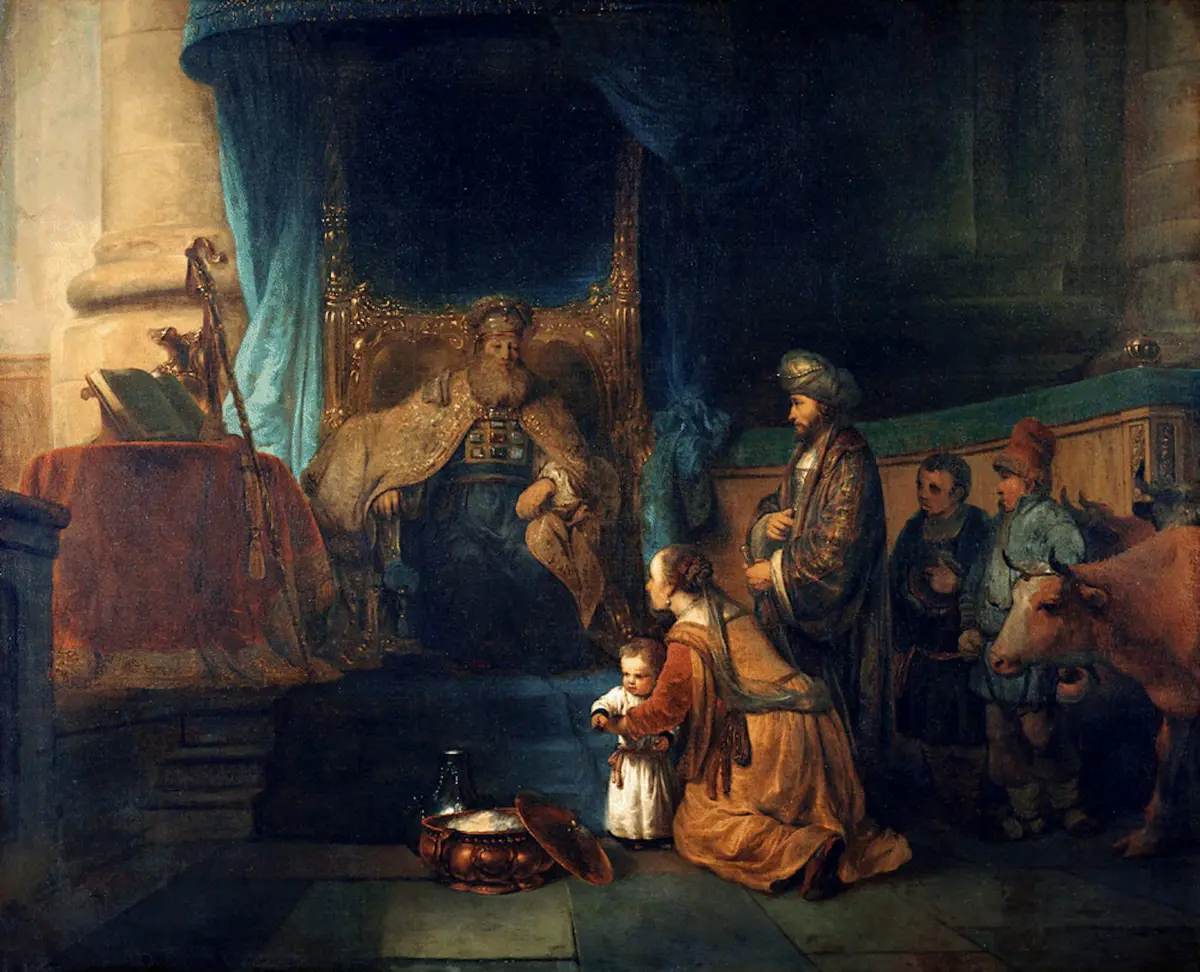
Parallel to medical explanations ran a deeply entrenched religious narrative. Biblical texts frequently chronicled women—such as Sarah, Rachel, Hannah, and Elizabeth—who experienced initial barrenness only to bear extraordinary children later in life, often through divine intervention.
Theologians and preachers leaned heavily on these stories to frame infertility not merely as a medical malfunction, but as a component of a grander divine plan. While some moralizers weaponized theology to imply that childless couples had incurred God’s wrath through sin, mainstream church doctrine offered a more comforting perspective. The Golden Legend, for example, explicitly taught that God did not punish nature, but rather closed a woman’s womb temporarily so that He might open it miraculously at an appointed time.
This belief encouraged couples to couple medical treatments with acts of piety, such as charitable giving, fasting, and pilgrimage.
Case Studies from the Archives: The Datinis and the Burden of Advice
The lived experience of medieval infertility is vividly illustrated through the historical record of Francesco and Margherita Datini. As a wealthy merchant operating out of Prato and Florence, Francesco achieved immense financial success. Yet, after years of marriage, the couple remained childless—a fact that drew pointed commentary from their social circle.
In one notable piece of correspondence, a family friend congratulated Francesco on his commercial triumphs before remarking, “I would rather see [Margherita] become fatter by making children than in gathering money.”
Lacking formal reproductive privacy, the Datinis found themselves inundated with amateur medical advice from family members:
- Margherita’s Sister: Recommended a specialized poultice—a mixture of therapeutic herbs and fats applied topically to the stomach—sourced from a female healer who claimed a high success rate among local women. She also suggested a protective belt inscribed with sacred prayers.
- Margherita’s Brother-in-Law: Urged the couple to redirect their focus heavenward, suggesting that lavish charitable donations were the surest way to curry divine favor and unlock the womb.
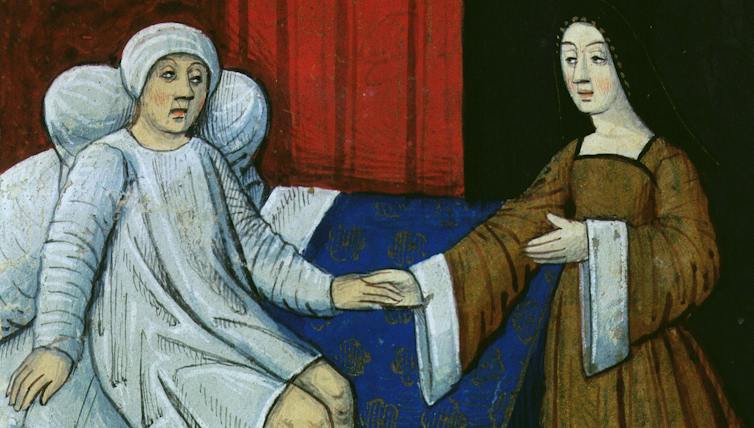
Despite consulting licensed physicians, wearing blessed garments, applying herbal poultices, and offering charity, the Datinis never conceived a child together (though surviving records confirm Francesco fathered illegitimate children through relationships outside the marriage). The vast archive of their letters remains largely pragmatic, leaving modern historians to infer the emotional toll exacted by well-meaning but ultimately overwhelming public meddling.
Similarly, late 12th-century accounts of ordinary couples visiting the hermit Godric of Finchale reveal raw vulnerability. These individuals, battered by successive miscarriages and stillbirths, approached holy figures because they felt "deeply distressed" and weighed down by the terrifying impression that divine judgment hung over their households.
Official Statements & Historical Consensus
Historians of medicine, religion, and gender studies emphasize that the historical narrative of medieval infertility has long been distorted by survivorship bias.
"For medieval couples, humoral medicine and religious faith offered reasons for infertility and actionable steps to take, providing genuine hope and reassurance," notes ongoing research into medieval reproductive disorders. "However, it remains profoundly challenging to gauge the full scope of their grief, because surviving archives overwhelmingly preserve the success stories—the miraculous births that followed a successful prayer or a physician’s potion—while quietly burying the daily realities of failure."
Medical historians point out that because institutional doctors and compilers of saintly miracles rarely recorded their failures, the historical record is heavily skewed toward triumph. Consequently, modern scholarship must read between the lines of receipts, letters, and hagiographies to recover the silent majority of couples for whom neither herbs, nor prayers, nor financial success could cure their childlessness.
Future Outlook: What Medieval Studies Teach Modern Society
As historical methodologies continue to evolve, the study of medieval reproduction offers valuable insights into the social psychology of family planning and medical anxiety.
By examining how 14th-century merchants and 12th-century peasants integrated disparate streams of information—balancing the clinical advice of licensed physicians, the folk remedies of female healers, and the spiritual directives of the church—researchers gain a deeper appreciation for human resilience in the face of biological limits.
Ultimately, the historical exploration of medieval infertility bridges a vast chronological divide. While the humoral theories of ancient Greece have given way to genomics, and inscribed prayer-belts have been replaced by fertility clinics, the core human experience remains unchanged. The negotiation of medicine, faith, family pressure, and private grief continues to resonate powerfully across the centuries, reminding us that the longing for a family is a timeless element of the human condition.