Executive Overview
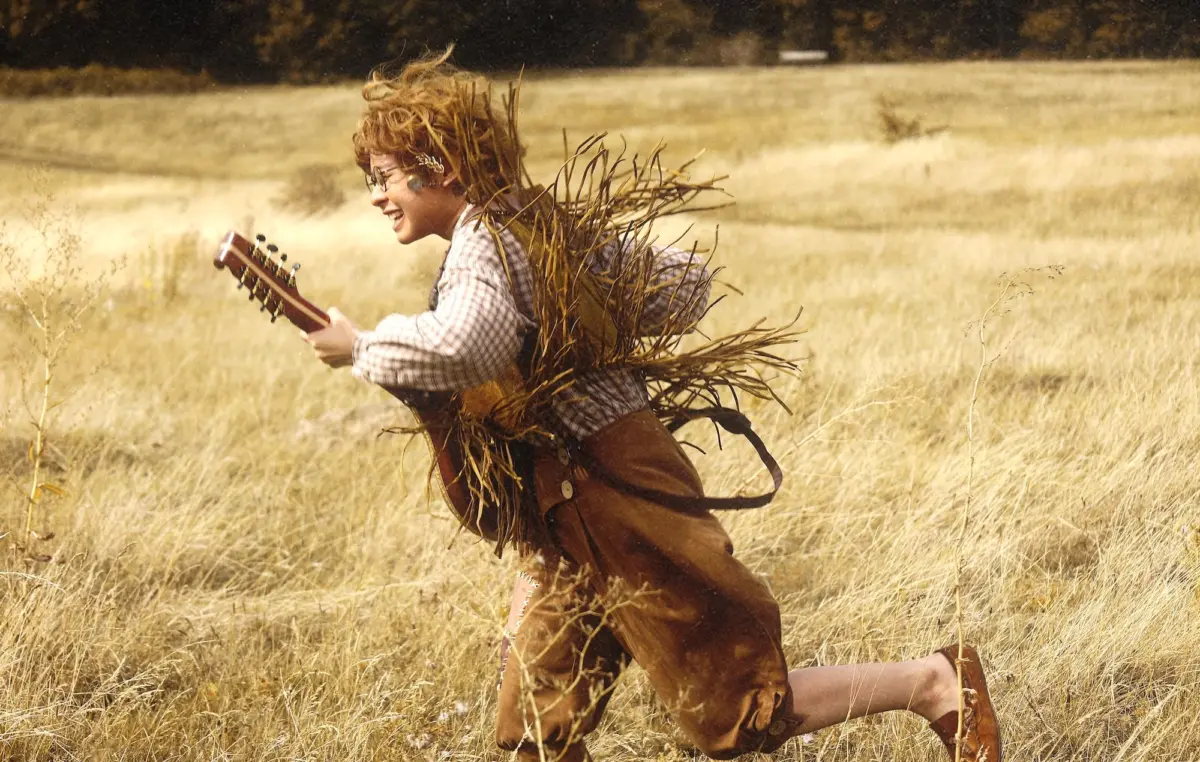
In the contemporary music landscape, the boundary between an artist’s private identity and their public-facing creative output has never been more contested. For Keath Ósk, a Filipino-Icelandic singer, songwriter, and multi-disciplinary artist, this boundary became the focal point of a global whirlwind in 2024. Under the moniker Yaelokre, Ósk crafted a whimsical, guitalele-driven, and highly visual folklore universe called "Meadowlark." Within months, the project escaped the quiet corners of their personal journals to become an algorithmic juggernaut on TikTok, capturing the imagination of millions and racking up hundreds of millions of streams.
Yet, rapid digital ascension rarely arrives without complications. As Yaelokre’s fanbase swelled, so did the pressures of modern parasocial relationships. Ósk found themselves grappling with intense fan scrutiny, lore gatekeeping, identity policing, and the challenging task of managing a fictional universe that threatened to eclipse their own agency.
Now signed to Atlantic Records, Ósk is staging an ambitious artistic pivot with the release of Foreword, their debut album. Released under their birth name, Keath Ósk, Foreword serves as both a musical expansion and a psychological boundary. By reimagining eleven Yaelokre tracks alongside a striking Bonnie Tyler cover, and introducing richer, genre-fluid arrangements, Ósk is attempting to reclaim their narrative. This investigative feature explores Ósk’s meteoric rise, the cultural roots that feed their world-building, the mechanics of their viral fandom, and their calculated steps toward long-term creative survival.
Detailed Chronology
[Childhood - Cavite, PH] ──> [Age 10 - Icelandic Fusion] ──> [Early 2024 - Yaelokre Debut] ──> [Late 2024 - Viral Peak] ──> [Present - 'Foreword' Pivot]Act I: The Cavite Roots and the Genesis of Meadowlark
The foundation of Keath Ósk’s artistic worldview was laid in the Philippine province of Cavite. Raised as an only child by a single mother, Ósk found early solace in the rich traditions of Filipino folklore, balancing local oral histories with imported Western fantasy literature.
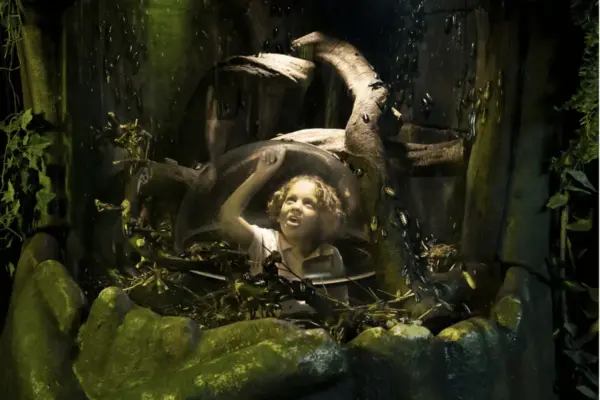
Even in early childhood, Ósk’s performative instincts were evident. At just three years old, they were already singing at school assemblies during Linggo ng Wika (Filipino Language Week). This early immersion in storytelling and public performance fostered a deep love for narrative structure. During their childhood and teenage years, Ósk filled journals with meticulous drawings, character sketches, and world-building notes. This imaginary realm, dubbed Meadowlark, was initially populated by four masked children, designed as a safe space for Ósk to explore themes of innocence, fear, and resilience.
Act II: The Scandinavian Fusion
When Ósk was ten years old, their family dynamic expanded. Their adoptive father, who is Icelandic, entered their life, introducing a starkly different cultural and geographical landscape. The family began splitting their time between the tropical warmth of Southeast Asia and the dramatic, volcanic landscapes of Scandinavia, spending holidays and Christmases in Iceland.
This cross-cultural upbringing profoundly influenced Ósk’s artistic sensibility. Their father encouraged a deep engagement with cinema, literature, and video games, which helped crystallize the aesthetics of Meadowlark. The themes of "found family" and non-biological parental love—central to Ósk’s personal life—became foundational pillars of their storytelling.
Act III: The Accidental Songwriter
Despite their creative output, Ósk did not set out to become a professional musician; their early aspirations leaned toward teaching and children’s book illustration. Songwriting began as an intimate, low-stakes hobby. Ósk composed acapella songs as bespoke birthday gifts for close friends.
Eventually, Ósk began translating the stories of Meadowlark into music, utilizing a guitalele (a hybrid instrument blending a classical guitar’s body with a ukulele’s neck). To transition from bedroom recordings to structured tracks, Ósk partnered with former producer and bassist JD Santos, a member of the Filipino indie band Medyo Maybe. Santos introduced Ósk to the basics of mixing and digital audio production, setting the stage for their eventual public debut.
Act IV: The 2024 Yaelokre Phenomenon
In early 2024, Ósk began uploading music to TikTok under the name Yaelokre. The platform’s algorithm, highly receptive to niche aesthetics like "cottagecore," "fantasy-folk," and visual storytelling, quickly latched onto the project.
The centerpiece of this viral wave was "Harpy Hare," an evocative track centering on a half-human, half-hare mother burying her young. The song’s Renaissance-style lyricism, paired with striking illustrated visuals, captured the attention of millions of users. What began as a spontaneous, fun upload transformed into a viral sensation, propelling Yaelokre into the global spotlight and earning Ósk a spot on the prestigious NME 100 list of essential emerging artists.
Act V: The Pivot to Foreword
Recognizing that the Yaelokre moniker had quickly grown into a massive, highly scrutinized brand, Ósk felt the need to establish an artistic identity separate from the fictional world of Meadowlark. This realization led to the creation of Foreword, a debut album released under their own name, Keath Ósk, via Atlantic Records.
Working with south London producer Jack Hardman (who records under the moniker Good Dog), Ósk transformed what was originally conceived as a raw, acoustic bedroom album into a lush, genre-spanning production. By introducing brass, jazz, Americana, and hip-hop arrangements, Foreword represents Ósk’s formal declaration of independence from the limitations of their early viral success.
Supporting Context & Metrics
The rapid expansion of the Yaelokre universe is best understood through a combination of digital streaming metrics, fan behavior dynamics, and cultural cross-pollination.
The Streaming Footprint
The quantitative impact of Yaelokre’s music is exceptionally high for an independent folk-pop project.
- "Harpy Hare": The single has amassed over 242 million streams on Spotify alone.
- Global Fanbase: This digital footprint has translated into highly successful live performances, with physical tour dates selling out rapidly across multiple continents.
| Metric | Detail / Value | Impact |
|---|---|---|
| "Harpy Hare" Spotify Streams | 242,000,000+ | Established Yaelokre as a major force in indie-folk. |
| Core Moniker | Yaelokre (Fantasy/Folk) | Serves as the community-focused narrative engine. |
| Solo Moniker | Keath Ósk (Experimental/Vulnerable) | Serves as the personal, genre-fluid creative outlet. |
| Primary Instrument | Guitalele | Dictates the signature Renaissance-pop sonic palette. |
The Fandom: Creative Devotion vs. Digital Intrusiveness
The community that formed around Yaelokre is highly active and creative, but it also presents the challenges common to modern digital fandoms. On the positive side, the fandom has embraced deep world-building, with fans writing extensive fan fiction, designing complex costumes, and attending shows dressed as the masked children of Meadowlark.

However, the rapid influx of millions of followers also led to boundary-pushing behaviors:
- Lore Gatekeeping: Sectors of the fandom began policing how the story of Meadowlark was interpreted, creating an exclusionary environment for newer listeners.
- Identity Intrusion: Some fans began speculating heavily on Ósk’s personal life, gender identity, and body, crossing the line from appreciation of the art into personal boundary violations.
- Character Sexualization: Given that the lore of Meadowlark centers on child-like characters, Ósk was forced to publicly request that fans refrain from sexualizing the characters.
Cultural Representation: The "Nanay Tatay" Phenomenon
One of the most significant outcomes of Yaelokre’s global reach is its role as a vehicle for cultural exchange. The visualizer for "Harpy Hare" features hand-clapping choreography directly inspired by "Nanay Tatay" ("Mummy, Daddy"), a traditional Filipino children’s clapping game.
[Traditional Filipino Culture] ──> [Yaelokre "Harpy Hare" Visualizer] ──> [Global Fan Recreations on TikTok & Live Shows]This reference sparked a viral trend where non-Filipino fans worldwide began learning the game, sharing videos of their attempts, and practicing the hand-clapping patterns at live concerts. Additionally, tracks like "Kamahalan" (a Tagalog word conveying deep affection or royalty) have prompted international fans to study the Tagalog language to better understand the thematic layers of Ósk’s work.
Official Statements
On the Metaphor of the Chair in "And The Hound"
In their interview with NME, Keath Ósk discussed the music video for "And The Hound," a key track from Foreword. The video features Ósk playing two distinct characters reacting to a single chair: one sitting calmly, the other violently resisting the furniture. Ósk explains this as a metaphor for their relationship with fame and control:
"The performance is neatly symbolic of my relationship with my own platform and power… The reason I didn’t want to sit in the video is because it represents this controlled image of who I am. But I proved myself wrong because I’m actually not held in the chair. I have the control and freedom. I’ll always go back to Yaelokre and Meadowlark, but Keath Ósk is my escape from that."
On the Rapid Rise and Early Ambitions
Reflecting on the sudden shift from an aspiring illustrator to a major-label recording artist, Ósk emphasizes that the project was born out of pure creative play:
"There was no pressure, no plan to be a musician. It was all spontaneous and for fun, like posting something on Facebook for the sake of Facebook."
On Shattering Folk Archetypes with Foreword
Ósk is acutely aware of how audiences might pigeonhole them based on Yaelokre’s gentle, acoustic beginnings. Foreword is designed to challenge those assumptions:
"[Some] might assume I’m just a folk artist with a soft voice who can’t really belt or take on mature topics… but I’m more than that. Every artist who shares their work is more than their art. It’s only a matter of whether they express it or not, and I want to express it as Keath Ósk."
On Creative Freedom and Avoiding Burnout
For Ósk, maintaining dual projects is not about abandonment, but about preservation:
"I love the creative freedom of Meadowlark and Yaelokre. But it’s gotten to the point where it’s become [too] big for me to reduce it. And there’s no point in me shrinking it to state my freedom… Keath Ósk was made so that I can have a small corner to be. It’s a place where if I’m sad, I can do a sad song."
Future Outlook
As Keath Ósk steps into this new phase of their career, their trajectory offers an interesting model for how digital-native artists can manage sudden, massive scale.
The Dual-Engine Model
Rather than retiring the Yaelokre project, Ósk plans to alternate between their two creative identities. This dual-engine model is designed to prevent creative burnout:
- Yaelokre will remain the vessel for grand, high-concept world-building, theatrical performances, and community-driven fantasy narratives.
- Keath Ósk will serve as a release valve, allowing the artist to release experimental, raw, and genre-fluid music that does not have to fit within the lore of Meadowlark.
Live Touring Dynamics
This division of labor will also shape Ósk’s live performances. The Yaelokre tour, which began in Belgium in October, is designed to be a highly immersive, grand, and theatrical experience, featuring elaborate costumes and production values suited for larger venues across Europe and North America.
Conversely, future Keath Ósk tours are envisioned as intimate, stripped-back affairs. Ósk intends to perform in smaller venues, wearing everyday clothes, and focusing on direct, unadorned connection with the audience.
Long-Term Artistic Implications
By establishing these boundaries early in their career, Ósk is attempting to challenge the typical cycle of viral stardom, which often pressures creators to endlessly repeat their initial successful formula. Backed by Atlantic Records and supported by a highly engaged global community, Keath Ósk is building a sustainable, long-term career that honors both the vast, imaginary worlds of their childhood and their ongoing growth as an individual artist.