Executive Overview
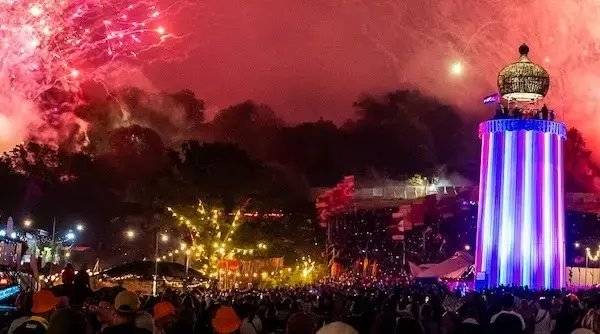
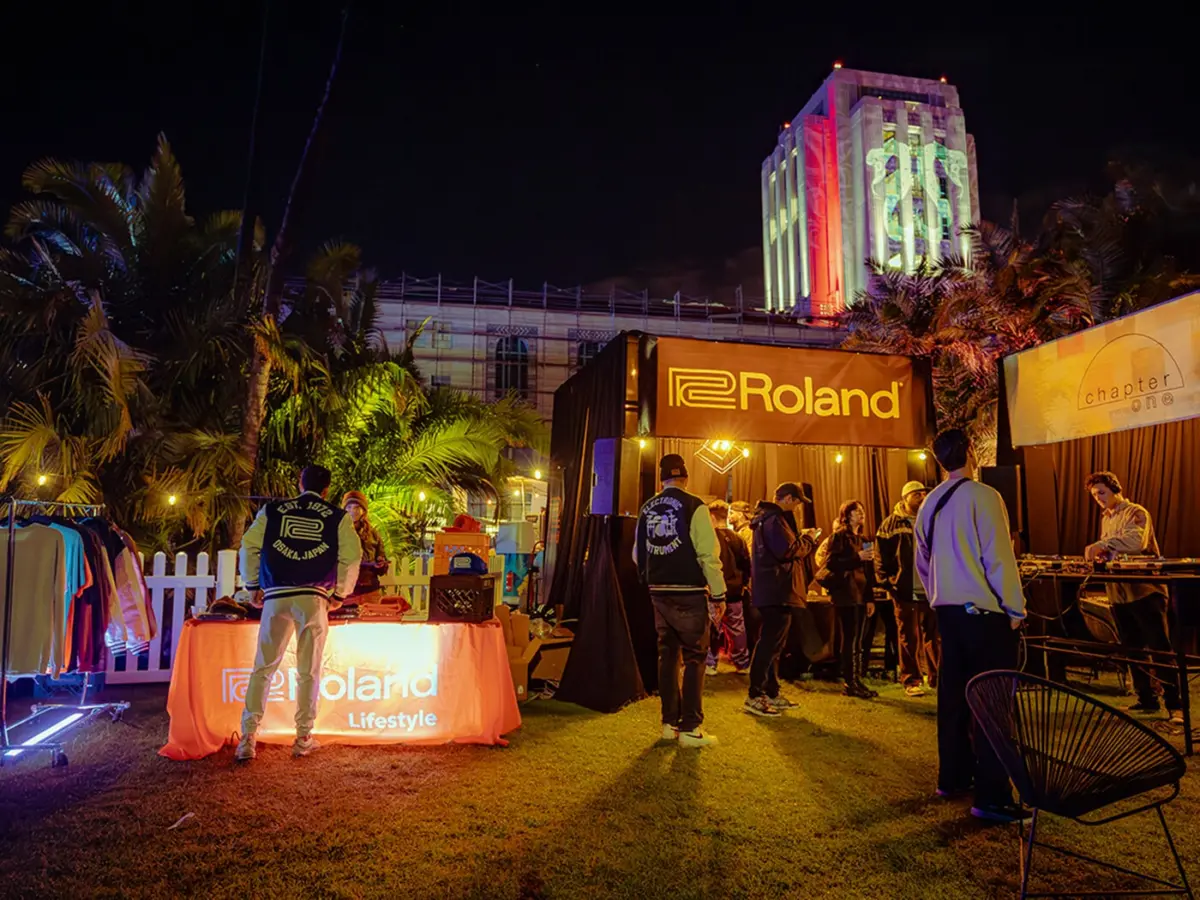
Amidst the sun-baked, 32°C palm-lined expanse of San Diego’s Waterfront Park, tens of thousands of electronic music enthusiasts gather twice a year for the CRSSD Festival. Dressed in standard festival attire—tank tops, short shorts, UV-blocking sunglasses, and clutching condensation-beaded ice-cold beers—the crowd pulses to the relentless, synchronized thump of underground house and techno.
Yet, step away from the main stages and slip inside a shaded, climate-challenged black tent, and an entirely different frequency hums through the air. This is the CRSSD Lab—an interactive sanctuary that has quietly served as a beating educational heart at the center of the festival for over eight years.
For festival-goers seeking refuge from the relentless Southern California heat, the Lab offers a hypnotic alternative to the main arena: rows of high-end synthesizers, blinking drum machines, DAW interfaces, and meticulously curated crates of vinyl records waiting to be previewed on Technics SL-1200 turntables. Here, industry heavyweights Roland and Los Angeles-based record store and label Chapter One occupy prime real estate. Far from acting as passive corporate sponsors handing out flyers, these brands are actively executing a long-term strategy of bridging the gap between passive consumerism and active music creation.
This deep-dive feature examines the anatomy of the CRSSD Lab, exploring why music technology giants and boutique vinyl vendors continue to invest heavily in face-to-face, experiential marketing. By turning festival stages into workshops and listening posts, Roland and Chapter One are redefining how electronic music fans discover, digest, and ultimately create the soundtrack of their generation.
Detailed Chronology: The Evolution of an On-Site Sanctuary
To understand the cultural significance of the CRSSD Lab, one must trace its roots back through the history of modern electronic music festivals. For decades, the relationship between hardware manufacturers, record labels, and festival attendees was transactional and distant. Brands advertised glossy magazine spreads or banner ads on festival grounds, while record stores operated strictly within their brick-and-mortar storefronts miles away from the dancefloor.
The inception of CRSSD Lab over eight years ago shattered this rigid barrier. Conceived as a localized hub to foster deeper community ties, the Lab was integrated directly into the footprint of the festival grounds at Waterfront Park. Spring and fall iterations of CRSSD became recurring testing grounds where the boundary between artist and audience dissolved.

Year-Round Integration and the Festival Circuit
While Roland maintains a dominant global footprint, its presence at festival grounds like CRSSD—alongside similar pop-ups at Movement in Detroit and Stagecoach (the country festival hosted on the Coachella grounds)—represents a calculated shift toward experiential, boots-on-the-ground marketing.
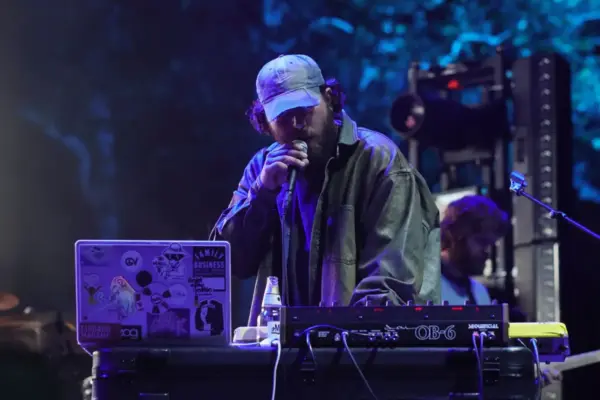
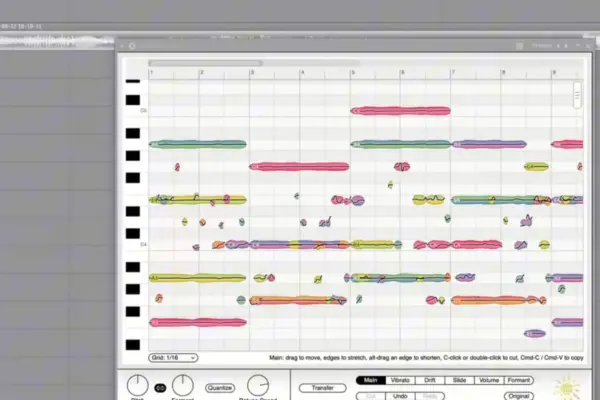
At CRSSD, the workflow is seamless. Roland anchors its booth with an array of interconnected gear: Juno-X synthesizers, TR-series drum machines, guitars, and outboard effects processors routed directly into Ableton Live. Throughout the weekend, festival-goers wander in, often intimidated by the glowing interfaces, only to find themselves guided through simple, hands-on production loops.
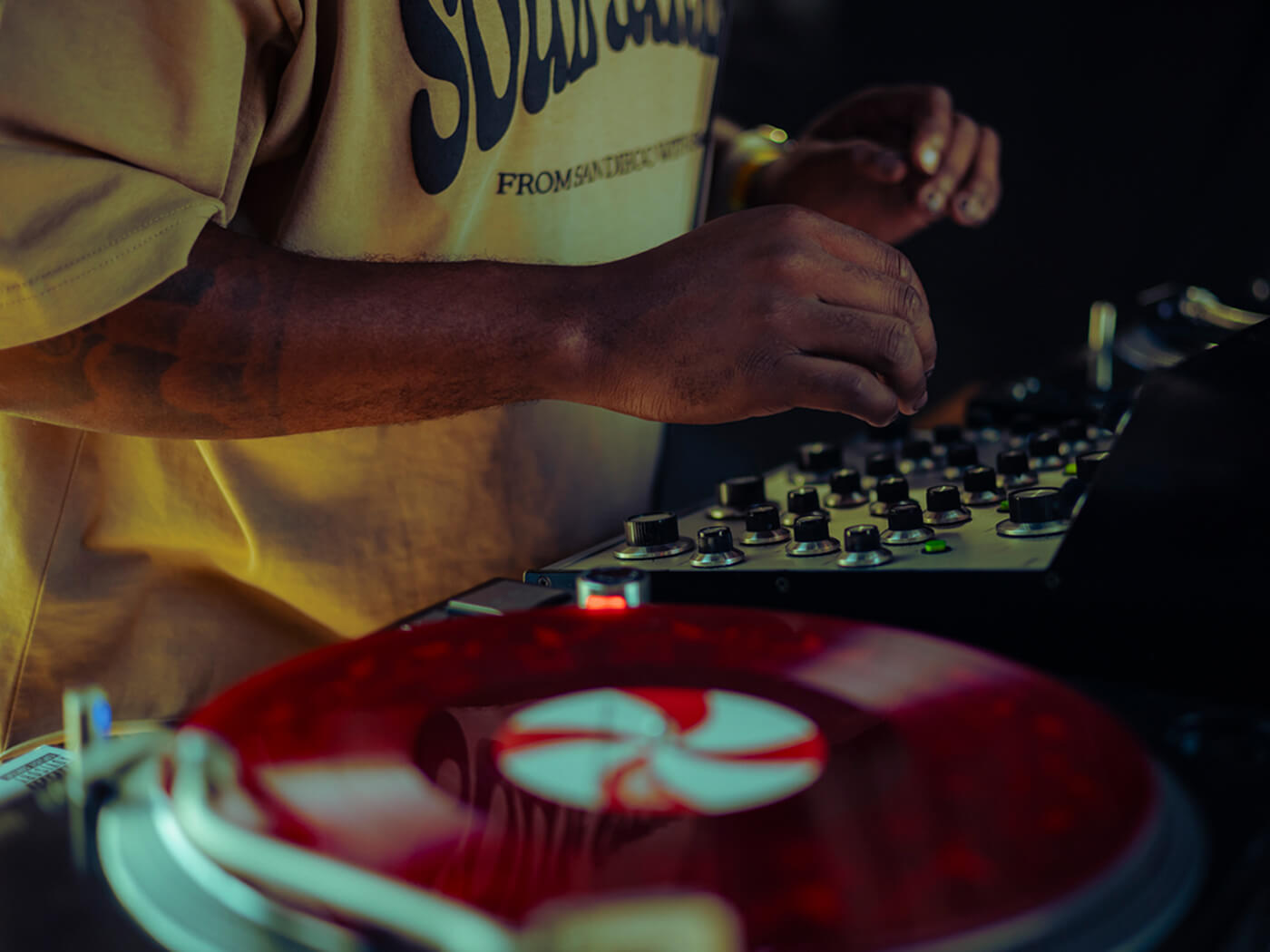
Simultaneously, the Chapter One Records booth operates as an analog oasis. Featuring crate-digging stations equipped with Technics SL-1200s and dedicated listening headphones, the pop-up invites patrons to flip through everything from $5 underground dance singles to pristine pressings of modern classics like Daft Punk’s Random Access Memories. By 3:00 PM on any given festival day, a stack of brown paper-wrapped bags already sits behind the counter, holding purchases for attendees to retrieve as they exit the grounds at the end of the night.
Supporting Context & Metrics: Bridging the Digital and Analog Divide
The success of the CRSSD Lab cannot be measured by traditional advertising metrics such as impressions or click-through rates. Instead, its efficacy lies in micro-interactions, tactile engagement, and community building.
The Mathematics of Crate-Digging
For Chapter One, the physical economics of the pop-up speak volumes. According to team members, the booth routinely sells roughly 80 percent of its total inventory over the course of the festival weekend. This staggering turnover highlights a resurgence in physical media consumption, particularly among demographics that might otherwise be entirely consumed by algorithmic streaming.
However, the demographic breakdown of these buyers reveals a nuanced market shift:
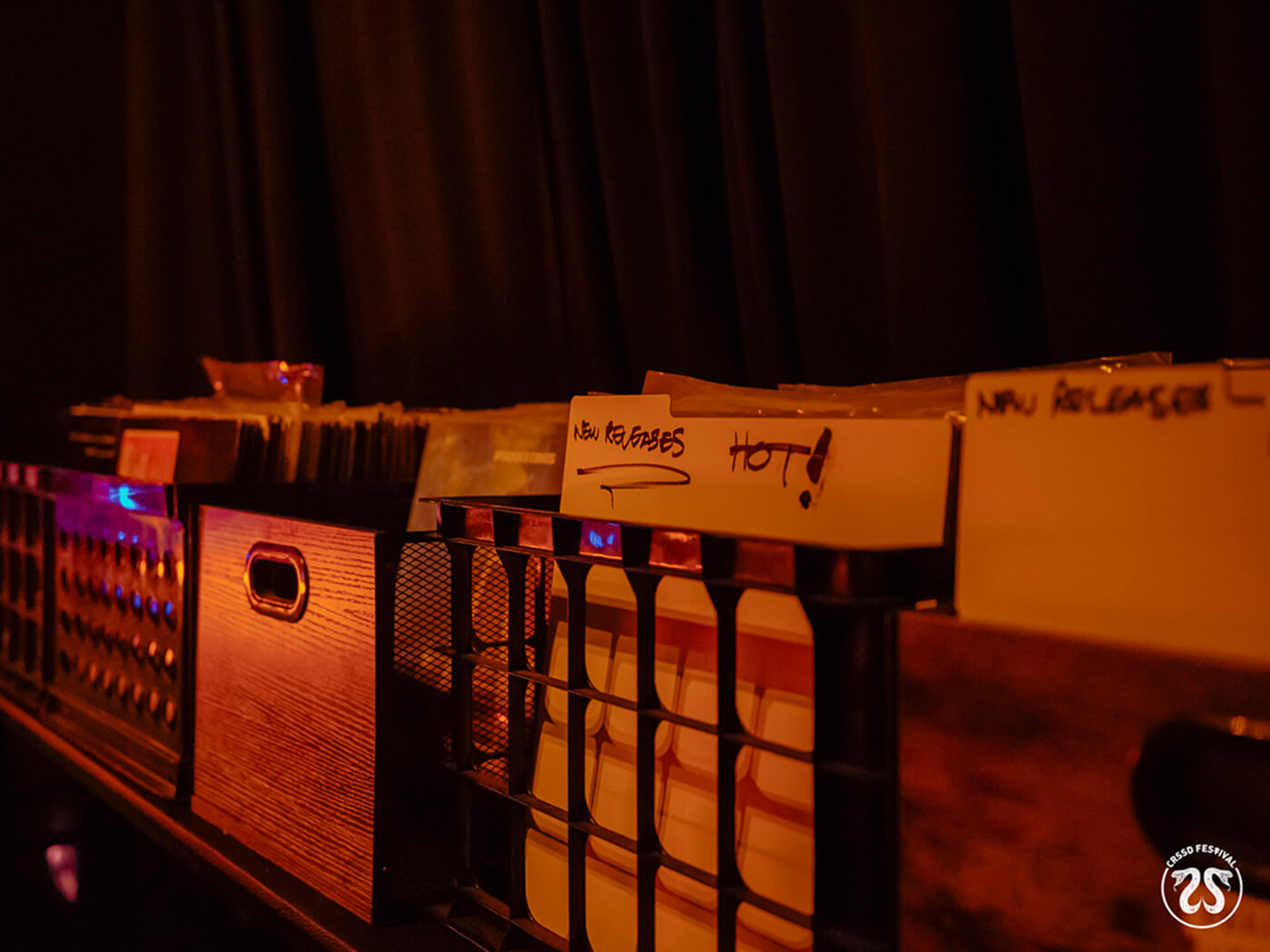
- The Veteran Enthusiasts: Attendees aged 50 to 60 who have lived through the evolution of electronic music drop by not merely to score rare records, but to share stories, validate their lifelong passion, and connect with younger generations.
- The Curious Novices: An increasingly prominent wave of younger festival-goers—often in their early twenties—who have recently dipped their toes into the underground electronic scene. While they may not yet recognize specific labels or heritage artists, their raw curiosity drives heavy engagement, leading them to ask probing questions about local scenes, sub-genres, and record collecting etiquette.
Demystifying Music Technology
On the production side, Roland’s strategy addresses a psychological barrier common among modern music listeners: the intimidation factor of hardware.
Modern digital audio workstations (DAWs) and vintage-style analog synths can look daunting to the uninitiated. By setting up an open, collaborative environment—where one attendee records a MIDI loop into Ableton Live, only for the next person in line to step up and lay down a contrasting percussion track—Roland demystifies the creative process. The tent transforms into an impromptu jam space where barriers of skill, background, and age evaporate.
Official Statements: Inside the Minds of the Brand Curators
The rationale behind the enduring persistence of the CRSSD Lab is best articulated by the individuals spearheading these activations. Their insights shed light on a broader industry shift toward human-centric brand loyalty.
Mar Keith Anthony on Roland’s Mission
Mar Keith Anthony, Roland’s Global Brand Relations Manager, understands the scarcity of physical spaces where manufacturers can engage directly with end-users in organic environments.
"Who else do you see out here getting one-on-one with their end users?" Anthony asks, reflecting on Roland’s solitary status as a music tech brand embedded on the festival grounds. "We’re creating and fostering collaboration, and teaching skills at the same time. People don’t know how simple music-making tools are these days. People walk in like, ‘Oh, I don’t make music,’ and I’m like, ‘I can literally show you in five minutes how to do it!’ That’s our goal. We’re just trying to inspire people to pick up instruments and make music."
Anthony emphasizes that the feedback loop established at festivals like CRSSD yields immediate, tangible results. It is not uncommon for parents to wander into the tent with their teenagers, viewing the setup as an approachable entry point into production.
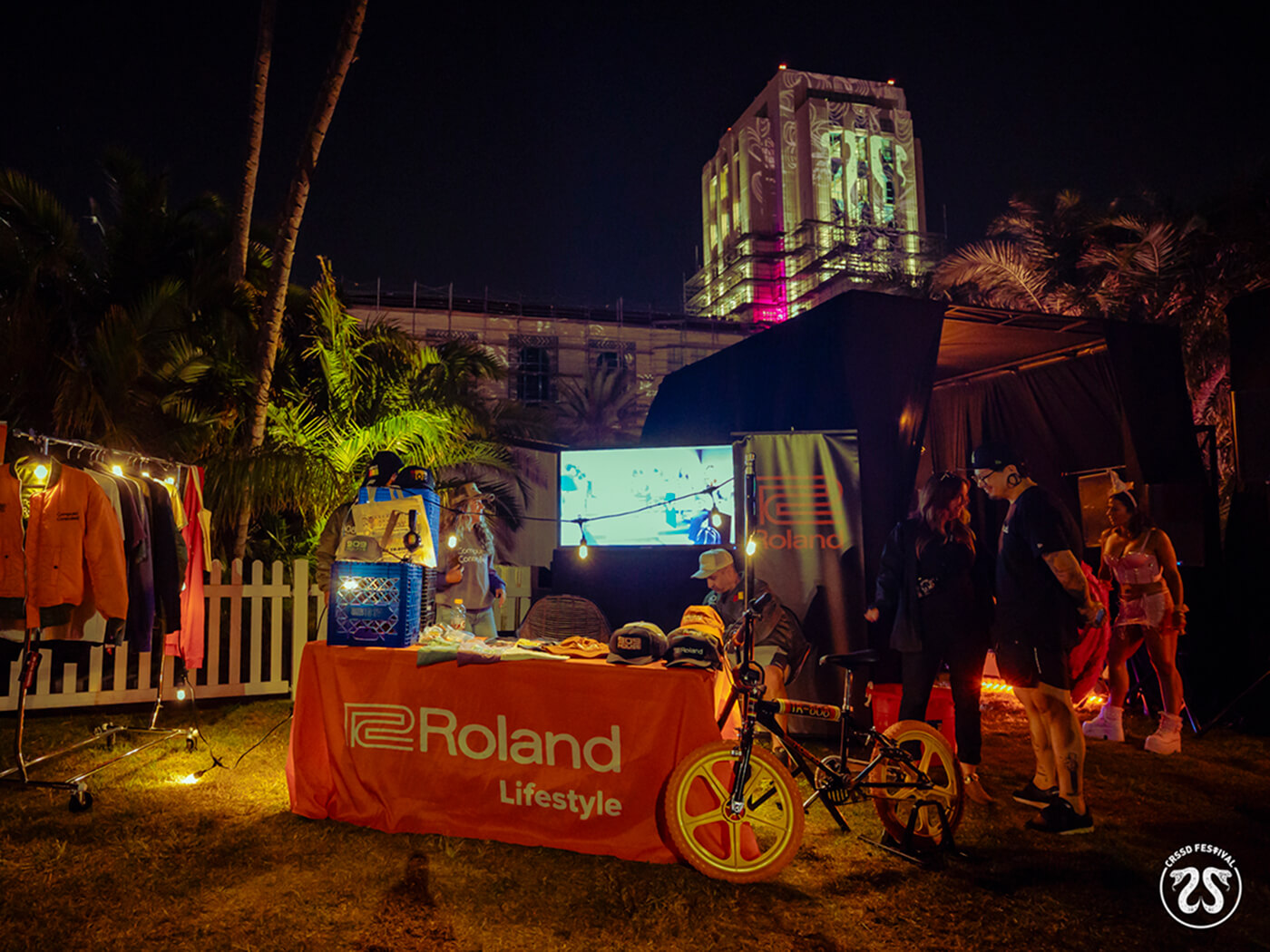
Furthermore, the Lab serves as an informal focus group and technical support center. Anthony recounts an interaction with an attendee who asked if he could return the following morning with a laptop to capture custom hardware samples directly through the booth’s rig. This level of personalized, grassroots engagement fosters a brand loyalty that digital marketing campaigns simply cannot replicate.
Max Coletto on Chapter One’s Community Building
Max Coletto of Chapter One echoes these sentiments regarding community enrichment, noting that the physical pop-up acts as an essential pipeline for their Los Angeles-based operations.
"It’s definitely a good feeder to our community in L.A.," Coletto explains. "We see really young first-timers—people who are getting into electronic music—and we see 50 to 60-year-olds who have been listening to this music their whole lives… It’s always a nice little memory for them. It’s not just about getting the record, it’s about interacting with them. It’s a whole experience."
Coletto points out that the modern dance music consumer possesses a profound appetite for left-of-centre, underground sounds. Far from being driven purely by commercial pop-EDM hits, the younger cohort frequenting the CRSSD Lab demonstrates an insatiable appetite for discovery, eager to decode the subgenres and local independent labels shaping contemporary club culture.
Future Outlook: Transforming Fans into Creators
As the music industry continues to navigate the post-pandemic landscape of live events and digital saturation, initiatives like the CRSSD Lab point toward the future of experiential retail and brand stewardship.
The philosophy driving these pop-ups mirrors broader corporate expansions. Roland’s recent establishment of its first US flagship store in New York City mirrors the ethos of the CRSSD Lab: abandoning traditional retail distance in favor of immersive, hands-on environments. Whether inside a climate-controlled flagship store in Manhattan or a shaded black tent in San Diego, the objective remains uniform—democratizing sound design and transforming passive music listeners into active, passionate creators.
As Mar Keith Anthony summarizes with unwavering conviction:
"We’re creatives, and we feel like music is the heartbeat of everything that we do. So therefore, for us, that’s what we’re passionate about: creating more music makers."
In an era defined by hyper-personalized digital algorithms and screen fatigue, the enduring success of the CRSSD Lab proves that nothing can replace the raw, magnetic pull of physical touch, analog warmth, and face-to-face human connection on the dancefloor.