Executive Overview
Renowned Palestinian-Jordanian singer-songwriter, rapper, and percussionist El Far3i has returned with a deeply moving, acoustically driven single titled "Rayha" (meaning "Passing"). Released on October 16 under the banner of Arab Drumz—the management and production entity guiding his current trajectory—the track marks a profound pivot in the artist’s thematic and sonic identity. Rooted in the transformative experience of fatherhood, "Rayha" eschews the melancholic introspection of his earlier solo discography in favor of a forward-looking manifesto aimed at nurturing the next generation.
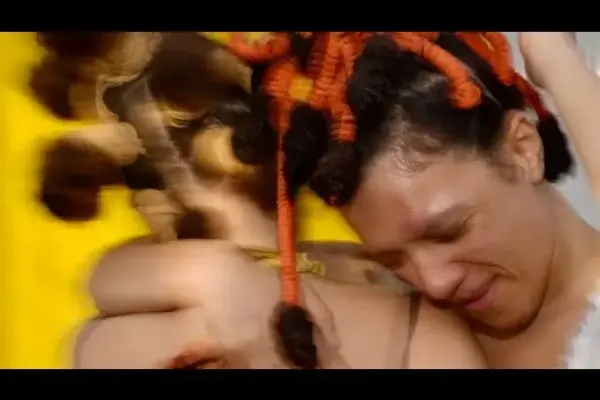
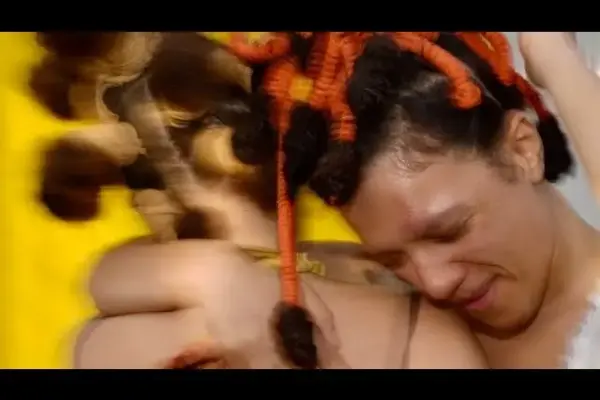
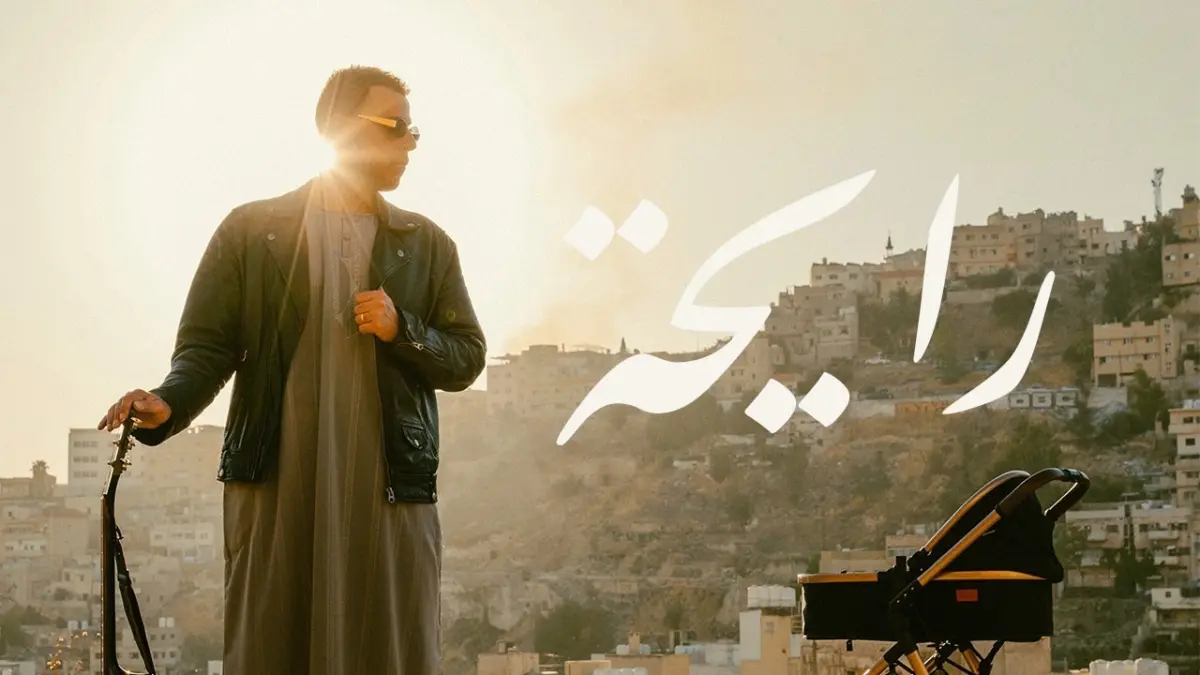
Co-produced and mixed alongside Dave Scott and mastered by industry veteran Mazen Murad, "Rayha" showcases a distinct vocal maturation. El Far3i’s delivery scales new emotional and tonal heights, soaring effortlessly over the complex, dissonant guitar chords that have long defined his acoustic catalog. Complementing the audio release is an atmospheric music video filmed during the twilight-to-dawn transition in Amman by director Ahmad Jalboush.
Beyond its immediate artistic merits, "Rayha" arrives at a critical juncture in El Far3i’s illustrious career. As a cultural cornerstone of the contemporary Arabic independent music scene—having co-founded pioneering acts such as El Morabba3 and 47Soul—his latest work reflects a broader maturation within Middle Eastern indie music. It bridges the gap between personal vulnerability and collective political resilience, offering an unyielding message of hope, transience, and eventual liberation in the face of ongoing regional turmoil.
Detailed Chronology: The Making and Release of "Rayha"
To understand the weight of "Rayha," one must trace the meticulous timeline of its development, production, and public rollout, which culminated in its mid-October drop.
The Genesis: Inspiration in the Domestic Sphere
The conceptual foundation of "Rayha" was laid long before the microphones were set up in the studio. Prompted by the profound life shift of fatherhood, El Far3i found himself meditating on the environment he is building for his child. In interviews and through the lyrical subtext of the track, the artist has emphasized a departure from what he terms "songs of sorrow." The arrival of a child demanded a radical reassessment of his artistic output. Rather than dwelling exclusively on systemic grief and personal melancholia, the creative process shifted toward legacy, protection, and gentle stewardship.
This domestic tranquility, however, does not exist in a vacuum. It is juxtaposed against the harsh realities of the surrounding geopolitical landscape, creating a dynamic tension that drives the song’s narrative arc. The promise made within the lyrics—to wake the plants together at dusk and to carve out a patch of shade for the inevitable scorching days—serves as both a literal parenting philosophy and a metaphor for safeguarding innocence against external pressures.
Production and Engineering Phase
The translation of these intimate themes into a polished sonic product involved a tightly coordinated collaboration between Amman and international mixing and mastering suites.
- Songwriting and Performance: El Far3i handled the primary composition, lyricism, and foundational acoustic instrumentation, leaning heavily into the guitar-driven style that characterizes his solo albums released under his given name.
- Co-Production and Mixing: Working in tandem with Dave Scott, El Far3i pushed his vocal boundaries. Scott’s engineering credits helped balance the raw, vulnerable texture of El Far3i’s voice with the intricate, signature dissonances of his acoustic arrangements.
- Mastering: The final polish was entrusted to Mazen Murad, whose veteran ear ensured that the dynamic range of the acoustic guitar and the soaring vocals maintained clarity and impact across both high-end studio monitors and consumer streaming devices.
Visual Conceptualization and Filming
To capture the essence of "Rayha," director Ahmad Jalboush was brought in to helm the official music video. Eschewing high-concept studio sets or heavily edited digital effects, Jalboush and his crew chose the streets of Amman as their canvas.
Filming commenced during the pre-dawn hours, capturing the Jordanian capital at its quietest moment. The camera tracks the progression of time, framing the city’s concrete facades and rolling hills as they slowly absorb the first rays of morning light. This transition from darkness to bright, unfiltered sunlight mirrors the lyrical journey of the song—moving away from the heavy shadows of the past toward a hopeful, illuminating dawn.
The Official Rollout
"Rayha" officially dropped on October 16, accompanied by its cinematic visualizer via YouTube and simultaneous deployment across major digital streaming platforms, including Spotify. Handled by Arab Drumz, the release strategy positioned the single as a major milestone in El Far3i’s 2026 release schedule, capturing immediate attention from regional music critics, indie-rock purists, and long-time fans of his rap alter-ego, Far3 El Madakhil.
Supporting Context & Metrics: El Far3i’s Musical Ecosystem
To fully appreciate the significance of "Rayha," it is essential to examine the multifaceted career of its creator and the broader cultural ecosystem in which he operates.
A Dual-Identity Discography
Since 2012, El Far3i has maintained a dual artistic persona, effectively bifurcating his output into two distinct yet complementary stylistic streams:
- The Acoustic Troubadour (El Far3i): Operating under his own name, he releases introspective, guitar-led folk and acoustic records. These works prioritize poetic lyricism, fingerpicking, and raw emotional vulnerability.
- The Urban Voice (Far3 El Madakhil): Under this moniker, he channels his energy into Arabic rap, addressing socio-political friction, urban decay, and the complexities of modern Arab youth culture with sharp delivery and heavy beats.
This duality allows him to operate simultaneously within the contemplative spaces of coffeehouse folk and the high-energy arenas of underground hip-hop.
Band Legacies and Genre-Bending
El Far3i’s influence extends far beyond his solo work. He is a foundational pillar of the modern Arab alternative music renaissance, having co-founded two bands that permanently altered the region’s sonic landscape:
- El Morabba3: Formed in Amman, this trip-hop/alternative rock outfit combined poetic, spoken-word-influenced Arabic lyricism with heavy, atmospheric electronic and rock instrumentation, capturing the disillusionment and introspection of a generation.
- 47Soul: As a co-founder of this trans-national band, El Far3i helped spearhead "Shamstep"—a high-energy fusion of traditional Palestinian dabke, electronic synthesizers, deep basslines, and hip-hop rhythms. The band achieved international acclaim, bridging traditional Levantine folklore with global dance music culture.
Quantitative Reach and Platform Metrics
While underground and independent artists in the Middle East often operate outside traditional major-label commercial structures, El Far3i commands a robust, highly engaged digital footprint:
- Streaming Penetration: Tracks like "Rayha" feed into a steady stream of monthly listeners on platforms like Spotify and Anghami, where his catalog bridges audiences across the Levant, North Africa, and the global Arab diaspora in Europe and North America.
- Geographic Audience Hubs: Core listener demographics are concentrated in Amman, Ramallah, Beirut, Cairo, and major diaspora metropolitan areas such as London, Berlin, and Toronto.
- Cross-Platform Engagement: His official website, YouTube channel, and social media ecosystems generate tens of thousands of views per release cycle, sustained by an intensely loyal grassroots following that values his independence and lyrical integrity.
Official Statements and Lyrical Analysis
Lyrical Deconstruction of "Rayha"
The Arabic word Rayha carries connotations of transience, passing, and movement—a fitting motif for an artist who has spent his life navigating the physical and psychological borders of the Levant.
In the chorus, El Far3i paints a striking pastoral image: a lone cloud drifting effortlessly across the sky, temporarily casting a shadow over lingering worries and abandoned dreams before letting down a cleansing rain. This meteorological metaphor serves a dual purpose. It acknowledges pain and hardship without allowing them to calcify into permanent despair; the rain clears the air so that the flowers may bloom anew.
However, the song is far from passive. In its verses, "Rayha" reveals a hardened resolve directed at oppressive structures. Addressing "all those who keep us down," the artist delivers an uncompromising declaration: "we won’t carry the weight." This line acts as a psychological and political shedding of inherited trauma and systemic burdens. El Far3i posits that institutional injustices, regardless of their perceived permanence, are fundamentally transient. Borrowing from imagery of flight and elevation, he reminds listeners that humanity consists of wanderers merely passing through this earth, destined to rise above adversity like eagles once the storm clears.
Artistic Philosophy and Direct Perspectives
In commentary surrounding the release, El Far3i has repeatedly pointed to the psychological turning point of parenthood. The realization that a child is watching and absorbing the emotional climate of the home made the perpetuation of sorrowful anthems untenable.
"When you have a child at home, you can’t go back to singing songs of sorrow," the artist reflects, framing the creative act not as an escape from reality, but as an act of protective world-building. This philosophy bridges the gap between the intimate scale of domestic life and the macro-level realities of Palestinian and Jordanian existence. The protective shade he promises his child under the fading sun is an extension of the communal resilience he has championed throughout his career.
Management representatives at Arab Drumz have echoed these sentiments, noting that "Rayha" represents a vital evolution in independent Arabic songwriting—one that refuses to trade emotional depth for optimism, nor succumb to cynicism in the face of ongoing regional adversity.
Future Outlook: The Next Chapter for El Far3i
The release of "Rayha" does more than add another critically acclaimed track to El Far3i’s discography; it signals a clear directional shift for the artist as he looks toward the remainder of the decade.
Expanding the Acoustic Palette
Musically, the single demonstrates that El Far3i is continuing to push the boundaries of his solo acoustic work. By experimenting with higher vocal registers and more complex, dissonant guitar arrangements—enhanced by top-tier co-production and mixing—he is setting a new standard for his upcoming projects. Fans and industry analysts anticipate that this refined acoustic maturity will bleed into subsequent releases, potentially culminating in a full-length studio album that explores these themes of generational stewardship and emotional clarity.
Live Performance and Tour Projections
With "Rayha" now established in his live rotation, El Far3i is expected to take these new arrangements on the road. His performances—whether intimate solo acoustic sets on guitar or high-energy rap showcases—remain a vital economic and cultural anchor for the independent music scene in Amman and beyond. International touring circuits catering to the Arab diaspora in Europe and North America are also expected to feature prominently in his upcoming schedule, capitalizing on the global resonance of his evolving sound.
Cultural Legacy in Middle East Indie Music
As the independent music infrastructure in the Arab world continues to professionalize through entities like Arab Drumz, independent booking agencies, and digital distribution networks, artists like El Far3i serve as blueprints for sustainable, uncompromising artistry. By maintaining his independence across multiple projects—balancing El Morabba3, 47Soul, his rap persona Far3 El Madakhil, and his introspective solo acoustic work—he has proven that an artist can evolve without losing their core audience.
"Rayha" stands as a testament to this enduring adaptability. It captures an artist looking inward at his family and outward at the world, transforming the weight of history and the promise of the future into a timeless piece of acoustic art. As the sun rises over Amman in Jalboush’s cinematic frames, El Far3i’s message remains crystal clear: the storm will pass, the weight will be shed, and the next generation will rise.