Executive Overview
In an era where contemporary popular music is increasingly homogenized by algorithms and hyper-targeted regional marketing, authentic cross-cultural collaborations continue to serve as vital lifeboats for musical innovation. Few recent releases exemplify this paradigm quite as powerfully as “Ulo,” a transcontinental, multilingual sonic tapestry forged by the French-Guadeloupean sister duo Malaka and acclaimed Brazilian-French singer-songwriter Flavia Coelho.
Released initially as part of Malaka’s critically acclaimed November 2023 EP Mang via Green Piste Records, and subsequently amplified by global world-music tastemakers Putumayo in late 2023 for their French Groove digital collection, “Ulo” represents a masterclass in genre-fluid storytelling. Written and performed across French, English, and Creole—and enriched by the Igbo-derived titular concept of "home"—the track transcends linguistic barriers to explore themes of female empowerment, emotional resilience, and ancestral grounding.
This comprehensive investigative feature explores the genesis, development, and cultural footprint of “Ulo.” We trace the journey of sisters Laurina and Sacha Moïsa from their sun-drenched roots in Guadeloupe to their current artistic base in Roanne, France; analyze the serendipitous live encounter that brought Flavia Coelho into the studio; unpack the intricate polyrhythms and production architecture crafted by a collective of visionary arrangers; and evaluate the broader implications of this track’s inclusion in the modern global music canon.
Detailed Chronology
Roots in the Antilles: The Genesis of Malaka
The story of Malaka cannot be told without examining the early foundational experiences of sisters Laurina and Sacha Moïsa. Born in the French archipelago of Guadeloupe in the southern Caribbean, the siblings were immersed in a rich cacophony of musical traditions from birth. From the hypnotic cadence of gwo ka drumming to the infectious bounce of dancehall, zouk, and French chanson, their sonic palette was inherently pluralistic.
Relocating to mainland France—specifically settling in Roanne, nestled in the Loire department—the sisters faced the dual challenge of cultural dislocation and creative reinvention. Rather than sanitizing their heritage to fit the mold of metropolitan French pop, they leaned heavily into their multifaceted identity. Adopting the moniker Malaka, they began crafting a distinct musical vernacular that seamlessly pivoted between French, English, and Caribbean Creole. Their lyrical themes frequently tackled displacement, feminine power, and the pursuit of autonomy, drawing praise from early champions of independent roots music.
The DIY Aesthetics and the Release of Mang
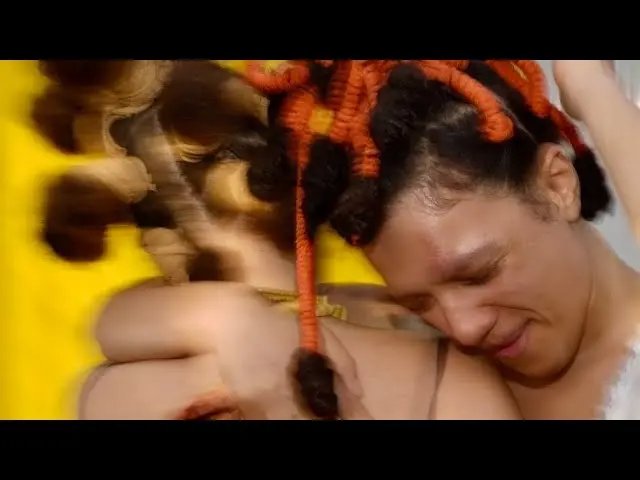
Before the international acclaim of “Ulo,” Malaka relied on profound resourcefulness to bring their artistic visions to life. The original iteration of the single was envisioned, recorded, and visually interpreted entirely by the duo. Demonstrating a fiercely independent DIY ethos, the sisters produced the song’s first music video “avec nos petites mains” (with our own little hands). This visual artifact stitched together deeply personal, sun-bleached archival footage shot in Guadeloupe with intimate, domestic scenes of the sisters crafting mango jam in a French kitchen—a visual metaphor for preserving sweetness and culture across thousands of miles.
This DIY spirit culminated in the release of their six-track EP, Mang, on November 24, 2023, through Green Piste Records. Positioned as the third track on the tracklist, “Ulo” immediately stood out as a thematic and rhythmic anchor for the entire project.
The Mantes-la-Jolie Encounter
The trajectory of “Ulo” shifted dramatically in May 2024. Following a live booking that saw Malaka secure a coveted opening slot for Brazilian powerhouse Flavia Coelho in Mantes-la-Jolie, located just west of Paris, a profound artistic synergy was sparked backstage.
Coelho, celebrated globally for her fearless synthesis of Brazilian samba, northeastern forró, and Jamaican reggae, recognized a kindred spirit in the Moïsa sisters. Conversations about shared post-colonial histories, female resilience, and diaspora art quickly morphed into a collaborative pact. Coelho entered the studio to lend her unmistakable vocal dynamism to a reimagined version of “Ulo,” injecting the track with an additional layer of transatlantic warmth and rhythmic swagger.
Global Amplification: Putumayo and Beyond
As the music industry took note of the refreshed single, international gatekeepers began to circle. In August 2023—three months prior to the physical/digital rollout of the Mang EP—the Vermont-based world music institution Putumayo World Music identified the track’s universal appeal. Known for curating culturally rich, borderless compilations that introduce niche regional sounds to mainstream Western listeners, Putumayo selected “Ulo” for their flagship digital curation, French Groove.
This inclusion not only validated Malaka’s rigorous artistic trajectory but also exposed their avant-garde blend of Caribbean roots and European neo-soul to hundreds of thousands of new listeners across North America, Europe, and beyond.
Supporting Context & Metrics
Linguistic and Thematic Deconstruction of “Ulo”
At the heart of the composition lies its title. While “Ulo” traces its linguistic roots to the Igbo word for "home," the Moïsa sisters repurpose the term as a psychological and spiritual sanctuary. Rather than defining home as a static geographic coordinate, the song treats home as an internal fortress—the raw, unyielding strength a woman discovers within herself when navigating systemic invisibility and interpersonal doubt.
The narrative arc of the track is structurally brilliant:
- The Opening Movement: The song initiates as an intimate, breathless love song. The lyrics capture the arresting vulnerability of locking eyes with a stranger—a fleeting glimpse of someone’s face that is “enough to fall in love”—paired with an earnest desire to form a unified partnership.
- The Pivotal Shift: As the track transitions into the French-language verse, the perspective pivots sharply outward and upward. The sisters address the listener directly (or speak to themselves as an archetype), issuing a stirring call to action: command the room, showcase unyielding strength, and stand tall against the detractors who refused to see your humanity.
Production Architecture and Instrumentation
Musically, “Ulo” refuses to remain tethered to a single genre, operating instead as a masterclass in modern transatlantic fusion.
- Rhythmic Foundation: The engine of the track is propelled by Laurina Moïsa’s intricate, cyclical guitar lines, locked in sync with drummer and percussionist Timothée Faure. Together, they establish a swinging, irresistible afrobeat lilt that bridges West African polyrhythms with Caribbean cadence.
- Harmonic and Electronic Layering: Co-producers Hadrien Mabilat and Nathan Pinel, alongside sound architect Yannick Le Seri, expand the sonic canvas. They anchor the low end with a deep, pulsing bassline while introducing vintage analog keyboards and meticulously programmed electronic beats. This fusion of organic instrumentation with contemporary digital production ensures the track resonates equally in underground jazz-fusion clubs and high-end international festival stages.
| Production Element | Contributing Artist(s) | Primary Role / Instrumentation |
|---|---|---|
| Songwriting & Vocals | Laurina & Sacha Moïsa (Malaka) | Lead Vocals, Guitars, Creole/French/English Lyrics |
| Featured Vocals | Flavia Coelho | Guest Vocals, Brazilian-Portuguese/Global Infusions |
| Drums & Percussion | Timothée Faure | Afrobeat Rhythms, Organic Percussion |
| Production & Co-Arrangement | Hadrien Mabilat, Nathan Pinel, Yannick Le Seri | Bass, Keyboards, Programmed Elements, Mix Engineering |
Official Statements & Artistic Perspectives
To understand the cultural weight of “Ulo,” one must examine how the creators themselves contextualize their collaborative efforts. In various press briefings surrounding the release of Mang, the Moïsa sisters have emphasized the necessity of artistic autonomy and sisterly intuition.
“When we write, we aren’t thinking about radio edits or algorithmic streaming boundaries,” notes Laurina Moïsa in discussions regarding their creative process. “We are honoring the echoes of the Caribbean, the realities of living in mainland France, and the universal language of survival. Adding Flavia to ‘Ulo’ was like completing a circuit we didn’t even know was open; her energy mirrors our own migration and artistic rebirth.”
Flavia Coelho, reflecting on her integration into the project following their Mantes-la-Jolie live debut, underscored the natural kinship of their shared musical diaspora:
“Collaborating with Malaka felt entirely instinctive. Our roots might touch different islands and continents—Guadeloupe, Brazil, France—but the rhythm of resistance and joy is identical. ‘Ulo’ speaks of a home you build inside yourself when the world tries to displace you. Singing on it was both an honor and a homecoming.”
Musicologists and world-music critics have similarly praised the track for dismantling the tired dichotomy between "traditional" and "modern" sounds. By blending acoustic afrobeat instrumentation with contemporary urban production, Malaka and Coelho have successfully positioned francophone Caribbean music at the bleeding edge of the European global-groove movement.
Future Outlook
As the ripples of Mang and the French Groove compilation continue to expand, the future for Malaka looks exceptionally bright. The triumph of “Ulo” serves as definitive proof that audiences are hungry for music that resists linguistic flattening. In an era dominated by homogenous English-language pop hits, tracks that fluidly navigate French, English, Creole, and Portuguese—while maintaining deep socio-cultural integrity—offer a compelling blueprint for the future of global music.
Upcoming Milestones and Strategic Horizons
- Expanded Touring Circuits: Building upon their successful live collaborations, industry insiders anticipate further stage sharings between Malaka and Flavia Coelho, potentially translating into major festival appearances across Europe and the Americas through the upcoming summer seasons.
- Cross-Continental Recording Projects: Following the critical validation provided by Green Piste Records and Putumayo, the Moïsa sisters have hinted at future recording sessions that will further stretch their geographic and sonic boundaries, potentially incorporating West African and South American instrumentalists directly into their core writing sessions.
- The Evolution of the "Mang" Era: While Mang established Malaka as a force to be reckoned with, the duo is currently workshopping new material that promises to deepen their exploration of afrobeat, neo-soul, and Caribbean roots music, cementing their status as vital cultural ambassadors.
Ultimately, “Ulo” is much more than a successful single; it is a sonic sanctuary. It proves that no matter how far one travels from their ancestral shores, home can always be reconstructed through rhythm, sisterhood, and the unyielding power of the human voice.