Artificial intelligence remains one of the most polarizing flashpoints in modern music production. While Silicon Valley champions generative tools as the next great frontier for creativity, traditionalists and independent creators frequently decry the technology as an existential threat. Concerns regarding copyright infringement, the unauthorized scraping of protected datasets, and the devaluation of human artistry have turned AI into a battleground for the soul of modern music.
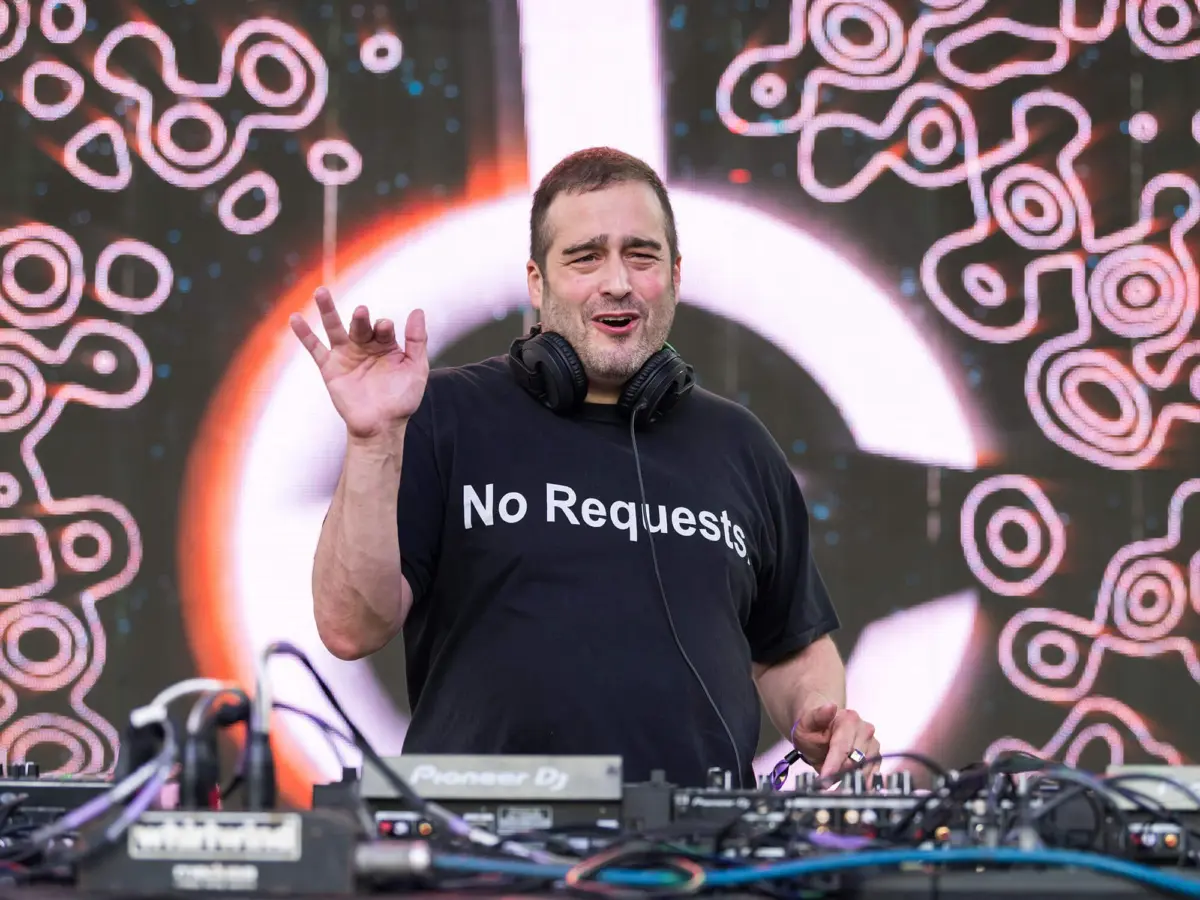
Amid this climate of deep-seated industry skepticism, house music legend Todd Edwards has emerged as a surprisingly vocal proponent of AI integration. In a recent, wide-ranging interview with MusicRadar, the influential producer and Grammy-winning collaborator defended his use of generative tools like Suno Studio. Edwards argued that the technology has breathed new life into his creative workflow, offering an innovative approach to sound design and sample generation.
Dismissing the widespread panic surrounding AI as short-sighted, Edwards drew sharp parallels between the use of generative models and established industry practices, such as sample clearing habits and subscription-based loop services like Splice. His frank admissions have since ignited a fierce public debate across social media, drawing criticism from peers who argue that embracing AI compromises the foundational ethics of artistic integrity. This article explores Edwards’ controversial stance, examines the broader implications of generative AI within electronic music production, and evaluates the deep ideological rift dividing the modern producer community.
Detailed Chronology: From Garage Pioneer to Generative Early Adopter
To understand Todd Edwards’ perspective on artificial intelligence, one must first examine his storied history within electronic music. Emerging in the mid-1990s, Edwards became a legendary figure in the UK garage and house scenes, renowned for his intricate, micro-chopped vocal sampling techniques. Working with hardware samplers and multi-track recorders, he pioneered a style that required immense patience, technical precision, and an exceptional ear for arrangement. His signature sound—slicing up vocal performances into dizzying, rhythmically complex mosaics—inspired generations of producers, eventually catching the attention of electronic music heavyweights like Daft Punk, with whom he famously collaborated on Discovery.
For decades, Edwards’ workflow relied on traditional methods of crate-digging, physical instrument recording, and manual sample manipulation. However, as the electronic music landscape evolved into the digital era, the grueling mechanics of sample acquisition began to take a toll.
Speaking to MusicRadar, Edwards revealed that by 2025, the standard avenues for sound procurement had grown exhausting. Traditional methods—such as programming original synthesizer patches or browsing through massive digital sample repositories like Splice—felt increasingly monotonous. The joy of unexpected musical discovery had been bogged down by administrative fatigue and the repetitive nature of modern digital workstations.
Seeking a way out of this creative rut, Edwards began experimenting with Suno Studio, an AI-powered music platform capable of generating audio stems, melodies, and samples based on text prompts and user guidance. Far from feeling threatened by the technology, Edwards found that Suno Studio acted as a catalyst for his imagination. Rather than replacing his artistic input, the tool served as an accelerated sound-design partner, capable of producing legally safe, highly malleable audio snippets that he could manipulate, chop, and weave into his characteristic house arrangements.
This technological pivot marks a significant evolution in Edwards’ career: a veteran creator, universally respected for his raw, uncompromised originality, choosing to embrace tools that many of his contemporaries view as an existential enemy.
Supporting Context & Metrics: The Fault Lines of AI in Modern Production
The friction surrounding artificial intelligence in music production is not merely ideological; it is anchored in tangible legal, economic, and ethical anxieties. Over the past several years, generative AI models have grown exponentially in sophistication, moving from rudimentary melody generators to tools capable of mimicking specific vocal tones, instrumental timbres, and complex genre-specific arrangements within seconds.
The core of the controversy centers on how these AI models are trained. Major generative platforms, including Suno and Udio, have faced high-profile lawsuits from major record labels and independent music organizations. Plaintiffs accuse these tech companies of engaging in massive, unauthorized data scraping—ingesting millions of copyrighted songs from platforms like YouTube, Deezer, and streaming services without compensating or seeking permission from the original creators. Critics argue that these AI systems effectively monetize stolen intellectual property, using the life’s work of human artists to train algorithms designed to compete directly with them.
Furthermore, the economic implications for working musicians are stark. In an industry where streaming revenues are already heavily skewed against independent creators, the prospect of audiences consuming AI-generated tracks poses a direct threat to sync licensing, background music creation, and commercial composition work.
Yet, within this hyper-charged atmosphere of digital protectionism, producers remain divided. Proponents of AI argue that generative software is simply the latest in a long line of technological disruptions—comparable to the introduction of the digital sampler, MIDI, or software plugins, all of which were initially condemned by traditionalists as "cheating" or shortcuts that would dilute musical authenticity.
Edwards seizes upon this historical continuity to dismantle what he perceives as pervasive industry hypocrisy. In his view, the outrage directed at AI often ignores the realities of how electronic music has been made for decades.
Official Statements & Industry Perspectives
Todd Edwards’ defense of AI is unapologetic, directly challenging the moral high ground often assumed by critics of generative technology. His statements during his MusicRadar interview cut to the heart of the debate, questioning the consistency of producers who condemn AI while relying on conventional digital shortcuts.
"I resent the way people talk about this technology as if it’s from the devil," Edwards stated plainly. "I feel like the seasoned producer will see it as a potentially powerful tool, but the amateur or the person that doesn’t have the skillset will see it as a threat."
Addressing the common accusation that AI-driven sampling steals revenue from hardworking artists, Edwards pointed out the widespread, often overlooked grey areas of traditional sampling culture. He argued that the practice of lifting uncredited or uncleared audio elements has been a staple of electronic and hip-hop production since their inception.
"What ticks me off is that there’s so many negative things that get said," he continued. "They say, ‘You’re taking money out of artists’ mouths’, but I’m sorry, I don’t remember every single artist on Beatport clearing samples! Is everyone clearing samples? Because if you’re not, it’s the same thing, just on a smaller scale."
Edwards also drew a direct comparison between utilizing AI-generated audio stems and subscribing to loop libraries like Splice, where producers build entire tracks using pre-packaged sounds created by anonymous third parties.
"They say that it’s synthetic, but you’re using Splice packs," Edwards argued. "You’re using other people’s sounds and you’re paying a credit to do that. If you build a whole track out of loops, that’s no different, in my mind. The hypocrisy in the industry is insane… It frustrates me to hear people bashing something that’s so amazing. I guess it’s all about how you use it."
The Backlash: Peer Reactions and Public Debate
Edwards’ endorsement of Suno Studio did not go unnoticed. Shortly after the MusicRadar interview was published, Edwards shared the piece on his Instagram account, prompting an immediate wave of pushback from fellow producers and fans in the comment section. The public discourse underscored the deep rift dividing veteran craftspeople from the digital vanguard.
Glasgow-based producer Austin Ato voiced his disappointment directly on Edwards’ post, writing:
"Todd respectfully, this feels so needless. You have made genre-defining music through your own originality and exploration. I know AI is promised as a new land to explore, but it’s land built on stolen work and data centres. Please reject this easy way and stay original."
Echoing these sentiments, another user added:
"I understand the potential of using it as a creative tool, but the ethics of it are just unacceptable right now… these samples aren’t being generated out of thin air, it’s the stolen work of fellow artists."
These reactions highlight the core fear among creators: that even if established artists like Edwards possess the technical skill to repurpose AI outputs into genuinely original art, normalizing the technology lowers the barrier of entry for systems built upon exploitative data practices, ultimately undermining the value of human labor across the broader creative economy.
Future Outlook: Navigating the AI Frontier in Music Production
As the music industry limps toward a regulatory framework for artificial intelligence, the debate sparked by Todd Edwards serves as a microcosm of a much larger, unresolved conflict. The tension between creative pragmatism and ethical responsibility is unlikely to dissolve anytime soon.
On one hand, tech developers are racing to build ethically sourced generative models trained exclusively on licensed catalogs and public domain recordings, aiming to neutralize copyright concerns. On the other hand, underground electronic music scenes—historically built on anti-establishment ethos, DIY culture, and raw human expression—remain fiercely protective of their craft against corporate tech encroachment.
Todd Edwards represents a unique faction within this ecosystem: the veteran innovator who refuses to view technology through a lens of dogmatic fear. Whether his pragmatic approach will be validated as visionary or condemned as collaboration with an exploitative system remains to be seen.
What is certain, however, is that generative AI has permanently altered the discourse surrounding music creation. As producers navigate this brave new world, the onus will increasingly fall upon artists to define the boundaries of ethical production—balancing the relentless drive for sonic innovation with a steadfast commitment to preserving the dignity and livelihood of the human creators who came before them.