Executive Overview
Few figures in the history of modern electronic music loom as large—or as mischievously—as Richard D. James, universally known by his primary moniker, Aphex Twin. Born in Limerick, Ireland, and raised amid the rugged landscapes of Cornwall, James emerged from the nascent UK rave scene of the early 1990s to permanently warp the boundaries of composition, sound design, and listener expectation. His career is a masterclass in duality: a continuous, high-wire balancing act between pristine, heartbreaking beauty and abrasive, mechanized chaos.
To approach the discography of Aphex Twin is to navigate an ever-shifting labyrinth of synthetic textures, hyper-syncopated rhythms, and ambient vastness. Because James’s sonic palette is endlessly versatile, any ranking of his studio albums is inherently subjective. What one listener hails as the pinnacle of electronic composition, another might find impenetrable. Yet, a systematic exploration of his major-label catalog reveals how a reclusive British producer transformed into an enduring cultural enigma.
As internet-driven revivals introduce his work to younger generations—pushing his metrics past pop titans like Taylor Swift on modern streaming platforms—this retrospective explores the definitive studio albums of Aphex Twin, untangling the mythology, the methodology, and the monumental impact of electronic music’s ultimate grand wizard.
Detailed Chronology: The Studio Discography Ranked
6. …I Care Because You Do (1995)
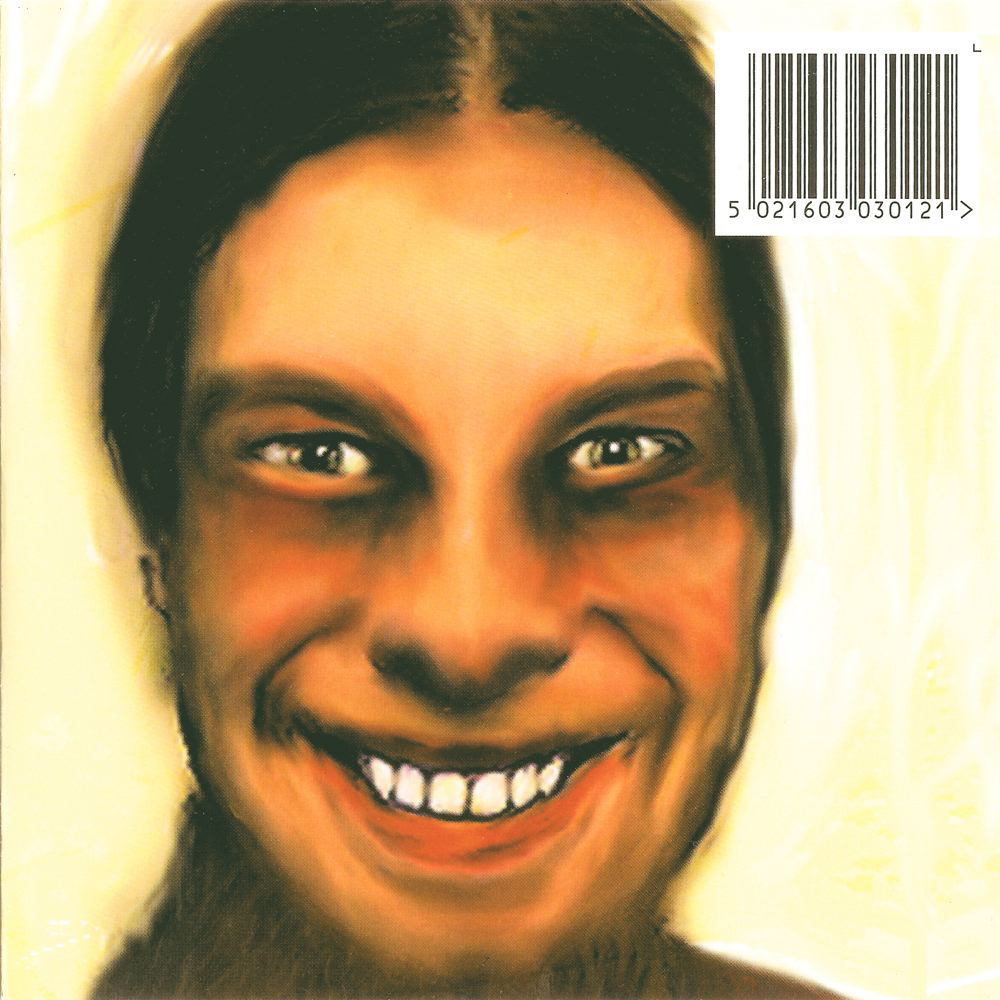
Following the sprawling, beatless expanse of 1994’s Selected Ambient Works Volume II, Richard D. James executed a sharp pivot. Released in 1995, …I Care Because You Do found the producer returning to rhythmic compositions, though filtered through a lens of biting humor, cryptographic in-jokes, and abrasive sound design.
The album’s tracklist is a map of James’s eccentricities. Acrid Avid Jam Shred conceals an anagram of his own name; Ventolin—named after an asthma medication—ranks among the most breathless, punishing tracks in his catalog, driven by high-frequency squeals that mimic the auditory assault of an asthma attack; Alberto Balsalm takes its moniker from a budget supermarket shampoo; and Come On You Slags openly samples dialogue from adult entertainment.
Stylistically, the record occupies a transitional purgatory. It sits comfortably between the deep, analog ambient depths of his earlier work and the digital glitch-craft that would define his late-90s output. Warm synthesizers clash with distortion-heavy breakbeats, offering a multifaceted entry point into his catalog. Though it lands at the bottom of this specific ranking, it is a testament to the sheer strength of his discography that such an inventive record must take the final spot.
- Best Tracks: Cow Cud Is A Twin, Alberto Balsalm
5. Selected Ambient Works Volume II (1994)
To call Selected Ambient Works Volume II an ambient album is to understate its spiritual and psychological weight. Spanning two and a half hours, this sprawling double album is a masterclass in eerie minimalism, lush synthesizer pads, and microtonal exploration inspired by James’s reported lucid dreams and synesthesia.
For many purists, placing this masterwork at number five will feel heretical. It is widely hailed as a career-defining monument to ambient music. However, its lack of traditional song structures or official track titles (represented instead by a grid of pie-chart symbols, leaving fans to coin names like #3 or Rhubarb) makes it a demanding, deeply internalized listen. It is less an album of songs and more an atmospheric weather system. One moment, tracks like #3 wash over the listener with aching nostalgia and meditative peace; the next, compositions like #4 or #24 plunge the audience into an icy, sinister void. It is a profound, cinematic experience—just not one designed for casual, everyday rotation.
- Best Track: #3 (Rhubarb)
4. Syro (2014)
Thirteen long years separated 2001’s Drukqs from Syro, Aphex Twin’s long-awaited comeback full-length. Released in 2014 to a rapturous critical reception, Syro arrived at a time when the electronic music landscape had thoroughly caught up to the producer’s pioneering techniques.
Surprisingly cohesive despite being assembled across multiple years and studios, Syro stands as one of James’s most personal statements. The album features vocal contributions from his wife, his parents, and his two children, alongside his own heavily vocoded voice on the infectious breakbeat opener minipops 67 [120.2]. The emotional centerpiece arrives at the record’s close with aisatana, a devastatingly tender acoustic piano piece dedicated to his wife (Anastasia spelled backward).
While some critics noted a lack of the unhinged, abrasive experimentation found in his youth, Syro compensates with deep, analog grooves, sophisticated acid lines, and a masterful distillation of 1990s jungle aesthetics.
- Best Track: minipops 67 [120.2]
3. Richard D. James Album (1996)
lean, mean, and fiercely concentrated, the Richard D. James Album wastes no time on extraneous padding. Across 10 tracks and roughly 32 minutes, James delivers a high-speed masterclass in percussion. Propelled by blistering, hyper-syncopated breakbeats, the record is widely regarded as a foundational text for "drill and bass"—a subgenre characterized by frantic, highly complex drum programming.
James had already begun exploring this hyper-detailed rhythmic framework a year earlier on his Hangable Auto Bulb EP (released under the AFX pseudonym). What elevates the Richard D. James Album is the brilliant tension between digital chaos and organic warmth. Frantic, high-velocity drum loops crash directly into fragile string arrangements and pastoral melodies on highlights like Girl/Boy Song. It is peak Aphex Twin: uncanny, brilliant, and relentlessly inventive.
- Best Track: Peek82454201
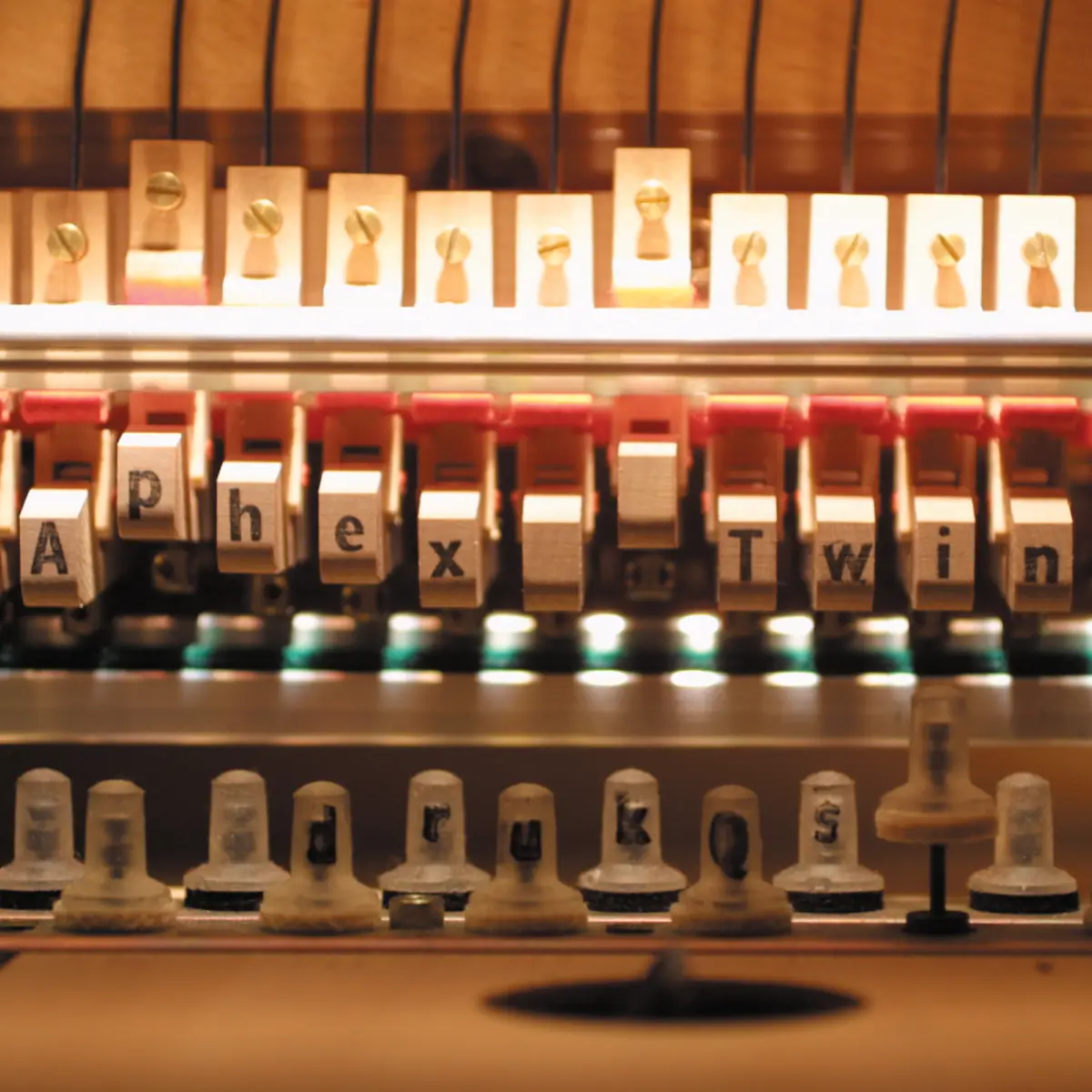
2. Drukqs (2001)
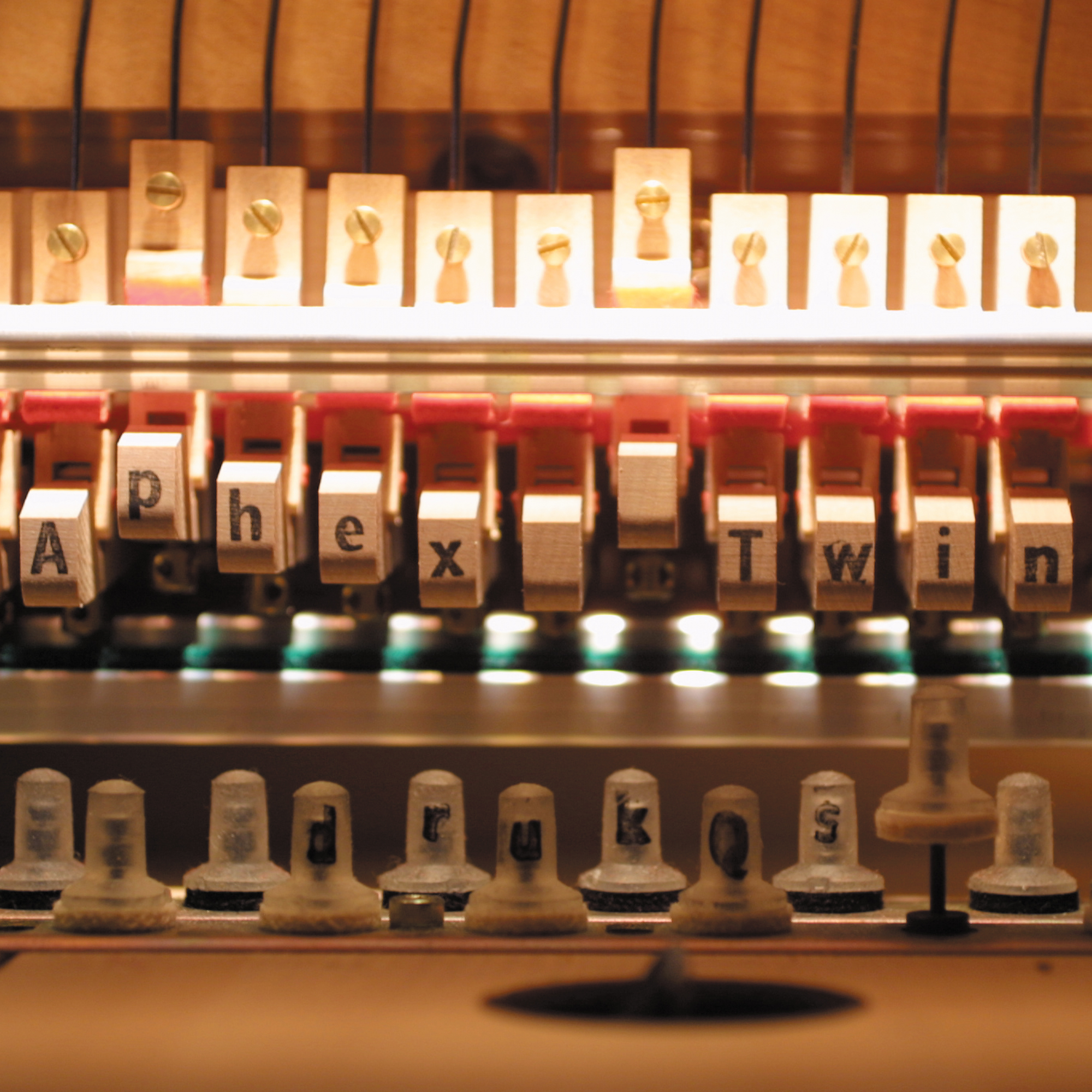
Released as an expansive 30-track, 100-minute double CD, Drukqs is frequently characterized as James’s "showing off" record—and rightfully so. It houses every extreme of the Aphex Twin spectrum under a single roof, swinging violently between clinical digital destruction and delicate, neoclassical introspection.
The album’s brilliance lies in its whiplash-inducing contrasts. Tracks like Vordhosbn represent the absolute peak of his mutated, start-and-stop drill-and-bass style, sounding like a high-speed panic attack engineered in a laboratory. Conversely, minimalist piano miniatures like Avril 14th and QKThr showcase a profound, haunting vulnerability.
Though initial critical reception was somewhat mixed—with some contemporary reviewers dismissing the piano pieces as derivative exercises in ambient pastiche—history has thoroughly vindicated Drukqs. Tracks like Avril 14th have transcended their origins, finding a massive, unexpected resurgence in internet culture, TikTok edits, and viral meme formats. It is a towering, maximalist achievement that sits mere inches away from the top spot.

- Best Tracks: Vordhosbn, Avril 14th
1. Selected Ambient Works 85-92 (1992)
To understand the cultural mythology of Aphex Twin, one must return to the beginning. Selected Ambient Works 85-92 (SAW I) is, without qualification, the quintessential Aphex Twin album. Compiling tracks recorded over a formative seven-year period, the release captures the vast, gorgeous, and emotionally resonant ambient techno that established James as a generational talent.
While the record is anchored by radiant, ethereal textures on cuts like Xtal, Tha, Pulsewidth, and We Are The Music Makers, it refuses to remain comfortably in the background. The wicked, squelch-heavy acid pulse of Green Calx reminds the listener that this is the product of a restless rave innovator, not a passive soundscaper.
Beyond its sonic supremacy, SAW I occupies a sacred space in music history as the vessel that introduced the iconic, alien-like "Aphex A" monogram to the world. Designed by graphic designer and former rave dancer Paul Nicholson, the logo became as ubiquitous to electronic music as the skull-and-crossbones is to rock and roll. Flawless in its execution and timeless in its execution, Selected Ambient Works 85-92 remains the undisputed crown jewel of the Aphex Twin discography.
- Best Track: Pulsewidth
Supporting Context & Metrics: The Internet Age Resurgence
The enduring cultural footprint of Aphex Twin is best evidenced not by traditional album sales, but by his bizarre, organic re-emergence within modern internet culture. While legacy acts often struggle to maintain cultural relevance decades past their commercial peaks, James’s catalog has experienced a staggering second wind on short-form video platforms.
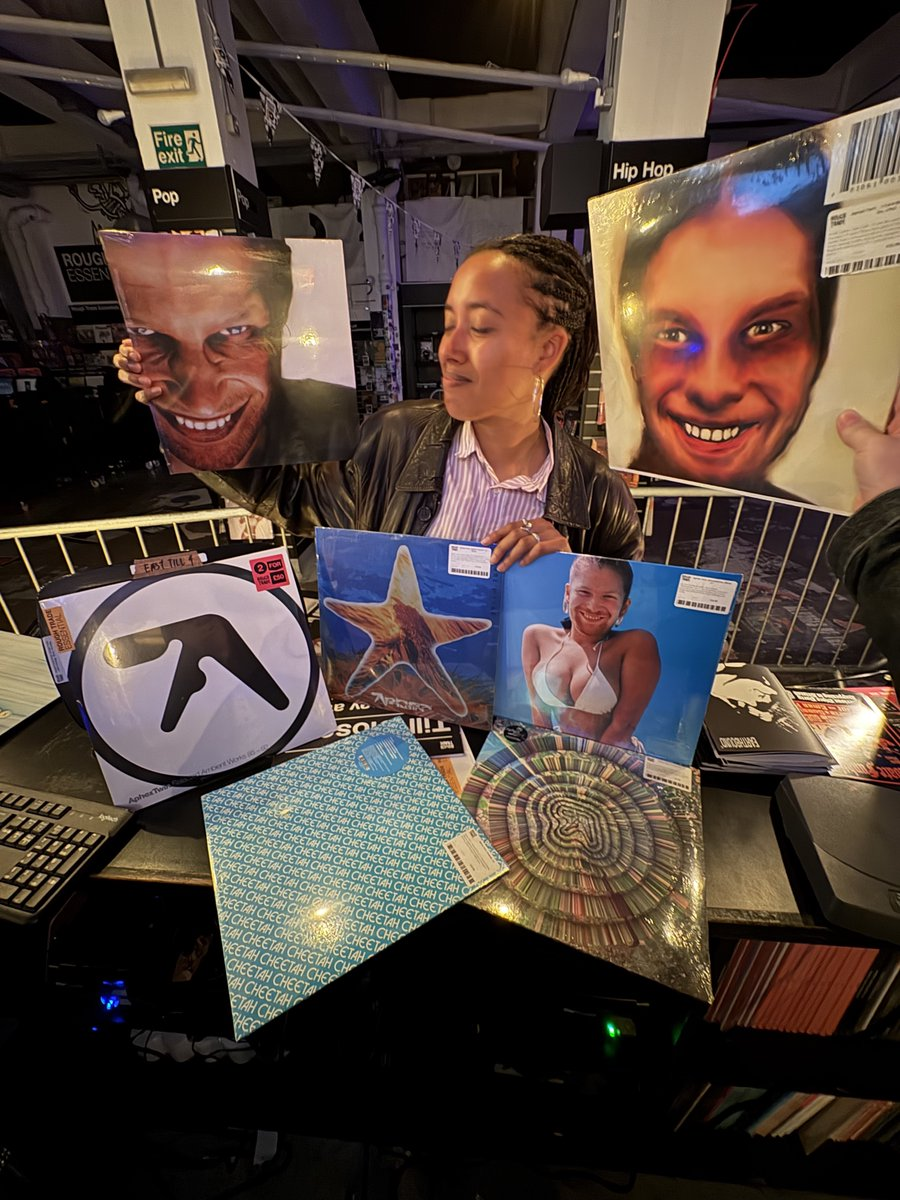
Tracks originally released over two decades ago—most notably Avril 14th, QKThr, and Jynweythek from the Drukqs and Selected Ambient Works eras—have been embraced by digital native audiences. Utilized as audio backdrops for trending loops, retrospective edits, and surreal meme formats, these compositions have introduced millions of Gen Z and younger listeners to IDM and ambient techno.
This viral renaissance has yielded fascinating statistical milestones. Driven entirely by algorithmic discovery and grassroots internet adoption rather than traditional radio play or major-label promotional pushes, Aphex Twin’s monthly listener metrics on streaming platforms have frequently rivaled—and occasionally surpassed—contemporary pop monoliths like Taylor Swift. It is the ultimate ironic twist for an artist who has spent his entire career hiding behind obscured facial artwork, fabricating joke interviews, and dodging the traditional machinery of the music industry.
Official Statements & Archival Insights
Richard D. James has notoriously given very few sincere interviews over his decades-long career, often preferring to let his chaotic live stunts—such as dropping a microphone into a spinning blender or dragging a turntable needle across a sheet of sandpaper at New York’s Knitting Factory in 1995—speak for themselves. However, archival interviews provide essential insight into his creative ethos.
Speaking on the intentional pivot from the beatless atmosphere of Selected Ambient Works Volume II to the rhythmic assault of …I Care Because You Do, James told Paper Magazine in 1995:
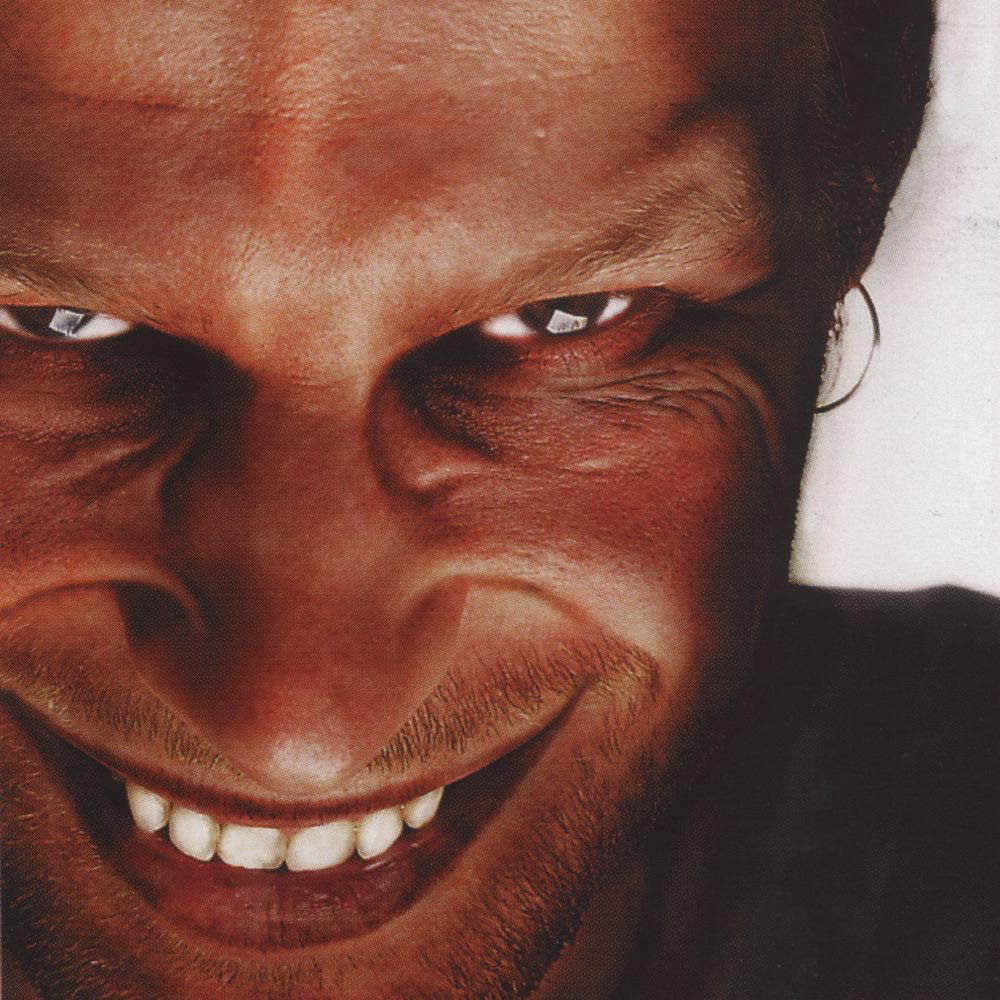
"The tracks I chose were part of a conscious effort to be more conventionally accessible, featuring rhythm of some kind. I don’t really care, but I thought since the last one wasn’t [rhythmic], I’d make this one so it was."
Similarly, reflecting on the golden era of electronic music production in a 2014 interview with Pitchfork, James pinpointed the unpolished, pre-internet DIY aesthetic of the early 1990s as the gold standard for creativity:
"I used to love jungle. I still think it’s the ultimate genre, really, because the people making it weren’t musicians… There was only a couple of years where people didn’t know what they were doing, and you got all these samples that are just totally not related in pitch. I really hunt down those records."
Future Outlook: The Ongoing Enigma
As the electronic music landscape continues to fracture and evolve in the mid-2020s, the blueprint established by Richard D. James remains entirely uncopyable. Whether dropping sporadic new transmissions like 2023’s Blackbox Life Recorder 21f / In a Room7 F760 or watching his historical catalog enjoy massive digital rebirths, Aphex Twin operates outside the traditional lifecycles of commercial pop stardom.
He is simultaneously revered as an academic pioneer of IDM and celebrated as internet culture’s favorite sonic troll. For newcomers and devoted collectors alike, diving into his discography is not merely an exercise in music appreciation; it is an investigation into how a Cornish-raised bedroom producer became electronic music’s most enduring, untouchable myth.