Executive Overview
In the overlapping worlds of underground electronic music and high-value contemporary art, few artefacts carry the elusive, mythical status of the 2002 Banksy-customised edition of Röyksopp’s debut album, Melody A.M. A rare copy of this collaboration recently changed hands at Wessex Auction Rooms, selling to a local street-art collector for £3,720.
While the vinyl itself—featuring the unmistakable imprint of Bristol’s most infamous anonymous graffiti artist—showed clear signs of wear, auctioneers noted that the record’s heavily played condition did nothing to deter buyers. Instead, the final hammer price was driven almost entirely by the scarcity and cultural cachet of Banksy’s bespoke stencil work. Yet, paradoxically, contemporary market data suggests that the winning bidder may have walked away with a relative bargain: similar copies of the ultra-limited run have previously commanded upward of $10,000 on secondary digital marketplaces like Discogs.
This sale not only underscores the enduring crossover appeal of early 2000s electronic music and street art, but also serves as a fascinating case study in how physical media can transcend its primary function as a musical delivery system to become a prized, blue-chip contemporary art asset.
Detailed Chronology: From Blank Sleeves to Auction Block
The Genesis of a Collaboration (2002)
The story of this extraordinary collector’s item dates back to 2002, shortly after the international breakthrough of Norwegian electronic duo Röyksopp (Svein Berge and Torbjørn Brundtland). Eager to promote their critically acclaimed debut album Melody A.M. in unique fashion, the duo orchestrated a shrewd promotional stunt that would inadvertently create some of the most sought-after physical vinyl items of the 21st century.
At the time, Banksy was still transitioning from a regional UK graffiti writer into a globally recognized phenomenon, though his subversive stencilling techniques were already gaining traction across Britain’s creative underground. Seeking a creative partnership that bridged the gap between contemporary electronica and counter-cultural art, Röyksopp dispatched a batch of 100 blank, plain white record sleeves directly to Banksy.
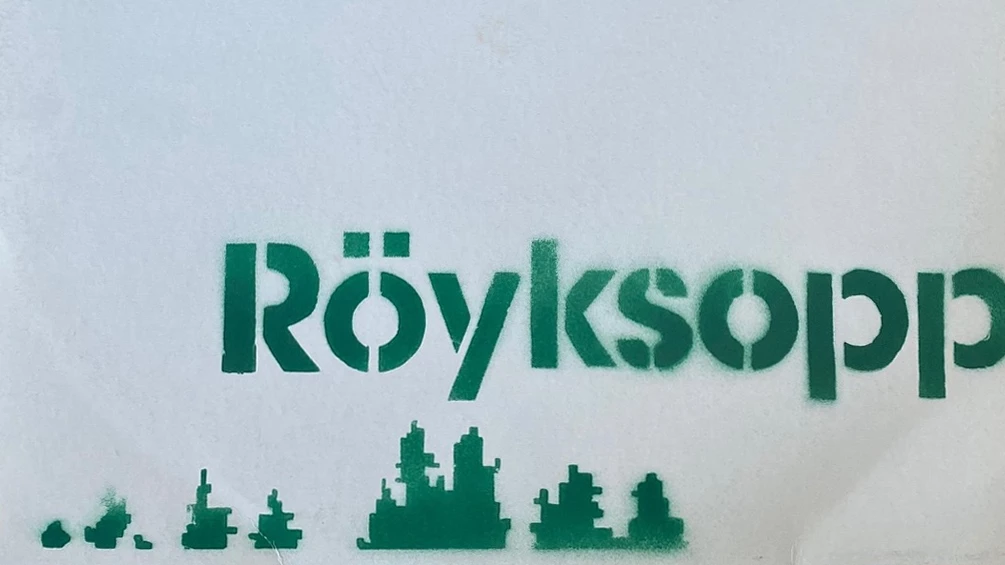
The elusive artist took the plain white cardboard and applied a custom stencil, spray-painting the name "Röyksopp" across the front in a distinctive shade of green. Only 100 copies of this customized variant were ever produced and distributed, cementing them as a holy grail for fans of both the band and the artist long before Banksy attained multi-million-dollar mainstream auction status.
The Recent Wessex Auction Drama
Fast forward more than two decades, and one of these 100 holy-grail copies surfaced locally at Wessex Auction Rooms. The lot immediately attracted the attention of regional fine art and street-art aficionados, drawing eyes well beyond the typical demographic of a regional auction house.
According to reports from The BBC, the eventual buyer initially missed out on the live bidding window during the auction proper. Recognizing the rarity and historical significance of the piece—and knowing that opportunities to acquire verified Banksy ephemera at regional houses are vanishingly rare—the dedicated collector acted decisively. Immediately following the conclusion of the lot, the buyer contacted the auction house directly, initiating negotiations with an opening private offer of £3,000. After a brief flurry of back-and-forth discussions, the deal was finalized at £3,720, securing the record a new home within a local private collection.
Speaking to The BBC following the sale, Martin Hughes, a seasoned auctioneer and vinyl specialist at Wessex Auction Rooms, offered candid insights into what actually dictates value in a crossover item of this nature. Hughes pointed out that the physical media itself—despite being a cherished artifact of early noughties chillout culture—held negligible weight in the final financial valuation.
"As much as Röyksopp were a great band," Hughes remarked, "you’re not going to be spending thousands on one of their albums on its own."
Indeed, Hughes confirmed that the copy had "definitely been played"—a detail that would normally diminish the value of a pristine, unspun collector’s vinyl. However, because the primary value was tethered entirely to Banksy’s authenticated spray-painted stencil, the heavy surface scuffs and groove wear of a well-spun record became utterly immaterial to the collector class.
Supporting Context & Metrics: The Global Market for Melody A.M. Banksy Pressings
While a £3,720 final price tag sounds staggering to the casual music consumer, historical transaction data indicates that the recent Wessex Auction buyer may have secured a surprisingly good deal. The global market for the remaining 100 copies of the Banksy-customised Melody A.M. has historically fluctuated wildly, but consistently commands high four- and five-figure sums whenever a copy surfaces on specialized secondary trading platforms such as Discogs or through major fine-art auction houses.
Historical Discogs Sales Data
- October 2021: A verified copy of the Banksy-customised Melody A.M. changed hands on Discogs for a remarkable $8,450, demonstrating the enduring appetite for the pressing even amidst broader economic shifts during the pandemic era.
- 2019 Peak Transactions: The year 2019 saw heightened activity on the collector’s market, with two separate copies successfully trading through Discogs. One particularly pristine edition shattered previous expectations by fetching more than $10,000, while a second copy sold shortly thereafter for $6,962.
When stacked against these historical benchmarks, the £3,720 (roughly $4,700–$4,800 USD depending on currency fluctuations) realized at Wessex Auction Rooms represents a relative discount. This pricing variance highlights a common phenomenon in the secondary art and vinyl markets: regional auction houses that lack specialized global digital bidding infrastructure occasionally underprice high-profile crossover pieces, creating golden opportunities for astute local collectors who monitor offline sales rooms.
The Legacy of Melody A.M.
To fully appreciate why these records were singled out for artistic intervention, one must look back at the cultural footprint of the album itself. Released in late 2001 through Wall of Sound, Melody A.M. was not merely a niche electronic record; it was a defining sonic blueprint for the early 2000s downtempo, ambient, and house movements.
The album achieved critical and commercial acclaim, peaking at No. 9 on the UK Albums Chart—a rare feat for an instrumental-leaning electronic debut at the time. It spawned a string of timeless, globally recognized singles that defined an era of sophisticated club culture and indie-electronic crossover:
- "Eple": Celebrated for its breezy, nostalgic melody and its whimsical, pitch-shifted video, "Eple" became an anthem of the early noughties lounge and chillout scene (and famously served as the startup sound for early versions of Apple’s OS X desktop interface in promotional media).
- "Poor Leno": Featuring the haunting, melancholic vocals of Erlend Øye (of Kings of Convenience), this track became a staple of both European radio and alternative dance floors.
- "Remind Me": Accented by a surreal, award-winning animated music video created by French directing duo H5 (depicting the daily life of an office worker as a series of corporate metrics), "Remind Me" cemented Röyksopp’s reputation as multimedia pioneers.
Given the artistic ambition and visual identity that Röyksopp infused into their early output, collaborating with a visionary visual provocateur like Banksy in 2002 feels, in retrospect, like an inspired stroke of predictive genius.
Official Statements & Industry Perspectives
The intersection of street art and physical music packaging has long fascinated cultural critics, record store owners, and gallery curators alike. In the wake of the Wessex Auction Rooms sale, industry experts have weighed in on why these specific crossover items continue to appreciate in cultural relevance and monetary value.
Art market analysts note that early 2000s Banksy ephemera occupies a particularly coveted niche. Unlike his later mass-produced screenprints (such as Girl with Balloon or Love is in the Air) or his large-scale installations like Dismaland, Banksy’s early commercial collaborations—often executed before he achieved global household-name status—offer a tangible connection to his roots in the UK graffiti underground.
Music historians, meanwhile, point out that vinyl as an art canvas has experienced a massive renaissance. While standard color variants and deluxe gatefold packages are now commonplace marketing tools for major record labels, the raw, DIY ethos of a stencil-sprayed blank cardboard sleeve represents an entirely different tier of physical collectibility. It transforms mass-produced industrial media into a unique, single-edition fine art object.
Martin Hughes of Wessex Auction Rooms encapsulated the sentiment best when discussing the mindset of the buyer:
"When you’re dealing with an artist of Banksy’s caliber, the music inside the jacket ceases to be the primary commodity. The vinyl record becomes the canvas, and the sleeve becomes a vehicle for a piece of modern art history. That is what commands the price tag."
Future Outlook: The Intersection of Fine Art and Electronic Music Collectibles
As physical music formats continue to navigate a complex modern landscape defined by the duality of streaming convenience and vinyl revivalism, items like the Banksy-customised Melody A.M. point toward an intriguing future for high-end music memorabilia.
Röyksopp’s Continued Evolution
While their collaboration with Banksy remains a legendary footnote from their early days, Röyksopp have refused to rest on their laurels, maintaining a relentless creative output that bridges their historical legacy with forward-thinking electronic production.
Following their monumental Profound Mysteries project, the Norwegian duo executed a deliberate pivot back to their club-centric foundations with True Electric. This ambitious, live-focused release was built around 19 brand-new recordings and heavily reworked interpretations of classic tracks from across their expansive catalog. The True Electric campaign was accompanied by extensive international tour dates spanning Europe, Australia, and North America, proving that Berge and Brundtland remain a formidable, innovative force in live electronic music more than two decades after their debut.
This club-focused resurgence followed hot on the heels of Nebulous Nights, a surprise ambient LP released in 2024 that showcased the duo’s continuing commitment to deep, atmospheric sonic exploration.
What Lies Ahead for Crossover Collectibles?
Looking forward, market analysts predict that authenticated early-era street art collaborations tied to seminal electronic music releases will only grow rarer and more expensive. As the remaining copies of the 100-run Melody A.M. pressings become locked away in permanent private collections and institutional archives, the likelihood of public auction appearances diminishes rapidly.
For the fortunate collector who secured the recent Wessex Auction copy for £3,720, the acquisition is more than just a smart financial investment—it is the preservation of a singular moment in time when contemporary street art and pioneering Nordic electronica collided in the most unexpected and enduring way possible. Whether spun on a turntable with surface noise or preserved behind UV-resistant glass as a gallery-grade art piece, this spray-painted piece of cardboard stands as a monument to an era when music and visual art spoke the exact same subversive language.