Executive Overview
The contemporary music industry exists in a state of perpetual acceleration. Between the algorithmic shifts of social media platforms, the decentralization of traditional gatekeeping, and the rising tide of artificial intelligence, breaking into the business requires a new playbook. For the next generation of industry leaders, the traditional path of moving to London without a safety net is increasingly untenable. Economic pressures, skyrocketing living costs, and an overreliance on unpaid or low-paid internships have created steep barriers to entry for working-class aspirants.
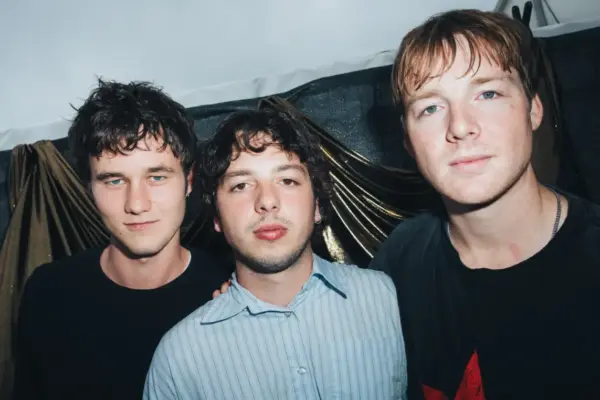
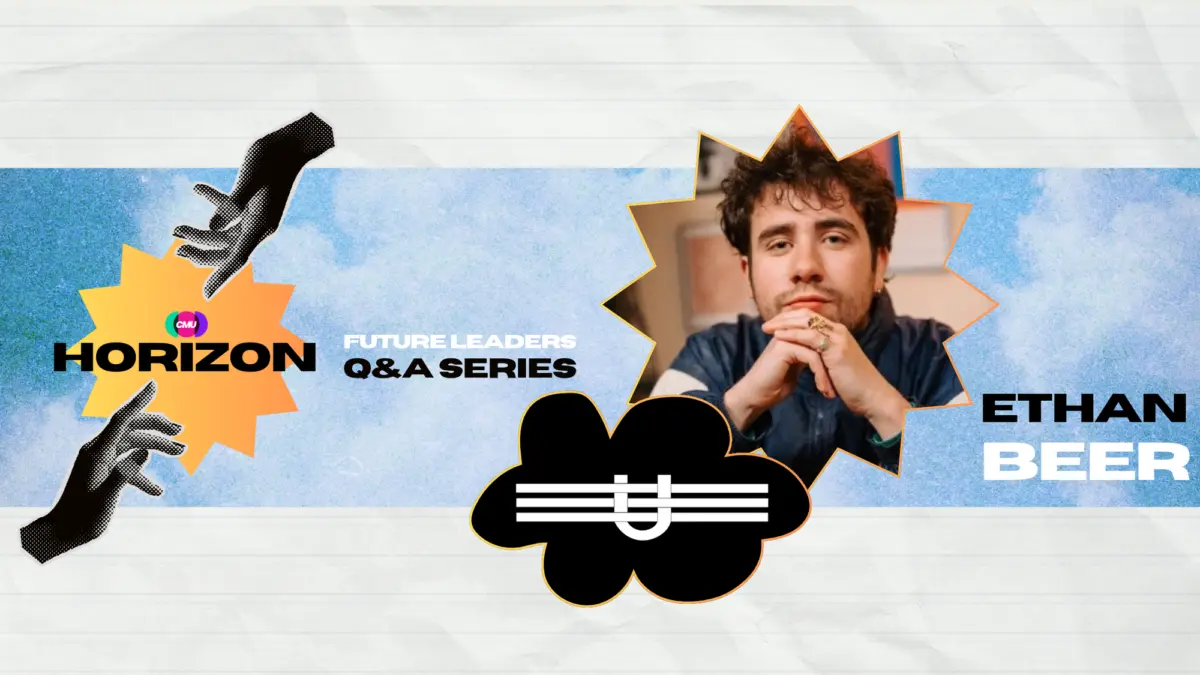
Enter the Horizon series, an ongoing initiative dedicated to catching up with the music industry’s current and emerging leaders to gather honest, actionable advice on how they built their careers. This installment features Ethan Beer, Head of Press at Underplay. Balancing a rigorous press schedule with a dynamic roster of management clients—including Bathing Suits, Jessica Winter, Kamran Khan, pencil, and Melin Melyn—Beer represents a multi-hyphenate breed of modern music executive.
From cutting his teeth on an apprenticeship scheme to navigating the influencer-driven landscape of modern music discovery, Beer offers an unfiltered look at what it takes to survive and thrive in today’s creative economy. His journey highlights both the structural inequalities still plaguing the sector—such as geographic concentration around London—and the grassroots resilience required to carve out a sustainable career. This article explores Beer’s trajectory, his perspective on the evolving media landscape, and his blueprint for newcomers aiming to build authentic connections in an increasingly digital world.
Detailed Chronology: From Apprenticeships to Underplay
The Foundation: Breaking In Outside the Capital
Like many professionals who break into the creative industries, Beer’s journey began with a mix of strategic timing, geographic luck, and early hands-on experience. Growing up just outside London—specifically citing Hayes and Slough—Beer was uniquely positioned to commute from his parents’ home while pursuing his initial qualifications.
He enrolled in Big Creative Education’s (BCE) music business apprenticeship, a pivotal stepping stone that combined practical industry placement with academic theory. Through BCE, Beer secured an apprenticeship at Republic Media, where he gained his first taste of the fast-paced public relations landscape.
"I’m incredibly lucky I grew up just outside London and could live at my parents’ house whilst I enrolled in Big Creative Education’s music business apprenticeship," Beer reflects. "I got an apprenticeship at a company called Republic Media, where I started to learn about the music industry hands-on, and did one day a week at college learning the ‘theory’ of it."
However, Beer is quick to acknowledge that his early trajectory relied heavily on circumstances unavailable to many regional aspirants. He is a vocal advocate for expanding paid, entry-level opportunities and training initiatives—such as those offered by Generator in the north of England—to individuals living outside the M25 corridor. Without structural financial support, the industry risks shutting out diverse voices from working-class backgrounds who cannot afford to absorb the costs of unremunerated entry-level roles.
Expanding Horizons: Dual-Wielding Press and Management
Today, Beer’s professional life is defined by a hybrid role at Underplay, where he splits his focus between driving high-impact press campaigns and steering the careers of emerging artists.
His day-to-day operations demand a constant switching of gears. On the press side, his work involves daily outreach to journalists, securing album reviews, setting up features, and coordinating media rollouts. On the management side, the scope is far broader and decidedly less predictable.
"Management is totally different, and one of the best parts is that every day is different," Beer explains. "You’re helping with creative, doing admin, building a campaign, playing therapist or listening to new music. And it probably ends with a gig in the evening!"
This dual perspective gives Beer a rare, comprehensive view of the music ecosystem. He sees how public relations campaigns intersect with artist development, and how the modern artist must juggle public perception, digital content creation, and live performance. The payoff for this relentless work ethic is tangible: in 2025, Beer achieved a career milestone by attending Glastonbury for the first time alongside a band he manages.
Supporting Context & Metrics: The Shift in Music Discovery and Journalism
The mechanics of how audiences discover music have undergone a seismic transformation over the last decade. Traditional gatekeepers—once limited to radio pluggers, print magazine editors, and major label A&R scouts—now share space with algorithmic feeds and digital content creators.
The Rise of the Influencer and the Resilience of Print
According to Beer, the modern public relations landscape is experiencing a distinct boom in influencer-driven music discovery. Younger audiences increasingly turn to Instagram and TikTok tastemakers for recommendations, forcing publicists to cultivate entirely new networks of relationships.
Yet, rather than rendering traditional music journalism obsolete, this digital saturation has underscored its value.
"A lot of that’s where kids are finding music recommendations from the next generation of tastemakers… but that means traditional media and writing from experienced music journalists have never been more important for cutting through the digital noise."
This cyclical nature of media consumption is further evidenced by a counter-movement: the resurgence of independent print zines. While these publications face monetization hurdles, their proliferation proves that audiences crave curated, thoughtful critique rather than endless algorithmic loops.
DIY Communities vs. Astroturfing
In the digital marketing sphere, Beer draws a sharp distinction between organic community-building and manufactured hype (astroturfing). While platforms like TikTok and Instagram demand continuous content creation—such as testing trial reels and maintaining active feeds—fake engagement and bot-driven strategies ultimately ring hollow.
He points to DIY outfits like Leeds-based label, management, and booking entity Private Reg / Regcords as shining examples of modern resilience. By immersing themselves in their local scenes and fostering genuine offline communities, DIY creators are proving that grassroots momentum can translate into broader industry success.
Official Statements and Industry Insights
In his candid reflections for the Horizon series, Beer outlines several core philosophies for anyone seeking to build a sustainable career in music. Below are key insights drawn from his direct commentary:
- On the Reality of Entry-Level Work: "People just have less money and things cost more, so taking a low-paid, entry-level job in music has become much harder for working-class people. But the internet, and social media in particular, has also democratised everything."
- On Networking Without the Schmooze: "Just be normal! And find like-minded people and do stuff with them. One of the best parts of the music industry is being able to be creative with your friends. Start the band. Put on the gig night. Go to the ‘dry’ networking event and try to forget about the schmoozing."
- On Embracing Mistakes: "I just wanted to try everything, say yes to everything I could and be confident enough to make some mistakes early. The only real way to learn the music industry is to DO things!"
- On the Core Philosophy of the Industry: "Don’t forget, the whole point of this is that it’s supposed to be fun! You have to really want to live and breathe music, and all the other stuff that comes with it will just be background noise."
Future Outlook: Artificial Intelligence and the Next Frontier
As the music industry looks toward the horizon, emerging professionals must contend with unprecedented technological disruption. For Beer, the most pressing systemic challenge—and potential threat—comes from artificial intelligence.
Confronting the AI Wave
Beer does not mince words regarding the integration of generative AI into the creative and administrative pipelines of the music business:
"It would be remiss not to talk about how AI is going to affect everyone’s career on an industry-wide scale. I fear that soon not only will the music we listen to be made by AI, but AI will also control the way it’s delivered to consumers."
While he advocates for regulatory restrictions on generative tools within the creative sphere, Beer acknowledges that the technology has already permeated the market. For early-career professionals, survival requires pragmatic digital literacy. Rather than fighting the tools entirely, newcomers should understand how AI agents function to streamline workflows, optimize administrative tasks, and manage data within non-creative sectors.
The Value of Real-Life Connection
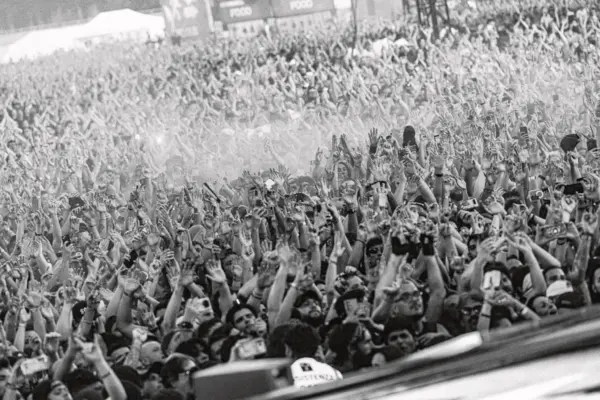
Even as digital landscapes shift and automation looms large, certain elements of the music industry remain fundamentally human. Beer firmly believes that live experiences, transcendent gig moments, and authentic artist-fan connections cannot be replicated by code or algorithms.
As a broader "digital detox" cultural movement continues to gain momentum, live music and physical community spaces will only grow in importance. For companies like Underplay and forward-thinking managers like Ethan Beer, focusing on these tangible, real-world moments remains the ultimate strategy for cutting through the noise and building lasting careers.