Executive Overview
For the modern sneaker enthusiast, few things sting quite as much as watching a prized pair of leather kicks succumb to the ravages of time. Creases, scuffs, UV fading, and dry, cracked surfaces can quickly turn a grail into a beater. Enter what industry insiders affectionately—and dramatically—refer to as "Lifeless Leather Syndrome" (LLS). To combat this widespread footwear affliction, Crep Protect, the undisputed global leader in premium sneaker care, has returned to the drawing board. Building upon the foundational success of their initial leather care solution launched in 2024, the brand has officially unveiled its highly anticipated, completely overhauled Crep Protect Leather Reviver.
Designed as the ultimate antidote to worn-out uppers, this next-generation formula represents a significant leap forward in chemical formulation and user experience. At its core, the newly engineered product features a revamped, water-based solution meticulously balanced to provide a treatment that is as gentle on delicate materials as it is ruthlessly effective against fading and wear. Whether you are looking to restore vintage grails found at a thrift market or simply keep your daily rotation looking factory-fresh, the Leather Reviver promises vibrancy without compromising the structural integrity of the leather.
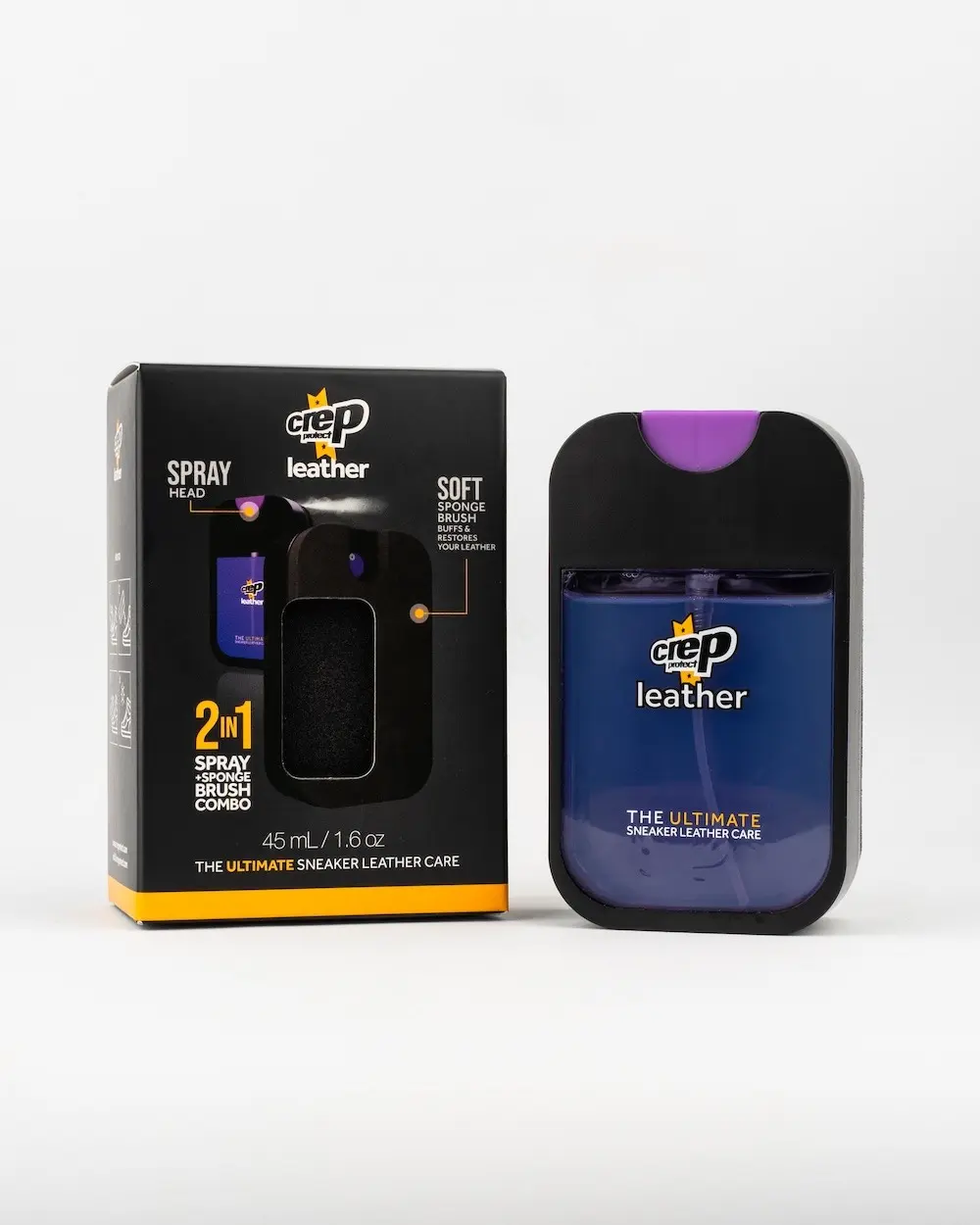
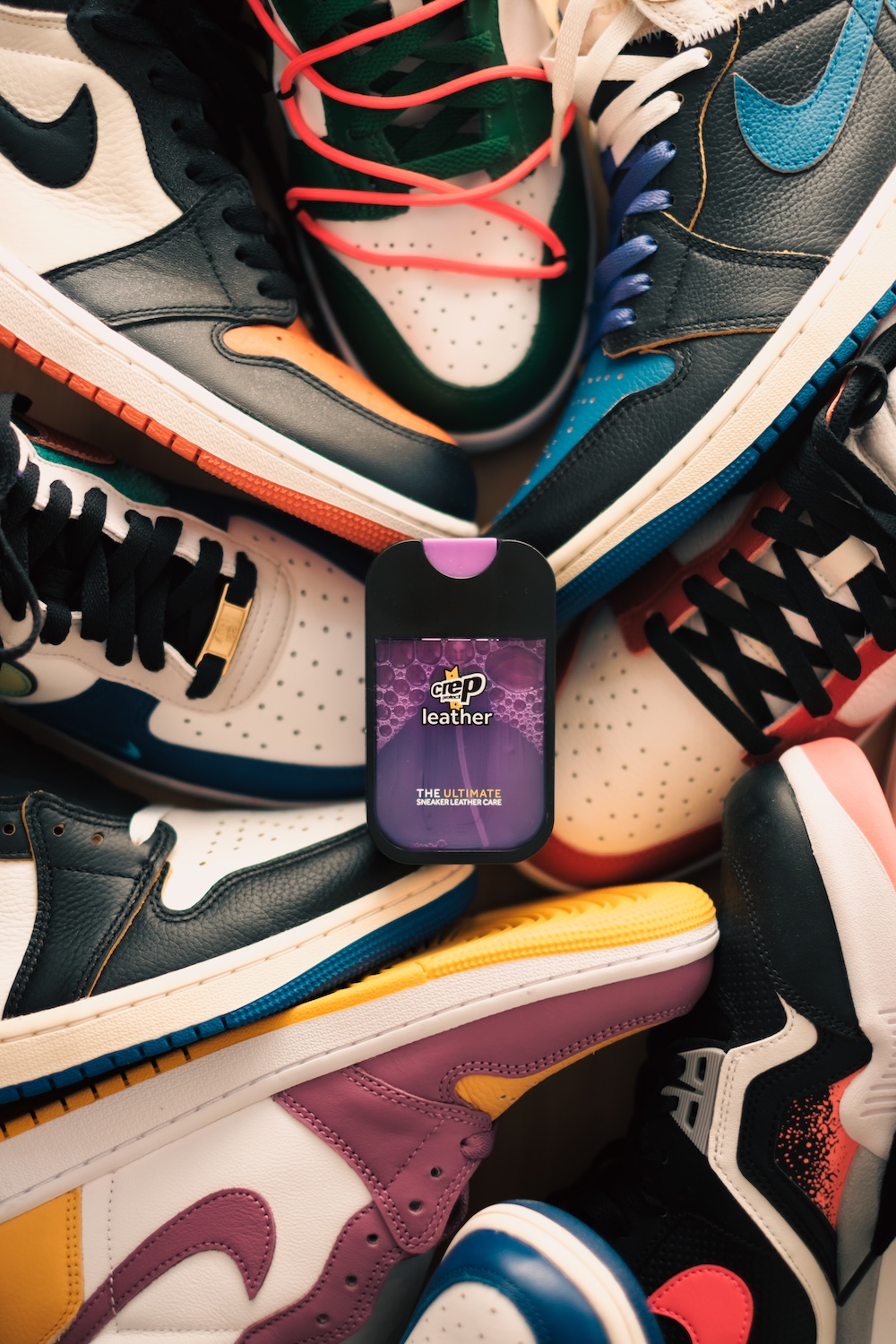
Packaged in a sleek, pocket-sized 45ml vessel, the product speaks directly to the needs of the on-the-go collector. Complete with an integrated, mess-free sponge applicator, it eliminates the need for messy rags, brushes, or complicated multi-step processes. Priced accessibly at just £12, the Crep Protect Leather Reviver is currently available via the brand’s official webstore, alongside major stockists including JD Sports and Footasylum. This comprehensive report explores the genesis of the product, the science behind modern leather maintenance, the evolving multi-million-dollar sneaker care economy, and what this release means for the future of footwear longevity.
Detailed Chronology: The Journey from 2024’s Prototype to the 2026 Evolution
To truly appreciate the engineering behind the new Crep Protect Leather Reviver, one must examine the trajectory of modern footwear maintenance over the past several years. The sneaker care landscape of the early 2020s was largely dominated by aggressive foaming shampoos, stiff-bristled brushes, and hydrophobic sprays. While these products excelled at removing superficial dirt, mud, and liquid spills, they left a massive gap in the market: material rejuvenation.
The 2024 Genesis
In 2024, recognizing that cleaning a shoe was only half the battle, Crep Protect dropped its first-generation leather care solution. That initial release was met with widespread critical acclaim from sneakerheads, customizers, and restoration artists alike. It proved that everyday consumers were eager to take matters into their own hands rather than discarding shoes at the first sign of fading.
However, user feedback highlighted critical areas for improvement. Early iterations, while functional, occasionally required supplemental tools for application, and some users desired a more subtle finish that didn’t alter the natural hand-feel of high-grade leathers. Furthermore, as the sneaker market shifted deeper toward sustainable materials, synthetic alternatives, and high-end tumbled leathers, formulas needed to become more adaptable.
The R&D Phase (2025–2026)
Throughout late 2025 and into 2026, Crep Protect’s research and development division initiated a comprehensive overhaul. Chemists and material scientists tested dozens of formulations to find the elusive sweet spot: a chemical composition that could deeply penetrate dried-out pores while remaining completely water-based and non-toxic to the underlying substrate.
The result of this intensive R&D cycle is the newly debuted 2026 Leather Reviver. By transitioning to a refined, water-based delivery system, the brand eliminated harsh solvents that historically risked drying out leather over extended periods of use. The inclusion of the built-in sponge applicator was finalized after months of ergonomic testing, ensuring that fluid distribution remained uniform across complex sneaker panels—from the perforated toe boxes of Air Jordan 1s to the smooth leather overlays of Nike Dunks and Adidas Stan Smiths.
Supporting Context & Metrics: The Economics of Sneaker Care and Material Science
The Booming Sneaker Care Economy
The launch of the Crep Protect Leather Reviver does not happen in a vacuum. Over the past decade, the global sneaker resale and culture market has ballooned into a multi-billion-dollar juggernaut. As rare releases command astronomical prices on secondary markets like StockX, GOAT, and Grailed, the incentive to preserve, protect, and restore footwear has never been higher.
Market analysts estimate that the global sneaker care and maintenance sector has experienced a compound annual growth rate (CAGR) exceeding 8% since 2021. Consumers are no longer treating sneakers as disposable commodities; instead, they view them as wearable art, financial assets, and pieces of cultural heritage. Consequently, spending on premium maintenance products—cleaners, wipes, deodorizers, and now, advanced revivers—has shifted from a niche hobby to an essential grooming routine.
The Science of "Lifeless Leather"
Why does leather lose its luster in the first place? Natural and synthetic leathers used in footwear are subjected to brutal environmental stressors:
- UV Radiation: Sunlight breaks down the chemical bonds in leather dyes and protective topcoats, leading to oxidation and severe fading.
- Dehydration: Just like human skin, leather loses its natural moisture content when exposed to dry indoor heating, summer heat, and friction. Without moisture, the collagen fibers stiffen, resulting in cracking and a dull, chalky appearance.
- Particulate Accumulation: Micro-dust and urban pollutants settle into the microscopic grain of the leather, absorbing light and creating a hazy, worn-out patina.
Traditional shoe polishes often sit entirely on the surface, creating a glossy barrier that easily rubs off onto pants or accumulates in creases, trapping dirt underneath. Crep Protect’s water-based formulation approaches the problem differently. By utilizing micro-emulsion technology, the Leather Reviver’s conditioning agents sink deep into the dermal layer of the leather, restoring suppleness from the inside out while depositing color-restoring pigments that bond seamlessly with the material.
Official Statements and Industry Reception
While specific press statements accompanying the drop emphasize the brand’s commitment to innovation, industry insiders and footwear communities have been vocal about the product’s immediate impact.
A spokesperson for Crep Protect noted during the rollout:
"We listened closely to our global community. Collectors didn’t just want a cleaner; they wanted a time machine for their favorite pairs. With the upgraded Leather Reviver, we’ve eliminated the friction of restoration. You don’t need to be a professional customizer to bring tired leather back to life. In under two minutes, anyone can reverse years of wear and tear without risking damage to their grails."
Early reviewers within the European streetwear scene—particularly those testing the product via stockists like JD Sports and Footasylum—have praised the £12 price point. In an era where specialized sneaker restoration services can cost upwards of £50 to £100 per pair, a pocket-sized, DIY solution represents immense value. Customization artists have also chimed in, noting that the water-based formula serves as an exceptional pre-treatment base before detail painting or touch-ups.
Future Outlook: Where Sneaker Maintenance is Headed
The release of the Crep Protect Leather Reviver signals a broader paradigm shift in the fashion and footwear industries. As sustainability becomes a core pillar for consumers and brands alike, the "right to repair" movement is steadily encroaching upon the sneaker world.
Instead of discarding worn-out shoes—a practice that contributes significantly to global landfill waste—consumers are increasingly empowered to maintain their wardrobes. We can expect future iterations of footwear care products to integrate eco-friendly packaging, biodegradable formulas, and even smarter applications tailored to exotic materials, nubuck, and advanced technical synthetics.
For Crep Protect, the success of this 2026 release solidifies their position at the vanguard of the industry. By continuing to bridge the gap between professional-grade restoration and consumer-friendly accessibility, they are ensuring that no sneaker has to suffer from "Lifeless Leather Syndrome" ever again.
For more style news, deep-dives into global culture, and updates on the architects of modern streetwear, make sure to check out the Viper Substack and explore the latest features on Viper Magazine.