Executive Overview
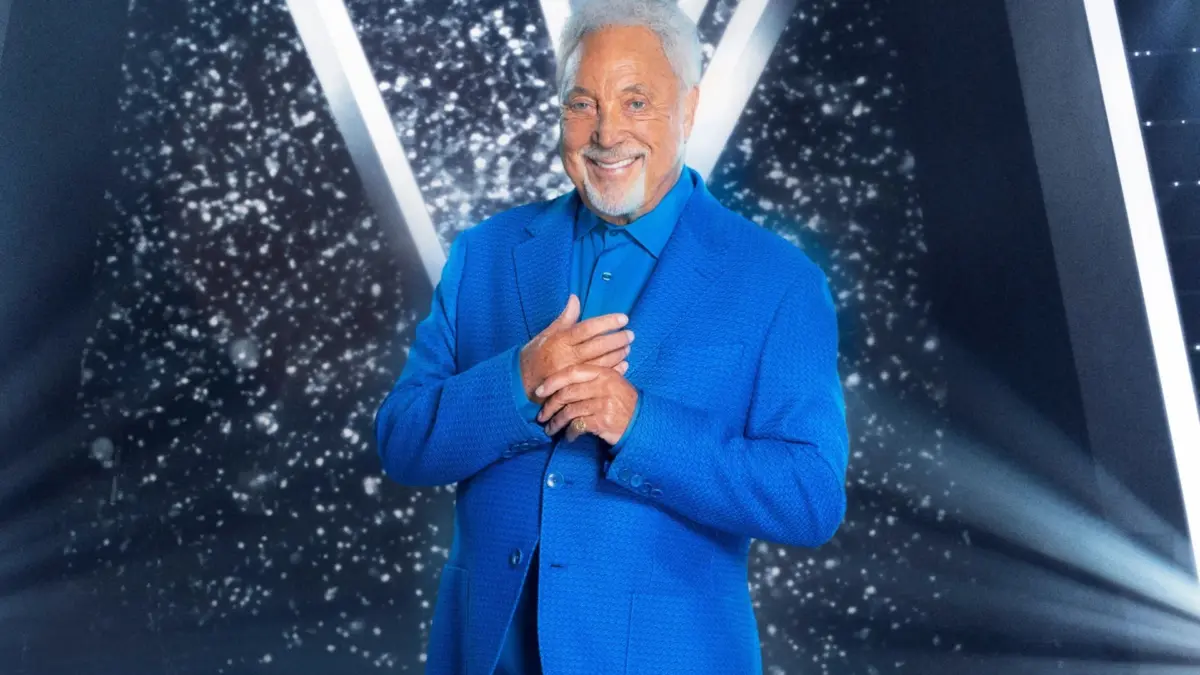
The landscape of British weekend television is set to undergo a seismic shift following the confirmation that Welsh music legend Sir Tom Jones will not return to his iconic red coaching chair for the upcoming 15th season of The Voice UK. The departure of the 86-year-old powerhouse marks the end of an era for the ITV singing competition, where Jones has served as a defining pillar since its inception on British television screens in 2012.
While network executives have framed the move as part of a routine creative "refresh" designed to modernise the coaching panel, Sir Tom has offered a starkly different narrative. In a candid public statement addressing his supporters, the "It’s Not Unusual" singer revealed that the decision was finalized behind closed doors long before he was informed. He cited insurance-related financial complications and an offered reduction to a peripheral, cameo-style role—terms he ultimately found unappealing.
Sir Tom’s exit brings to a close a nearly continuous nine-year tenure defined by mentorship, sharp musical insight, and a timeless vocal standard that has continuously humbled both contestants and fellow superstar coaches. As his final season currently plays out on ITV—highlighted by an emotionally charged rendition of Leonard Cohen’s "Tower of Song" that moved his fellow panellists to tears—the entertainment industry is left reflecting on the departure of one of popular music’s most enduring figures. This comprehensive report examines the chronology of his exit, the conflicting narratives between broadcaster and artist, the operational realities of reality television insurance, and what the future holds for both The Voice UK and Sir Tom Jones.
Detailed Chronology: The Unravelling of a Partnership
The partnership between Sir Tom Jones and The Voice UK has been one of the most stable fixtures in modern television history, save for a brief, highly publicized departure in 2015. To understand the gravity of his current exit, it is necessary to examine the timeline of events that led to the announcement.
2012–2015: The BBC Era and the First Bump
When The Voice UK launched on the BBC in 2012 to rival ITV’s reigning juggernaut The X Factor, producers sought seasoned industry royalty to lend immediate credibility to the format. Sir Tom Jones, alongside will.i.am, Jessie J, and Danny O’Donoghue, formed the original coaching lineup. Jones proved an immediate hit, combining encyclopedic musical knowledge with an easy charm.
However, the relationship hit a rough patch in August 2015 when the BBC abruptly dropped Jones from the coaching panel ahead of Series 5, informing him via email just hours before the public announcement. Jones famously expressed his fury at the BBC’s handling of the situation, leading to a period of estrangement from the network.
2017–2025: The ITV Revival and Second Golden Age
When ITV acquired the broadcast rights to The Voice UK in 2017, one of their first major gestures of goodwill was to invite Sir Tom back to the red chair. Accepting the invitation, Jones re-established himself as the emotional heartbeat of the show. Over the subsequent years, he mentored multiple winners, including Ruti Olajugbagbe and Blessing Chitapa, cementing his reputation as a dedicated and astute coach who prioritized raw vocal talent over manufactured pop gimmicks.
By early 2025, preparations were underway for Series 15. However, conversations regarding contracts and insurance liabilities began to stall behind the scenes. According to Jones, ITV made the definitive decision to drop him from his full-time capacity well before he was officially notified.
The Announcement and Backlash
Earlier this week, ITV released a carefully worded statement confirming that Series 14 would be Sir Tom’s last as a full-time coach. The network thanked the singer for his nine years of service while hinting at ongoing discussions regarding a potential reduced or guest capacity.
Shortly after, Sir Tom took to social media to break his silence. He clarified that the broadcaster had made up its mind well in advance, leaving him out of the loop. He noted that while network press releases spun the departure as a creative "refresh," the primary hurdle initially communicated to him was tied to insurance costs and financial structures.
Supporting Context & Metrics: Insurance, Ageism, and the Reality TV Economy
The fallout from Sir Tom Jones’s departure sheds light on several underlying tensions within the television and entertainment industries, specifically concerning risk management, insurance costs, and the ongoing debate surrounding ageism in prime-time broadcasting.
The Financials of On-Screen Insurance
Reality television production is governed by strict compliance policies and corporate liability frameworks. As cast and crew members age, production companies and their underwriters must re-evaluate the risk profiles associated with long-term commitments.
While ITV cited creative refreshment as the public-facing motivation for the lineup change, Sir Tom’s explicit mention of "financial difficulty with insurance" points to an increasingly rigid corporate environment. High-profile performers over the age of 80 often face exorbitant policy premiums, particularly for rigorous shooting schedules that require long hours, extensive travel, and physical endurance on set. For a broadcaster managing tightening entertainment budgets, these escalating insurance overheads can become a decisive factor in contract renewal negotiations, regardless of an artist’s enduring popularity or on-screen performance.
The "Refresh" Paradox and the Coaching Panel Lineup
ITV’s strategy to "refresh" The Voice UK is a tried-and-tested television trope designed to combat audience fatigue and attract younger demographic slices. Series 15 features a vibrant, contemporary coaching panel consisting of:
- will.i.am, the enduring mainstay of the franchise;
- Kelly Rowland, the international pop and R&B powerhouse; and
- Tom Fletcher and Danny Jones, representing pop-rock veterans McFly.
While this lineup offers a dynamic mix of pop, rock, and urban sensibilities, replacing a musical icon of Sir Tom’s stature carries inherent risks. Throughout his tenure, Jones provided a vital bridge to the golden eras of soul, blues, and rock ‘n’ roll, giving the show a historical gravitas that younger coaches cannot easily replicate.
The Ageism Debate in Prime-Time Television
Sir Tom’s parting shot—"There’s never a good time to fire an 86-year-old who’s still pretty good at his job"—has struck a chord with media commentators and viewers alike, igniting a broader conversation about ageism in mainstream media.
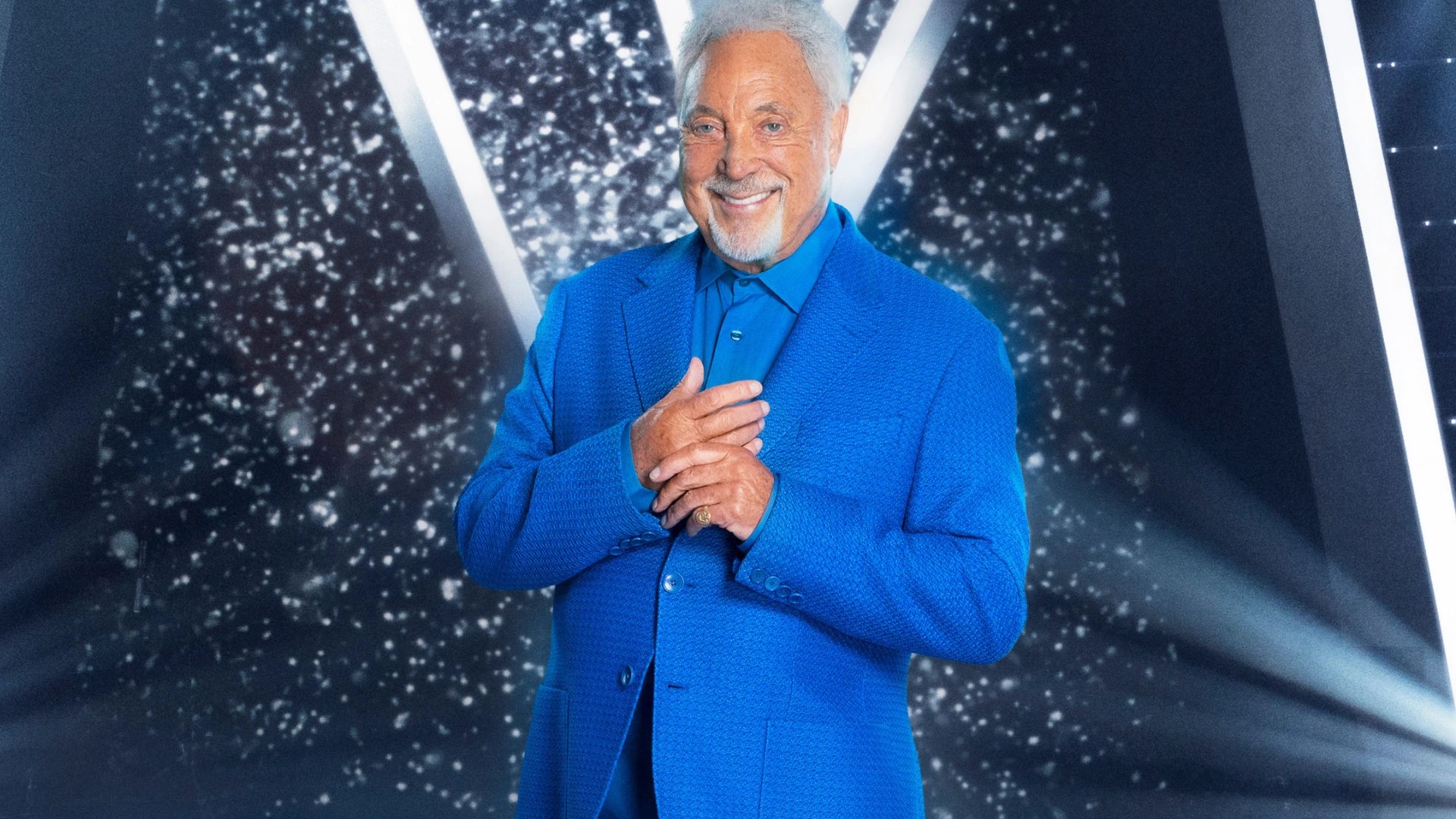
In an industry hyper-fixated on youth demographics and digital engagement metrics, veteran performers are frequently sidelined in favour of fresh faces designed to drive social media interactions. However, Sir Tom’s vocal abilities, sharp wit, and unblemished critical faculties throughout Series 14 have proven that chronological age bears little relation to artistic relevance. His final season performances have demonstrated a level of vocal control and emotional depth that many artists half his age struggle to emulate.
Official Statements and Industry Reactions
The diverging perspectives of ITV and Sir Tom Jones highlight the corporate friction that often accompanies the parting of ways between long-serving talent and major television networks.
ITV’s Official Stance
In their initial statement released to the press, ITV adopted a diplomatic and appreciative tone:
"We have loved working with Sir Tom Jones over the past nine years on The Voice UK. While he will no longer be a full-time coach on series 15, we continue to talk to Sir Tom and his team about his involvement in the next series."
Subsequent statements elaborated on the creative direction of the show, emphasizing the network’s desire to evolve the format and introduce new dynamics between the coaches to keep the audience engaged through future iterations.
Sir Tom Jones’s Response
Sir Tom’s counter-statement offered an unfiltered look at the reality of television negotiations:
"The reason given is because of a financial difficulty with insurance. They now say in the press they wanted to ‘refresh’ the show, and with a new coaching line-up there wouldn’t be a chair for me. They are offering a much-reduced role where I would make an appearance but without being actually involved from the start, and I’m not thrilled about that. So the only thing I know right now is that there’s never a good time to fire an 86-year-old who’s still pretty good at his job."
Fan and Peer Reactions
The reaction from the public and the music community has been overwhelmingly supportive of Jones. Social media platforms have been flooded with tributes from former contestants, fellow musicians, and loyal viewers expressing dismay at how the departure was handled.
His fellow coaches on Series 14—particularly Kelly Rowland and McFly’s Tom Fletcher and Danny Jones—have repeatedly praised his mentorship both on and off camera. The emotional weight of his recent performance of Leonard Cohen’s "Tower of Song" served as an unintentional yet poignant swan song, reducing the studio audience and fellow panellists to tears and reminding viewers of the singular emotional resonance he brought to the coaching panel.
Future Outlook: What’s Next for The Voice UK and Sir Tom Jones?
As the dust settles on this high-profile departure, attention naturally turns to the future of both the television franchise and the legendary Welsh artist.
For The Voice UK
For ITV, steering the franchise through Series 15 without its most revered elder statesman will be a formidable challenge. The network is banking on the renewed energy of its new coaching lineup to capture younger audiences while retaining the core loyalists who tuned in specifically to watch Sir Tom impart decades of industry wisdom.
However, television history suggests that reality formats undergoing major legacy departures face an uphill battle in maintaining audience trust. Producers will need to ensure that the dynamic between will.i.am, Kelly Rowland, and the McFly duo possesses enough chemistry to fill the void left by Jones’s absence. Whether the show can sustain its ratings momentum without the moral authority of Sir Tom remains one of the season’s most pressing broadcast questions.
For Sir Tom Jones
For Sir Tom, the conclusion of his tenure on The Voice UK by no means signals an end to his legendary career. With a work ethic that has defined his decades-spanning journey through pop, soul, and country music, Jones remains active as a touring artist.
Free from the rigorous filming commitments of a prime-time television schedule, industry analysts anticipate that Jones may pivot toward expanded live performances, recording projects, and special one-off television appearances that celebrate his monumental contribution to music. His refusal to accept a diminished, tokenistic role on the show speaks volumes about his professional pride and self-respect; at 86, Sir Tom Jones remains a frontline performer who commands stages on his own terms.
As Series 14 draws to its dramatic close on ITV, the enduring image of Sir Tom Jones seated in the big red chair will remain etched in the collective memory of British television—a testament to a rare breed of artist who proved that true star power never grows old.