LONDON — The BBC has officially pulled back the curtain on its most expansive shake-up of Strictly Come Dancing in the show’s glittering two-decade history. Following a transformative weekend that saw a brand-new primary presenting lineup take the reins of the flagship Saturday night institution, the British broadcaster has announced a companion spin-off series, Strictly: Lights Up, alongside an interactive, digital-first "Strictly Hub" on BBC iPlayer.
The announcement signals a comprehensive modernization of the BBC’s crown jewel entertainment property. With a fresh generation of hosts on the main stage, an overhauled weekday companion show, and an unprecedented digital push designed to capture younger, highly connected demographics, the Strictly universe is entering uncharted waters. For millions of devoted fans—affectionately known as "Strictly superfans"—the 2026 season represents both an exciting evolution and a daring gamble with a winning formula.
Executive Overview: The Anatomy of a Mega-Revamp
The structural transformation of Strictly Come Dancing for the 2026 season has been executed on multiple fronts simultaneously. The changes are not merely cosmetic; they represent a fundamental rethinking of how public service broadcasters deliver event television in an era dominated by on-demand streaming, social media discourse, and podcast culture.
Key Pillars of the 2026 Strictly Overhaul:
The Main Stage Transition: Longtime fixtures Tess Daly and Claudia Winkleman have stepped down, making way for a dynamic, rotational trio of new main-show hosts: Emma Willis, Josh Widdicombe, and professional dancer Johannes Radebe.
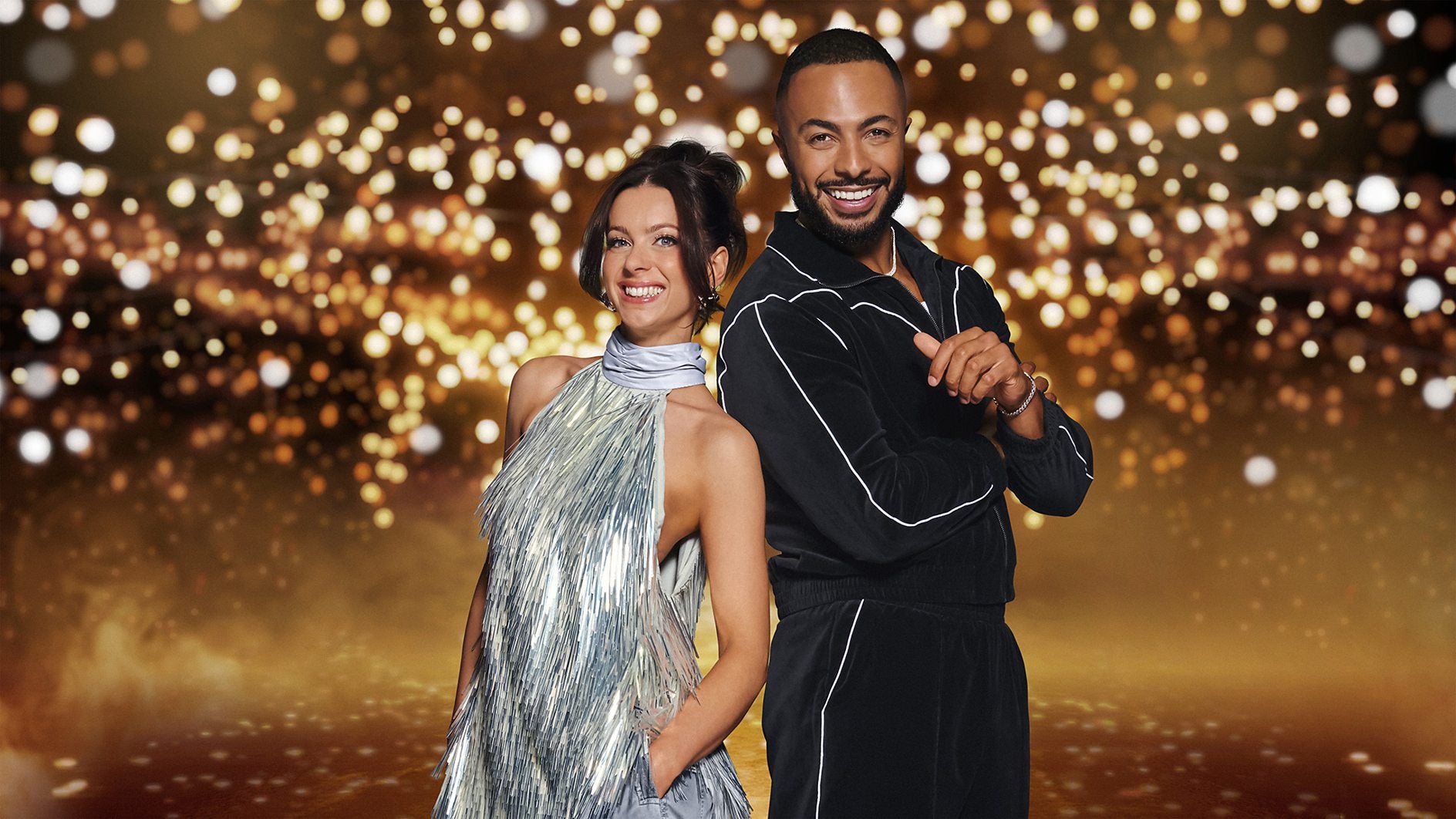
The New Sunday Spin-Off (Strictly: Lights Up): Fronted by comedian Abi Clarke and 2022 alumnus Tyler West, this brand-new format will stream on BBC iPlayer immediately following every Sunday results show, capturing real-time reactions from the frontlines of the competition.
The It Takes Two Revamp: Comedian Ellie Taylor (partnered with Johannes Radebe in the 2022 series) takes over the weekday slot from Fleur East and Janette Manrara, introducing a fresh vodcast format designed to feel like an intimate, group-chat-style discussion among friends.
The Digital Hub: A dedicated streaming hub on BBC iPlayer featuring exclusive training-room visits, behind-the-scenes access, and a weekly online-only highlights show.
Industry analysts note that these sweeping updates are designed to insulate the franchise against audience fatigue while capturing the fragmented viewing habits of younger demographics who consume television via mobile devices and catch-up services.
Detailed Chronology: How the 2026 Transformation Unfolded
The path to the current 2026 season has been marked by careful choreography, strategic departures, and a staggered rollout designed to manage fan expectations.
Phase One: The End of an Era
Speculation regarding the future of the franchise began months prior, when whispers in the television industry suggested that the BBC was preparing for a generational handoff. For nearly twenty years, the brand had relied on a stable, highly traditional production structure. However, evolving viewing patterns necessitated a bolder vision. The departure of Tess Daly and Claudia Winkleman—who defined the emotional highs and lows of Saturday night television for a generation—cleared the board for a total creative reset.
Phase Two: Announcing the New Weekday Voice
In August 2026, the BBC confirmed that comedian Ellie Taylor would step into the studio as the anchor of the weekday companion series, It Takes Two. Speaking on BBC Radio 2, Taylor signaled an immediate shift in tone. Rather than sticking strictly to traditional interview formats, the show was re-engineered as a vodcast—filmed for visual audiences while simultaneously recorded for podcast enthusiasts. The production team promised a more candid approach, pulling celebrities and professional dancers apart to discuss the psychological and physical tolls of the competition away from their assigned partners.
Phase Three: The Main Stage Debut
The pivotal moment arrived on Saturday, September 20, 2026. The prerecorded launch show introduced the brand-new presenting trio of Emma Willis, Josh Widdicombe, and Johannes Radebe to the British public. Unlike their predecessors, who maintained specialized roles throughout the evening, the new trio deployed a fluid, high-energy, and somewhat chaotic approach, swapping responsibilities organically across the broadcast. While critical response was broadly positive—with Emma Willis drawing particular praise for her natural warmth and authority—the inclusion of three hosts sparked lively debates across social media and morning chat shows regarding whether the main stage required such a large presenting footprint.
Phase Four: Expanding the Ecosystem with Lights Up
Just twenty-four hours after the launch show, the BBC completed the puzzle by announcing Strictly: Lights Up. Set to drop on BBC iPlayer immediately following every Sunday night results show, the new format extends the viewing window into the late-night hours, capturing raw, unfiltered emotions from the newly eliminated couple, their dance-off rivals, judges, and studio guests before the dust has even settled on the ballroom floor.
Supporting Context & Metrics: The Modern Viewing Ecosystem
To understand why the BBC has invested so heavily in this multi-platform expansion, one must examine the shifting metrics of modern entertainment consumption. Traditional linear television ratings, while still formidable for Strictly Come Dancing, no longer tell the whole story.
Digital-First Strategy
The creation of the dedicated Strictly hub on BBC iPlayer reflects a broader industry push toward "ecosystem viewing." According to internal BBC digital engagement figures from previous series, catch-up viewing and short-form digital clips generate billions of impressions across social media platforms like TikTok, Instagram, and YouTube.
By introducing Strictly: Lights Up and a weekly online highlights show, the broadcaster is bridging the gap between linear broadcast events and on-demand digital interaction. The inclusion of Abi Clarke—a celebrated Strictly superfan known for her comedic online tributes to the show—is a calculated move to inject authentic fan culture directly into official BBC programming.
The Evolution of the Companion Format
It Takes Two has long been a staple of BBC Two’s early-evening schedule, but its transition into a dual-purpose vodcast format mirrors the consumption habits of younger demographics. Podcasts and video-on-demand hybrids allow audiences to engage with content asynchronously during commutes, workouts, or domestic routines. By restructuring the weekday show to focus on group dynamics—group chats with celebrities and pros detached from their partnerships—the production team is leaning into the interpersonal drama and camaraderie that fuels fan engagement online.
Official Statements: What the Talent is Saying
The transition has brought together a mix of seasoned ballroom veterans and fresh comedic talent, all of whom have shared their enthusiasm for the overhauled format.
Ellie Taylor on the Refreshed It Takes Two
Speaking about her new role steering the weekday companion show, Ellie Taylor emphasized the importance of community and audience involvement:
"We’re gonna be talking to couples, but also groups of celeb contestants and groups of pros away from their dance partners, for slightly more candid conversation. One thing that we’re really keen to have is more involvement from the viewers at home. You know when you have a WhatsApp chat and you’re gossiping about what’s going on with Strictly? We want it to feel like that. One big, fat celebration of the wonderful world of Strictly."
The BBC on Strictly: Lights Up
In its official launch statement released on Monday, September 21, the BBC outlined the precise scope and ambition of the Sunday night companion piece:
"Strictly: Lights Up will feature immediate reactions from the night’s eliminated couple, their dance-off opponents—plus the judges, hosts, other Strictly stars and studio guests. Alongside training room episodes where Abi Clarke visits the couples to see how rehearsals are going, the new digital hub on iPlayer ensures fans never miss a beat of the action."
Future Outlook: Challenges and Opportunities for the 2026 Run
As the first round of live shows approaches this weekend, the pressure on the newly expanded Strictly team is palpable. Revamping a national institution always carries inherent risks. Die-hard purists can be resistant to change, and altering the formula that governed the Saturday night schedule for two decades will inevitably invite fierce scrutiny.
Potential Hurdles:
Host Dynamics: With three presenters on the main stage instead of the traditional two, pacing and timing will be critical. Critics have already questioned whether three voices risk cluttering the tight, fast-paced runtime of the live shows.
Brand Dilution: Across Strictly Come Dancing, It Takes Two, Strictly: Lights Up, training room specials, and online highlights shows, the sheer volume of content is staggering. The production team must ensure that quality remains high across all platforms to prevent audience fatigue.
Promising Horizons:
Conversely, the opportunities are immense. By empowering fresh voices like Abi Clarke, Tyler West, and Ellie Taylor, the BBC is cultivating a new generation of broadcast talent deeply attuned to modern media consumption. The interactive elements, group-focused discussions, and immediate post-show reactions cater directly to the participatory nature of contemporary fandom.
As the glitter falls, the sequins sparkle, and the judges ready their scorecards for the first live weekend of 2026, one thing is abundantly clear: Strictly Come Dancing is refusing to rest on its laurels. By embracing a bold, multi-platform future, the BBC has ensured that the nation’s favorite ballroom remains at the very center of the cultural conversation.