Executive Overview
The festive television landscape is set to receive a heavy dose of Regency-era romance and wit, as the BBC officially releases the first promotional imagery from the highly anticipated The Other Bennet Sister Christmas special. Following the runaway success of its debut series—which captured the imagination of 7.3 million UK viewers within its first four weeks on air—the upcoming three-part festive event promises to deliver both emotional resonance and high production values.
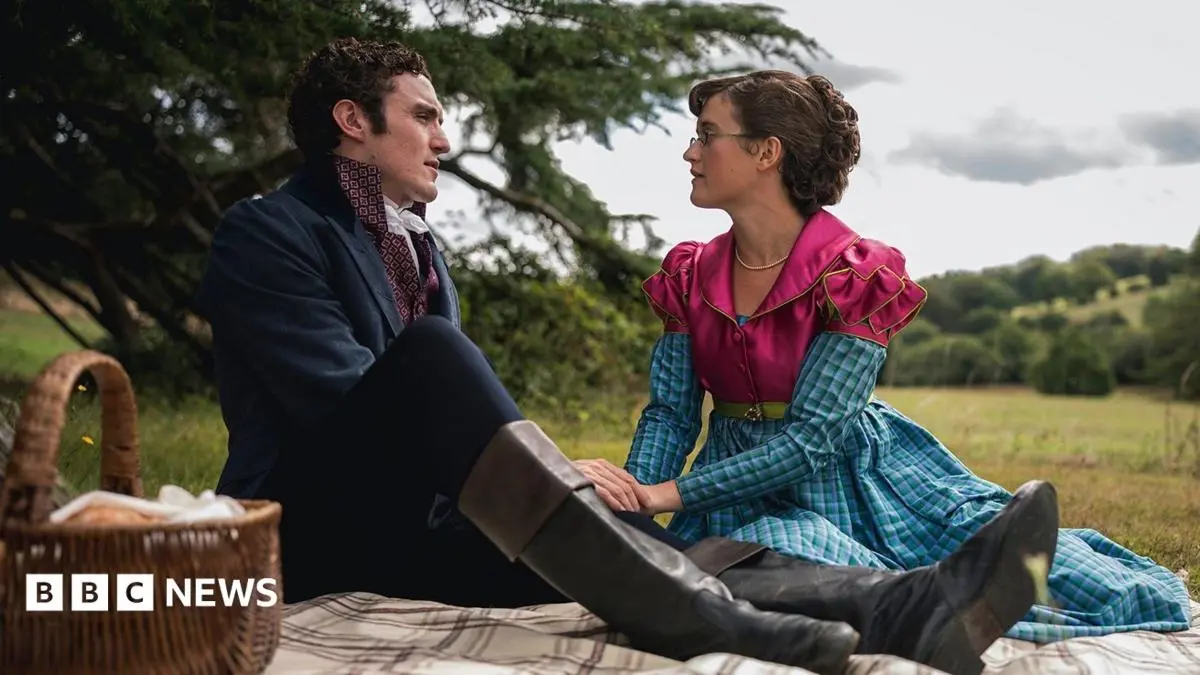
The newly revealed photograph offers fans a tantalizing glimpse into a sun-drenched, picturesque picnic scene, thrusting viewers back into the complex emotional landscape forged by Jane Austen in Pride and Prejudice and ingeniously expanded by contemporary adaptation. At the center of this new promotional frame are Mary Bennet, portrayed with understated vulnerability by Ella Bruccoleri, and her newly betrothed, Tom Hayward, played with charismatic charm by Donal Finn.
With principal photography officially wrapping at the end of October following an intensive summer shoot, the production continues to lean heavily into its Welsh roots, utilizing the dramatic topography of south Wales to stand in for the rolling estates of Regency England. Produced by the Cardiff-based powerhouse Bad Wolf, the Christmas special represents a significant strategic investment by the BBC in prestige literary adaptations.
As the festive schedules approach, anticipation has reached a fever pitch. The original series carved out a distinct niche for itself by giving voice to Mary Bennet—traditionally marginalized as the ostensibly unremarkable middle sister—and transforming her into a complex, relatable protagonist navigating the rigid patriarchal structures of 19th-century Britain. This forthcoming Christmas special will not only reunite audiences with a stellar ensemble cast, featuring returning fan-favorites alongside exciting new additions, but is also poised to resolve lingering narrative threads while establishing new emotional horizons for Mary and her circle.
Detailed Chronology
The journey of The Other Bennet Sister from page to screen, and subsequently from a breakout series to a major festive event, has been marked by rapid development, meticulous location scouting, and an ambitious production schedule.
The Genesis and First-Series Triumph
The foundational success of the project was laid during the production of the first series, which was filmed largely across the picturesque landscapes of Wales. Capturing the aesthetic and atmospheric demands of Regency England, the production utilized striking locations including Merthyr Mawr in Bridgend county, the rugged and windswept vistas of the Gower peninsula, and the historic market town of Brecon in Powys.
When the series finally premiered, it defied modest expectations to become a certified ratings juggernaut. Pulling in an impressive 7.3 million viewers in the UK across its first four weeks of availability, the show proved that contemporary audiences retain an insatiable appetite for fresh, character-driven interpretations of Austen’s universe. The narrative arc of the first series systematically dismantled the traditional caricature of Mary Bennet, charting her evolution from an isolated intellectual seeking solace in books and forced piano practice to a resilient young woman capable of navigating societal snobbery and familial neglect.
The emotional climax of the freshman run arrived during the series finale. In a sequence that sent shockwaves through the fan base, Mary Bennet officially agreed to marry Tom Hayward, cementing a union built on intellectual parity and mutual emotional support rather than mere financial convenience.
Summer Production and the Welsh Shoot
Capitalizing on the momentum of the series finale, the BBC greenlit a three-part Christmas special. Production commenced over the summer months, with Bad Wolf utilizing its robust infrastructural base in Cardiff to anchor the shoot. While interior scenes and intricate period sets were constructed or captured across familiar south Wales backdrops, the production team maintained the high cinematic standards established in the first series.
Throughout the late summer and early autumn, cast and crew members were spotted moving between historical sites in Wales, capturing the crisp, autumnal and early winter aesthetics necessary to ground a Regency Christmas special. The emphasis on practical locations continued to lend an organic, tactile authenticity to the production, distinguishing it from sterile, soundstage-bound period dramas.
The October Wrap and Social Media Reveal
The intensive production schedule culminated at the end of October, when filming officially wrapped. The milestone was marked not by a formal corporate press release, but by an effusive social media announcement from the show’s producer, Edoardo Ferretti.
Taking to Instagram, Ferretti shared his pride with the production’s growing global audience. Posting a short but emotionally charged message, he wrote: "And yet another wrap! Every time emotional, every time proud. This one is going to be so special!"
This announcement immediately triggered a wave of speculation and excitement across digital fandoms, setting the stage for the BBC’s strategic release of the first official promotional image: the idyllic, romantic picnic scene featuring Mary and Tom.
Supporting Context & Metrics
The institutional weight and commercial viability of The Other Bennet Sister Christmas special cannot be overstated. In an era where linear television networks fight tooth and nail for audience retention against subscription-based streaming giants, the BBC has found a reliable anchor in high-end literary adaptations produced outside of London.
Audience Metrics and Demographic Reach
The first series’ achievement of 7.3 million UK viewers in its initial four weeks places it in an elite tier of contemporary British drama. Crucially, the series succeeded in bridging generational divides. While traditional Austen enthusiasts tuned in out of loyalty to the source material, a younger demographic was drawn in by the unflinching, feminist subtext of Mary’s character arc. The exploration of systemic pressure, female autonomy, and the psychological toll of familial favoritism resonated deeply with modern audiences, transforming what could have been a standard costume drama into a biting social commentary.
The Production Footprint: Bad Wolf and Wales
The decision to station the production in Wales via Bad Wolf—the Cardiff-based production company renowned for high-profile hits such as Doctor Who, His Dark Materials, and Industry—highlights a broader industry shift toward decentralized British television production. Bad Wolf’s involvement ensured that the technical execution of the Christmas special matched the cinematic ambition of the first series. From period-accurate costume design to meticulous set decoration, the economic and creative capital invested by Bad Wolf has turned Wales into a thriving hub for world-class period television.
Character Dynamics and Ensemble Expansion
The emotional core of the Christmas special relies heavily on the complex web of relationships established in the first series. Mary Bennet’s journey cannot be viewed in isolation; it is defined by her strained relationship with her matriarch. Ruth Jones, widely celebrated for her work on Gavin & Stacey, returns to the fold as Mrs Bennet. Jones previously characterized Mrs Bennet as "often quite cruel" to her middle daughter—a dynamic that added profound emotional stakes to Mary’s emancipation.
The ensemble cast reads as a masterclass in modern casting, blending established comedic and dramatic talent. Tanya Reynolds (Ted Lasso) returns as the sharp-tongued Caroline Bingley, while Laurie Davidson reprises his role as Mr Ryder. The wider Bennet and collateral circles remain intact, featuring:
- Varada Sethu as Ann Baxter
- Poppy Gilbert as Lizzie Darcy
- Maddie Close as Jane Bingley
- Grace Hogg-Robinson as Lydia Wickham
- Molly Wright as Kitty Buncock
- Anna Fenton-Garvey as Charlotte Collins
Furthermore, the ensemble welcomes a notable new addition: Nerys Amber-Stocks, recognized for her standout work in Out There and Mammoth, joins the cast as Lucy, Mary’s housemaid. The introduction of domestic staff perspectives promises to further ground the narrative in the socioeconomic realities of Regency life, expanding the class commentary that underpinned the original Jane Austen text.
Official Statements
The rollout of the first-look promotional material has been accompanied by carefully curated statements from key creative personnel, reflecting both the pride taken in the production and the thematic ambitions driving the Christmas narrative.
Producer Edoardo Ferretti’s behind-the-scenes reflections have served as the primary emotional barometer for the project. Speaking on the completion of the shoot, Ferretti emphasized the emotional toll and ultimate gratification of bringing the three-part special to life:
"Every time emotional, every time proud. This one is going to be so special!"
His remarks underline the tight-knit nature of the cast and crew, who transitioned seamlessly from the grueling four-week ratings sprint of the first series directly into the specialized demands of a festive holiday special.
While the BBC has kept specific plot details tightly under wraps to preserve the integrity of the viewing experience, network executives have signaled immense confidence in the project. The decision to allocate prime festive scheduling slots to The Other Bennet Sister underscores the corporation’s commitment to event television that unites households during the winter holiday season.
Crucially, the return of Ruth Jones as Mrs Bennet has generated considerable anticipation regarding the evolution of maternal dynamics. Jones’s previous commentary on the psychological cruelty inflicted upon Mary set a high narrative bar. Industry insiders suggest that the Christmas special will test whether familial reconciliation is possible within the rigid structures of 19th-century domesticity, or if Mary must forge her path entirely independent of maternal validation.
Future Outlook
As the television industry gears up for the intensely competitive festive viewing period, the trajectory of The Other Bennet Sister points toward a sustained cultural footprint. The release of the romantic picnic image is merely the opening salvo in what is expected to be a comprehensive marketing campaign by the BBC, culminating in the broadcast of the three-part special.
Narrative Horizons and Franchise Potential
The narrative implications of the Christmas special are profound. Having secured a marriage proposal from Tom Hayward in the first-series finale, Mary Bennet stands on the precipice of a completely reimagined adulthood. No longer the overlooked middle sister confined to the periphery of drawing-room politics, Mary must now negotiate the realities of matrimony, social standing, and her own intellectual ambitions.
Observers within the television sector are already questioning whether this three-part festive event will serve as a definitive narrative conclusion or a springboard for subsequent series. Given the expansive nature of Austen’s literary universe and the appetite for character-driven historical revisionism, the world crafted by the writers offers fertile ground for ongoing exploration.
Cultural Legacy and the Evolution of Period Drama
The Other Bennet Sister has successfully redefined what contemporary audiences expect from period adaptations. By shifting the narrative lens away from traditional heroines like Elizabeth Bennet or Emma Woodhouse, the production has validated the narrative potential of literary footnotes.
The success of the show in Wales and across the UK demonstrates that regional production infrastructure can successfully support international-caliber storytelling. As Bad Wolf and the BBC look toward the premiere of the Christmas special, the project stands as a testament to the power of nuanced character development, sharp writing, and uncompromising aesthetic vision.
When the snow falls and audiences gather around their television screens this winter, they will not simply be revisiting a comforting period drama. They will be witnessing the culmination of a bold creative gamble—one that proves even the quietest voices in English literature deserve their moment in the romantic sun.