Executive Overview
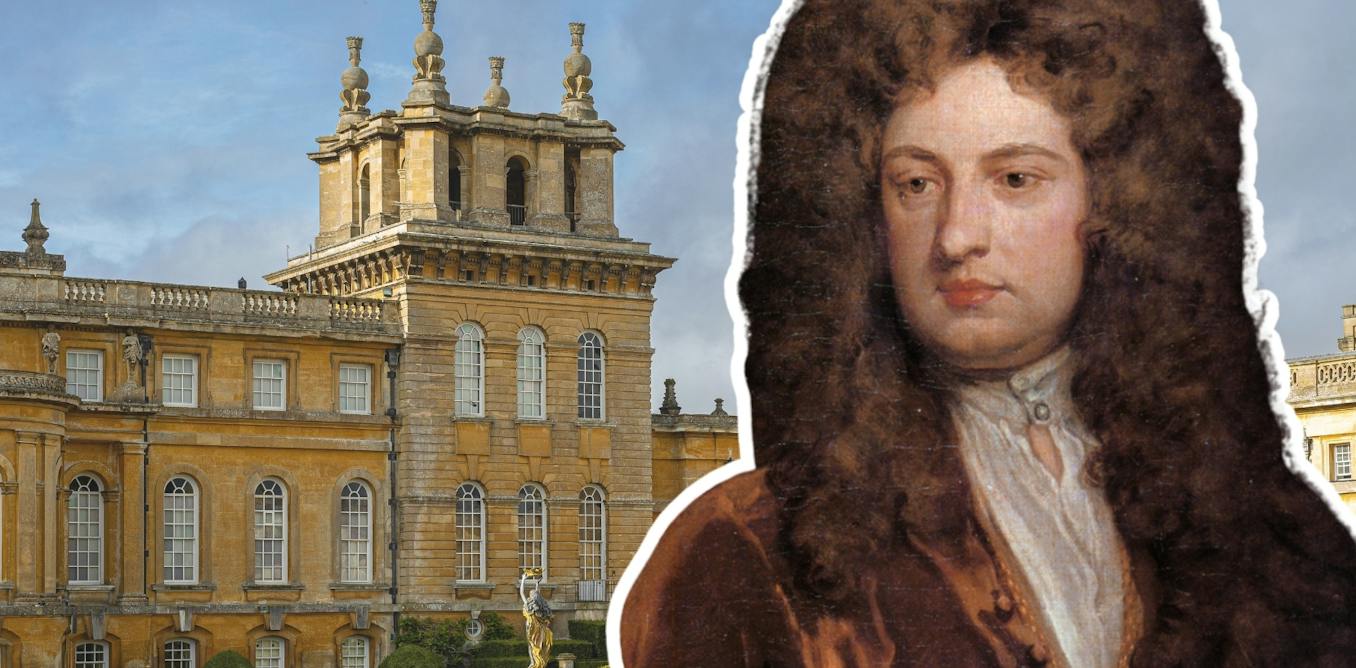
Every generation discovers its own cultural icons, but few figures manage to defy categorization quite like Sir John Vanbrugh. Bridging the gap between the battlefield, the stage, and the drawing board, Vanbrugh (1664–1726) led a life of astonishing versatility. As the ongoing Vanbrugh300 tercentenary celebrations sweep across the United Kingdom, cultural historians, architects, and the public alike are revisiting a man who was simultaneously a soldier, a celebrated Restoration playwright, a brilliant architectural designer, and—by all historical accounts—a genuinely magnetic personality.
In the 18th century, Sir John Soane, the esteemed professor of architecture at the Royal Academy of Arts, famously crowned Vanbrugh “the Shakespeare of architecture.” Soane wrote of his work: “It is impossible to contemplate the works of Sir John Vanbrugh without feeling those emotions which the happy efforts of genius alone can produce. In his bold flights of irregular fancy, his powerful mind rises superior to common conceptions.”
Today, however, the cultural lens through which we view historic country houses has evolved dramatically. Once symbols of unbridled political power and extreme dynastic wealth, these monumental estates have transformed. They are no longer monuments guarded by social deference; instead, they have become community assets, epicenters of leisure, and sanctuaries of green space. This comprehensive feature explores Vanbrugh’s indelible legacy, his collaborative genius alongside architectural partner Nicholas Hawksmoor, and how his jaw-dropping creations—from the theatrical grandeur of Blenheim Palace to the romantic, fire-scarred ruins of Seaton Delaval Hall—continue to captivate modern audiences three centuries after his death.
Detailed Chronology: The Life and Legacy of Sir John Vanbrugh
Understanding Vanbrugh requires tracing a remarkably circuitous life path that spanned the turbulent political and artistic shifts of late-17th and early-18th-century Britain.
1664–1680s: Early Life and Military Service
- 1664: John Vanbrugh is born in London, the son of a successful sugar baker of Flemish descent.
- 1686: Embarking on a military career, Vanbrugh joins the army as an ensign. His time as a soldier exposes him to continental European fortifications and urban design, subtly planting the seeds for his later architectural philosophy.
- 1688–1692: Caught up in political intrigue during the Glorious Revolution, Vanbrugh is arrested in France on suspicion of espionage and imprisoned in the Bastille. His charm and intellect help him endure the confinement, and he famously begins drafting his first play while behind bars.
1690s–1700s: The Playwright and the Architect
- 1696: Vanbrugh bursts onto the London theatrical scene with his smash-hit Restoration comedy, The Relapse; or, Virtue in Danger, followed shortly by The Provoked Wife (1697). His plays are lauded for their witty dialogue, social satire, and theatrical flair.
- 1699: With no formal training in architecture, Vanbrugh transitions to design. His debut project, Castle Howard in Yorkshire, stuns contemporaries and establishes him as a visionary willing to break classical rules for dramatic effect.
- 1704: Following the Duke of Marlborough’s decisive victory at the Battle of Blenheim in Bavaria, Queen Anne and a grateful nation commission Vanbrugh to design Blenheim Palace as a monumental gift for the general, John Churchill.
1710s–1720s: Later Years and the Tercentenary
- 1714: Vanbrugh is knighted by King George I, cementing his status in high society. He also builds a series of quirky, castle-like homes for himself and his family in Greenwich, London.
- 1726: Sir John Vanbrugh passes away in London at the age of 61, leaving behind an architectural revolution that would influence generations of designers.
- 2026: The Vanbrugh300 tercentenary celebrations launch across the UK, marking 300 years since his death and sparking a nationwide reappraisal of his multi-faceted career.
Supporting Context & Metrics: The Evolution of the Country House
The survival of Vanbrugh’s architectural masterpieces was by no means guaranteed. The 20th century posed a catastrophic threat to Britain’s architectural heritage. In the wake of the Second World War, aggressive urban reconstruction cleared historic city centres, while country houses were demolished at an alarming rate—a destructive trend that persisted well into the 1960s.
Key Milestones in Heritage Protection
- Post-WWII Demolitions: Hundreds of grand country estates were razed across Britain due to crippling death duties, maintenance costs, and a cultural shift away from aristocratic symbolism.
- 1968 Planning Reforms: Groundbreaking legislative changes transformed the British planning system, embedding protections for nature, beauty, and historic art into law.
- The Shift to Tourism: By the 1960s, cash-strapped estate owners began opening their doors to mass tourism. Deference gave way to leisure, shifting the purpose of these spaces from exclusive elite retreats to public cultural assets.
Architectural Metrics of Vanbrugh’s Major Surviving Works
| Estate Name | Location | Key Collaborator | Notable Architectural Features | Current Status |
|---|---|---|---|---|
| Blenheim Palace | Oxfordshire | Nicholas Hawksmoor | Massive golden stone archways, heavy classical masonry, vertical towers. | UNESCO World Heritage Site; inhabited by the Spencer-Churchill family. |
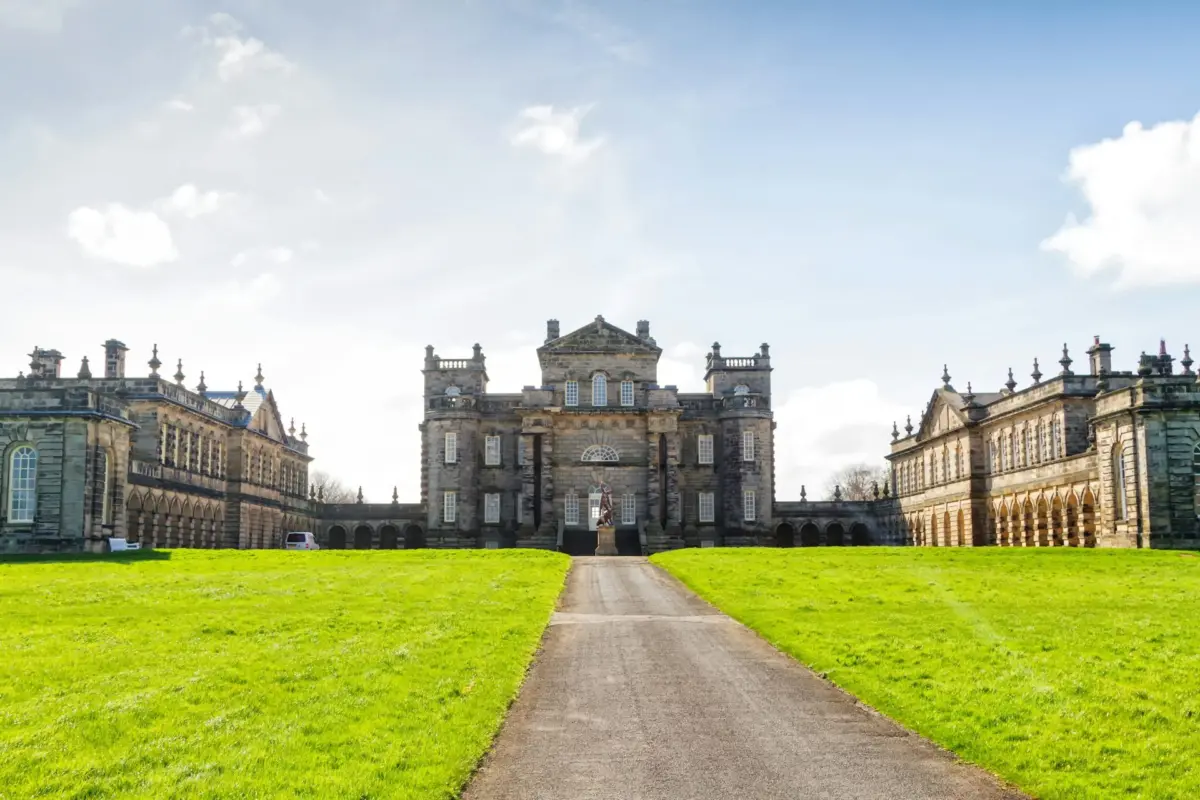
| Seaton Delaval Hall | Northumberland | Nicholas Hawksmoor | Fire-gutted central block, seven-sided corner towers, Roman arches. | Owned and managed by the National Trust; community green space. |
| Castle Howard | North Yorkshire | Nicholas Hawksmoor | Dramatic central dome, sweeping wings, sweeping landscape integration. | Privately owned and open to the public. |
Official Statements and Academic Insights
Modern academic discourse has increasingly moved away from the romanticized notion of the "lone genius," recognizing instead the complex networks of labor, collaboration, and socio-economic privilege that underpinned historic achievements.
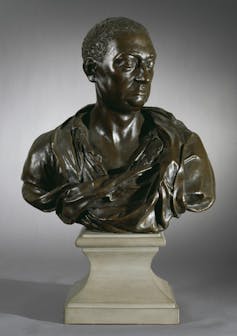
In assessing Vanbrugh’s legacy, architectural historians emphasize that monumental buildings were bespoke creations, painstakingly handcrafted by teams of highly skilled artisans, masons, and stonecutters. Crucial to Vanbrugh’s success was his creative partnership with Nicholas Hawksmoor (1631–1736).
Hawksmoor brought rigorous technical mastery to the table, having trained extensively in construction and site management within the office of Sir Christopher Wren, the mastermind behind St. Paul’s Cathedral. Vanbrugh, by contrast, provided high-level social connections, peerless client management skills, and those legendary “bold flights of irregular fancy” noted by Sir John Soane.
Commenting on this dynamic, contemporary architectural historians note:
"The myth of the solitary genius striding through history obscures the hard work, team effort, and lucky breaks that accompany creative work. Vanbrugh and Hawksmoor represented a dual authorship. While Hawksmoor mastered the structural mechanics, Vanbrugh theatricalized the space, manipulating light and shadow across cliff-faces of stone. Yet, social stratification meant Hawksmoor never received the same level of public adulation during or after his lifetime."
Furthermore, modern heritage organizations emphasize how these spaces are interpreted today. Rather than forcing visitors to simply gaze upward in quiet awe of elite power, contemporary curation practices dismantle the narrative into multiple, accessible layers:
- The Servant’s Eye View: Exploring the grueling domestic labor required to maintain such immense estates.
- State Rooms: Showcasing the traditional, opulent displays of diplomacy and wealth.
- Private Quarters: Highlighting ongoing family habitation, which breathes organic authenticity into historic sites.
Future Outlook: Preserving the Theatrical Past for the 21st-Century Public
As the Vanbrugh300 tercentenary highlights, the relevance of Vanbrugh’s work in the 21st century lies in its ability to offer sensory impact, emotional resonance, and a much-needed escape into green space and historical wonder.
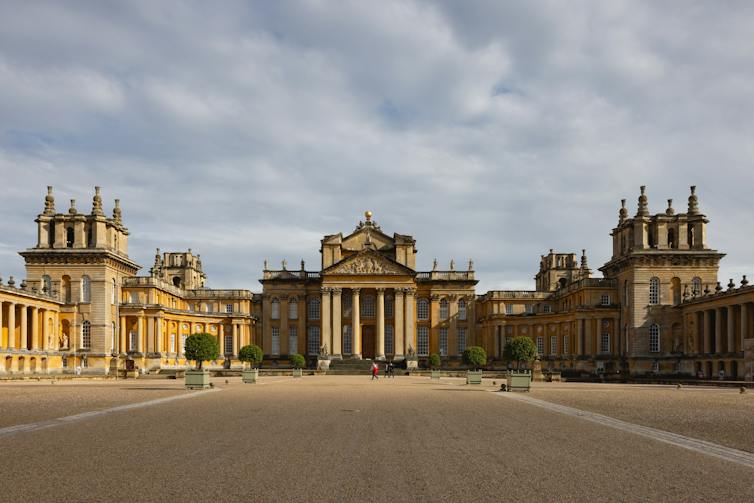
In an era dominated by digital saturation and urban density, Vanbrugh’s country houses offer a bracing physical counterweight. Whether it is the golden, triumphant scale of Blenheim Palace or the romantically roofless, stone-ribbed halls of Seaton Delaval Hall—situated just north of Newcastle amidst former mining communities—these structures continue to serve modern populations in entirely new ways. Seaton Delaval, now under the stewardship of the National Trust, acts as a vital community anchor, offering open green spaces, community gardens, and cultural programming that directly serves the surrounding post-industrial towns.
The future of historic preservation depends on this exact pivot: transitioning from exclusive monuments of past dominance into inclusive spaces of shared cultural heritage, creative inspiration, and civic support. Sir John Vanbrugh built spaces designed to make humans feel small against the grand backdrop of history and nature. Three hundred years later, those very spaces invite us in not with demands for deference, but with an enduring, theatrical invitation to marvel, question, and belong.