Executive Overview
The enduring human fascination with witchcraft, esoteric symbolism, and supernatural horror has once again permeated contemporary popular culture. Across film, theatre, and literature, creators are re-examining how magical frameworks and occult tropes mirror psychological realities, familial bonds, and historical anxieties.
At the center of this cultural wave is the theatrical release of Practical Magic 2, a sequel arriving 25 years after the beloved 1998 original starring Sandra Bullock and Nicole Kidman. The new installment expands the cinematic mythology of the Owens family, shifting generational paradigms as Sally Owens attempts to shield her adult daughters from a lethal ancestral curse.
Simultaneously, the appetite for the occult extends far beyond mainstream comedy-drama. Thomas Waters’ new publication, Magick, offers an exhaustive visual and historical taxonomy of domestic protective magic—from hag stones to witch bottles—illuminating humanity’s persistent drive to secure physical spaces against invisible threats. In the horror sphere, the Australian feature Leviticus leverages supernatural entities to critique religious fundamentalism and the harrowing realities of queer conversion therapy, earning critical praise for its emotional sophistication.
Meanwhile, the London stage has birthed a surreal theatrical triumph: a hybrid adaptation of Sophocles’ Electra and Ingmar Bergman’s Persona, starring Cate Blanchett and Nina Hoss. Finally, the leap from television to cinema via Call My Agent! The Movie provides a sobering case study on the mechanics of franchise adaptation. This report synthesizes the chronological evolution, socio-cultural contexts, metrics, and future outlooks defining this multifaceted cultural moment.
Detailed Chronology
The resurgence of occult motifs and cross-medium adaptations is best understood through a chronological lens that spans decades of storytelling, artistic experimentation, and media translation.
The Foundation of Modern Cinematic Witchcraft (1998)
The contemporary fascination with sympathetic, stylish witches largely crystalized with the release of the original Practical Magic in 1998. Departing significantly from the traditional iconography of green skin, warts, and malicious cackling established by properties like The Wizard of Oz and H.R. Pufnstuf, the film introduced audiences to Sally and Gillian Owens. These characters redefined cinematic witchcraft by embedding it within themes of fashion, agency, and fierce sisterly devotion, all while grappling with a fatal generational curse that doomed any man they loved.
The Quarter-Century Leap (1998–Present)
For 25 years, the original film maintained a cult status, prompting annual rewatches by generations of fans who found solace in its depiction of feminine solidarity. The developmental pipeline culminated in the greenlighting and subsequent release of Practical Magic 2. Picking up a quarter-century later, the narrative introduces Sally Owens’ now-grown daughters, Kylie (played by Joey King) and Antonia (played by Maisie Williams). When the historic love curse resurfaces, the narrative shifts geographically, driving the characters to England in search of an antidote and testing the structural integrity of their familial bonds.
Expanding the Occult Archive (Historical to Contemporary)
Parallel to cinematic developments, historians and cultural critics have systematically mapped out humanity’s physical and psychological relationship with the supernatural. Thomas Waters’ Magick charts the long arc of domestic protection, tracking how communities from ancient epochs to the early modern era relied on physical amulets—such as beach-gathered hag stones and garden-planted rowan trees—to ward off malevolent forces like the "evil eye."
The Evolution of Horror and Classical Adaptation
In the realm of modern horror, recent cinematic entries like Leviticus update traditional exorcism and haunting tropes to address contemporary political and social landscapes. By setting its narrative within a rural Australian conversion therapy camp, the film transposes historical concepts of demonic possession into a visceral critique of fundamentalist trauma.
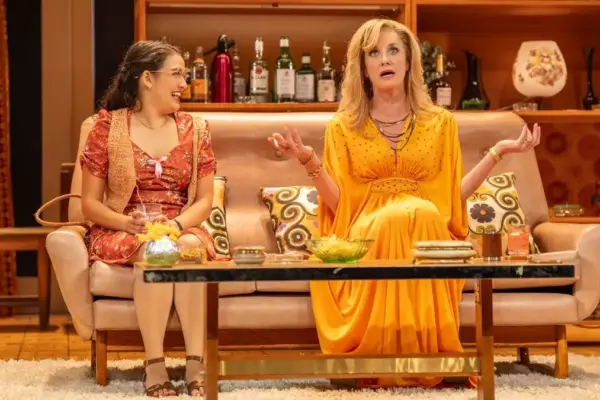
On the theatrical front, the National Theatre’s staging of Electra/Persona—running until October 10—represents a radical chronological bridge. By fusing an ancient Greek tragedy by Sophocles with a 20th-century psychological film masterpiece by Ingmar Bergman, the production demonstrates how classical motifs continue to be re-engineered for modern audiences through avant-garde performance techniques.
Supporting Context & Metrics
To fully grasp the mechanics driving these cultural properties, industry analysts examine consumer behavior, viewership data, and critical reception metrics across multiple platforms.
Audience Engagement and Literary Fatigue
Data gathered from recent cultural readership polls indicates a deep-seated audience engagement with complex character profiles. In a recent survey concerning reader tolerance for frustrating or annoying literary characters, over half of respondents (51%) indicated a willingness to push through to the final page. Conversely, 10% of readers reported that an unlikable protagonist immediately consigns a book to the "DNF" (Did Not Finish) pile, highlighting the delicate balance creators must strike between alienating viewers/readers and maintaining authentic character flaws.
Critical Reception of Practical Magic 2
While Practical Magic 2 has drawn audiences into cinemas, critical reception has highlighted the inherent narrative challenges of legacy sequels. Reviewers note that while the premise occasionally leans toward the flimsy, the film succeeds by doubling down on the thematic core of the original work:
- The Power of the Feminine: Centering on the collective strength of women addressing historical wrongs.
- Intergenerational Support: Honoring the nurturers of previous generations.
- Relational Transience vs. Permanence: Highlighting the transient nature of romantic partnerships against the enduring bedrock of female friendship ("Men come and go, relationships die, but the women in your life are forever").
Transmedia Adaptation Metrics: The Case of Call My Agent!
The challenges of translating beloved television properties to the cinematic format are acutely visible in the box-office and critical metrics of Call My Agent! The Movie. While the original Netflix series enjoyed monumental success by blending a satirical Parisian casting agency framework with real-life celebrities poking fun at their own egos and industry meltdowns, the feature-length adaptation has faced scrutiny. Analysts point out that the film occasionally struggles to sustain the concentrated star-power and fast-paced episodic narrative momentum of its television predecessor, though the returning ensemble cast’s familiar comedic banter provides a reliable safety net for existing fans.
Official Statements & Critical Commentary
Industry experts, directors, and cultural reviewers have provided vital commentary regarding the thematic depth and artistic execution of these concurrent releases.
On the Thematic Core of Practical Magic 2
Reviewers of the long-awaited sequel have emphasized its departure from traditional supernatural tropes into a celebration of community resilience:
"It is a story about witches, but really it’s about the power of the feminine: readdressing ancient wrongs, recognising the nurturers who came before, believing in ourselves. Men come and go, relationships die, but the women in your life are forever."
On Historical Domestic Magic
In his analysis of visual culture and protective domestic rituals, author Thomas Waters underscores the psychological impetus behind historical spellcraft:
From hag stones gathered on beaches to rowan trees planted in gardens to ward off the ‘evil eye’, these practices reflect an age-old desire to make our spaces feel safe.
On Modern Horror and Psychological Terror
Evaluating the Australian horror feature Leviticus—which follows queer teens Naim and Ryan as they are stalked by terrifying manifestations of their deepest desires following conversion therapy sessions—horror expert and critic Matt Jacobsen offered high praise:
A beautifully made, eerie and emotionally sophisticated horror film.
On Avant-Garde Theatrical Fusion
Discussing the National Theatre’s radical staging of Electra/Persona, where lead actors Cate Blanchett and Nina Hoss alternate roles by the toss of a coin, classical theatre scholar Will Shūler remarked:
An evocative and artful play, driven by two powerhouse performers… a surreal triumph.
Future Outlook
As entertainment conglomerates and independent creators look toward the horizon, the trajectory of occult storytelling, adaptive media, and theatrical experimentation points toward several distinct trends.
The Expansion of Legacy Universes
The commercial performance of Practical Magic 2 signals a continued appetite for nostalgic, female-centric intellectual properties (IP). Studios are increasingly likely to mine 1990s and early 2000s cinematic catalogs, looking not merely for reboots, but for multi-generational sequels that can bridge original fan bases with younger demographic cohorts through high-profile casting (such as the inclusion of Joey King and Maisie Williams).
The Convergence of Social Commentary and Genre Filmmaking
Horror and supernatural fiction are cementing their roles as primary vehicles for social critique. As demonstrated by Leviticus, audiences increasingly embrace genre cinema that uses supernatural entities—such as manifestations of internalized desire or ancestral curses—to address systemic trauma, marginalization, and institutional oppression. This trend suggests that future horror projects will continue to move away from purely gratuitous scares in favor of emotionally sophisticated, politically engaged narratives.
Experimental Hybridization in Live Performance
The success of Electra/Persona demonstrates that audiences are hungry for high-concept theatrical experiments that break down traditional barriers between classical texts and modern cinematic masterworks. The use of randomized casting mechanics (such as coin tosses for lead roles) points to an emerging era of live performance where unpredictability and actor versatility take center stage, encouraging repeat attendance and vibrant critical discourse.
Ultimately, whether through the comforting sisterhood of cinematic witches, the historical artifacts of domestic protection, or the avant-garde deconstruction of classical tragedy, our cultural preoccupation with the mystical remains a vital mirror for the human condition.