Executive Overview
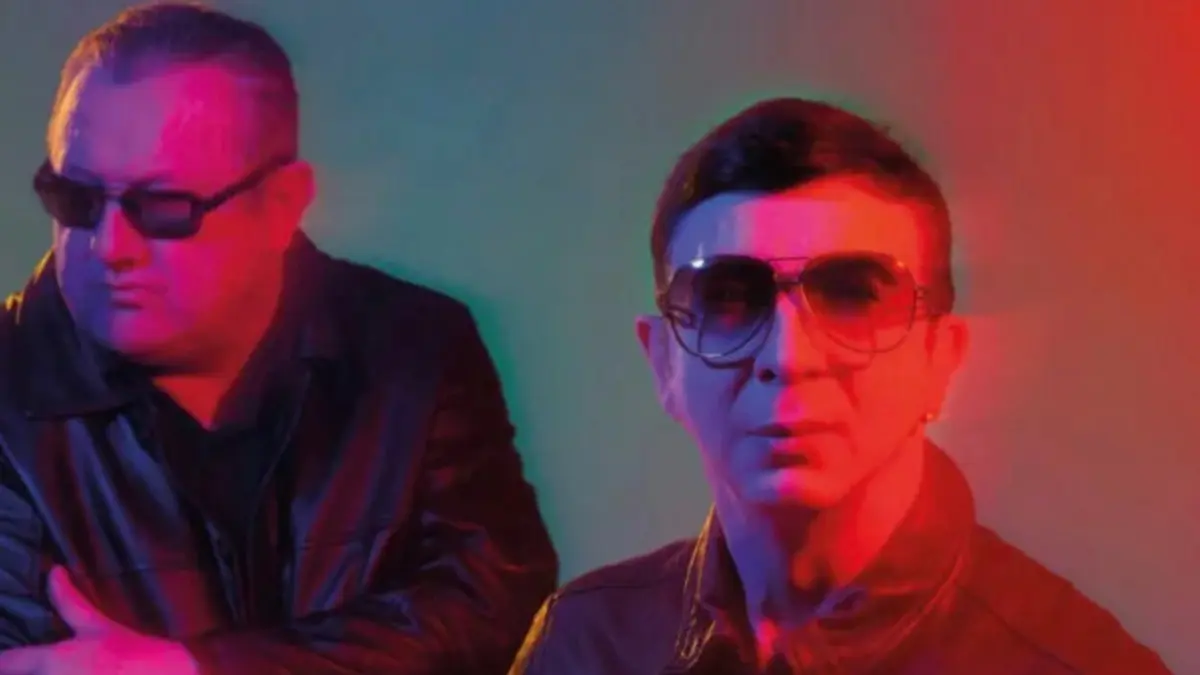
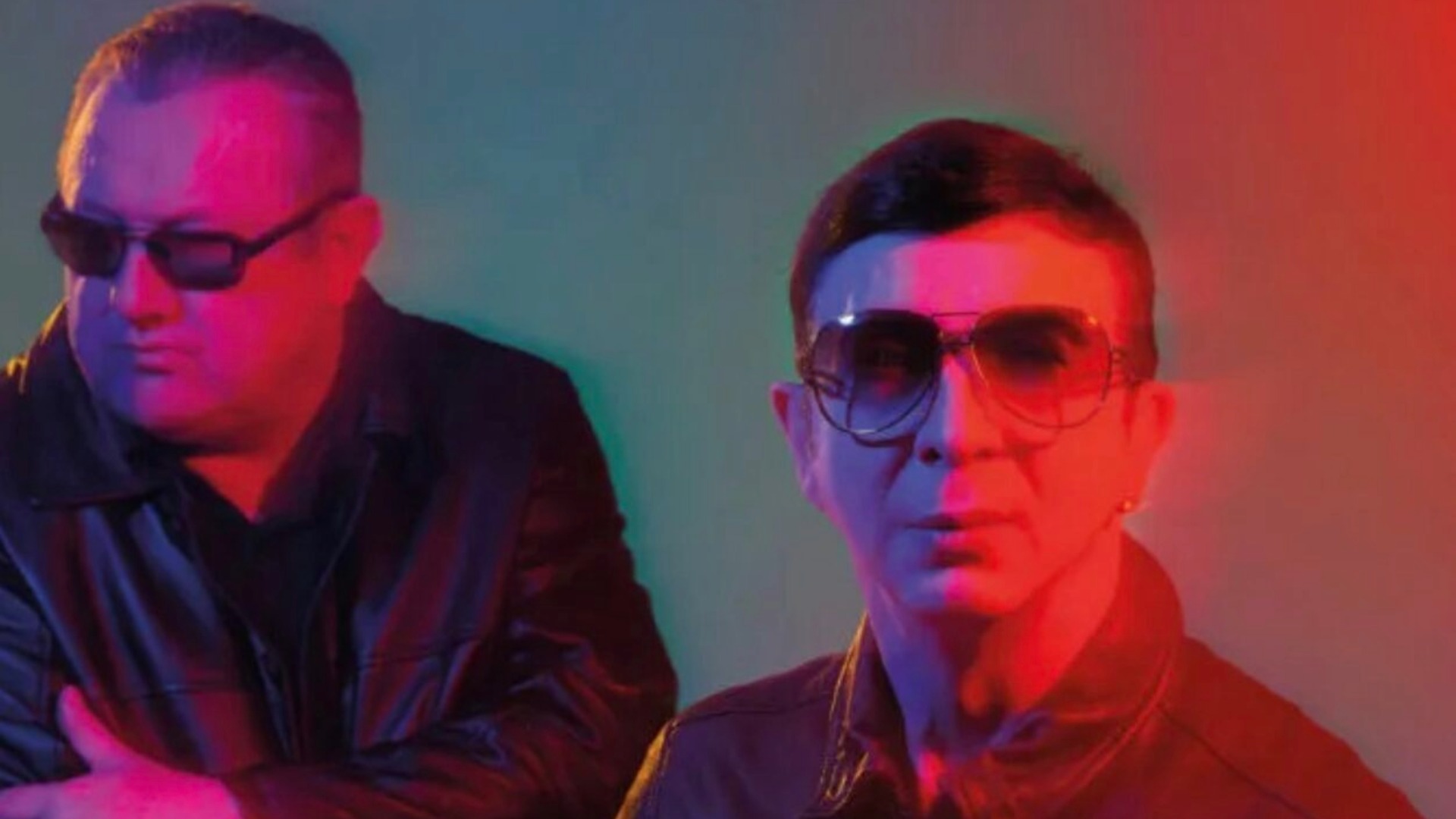
Synthesizing a legacy that stretches back to the post-punk dawn of the early 1980s, synth-pop pioneers Soft Cell have returned to showcase the darker, moodier undercurrents of their upcoming and final album, Danceteria. The duo—consisting of vocalist Marc Almond and the late instrumentalist and sound architect Dave Ball—has released "The Space Inside," a brooding, hypnotic electronic track that serves as a visceral window into the forthcoming long-player.
Slated for release on September 25 via Republic Of Music, Danceteria represents a poignant milestone. It arrives nearly a year after Dave Ball’s passing in October, marking an absolute, definitive close to the Soft Cell catalog. With Almond confirming that the band cannot and will not record new material without Ball, Danceteria stands not merely as another album in a storied discography, but as a monumental epitaph for one of electronic music’s most influential partnerships.
"The Space Inside" captures the essence of this final era. Described by the group as an "escapist pop anthem," it marries majestic, soaring vocals with epic, ravey synthesizer arrangements. Lyrically and atmospherically, the track pulls listeners deep into the nocturnal underbelly of Manhattan’s Meatpacking District in the early 1980s—a world of queer leather bars and sex clubs where night owls sought redemption amidst urban decay. As the third preview of Danceteria—following the title track and "In Heaven (When I Dance With You)"—this single cements the album’s reputation as an uncompromised, cinematic exploration of nocturnal hedonism, memory, and loss.
Detailed Chronology: From 1980s Underground Icons to a Definitive Farewell
To understand the weight of Danceteria, one must trace the winding, dramatic trajectory of Soft Cell across four decades. Formed in Leeds in 1978 by Marc Almond and Dave Ball while studying at Leeds Polytechnic, the duo quickly distinguished themselves from the glossier, more optimistic iterations of early-1980s synth-pop. While contemporaries favored pristine melodic accessibility, Soft Cell injected their music with a palpable sense of sleaze, cabaret theatricality, and dark urban grit.
The Rise, the Fall, and the Resurrection
Their 1981 breakthrough cover of Gloria Jones’s "Tainted Love" became a global phenomenon, breaking records for consecutive weeks on the US Billboard Hot 100 and defining the sonic landscape of the era. Alongside seminal albums like Non-Stop Erotic Cabaret (1981) and The Art of Falling Apart (1983), Soft Cell established a blueprint for electronic music that fearlessly tackled themes of alienation, sexual deviancy, drug subcultures, and psychological decay.
However, the intense pressures of commercial success and creative friction led to an acrimonious split in 1984. For decades, Almond and Ball pursued divergent solo and collaborative paths. Almond cultivated a celebrated solo career as a romantic chansonnier and interpreter of traditional song, while Ball found massive success in the late 80s and 90s with electronic outfit The Grid, alongside various electronic production ventures.
The turn of the millennium brought unexpected reconciliations. Soft Cell reunited for live dates in 2001 and released a new studio album, Cruelty Without Beauty, in 2002. Yet, it was not until 2022 that the duo staged a fully fledged, triumphant comeback with the critically acclaimed studio album *Happiness Not Included, followed shortly by the companion release *Happiness Now Completed. That return proved that Almond and Ball’s creative synergy had lost none of its provocative edge, setting the stage for what would tragically be their final creative statement.
The Final Sessions and the Passing of Dave Ball
The creation of Danceteria took place under the shadow of declining health. Dave Ball completed his work on the album shortly before his passing in October. His death plunged the global electronic music community into mourning, silencing one of the most idiosyncratic and inventive synthesizer players of the twentieth century.
In the wake of Ball’s death, Marc Almond faced the inevitable question regarding the future of the moniker. With unflinching honesty, Almond put all speculation to rest: Danceteria would indeed be the final Soft Cell album.
"There can be no more recordings of Soft Cell without Dave, it would not be possible," Almond stated unequivocally. "The sad reality is that Dave Ball was half of Soft Cell, and live work aside, I can’t write Soft Cell songs without him."
Thus, Danceteria transitioned from a standard late-career release into a sacred monument—a final collaborative dialogue between two lifelong creative partners who defined the dark edges of pop music.
Supporting Context & Metrics: Analyzing "The Space Inside" and Danceteria
Sonic Architecture and Lyrical Themes
"The Space Inside" encapsulates the dualities that have always defined Soft Cell: soaring, euphoric pop hooks contrasted against gritty, melancholic, and decadent lyrical narratives. Dave Ball’s instrumentation on the track relies on massive, enveloping synthesizer pads and driving, hypnotic sequencing that evokes the sweat-drenched dancefloors of subterranean clubs.
Marc Almond’s vocal delivery is nothing short of majestic, balancing theatrical vulnerability with seasoned authority. Lyrically, the song transports the listener back to Manhattan’s Meatpacking District in the early 1980s. During this era, before gentrification transformed the neighborhood into a playground for high-end fashion boutiques, the district was a gritty sanctuary for underground culture. Leather bars, after-hours sex clubs, and bohemian enclaves provided a haven for marginalized communities.
Almond sings of night owls “searching for redemption in the night’s decay.” This line serves as a thesis statement for the entire album, encapsulating the bittersweet realization that the night offers both sanctuary and a relentless reminder of mortality, transience, and the passage of time.
The Tracklist and Album Sequencing
Scheduled for release on September 25, Danceteria features a 14-track journey designed to be experienced as an immersive, narrative arc. The sequencing balances club-ready momentum with reflective, atmospheric interludes:
- Elusive
- Danceteria
- The Space Inside
- Times Square
- Two Of A Kind
- The Rainbow Room
- In Heaven (When I Dance With You)
- Decadence Is Hard Work
- Crackland
- What Is Your Morality
- Losing Yourself
- After Hours
- Wave To America
- Out Come The Freaks
The tracklist reads like a historical map of urban nightlife, touching on themes of societal observation ("What Is Your Morality"), geographic nostalgia ("Times Square," "Wave To America"), and unflinching self-examination ("Decadence Is Hard Work").
Official Statements & Industry Reception
The rollout of Danceteria has been accompanied by deep reverence from critics, fans, and industry insiders alike. Because of Dave Ball’s passing days after completing the record, every promotional drop carries profound emotional resonance.
Discussing the genesis of the single, representatives for Republic Of Music highlighted the track’s unique ability to bridge the gap between classic 80s synth-pop nostalgia and contemporary electronic production values. "With ‘The Space Inside,’ Soft Cell have not merely looked backward; they have weaponized memory to create something vital, urgent, and magnificently bleak," noted one primary review.
Marc Almond’s reflections on the recording process emphasize the telepathic musical bond he shared with Ball over more than four decades. "Dave had an uncanny ability to translate the shadows in my head into frequencies, arpeggios, and sub-bass that made complete emotional sense," Almond shared in internal production notes. "Working on Danceteria felt different—there was an urgency to it, an unvoiced understanding that we were capturing lightning in a bottle for the very last time."
Music critics who have previewed advance streams of Danceteria have noted that the album ranks among the finest work of the duo’s entire career. By leaning into the decadent, nocturnal atmosphere that made records like Non-Stop Erotic Cabaret essential listening, Soft Cell have avoided the trap of self-parody, delivering instead a cohesive, mature exploration of the themes that fascinated them from their youth.
Future Outlook: Preserving the Legacy of Soft Cell
As September 25 approaches, anticipation for the physical and digital release of Danceteria continues to build. The album is currently available for pre-order across major independent and commercial outlets, including Amazon, HMV, Rough Trade, and Townsend Music, with various exclusive vinyl pressings catering to the band’s fiercely dedicated collector base.
While Danceteria marks the final studio recording bearing the Soft Cell name, questions naturally arise concerning the future of live performance. Marc Almond has left the door open regarding potential live tributes or archival projects, but his stance on new studio material remains ironclad: without Dave Ball, there is no engine to drive the songwriting process forward.
This definitive boundary ensures that Danceteria will occupy a unique space in pop history. It is a rare phenomenon: a band consciously closing their own book on their own terms, delivering a masterclass in electronic composition while paying final homage to the creative chemistry of its founders.
For decades, Soft Cell invited listeners into the forbidden corners of the human psyche, finding beauty in squalor, romance in decay, and transcendence on the dancefloor. With "The Space Inside" and the forthcoming release of Danceteria, Almond and Ball ensure that their final transmission pulses with the exact same electrifying, unapologetic spirit that first defined them in the shadows of 1980s Britain.