Executive Overview
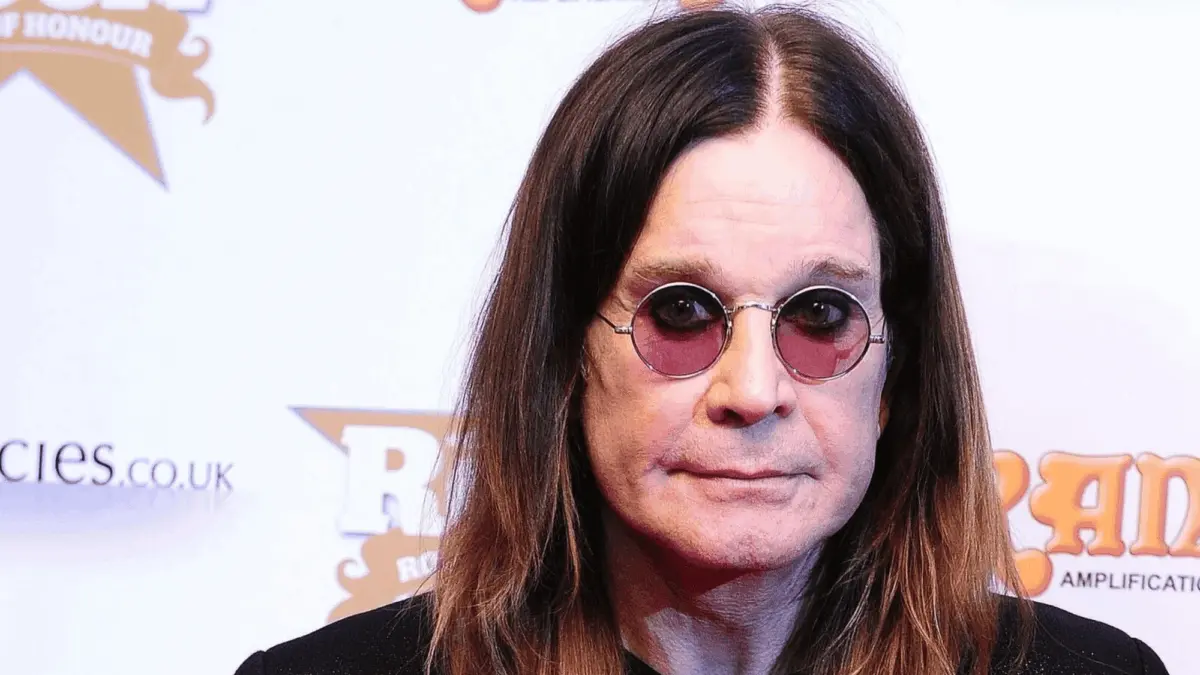
When John Michael "Ozzy" Osbourne passed away on July 22, 2025, at the age of 76, the global music community lost one of its most transformative and enduring icons. Beyond the iconic catalog, the legendary stage antics, and the heavy metal thunder that defined five decades of popular culture, Osbourne left behind a carefully engineered financial empire. Valued at an estimated $220 million at the time of his passing, his estate reflects a masterclass in modern personal branding, aggressive diversification, and artistic reinvention.
To reduce Osbourne’s financial narrative merely to his heavy metal roots is to misunderstand the multi-layered business acumen that sustained him. From the pioneering, earth-shattering down-tuned riffs of Black Sabbath in the early 1970s to multi-platinum solo triumphs, the inception of the colossal Ozzfest empire, groundbreaking reality television, and a lucrative transcontinental real estate portfolio, Osbourne—guided strategically by his wife and manager, Sharon Osbourne—built a financial fortress.
This retrospective examines the mechanics of that wealth, tracing the milestones that formed his empire, evaluating how his revenue streams operated, and analyzing how the Prince of Darkness stacked up against his contemporaries in the upper echelons of rock aristocracy.
Detailed Chronology: Milestones of a Heavy Metal Icon
Ozzy Osbourne’s journey from a working-class industrial city in the English Midlands to global superstardom was punctuated by strategic career pivots that fundamentally altered his earning power and cultural footprint.
| Year | Milestone | Direct Financial and Cultural Impact |
|---|---|---|
| 1968 | Co-founded Black Sabbath | Pioneered and helped create the heavy metal genre, establishing the foundation for global album sales and lifelong publishing royalties. |
| 1970 | Released Paranoid | Defined the emerging genre, cementing Black Sabbath as an international commercial powerhouse. |
| 1979 | Parted ways with Black Sabbath | Triggered a critical juncture that forced a high-stakes solo career rebirth. |
| 1980 | Released Blizzard of Ozz | Achieved multi-platinum success, proving his commercial viability independently of his former band. |
| 1996 | Launched Ozzfest | Created a pioneering music festival model that generated over $100 million in ticket sales and redefined rock touring. |
| 2002 | The Osbournes premieres on MTV | Ignited a pop-culture revolution, achieving record-breaking ratings and opening doors to lucrative endorsements. |
| 2022 | Released Patient Number 9 | Earned his first solo Grammy Awards, proving his enduring creative and commercial appeal late into his career. |
| 2025 | Passed away at age 76 | Concluded a legendary life, leaving behind an estimated $220 million estate and an immortal musical legacy. |
Supporting Context & Metrics: Dissecting the $220 Million Fortune
Osbourne’s $220 million fortune was never the result of a single lucky break or a late-career buyout. Rather, it was constructed through a steady accumulation of diverse income streams over 50 years.
1. Solo Albums and Black Sabbath Royalties
The bedrock of Osbourne’s wealth originated in his foundational catalog. Black Sabbath’s 1970s masterworks—including Paranoid, Master of Reality, and Volume 4—enjoyed decades of steady streaming revenues, physical reissues, and sync licensing fees in film, television, and video games.
Following his departure from Black Sabbath in 1979, Osbourne defied industry expectations by forging a massively successful solo career. Across 13 studio albums, he moved over 100 million records worldwide. Multi-platinum juggernauts like 1980’s Blizzard of Ozz and 1991’s No More Tears secured long-term publishing and performance royalties that reliably replenished his accounts year after year.
2. Ozzfest: The Festival That Became a Business Enterprise
In 1996, recognizing a gap in the summer touring market for hard rock and heavy metal, Sharon and Ozzy Osbourne launched Ozzfest as a single-day event in Phoenix, Arizona. The festival quickly expanded into a massive multi-day touring empire.
Over its historic run, Ozzfest attracted more than five million total attendees, grossing upwards of $100 million in ticket sales alone. Crucially, the festival revolutionized heavy metal merchandise economics. Osbourne became the first heavy metal artist to surpass $50 million in cumulative merchandise sales, transforming fan loyalty into a streamlined corporate revenue stream.
3. Reality Television, Endorsements, and Publishing
Long before social media influencers commodified their daily lives, the Osbourne family invited MTV cameras into their Beverly Hills home. The Osbournes, which ran from 2002 to 2005, shattered viewing records, pulling in first-season ratings that outpaced any original series in MTV’s history.
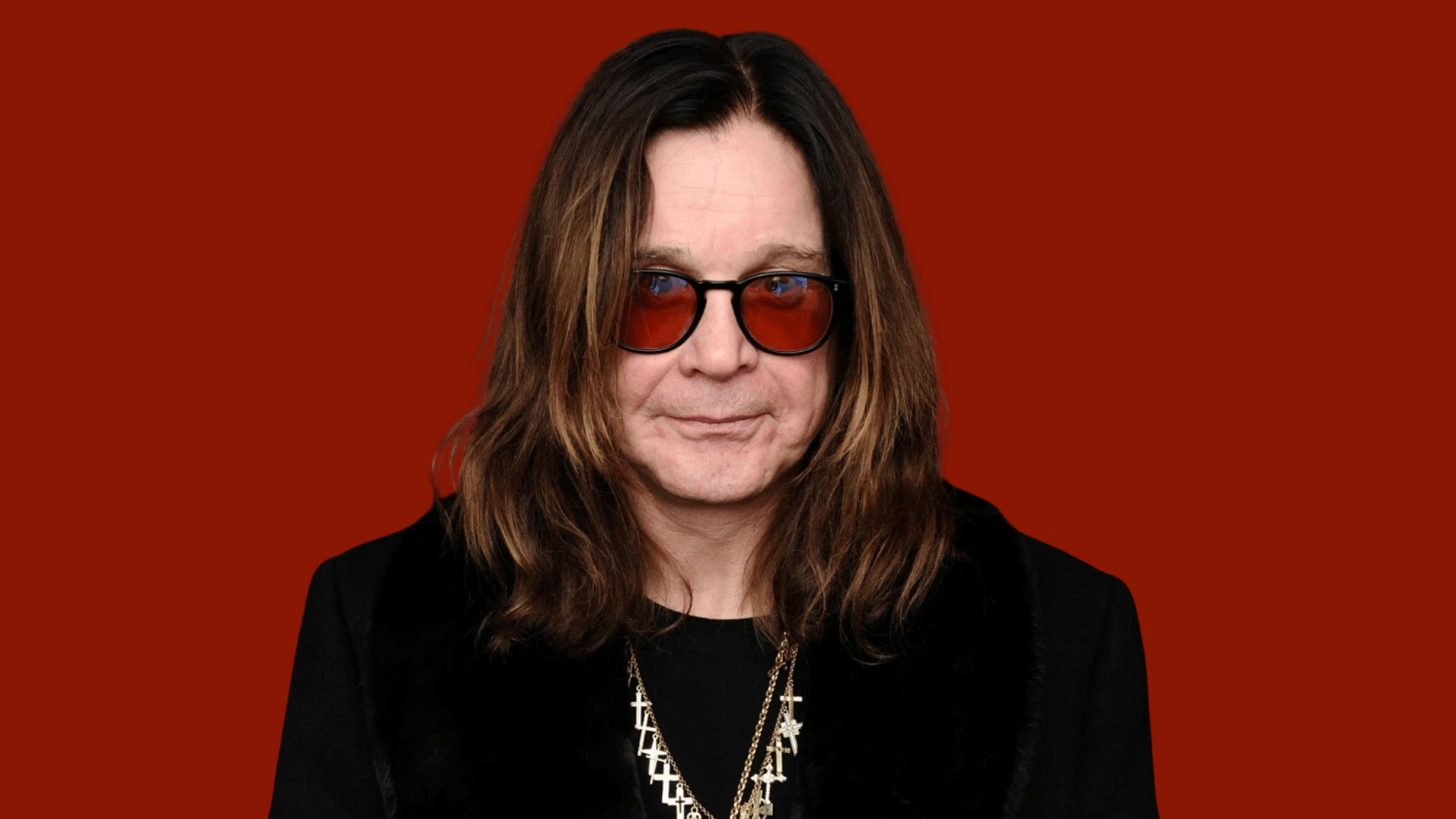
The show transformed Ozzy from a misunderstood heavy metal anti-hero into a lovable, eccentric household patriarch. This unprecedented mainstream visibility unlocked high-paying endorsement contracts with mainstream corporate giants, including spots for World of Warcraft and "I Can’t Believe It’s Not Butter!" Furthermore, his 2009 bestselling memoir, I Am Ozzy, introduced his colorful life story to an entirely new demographic of readers, adding yet another profitable asset to his corporate portfolio.
4. Real Estate and Personal Assets
Real estate investments formed a critical anchor for the family’s long-term capital preservation. Ozzy and Sharon maintained a dynamic portfolio of luxury properties across the United States and the United Kingdom.
In 2015, they acquired a historic Hancock Park mansion in Los Angeles for $11.85 million, later listing it for $18 million. Over the decades, strategic property flips in California generated millions in capital gains, including a single transaction that yielded an estimated $7.5 million profit. In his final years, following his diagnosis with Parkinson’s disease in 2003 and his eventual return to his homeland, Osbourne resided primarily at Welders House, a sprawling country estate in Buckinghamshire, England.
Official Statements and Family Financial Architecture
Born in working-class Birmingham, England, to a toolmaker father and a factory worker mother alongside five siblings, Osbourne’s early life stood in stark contrast to his eventual affluence. As a father to six children—Jessica, Louis, and Elliot from his first marriage, and Aimee, Kelly, and Jack with Sharon—his familial financial responsibilities were vast.
While Kelly and Jack embraced the spotlight through television and entertainment ventures, Aimee consciously distanced herself from the family’s reality television enterprise, establishing an independent music career under the moniker ARO, building a personal net worth estimated between $5 million and $7 million.
Collectively, the broader Osbourne family’s combined net worth is estimated at approximately $251 million, synthesizing Ozzy’s solo empire, Sharon’s successful television and management career, and the independent ventures of Kelly and Jack.
Though specific details of Ozzy Osbourne’s final estate arrangements remain private—as is standard for high-net-worth public figures utilizing trusts and estate-planning instruments to comply with regulatory bodies like the IRS—legal and financial analysts note that the estate is structured to protect long-term intellectual property rights, publishing catalogs, and family security.
Comparative Analysis: Ozzy Among Rock Royalty
While $220 million places Ozzy Osbourne securely in the upper tier of rock music history, his net worth offers an interesting point of comparison when measured against peers who pursued different paths of monetization:
- Mick Jagger ($500 Million): The Rolling Stones frontman more than doubled Ozzy’s wealth, bolstered by relentless, stadium-filling global tours spanning seven decades and absolute control over one of rock’s most lucrative recorded music catalogs.
- Gene Simmons ($400 Million): The KISS co-founder famously turned merchandising into an art form, licensing the band’s likeness to thousands of products ranging from comic books to caskets. While Simmons amassed a larger capital base through aggressive corporate branding, Ozzy matched his cultural footprint by integrating television, specialized festivals (Ozzfest), and long-term publishing into his portfolio.
- Alice Cooper ($50 million): Despite sharing a similar penchant for theatrical shock-rock, Cooper’s net worth sits considerably lower than Osbourne’s. Ozzy’s ability to scale his brand through Ozzfest, prime-time reality television, and global licensing deals allowed him to outpace many theatrical peers in terms of pure enterprise valuation.
Future Outlook
The passing of Ozzy Osbourne marks the end of an era for aggressive, unapologetic rock and roll, but his financial and cultural footprint will endure for generations. Intellectual property management, streaming royalties, and brand licensing will continue to monetize his catalog long into the future.
As streaming services evolve, vinyl revivals persist, and generations of new metalheads discover tracks like "Crazy Train" and "Iron Man," the financial machinery built by Ozzy and Sharon Osbourne ensures that the Prince of Darkness will remain a dominant economic and cultural force in the music industry indefinitely.