Executive Overview
By the mid-2000s, the global music landscape was undergoing a seismic, structural acceleration. Discovery transformed from a localized, physical endeavor into an instantaneous digital experience. Regional scenes, once hemmed in by geography, were suddenly unmoored; an independent artist could capture the imaginations of listeners on the opposite side of the planet before ever playing a venue outside their home city. The internet ceased to be merely a disruptive underground force and became the beating heart of modern music culture.
This profound shift fundamentally altered not only how audiences listened to recorded art, but also how they sought it out, debated its merits, and formed deep-seated communities around it. Simultaneously, the physical-to-digital transition—pioneered by the early piracy networks of LimeWire and Napster, streamlined by the hardware dominance of the iPod, and eventually formalized by early streaming ecosystems like Spotify—eroded the barriers to entry for independent musicians. For the listener, it placed an almost limitless record collection directly into their pocket.
Amidst this chaotic modernization, tastemaker institutions like Rough Trade navigated the digital wave, championing tangible, meaningful connections with music through physical vinyl editions, specialized curation, and community-driven spaces. Examining the decade spanning 2006 to 2015 reveals a definitive golden era of modern independent music—one defined by radical experimentation, genre-blending hybridization, and the birth of modern music fandom.
Detailed Chronology: A Decade of Digital Disruption and Sonic Innovation (2006–2015)
The decade between 2006 and 2015 can be traced through a series of seismic record releases, technological milestones, and tectonic shifts in how music was consumed and valued.
2006: The Atmospheric Blueprint
- The Release: Burial – Burial (Hyperdub)
- The Context: Released on May 15, 2006, through Kode9’s Hyperdub label, Burial’s self-titled debut permanently altered the contours of UK bass music and dubstep. Operating in absolute anonymity, electronic producer William Bevan captured the spectral mood of post-rave metropolitan life. Cultural theorist Mark Fisher famously described the album as sounding like "London after the rave," establishing an icy, rain-soaked aesthetic that proved electronic music could possess profound emotional gravity.
2007: The Great Pay-What-You-Want Experiment
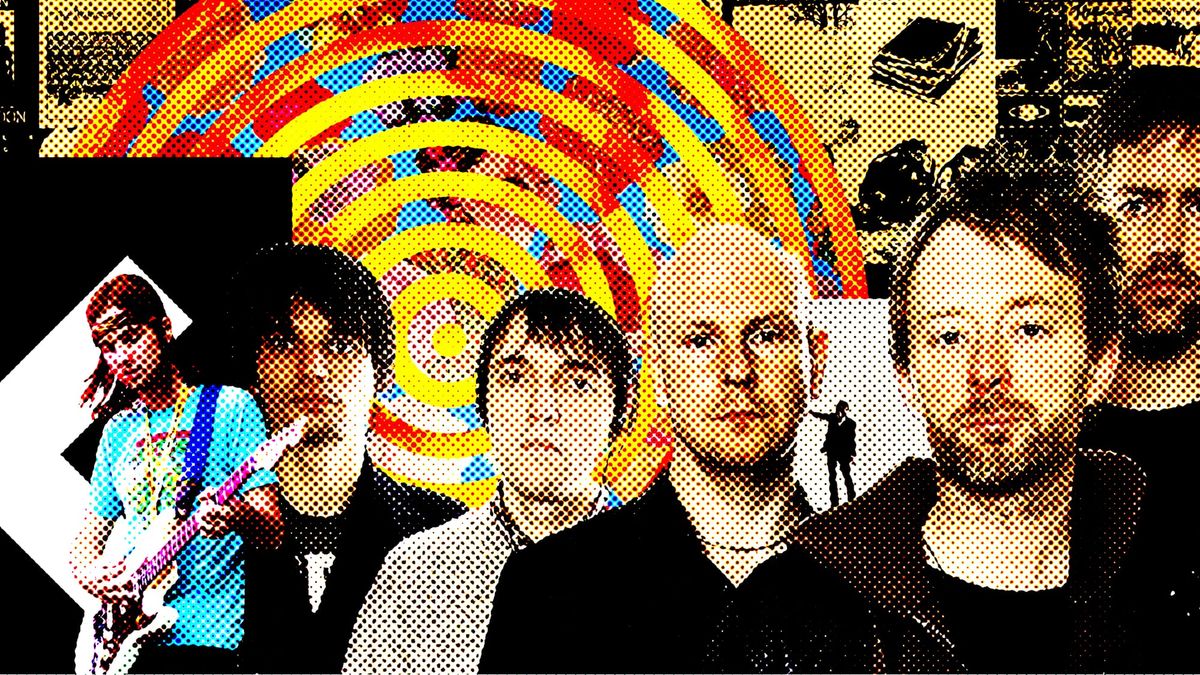
- The Release: Radiohead – In Rainbows (Self-Released/XL Recordings)
- The Context: As the music industry reeled from falling CD sales driven by internet piracy, alt-rock titans Radiohead boldly upended conventional promotional models. They released their seventh studio album via a revolutionary "pay-what-you-want" digital download format. While the move sparked fierce industry debate—some praising the direct-to-fan connection, others fearing it degraded the perceived value of recorded art—In Rainbows instantly became a modern holy grail. Merging complex polyrhythms with organic warmth, tracks like "Weird Fishes/Arpeggi" demonstrated that accessibility and artistic complexity were not mutually exclusive.
2008: Cabin Fever and Acoustic Melancholy
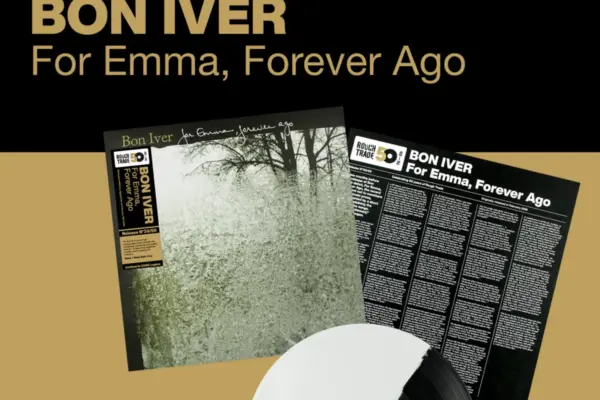
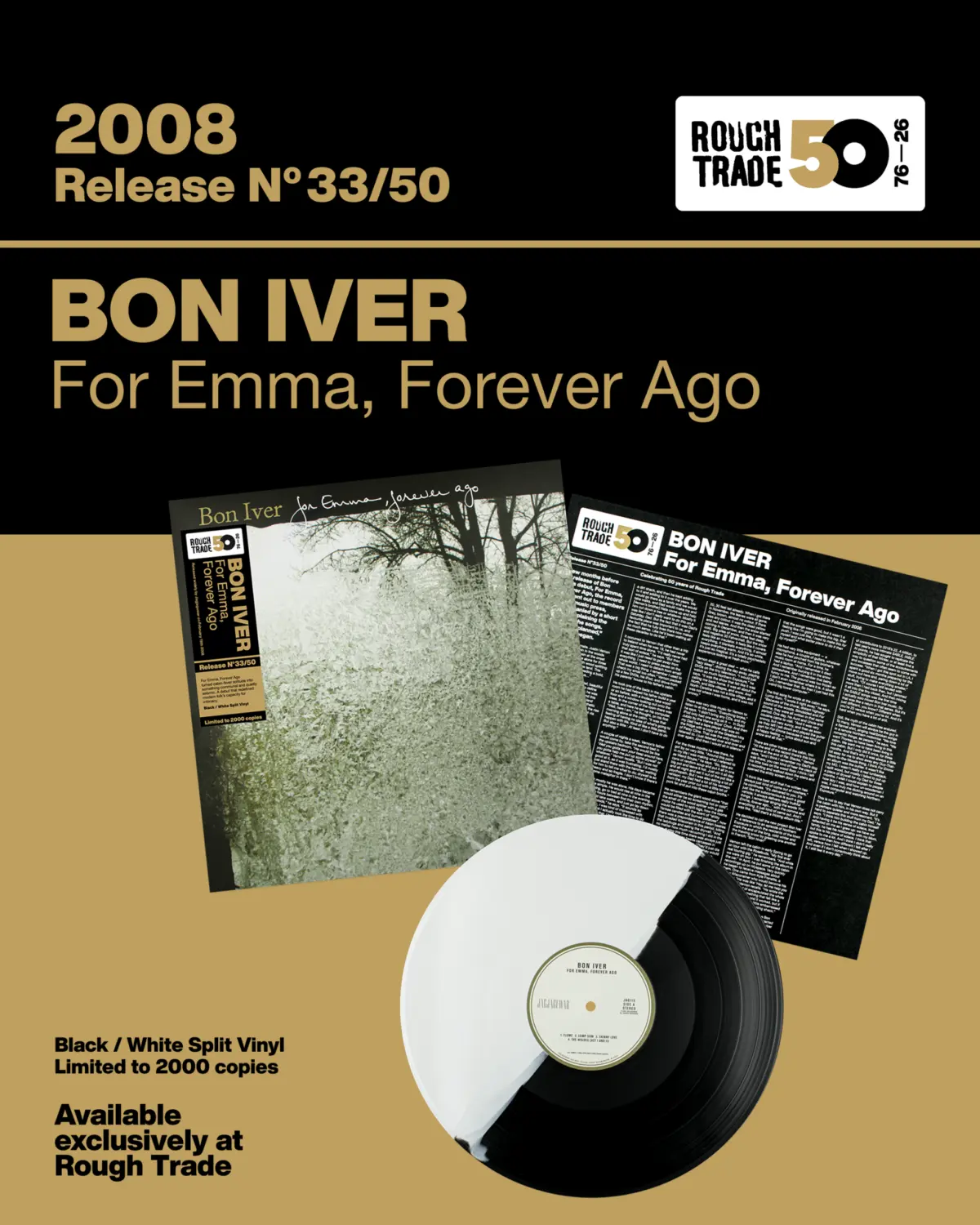
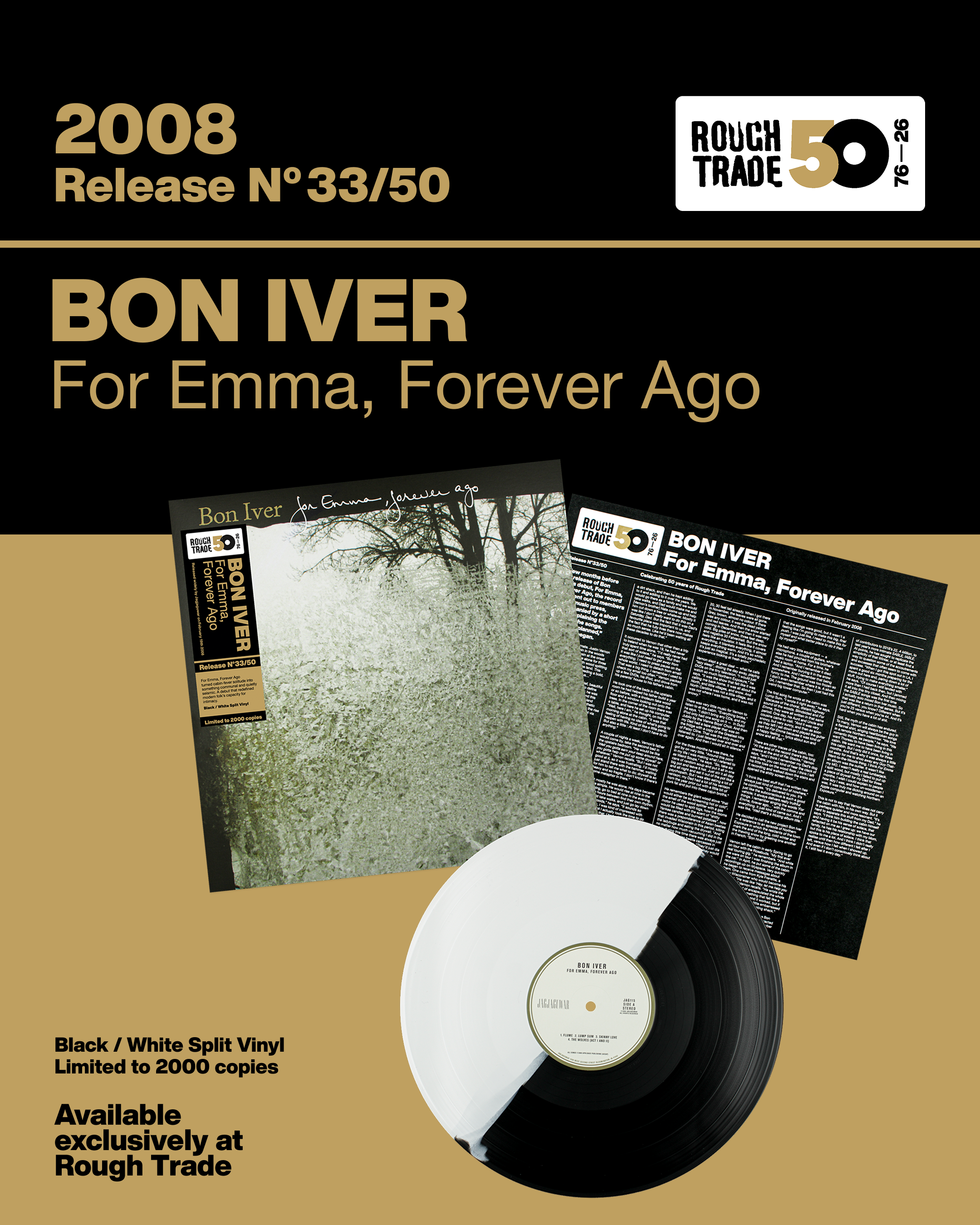
- The Release: Bon Iver – For Emma, Forever Ago (Jagjaguwar)
- The Context: Born out of isolation, illness, and a shattered relationship, Justin Vernon retreated to his father’s remote hunting cabin in Wisconsin for three months. Armed with acoustic guitars and multi-tracked falsetto vocals, Vernon crafted winter melancholy pressed into wax. Self-released in 2007 before its wider Jagjaguwar distribution in 2008, the record proved that raw, unpolished heartbreak could connect deeply on a global scale through the newly borderless web.
2009: The Power of Spatial Restraint
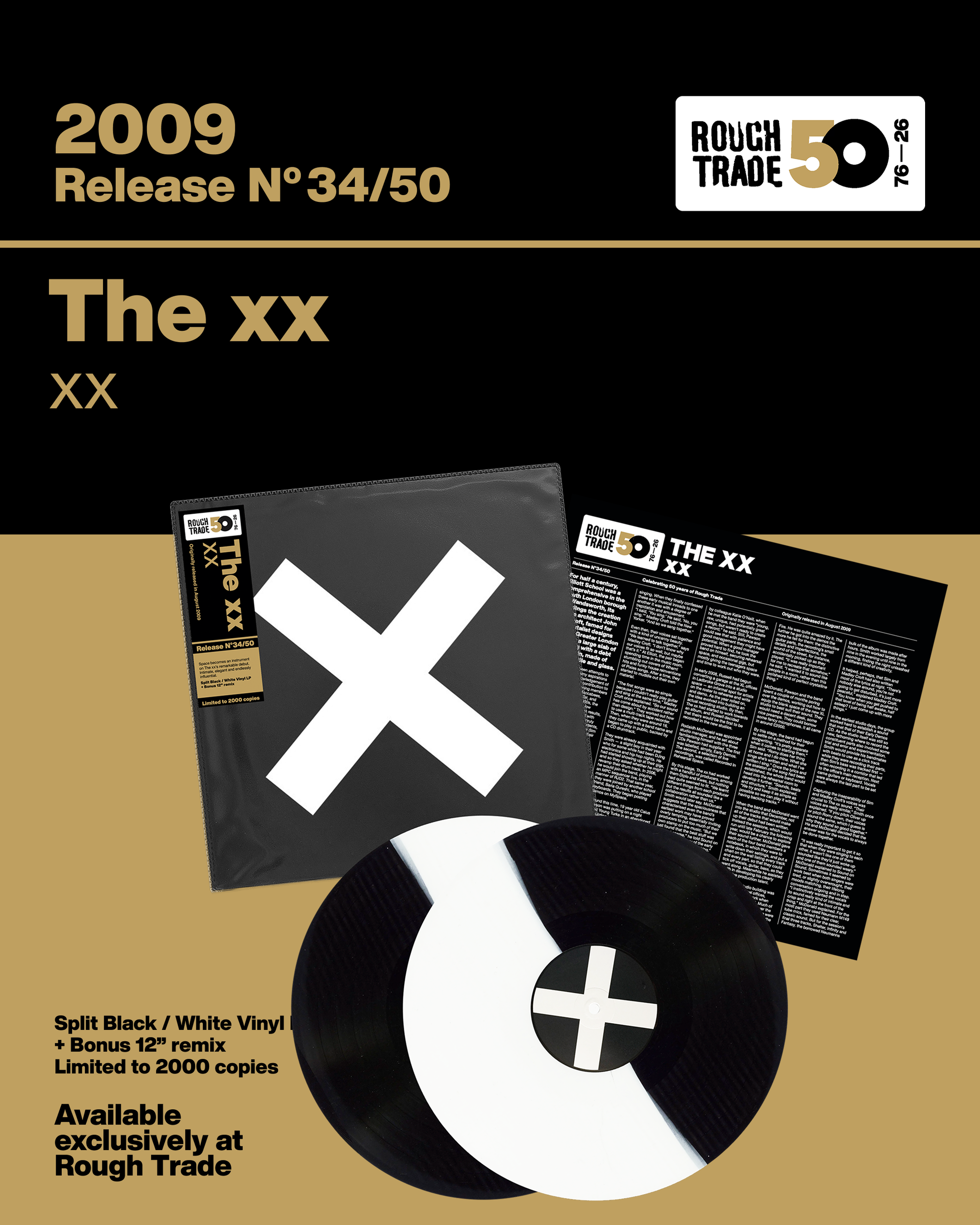
- The Release: The xx – xx (Young Turks)
- The Context: At a time when modern production values seemed locked in an arms race of escalating loudness and sonic compression, London trio The xx did the opposite. Their self-titled debut was a masterclass in minimalism, leaving vast physical and emotional space for songs to breathe. Anchored by the iconic instrumental "Intro" and magnetic singles like "Crystalised," xx became a generational touchstone and one of the best-selling independent releases of its era, capturing the nocturnal anxieties of modern youth.
2010: Bringing Electronica Out of the Shadows
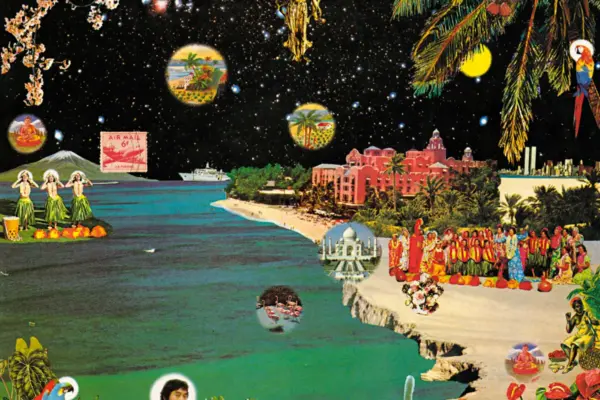
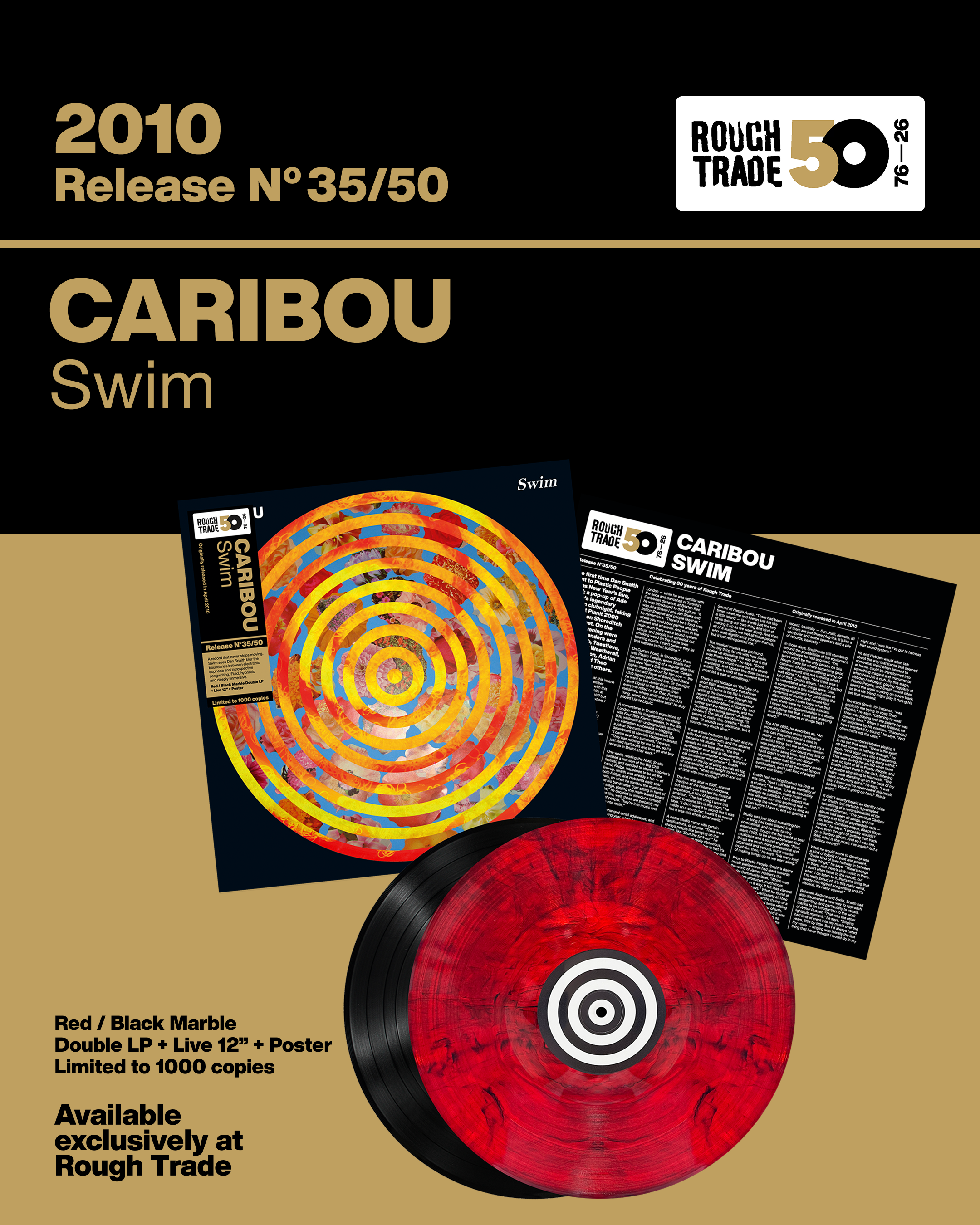
- The Release: Caribou – Swim (Merge / City Slang)
- The Context: For much of the 2000s, electronic music and indie rock often coexisted uneasily within dark, sticky club basements. With Swim, producer Dan Snaith threw open the shutters. Merging hypnotic, shifting rhythms with kaleidoscopic mixing and organic instrumentation, the album took top honors in critical end-of-year lists by dragging electronica out into the sun-drenched expanse, providing an intoxicating blueprint for festival dancefloors.
2011: Seaside Psych and Dry Wit
- The Release: Baxter Dury – Happy Soup (PIAS)
- The Context: Injecting British independent music with a distinct, spoken-sung deadpan charm, Baxter Dury’s Happy Soup delivered a masterclass in infectious electro-pop. Blending sun-bleached psych-pop textures with acerbic, kitchen-sink storytelling, Dury proved that British observational songwriting could evolve beyond traditional guitar tropes into something uniquely danceable and melancholic.
2012: The Inner World Goes Global
- The Release: Tame Impala – Lonerism (Modular Recordings)
- The Context: Kevin Parker’s bedroom psych-rock project transformed into a stadium-filling phenomenon with Lonerism. Bridging punchy, anthemic garage-rock crunch with dizzying, multi-layered dream-pop arrangements on tracks like "Elephant" and "Feels Like We Only Go Backwards," the record captured a brilliant mind wrestling with isolation. It served as a critical stepping stone toward the undisputed mainstream domination of its successor, Currents.
2013: Metaphysical Spirituality and Grace
- The Release: Nick Cave & The Bad Seeds – Push the Sky Away (Bad Seeds Ltd)
- The Context: Sitting at a fascinating stylistic crossroads between raucous garage rock and spoken-word minimalism, Push the Sky Away stands among the finest achievements in Nick Cave’s storied catalog. Swapping out visceral, biblical fire-and-brimstone for a more airy, metaphysical spirituality, Cave maintained the band’s trademark live intensity while crafting an album of breathtaking, understated elegance.
2014: Slacker Melancholia and Nostalgia
- The Release: Mac DeMarco – Salad Days (Captured Tracks)
- The Context: Propelled by janky, warbling guitar tones and an effortless charm, Canadian slacker-rock icon Mac DeMarco defined the lo-fi indie aesthetic of the mid-2010s. Forged in the grueling aftermath of relentless touring, Salad Days balanced an upbeat melodic sensibility with an underlying, bittersweet sense of growing up, soundtracking the late-night reflections of a generation of teenagers.
2015: Sarcasm, Romance, and the Modern Condition
- The Release: Father John Misty – I Love You, Honeybear (Sub Pop)
- The Context: Josh Tillman’s sophomore outing as Father John Misty was a grand, theatrical triumph. Marrying biting cultural satire, self-deprecation, and sweeping orchestral arrangements, the record explored the messy reality of finding genuine love amidst digital alienation. From the dark humor of "Bored in the USA" to the urgent plea to unplug on "True Affection," it crystallized the comedic and emotional paradoxes of 21st-century life.
Supporting Context & Metrics: The Architecture of Discovery
The transformation of music culture between 2006 and 2015 was underpinned by profound shifts in technology and infrastructure.
[Blogs & MP3 Sharing] ---> [MySpace / Early Socials] ---> [Streaming & Algorithms]
       (Discovery)              (Direct Publicist)            (Infinite Library)
The Blogosphere Ecosystem
Before algorithms dictated listening habits, music blogs and tastemaker platforms—such as Pitchfork, Stereogum, and the aggregation wizardry of Hype Machine—ruled supreme. A glowing review or a downloadable MP3 link could propel an unknown basement band onto major European festival stages almost overnight. This era democratized critique, allowing hyper-niche aesthetics (chillwave, blog-house, hypnagogic pop) to flourish rapidly across international borders.
Social Media as the Great Equalizer
MySpace fundamentally inverted the traditional music business model by transforming musicians into their own publicists. For the first time, bands could track plays, communicate directly with listeners, and build organic fanbases without major-label A&R intervention. Soon after, Facebook and Twitter forged real-time communication channels between artists and consumers, while Instagram introduced an immediate, highly curated visual dimension to the live touring experience.
The Physical-to-Digital Pivot
The mid-to-late 2000s marked the painful twilight of the compact disc, battered by digital piracy platforms like LimeWire and Napster. Yet, rather than destroying music consumption, this piracy-driven vacuum forced innovation. Apple’s iPod commercialized the concept of carrying an entire music library in one’s pocket, which soon paved the way for legal, subscription-based streaming models spearheaded by Spotify. For independent artists, physical distribution barriers lowered, though financial sustainability remained a persistent industry-wide challenge.

Official Statements and Industry Reflections
Reflecting on this transformative decade through the lens of independent retail institutions reveals a deep appreciation for how human curation survived the algorithmic storm.
Georgia from the Rough Trade offices notes regarding Radiohead’s historic move:
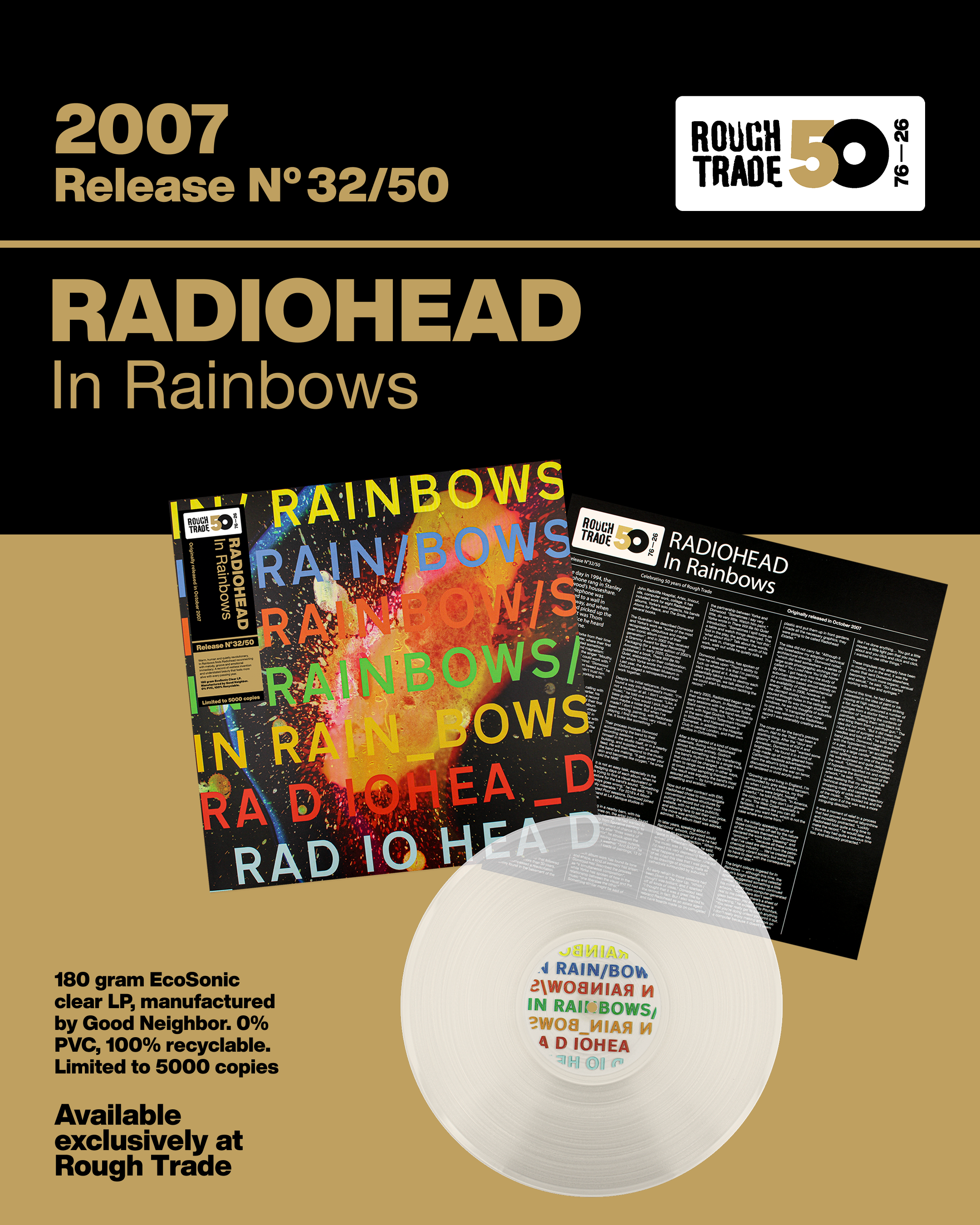
"Whether you feel positively or critically about Radiohead’s promotional methods with In Rainbows, there’s no denying this album is a holy grail release in modern music, epic in scope, sound, and all that comes in between."
Meanwhile, commenting on the quiet revolution of The xx’s debut, Nina from Rough Trade Berlin emphasizes the counter-cultural power of minimalism:
"Some records just stop you in your tracks, and in 2009, xx was one of them. At a time when everything seemed to be getting louder, The xx did the opposite. They left space for the songs to breathe, and somehow that made them even more powerful."
These sentiments highlight a core tension of the era: while the internet made music infinitely accessible, the human hunger for tangible touchstones, physical vinyl pressings, and expert human curation grew stronger rather than weaker.
Future Outlook: The Enduring Legacy of the Digital Dawn
As the music industry looks toward the horizon, the echoes of the 2006–2015 digital revolution continue to reverberate. The blueprint forged during this era—where independent artists bypass traditional gatekeepers via direct-to-fan platforms, where genre boundaries are treated as fluid suggestions rather than rigid laws, and where global fandoms mobilize around micro-genres spawned on digital forums—is now the undisputed status quo.
However, the modern landscape also faces new challenges. While algorithms now dictate passive listening habits on an unprecedented scale, the enduring renaissance of physical formats—particularly the resurgence of vinyl championed by independent record stores and special anniversary collections—proves that listeners retain a fundamental human desire for tactile, meaningful engagement with music.
The digital dawn of the mid-2000s did not kill the magic of recorded art; rather, it stripped away geographic and industrial gatekeepers, handing the keys of discovery directly to the artists and the fans. As long as human beings seek out connection, the restless, boundary-breaking spirit of this golden era of indie music will continue to shape the cultural future.