Executive Overview
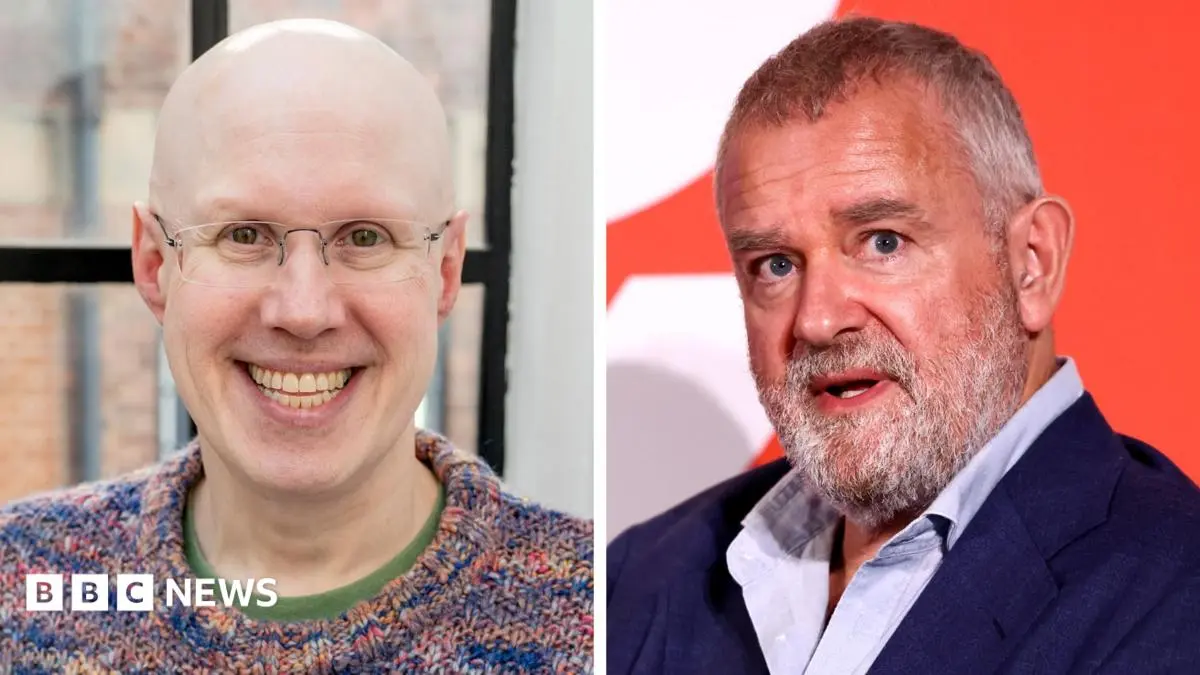
The rapid, unchecked evolution of artificial intelligence has precipitated a high-stakes cultural and legal showdown in the United Kingdom. More than 80 prominent actors, voiceover artists, musicians, and industry professionals—including household names such as Matt Lucas, Hugh Bonneville, Nicola Coughlan, and Siobhán McSweeney—have united in an open letter addressed to the UK government. The collective is demanding immediate, robust legislative intervention to protect individuals against the unauthorized exploitation of their vocal identities by AI algorithms.
At the core of this escalating crisis is the rise of sophisticated voice-cloning technology. By training machine-learning models on publicly available audio recordings, bad actors, rogue agencies, and automated systems can fabricate hyper-realistic synthetic replicas of a person’s voice in a matter of minutes. While low-grade clones require only a few seconds of raw audio to function, high-fidelity copycats capable of capturing emotional nuances, breath patterns, and distinctive inflections can be generated from hours of material. For the professional voiceover community, audiobook narrators, and actors who rely on their vocal cords for their livelihoods, this capability represents an existential threat.
The signatories are calling on Prime Minister Andy Burnham and his administration to establish a fundamental legal right: that every citizen in the United Kingdom owns their voice as an inalienable asset. Current British intellectual property, copyright, and privacy laws have proven woefully inadequate in the face of generative AI, leaving performers legally exposed and economically vulnerable. Legal experts have repeatedly warned that existing legislative frameworks are fundamentally "unfit for purpose," failing to recognize a person’s vocal identity as an extension of their bodily autonomy.
Yet, this complex technological frontier is not devoid of moral duality. While creative professionals fight to preserve the sanctity of human expression, proponents of AI point to life-altering, compassionate applications of the very same technology. For individuals who have lost their ability to speak due to debilitating conditions such as motor neurone disease, voice cloning has offered a miraculous lifeline, restoring lost identities and reconnecting families. Furthermore, grieving families have begun utilizing conversational digital replicas and holograms to preserve the memory of loved ones.
As Westminster prepares to launch a formal consultation to balance the protection of human creators against the imperatives of technological innovation, the cultural sector stands at a critical crossroads. This article examines the unfolding controversy, charting the chronology of the movement, the economic and legal realities of voice theft, the deeply polarized applications of synthetic voices, and the uncertain future facing the UK’s creative industries.
Detailed Chronology
The Anatomy of an Emerging Crisis
While generative AI has dominated tech headlines over the past several years, the threat to vocal identity has accelerated at a dizzying pace since late 2023. Initially dismissed as a novelty capable of generating robotic, stilted audio clips, text-to-speech (TTS) engines and voice-conversion models underwent a quantum leap in quality. By early 2024, open-source software allowed virtually anyone with an internet connection to scrape audio from YouTube, podcasts, and audiobooks, training custom AI models capable of mimicking real people with terrifying accuracy.
Throughout the spring of 2024, performers began noticing unauthorized uses of their voices across digital platforms. Commercials, political ads, and independent video games began utilizing synthetic voice replicas without the knowledge, consent, or financial compensation of the original artists. The problem was no longer confined to Hollywood blockbusters or high-end tech firms; it had been democratized, turning every public speaker into an unwitting target for vocal identity theft.
The Turning Point: Legal Warnings and Activism
In June 2024, the alarm bells sounded within legal academic circles. Dr. Mathilde Pavis, a leading legal scholar specializing in cultural property and emerging technologies, published a scathing assessment of UK legislation. Dr. Pavis warned that the law "comes close, but it doesn’t fully protect your voice, your face, or your identity," highlighting gaping loopholes in British statutory law regarding digital replicas and personality rights.
Prompted by these mounting vulnerabilities, working professionals inside the UK’s creative sector took matters into their own hands. Audiobook narrator Alice Sockett, recognizing the compounding peril facing her peers, co-founded a grassroots campaign to lobby Parliament. Sockett and her fellow organizers began mobilizing talent across theater, television, and music, building a coalition determined to force the government’s hand before the window for meaningful legal protection slammed shut.
The Open Letter to Westminster
The campaign culminated in a coordinated push that brought together more than 80 influential figures from across the British entertainment landscape. On behalf of the creative community, high-profile actors including Matt Lucas (Little Britain, Doctor Who), Hugh Bonneville (Downton Abbey), Nicola Coughlan (Bridgerton, Derry Girls), and Siobhán McSweeney drafted and delivered an ultimatum to Prime Minister Andy Burnham.
The letter explicitly demanded that the government introduce dedicated legislation establishing an absolute legal right to vocal ownership. The signatories argued that failing to act immediately would effectively surrender the UK’s rich cultural heritage to algorithmic exploitation, stripping human artists of their economic value and reducing the nuances of human performance to commodified data points.
In response to the letter, a government spokesperson issued a formal statement acknowledging the duality of the technology. While conceding that "digital replicas can be a powerful tool, including for the creative industries," the government admitted that the potential for severe harm was palpable. Consequently, Westminster announced plans to launch a formal consultation process aimed at addressing these harms while purportedly safeguarding legitimate technological innovation.
Supporting Context & Metrics
The Economics of Vocal Vulnerability
To understand the urgency behind the actors’ demands, one must examine the economics of modern performance. For the vast majority of actors, voiceover artists, and musicians, income is not derived from multi-million-pound studio retainers, but from day-to-day gig work: commercial voiceovers, corporate narration, audiobook recording, and minor television roles.
These working-class and mid-tier professionals are precisely the individuals most at risk. Unlike global superstars who can afford legal teams to litigate copyright infringements, an independent audiobook narrator or jobbing actor has neither the time nor the financial capital to fight tech corporations in court.
- Low-Barrier Accessibility: Modern voice-cloning software requires as little as three seconds of clean audio to generate a functional, recognizable synthetic clone. Publicly broadcast interviews, podcast appearances, and promotional clips provide a boundless, free repository for bad actors.
- Economic Displacement: Advertisers and production houses facing tight budgets are increasingly tempted to bypass human talent altogether, utilizing AI voice generators to produce commercial voiceovers in multiple languages and dialects within minutes—entirely eliminating the need to hire flesh-and-blood actors, translators, or studio engineers.
- The "Public Domain" Myth: Many artists operate under the false assumption that their recorded works are legally shielded. In reality, once audio enters the public domain via broadcast or streaming, it frequently becomes fair game for data scrapers operating in legal grey areas governed by outdated copyright statutes.
The Psychological Impact of Identity Theft
Beyond financial ruin, signatories emphasize the profound psychological violation inherent in voice cloning. Unlike physical property stolen from a home, having one’s voice stolen strips away an intrinsic part of personal identity.
Scottish singer Sandi Thom, celebrated for her 2006 chart-topping hit "I Wish I Was a Punk Rocker (With Flowers in My Hair)", added her influential voice to the campaign. Reflecting on her decision to sign the letter, Thom emphasized the deeply personal nature of human vocalization:
"My voice is unique to me and was handed to me at birth. Behind that voice is the emotion, the life, the pain, the tears and joy that I’ve felt along the way. Without creativity, we are nothing."
This sentiment resonates deeply across the artistic community. A voice is not merely a tool for communication; it is an audible manifestation of lived experience, emotional depth, and human consciousness. When an algorithm replicates a voice to endorse a product, articulate a political message, or perform a script the original artist finds morally repugnant, it inflicts a unique brand of psychological trauma—a digital doppelgänger hijacking a person’s reputation.
Official Statements and Perspectives
The debate surrounding AI voice replication is characterized by starkly contrasting viewpoints, dividing stakeholders into defenders of human authorship, pragmatic technologists, and those who view AI as a literal lifeline.
The Creative Frontline: Preserving Human Connection
The primary argument put forward by the letter’s signatories is that synthetic media fundamentally cheapens art by severing the empathetic bond between creator and audience. Siobhán McSweeney articulated this perspective passionately, noting that she was "deeply worried" that the UK government was dangerously lagging behind global competitors in regulatory oversight.
"There is a way to work alongside AI and to use it as a tool that benefits us rather than rendering us obsolete," McSweeney stated. "Our audiences want that human connection. Not AI."
Alice Sockett reinforced this warning, describing the proliferation of unlicensed voice cloning as an "existential threat to our entire industry." Sockett pointed out the glaring regulatory void: "My voice is out there in the public domain but completely unprotected. We’re seeing voice theft increase every week."
The Government’s Balancing Act
The response from Westminster reflects the delicate tightrope walk governments worldwide must perform as they grapple with disruptive technologies. The official government spokesperson emphasized a commitment to innovation while acknowledging the darker side of generative tools:
"We value and protect human creators, and that is why we have announced we will launch a consultation on how we address these harms, while protecting legitimate innovation."
Critics, however, argue that "consultations" are often bureaucratic stalling tactics that allow tech conglomerates to entrench their market positions while independent creators suffer ongoing damages. The demand from the acting community is clear: studies, reports, and consultations must give way to swift, enforceable statutory legislation.
The Other Side of the Coin: Medical Miracles and Mourning
While the artistic community fights to restrict the predatory use of voice cloning, it is impossible to evaluate the technology objectively without acknowledging its profoundly redemptive applications. For individuals who have lost their voices to degenerative medical conditions, AI has offered an emotional miracle.
Yvonne Johnson, a resident who lost her natural voice due to advanced motor neurone disease, shared her emotional experience with the BBC’s Tech Life programme. After utilizing AI to clone her voice from historical home videos, Johnson described how the resulting synthetic replication had "totally blown her mind," bridging the emotional chasm between her and family members who could barely remember what she actually sounded like.
Similarly, the technology has begun crossing into bereavement support. Pam Cronrath, hailing from Washington state, made global headlines when she utilized AI voice and holographic technology to surprise mourners at her late husband’s funeral. A digital representation of her deceased partner addressed the congregation at his own wake. Reflecting on the controversial memorial, Cronrath told BBC News: "I was completely impressed. It stayed with me."
These poignant counter-narratives highlight the profound regulatory paradox facing lawmakers: how to construct a legal framework that criminalizes and deters predatory commercial voice theft while preserving compassionate, consensual medical and therapeutic applications.
Future Outlook
As the UK government prepares to launch its anticipated consultation on AI harms and innovation, the trajectory of the creative industries hangs in the balance. The demands set forth by Matt Lucas, Hugh Bonneville, Nicola Coughlan, and their fellow signatories are not merely an exercise in guild protectionism; they represent a fundamental philosophical inquiry into the nature of identity, labor, and human rights in the twenty-first century.
Several critical milestones will define the immediate future of this battle:
- Legislative Reform in Westminster: Whether the government’s upcoming consultation will translate into binding statutory rights—specifically establishing an explicit legal framework for vocal ownership and personality rights—remains the central question. Without primary legislation, performers will continue to rely on antiquated tort laws and fragmented copyright doctrines that fail to address the realities of machine learning.
- Technological Countermeasures and Watermarking: The tech sector is under mounting pressure to develop tamper-proof audio watermarking standards and cryptographic provenance tools (such as those championed by the Coalition for Content Provenance and Authenticity, or C2PA). These technologies aim to permanently tag authentic human recordings, making it technically difficult for scraping algorithms to ingest unverified audio safely.
- Unionization and Collective Bargaining: Industry trade unions, such as Equity in the UK and SAG-AFTRA internationally, are increasingly positioning themselves as the primary line of defense. Expect stricter collective bargaining agreements that explicitly prohibit production houses, publishers, and studios from utilizing actors’ performances to train generative AI models without explicit, separately compensated consent.
- Global Legal Precedents: The UK does not exist in a vacuum. As jurisdictions across the European Union and the United States grapple with similar dilemmas—such as California’s recent legislative push to protect actors and musicians from digital replicas—international legal standards will heavily influence British policy.
Ultimately, the campaign led by Britain’s acting elite serves as a cultural litmus test. It asks whether society values the messy, painful, beautiful reality of human experience, or whether it is willing to trade authentic emotion for frictionless, synthetic facsimile. As Siobhán McSweeney eloquently reminded the public, audiences ultimately crave the intangible spark of human connection. Protecting the human voice is not just about safeguarding livelihoods; it is about preserving the soul of storytelling itself.