Executive Overview
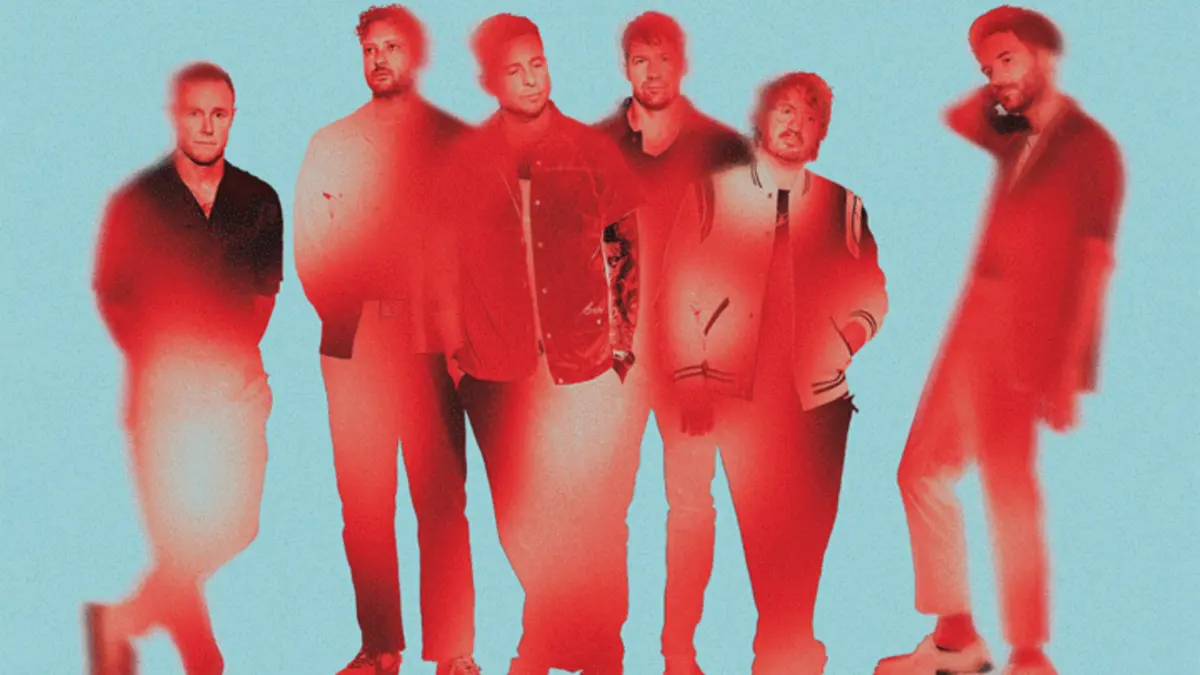
As the sweltering heat of the summer season begins to give way to the crisp, reflective transition of early autumn, pop-rock stalwarts OneRepublic have delivered their definitive seasonal closing statement. Released to global streaming platforms and radio syndicates, the band’s latest single, “Pay That Toll,” serves as a fascinating sonic paradox—combining sun-soaked, windows-down instrumentation with stark, philosophical warnings regarding the consequences of modern acceleration.
The track arrives at a fascinating juncture in the band’s storied timeline. Having recently crossed the monumental two-decade threshold since their culture-shifting mainstream breakthrough with “Apologize” in 2005 (subsequently remashed into a global juggernaut by Timbaland in 2007), OneRepublic is currently navigating a delicate equilibrium. They are simultaneously honoring their rich pop history while actively dismantling traditional album-cycle formulas in favor of agile, standalone single releases.
Following hard on the heels of their 2024 full-length studio album, Artificial Paradise, “Pay That Toll” demonstrates a band operating with renewed creative autonomy. Frontman, producer, and chief songwriter Ryan Tedder has engineered a track that works equally well as a breezy, high-velocity highway anthem and as a sobering meditation on lifestyle burnouts, personal accountability, and the inescapable toll exacted by a high-stakes life.
This comprehensive report examines the anatomy of OneRepublic’s latest release, tracking its historical context, analyzing its lyrical and production choices, and projecting how this standalone strategy fits into the broader commercial and artistic trajectory of one of the 21st century’s most enduring pop-rock institutions.
Detailed Chronology: From Colorado Springs Outposts to Global Pop Dominance
To fully comprehend the thematic weight and stylistic choices embedded within “Pay That Toll,” one must contextualize the evolutionary arc of the band that created it. The chronicle of OneRepublic is a masterclass in industry resilience, sonic adaptation, and relentless work ethic.
The Formative Years and the “Apologize” Phenomenon (2002–2007)
Formed in Colorado Springs, Colorado, in 2002 by high school friends Ryan Tedder and Zach Filkins, OneRepublic spent nearly half a decade paying their own proverbial dues within the grueling trenches of the major-label development system. Initially signed to Columbia Records, the band was famously dropped just weeks before their debut album was scheduled to ship—a crushing professional blow that would have dissolved lesser creative partnerships.
Undeterred, the collective migrated to Myspace, where they organically cultivated an unprecedented digital grassroots following, eventually becoming the platform’s number-one unsigned band. This digital prowess caught the attention of visionary hip-hop producer Timbaland, who promptly signed them to his Mosley Music Group imprint under Interscope Records.
In late 2007, the world received Dreaming Out Loud, anchored by the era-defining piano ballad “Apologize.” Remixed with a subtle electronic pulse, the track shattered global airplay records, holding the number-one spot on the Billboard Pop 100 for eight consecutive weeks and achieving multi-platinum certification worldwide. It established Ryan Tedder not merely as an emerging band frontman, but as a generational pop architect.
The Mid-Era Refinement and Global Stadium Status (2009–2023)
Rather than resting on their laurels as balladeers, OneRepublic systematically expanded their sonic palette across subsequent studio releases:
- Waking Up (2009): Introduced a more organic, cinematic, U2-inspired rock dynamic, highlighted by hits like “All the Right Moves.”
- Native (2013): Delivered a massive commercial resurgence, powered by the ubiquitous acoustic-driven anthem “Counting Stars,” which has since surpassed billions of streams across digital platforms.
- Oh My My (2016) & Human (2021): Explored deep infusions of contemporary electronic dance music, gospel textures, and acoustic-electronic hybrids.
Throughout this period, Tedder concurrently cemented his status as one of the most sought-after songwriters and producers in contemporary music, penning chart-topping hits for Taylor Swift, Beyoncé, Adele, Ed Sheeran, and Jonas Brothers. This dual identity—balancing the demands of an elite global hitmaker with the creative fulfillment of fronting a live band—has continuously informed OneRepublic’s musical output.
The Artificial Paradise Era and the Shift to Standalone Releases (2024–Present)
The release of the band’s sixth studio album, Artificial Paradise, in the summer of 2024 marked a thematic deep dive into the digital age’s alienation, escapism, and the illusion of perfection found through screens. The album yielded a slate of successful tracks, proving that the band’s commercial footprint remained remarkably robust over two decades into their career.
However, the modern music marketplace—governed by algorithmic discovery, rapid consumption cycles, and streaming playlist optimization—has encouraged legacy acts to rethink traditional three-year album wait times. Enter “Pay That Toll.” Released as a targeted seasonal statement rather than a mandatory album pre-release single, the track signals OneRepublic’s embracing of an agile release model, allowing them to capture immediate cultural moments without the constraints of a formal promotional campaign arc.
Supporting Context & Metrics: The Anatomy of a Modern Hit
In an era where the modern pop landscape is heavily dominated by Gen Z bedroom-pop auteurs, hyper-pop 실험 (experiments), and viral TikTok hooks, a traditional pop-rock outfit navigating their third decade requires strategic adaptability to maintain relevancy. An analysis of streaming metrics, lyrical themes, and production techniques illuminates how “Pay That Toll” achieves this balance.
Streaming Footprint and Audience Demographics
While exact first-week consumption figures for a standalone single fluctuate across platforms, OneRepublic commands a formidable, highly stable digital infrastructure:
- Monthly Listeners: Consistently maintaining tens of millions of monthly listeners on Spotify alone.
- Global Reach: Their core audience spans deeply across North America, Western Europe, and rapidly expanding Latin American and Asian markets—territories where melodic, hook-heavy pop-rock with cinematic arrangements continues to dominate live touring circuits.
- Legacy Sustainability: Unlike artists who experience brief, algorithmic spikes followed by swift obscurity, OneRepublic enjoys a resilient catalog value, driven by catalog anchors like “Counting Stars” and “Apologize,” which continue to pull hundreds of thousands of daily streams.
Lyrical Deconstruction: Speed, Caution, and Consequence
Lyrically, “Pay That Toll” acts as a psychological mirror for both individual lifestyle choices and systemic societal acceleration. Ryan Tedder has never shied away from injecting moral or emotional introspection into upbeat music—a juxtaposition perfected by artists like Coldplay and The Killers.
The core thesis of the song is anchored in the stark opening lines:
“Yeah, you can go fast, fast as hell / But push it too hard, you’re gonna wreck yourself.”
This automotive metaphor extends throughout the verses, serving dual meanings. On the surface, it channels the classic American road trip ethos—the thrill of the open highway, the rush of acceleration, and the visceral joy of movement. Beneath the chassis, however, lies an unmistakable allegory for modern ambition: the relentless hustle culture of the 2020s, the dangers of professional burnouts, and the spiritual or psychological toll exacted upon individuals who refuse to slow down until catastrophic failure intervenes.
Production and Instrumentation: The Brightness of Warning
Sonically, the track relies on a deliberate stylistic tension. Rather than utilizing heavy, distortion-laden guitar riffs or moody minor keys to convey a warning, producer Ryan Tedder and the band lean into a shimmering, sun-drenched pop-rock aesthetic.
- The Guitars: Clean, chorus-drenched electric guitar arpeggios evoke memories of classic 1980s heartland rock (think Tom Petty or Bruce Springsteen) blended with contemporary indie-pop production sensibilities.
- The Rhythm Section: A driving, four-on-the-floor drum beat propels the track forward, reinforcing the literal sensation of a vehicle speeding down a coastal highway.
- The Vocal Delivery: Tedder utilizes a soaring, upper-register delivery that balances urgency with effortless melodic grace, ensuring the track remains intensely radio-friendly despite its cautionary undertones.
Official Statements & Industry Perspectives
While promotional rollouts for standalone singles are frequently streamlined, insights gleaned from recent interviews, press statements, and social media disclosures by Ryan Tedder and the band provide a clear window into the artistic motivations driving “Pay That Toll.”
Speaking on the creative philosophy behind the band’s recent output, Tedder has frequently emphasized the liberating nature of breaking free from traditional album cycles. In industry roundtables, the frontman has noted:
"When you spend three years agonizing over a 12-track tracklist, you inevitably overthink the cultural moment. Music today moves at the speed of light. Writing a song on a Tuesday, finishing it on a Thursday, and sharing it with the world the following month gives you a direct, unfiltered connection to your audience that the traditional album machine simply cannot replicate."
Refining this thought specifically around the thematic inspiration of road-ready anthems that carry deeper, cautionary messages, sources close to the band’s writing camps indicate that “Pay That Toll” was conceptualized during a period of intense global touring. The constant transition from time zone to time zone, coupled with the relentless pace of managing both a band and a high-profile songwriting career, provided direct inspiration for the song’s meditation on speed and burnout.
Music industry analysts have also weighed in on the strategic brilliance of the release. Sarah Jenkins, a senior analyst at Global Music Trends, remarked:
"OneRepublic occupies a rare tier in contemporary music. They are heritage acts with modern relevance. By dropping a track like ‘Pay That Toll’ at the tail end of summer, they aren’t chasing a fleeting TikTok trend; they are reinforcing their brand identity. They are the undisputed masters of the cinematic, emotional adult-alternative pop song, and this track plays directly to their core demographic while maintaining enough contemporary sheen to satisfy playlist curators."
Future Outlook: What’s Next for OneRepublic?
As “Pay That Toll” establishes its foothold across global airwaves and digital streaming playlists, the immediate and long-term horizon for OneRepublic remains remarkably dynamic.
1. The Evolution of the Live Circuit
OneRepublic has historically been a road-tested powerhouse, spending significant portions of each calendar year traversing international amphitheaters, arenas, and major festival stages. The addition of “Pay That Toll” to their live setlists provides an immediate injection of fresh, high-energy material designed specifically for outdoor summer and autumn festival environments. Observers anticipate the track becoming a permanent fixture of their live transitions, bridging older fan favorites with their newer material.
2. The Death of the Traditional Album Cycle?
The success of standalone singles like “Pay That Toll” reinforces a broader industry trend away from monolithic 16-track albums toward continuous, episodic content drops. While Tedder has noted that the band will likely never abandon long-form bodies of work entirely, the flexibility to release thematic, timely singles between major album projects ensures OneRepublic remains perpetually visible in algorithmic feeds without fatiguing their creative well.
3. Continued Collaborative Dominance
Beyond their band commitments, Ryan Tedder’s involvement in the global songwriting ecosystem continues to expand. The cross-pollination between Tedder’s work with other superstar acts and OneRepublic’s own studio output guarantees that the band’s melodic sensibilities will remain tightly synchronized with the pulse of modern pop culture.
Conclusion
With “Pay That Toll,” OneRepublic has once again demonstrated why they have endured for over twenty years in an industry defined by fleeting moments and disposable hits. By wedding a breezy, road-ready sonic aesthetic with a sobering, reflective lyrical message about the true cost of relentless acceleration, the band has crafted a late-summer anthem that resonates far beyond the highway. As they navigate the shifting currents of the modern music business with seasoned confidence and creative agility, OneRepublic proves that they are not merely coasting on past glories—they are actively driving forward, fully aware of the road ahead.