Executive Overview
As anticipation builds for the return of the world’s most iconic greenfield music gathering, Worthy Farm has officially confirmed the ticket sale schedule for Glastonbury 2027. Following the scheduled 2026 fallow year—a traditional rest period designed to allow the land, local wildlife, and community infrastructure to recover—the festival is set to make a triumphant return. The upcoming edition will run from Wednesday, June 23, through Sunday, June 27, 2027, bringing tens of thousands of revellers back to the fields of Somerset.
However, this announcement arrives alongside a major milestone that has sparked widespread discussion across the live music industry: for the first time in the festival’s history, standard entry passes will cross the £400 barrier. General admission tickets for 2027 will cost £408, representing a notable increase from the £378.50 charged for the 2025 installment.
While the price hike reflects broader economic pressures, inflation, and soaring operational costs within the live events sector, organizers continue to defend the value proposition of the ticket. A standard ticket includes access to over 4,000 performances across more than 100 stages, five nights of camping, comprehensive medical and welfare facilities, and substantial charitable donations to environmental and humanitarian causes.
This in-depth report breaks down the official sale dates, explores the escalating economics of modern music festivals, evaluates what ticket-holders receive for their investment, and places the 2027 event within the rich historical tapestry of Worthy Farm’s legendary cultural legacy.
Detailed Chronology: Key Dates for the 2027 Ticket Sales
Securing access to Glastonbury is famously one of the most competitive exercises in live entertainment. To ensure a fair and orderly purchase process, organizers have split the ticket release into two distinct windows: coach-package bundles and general admission standard tickets. Prospective attendees must navigate a strict registration system well in advance to participate.
1. Coach-Package Tickets
- On-Sale Date: Thursday, October 1st, 2027 (Note: References to the upcoming autumn sales cycle align with the traditional timeline roughly eight months prior to the event)
- Launch Time: 6:00 PM BST
- Mechanism: These packages bundle the festival ticket with a coach journey originating from various designated hubs across the United Kingdom.
Organizers heavily promote coach packages as part of Glastonbury’s green travel mandate. Securing a coach ticket not only provides a guaranteed travel solution but often offers a slightly less chaotic alternative to the general ticket sale stampede, though demand remains exceptionally high.
2. Standard General Admission Tickets
- On-Sale Date: Sunday, October 4th, 2027
- Launch Time: Morning slot (typically 9:00 AM BST, subject to final festival confirmation)
- Mechanism: Standard tickets-only sales conducted via the official SEE Tickets portal.
Essential Preparation Steps for Buyers
Prior to accessing either sale window, every prospective buyer—including those purchasing on behalf of friends or family groups—must be pre-registered on the official Glastonbury website. Registration requires submitting full contact details and a passport-style photograph. This system was implemented years ago to combat ticket scalping, ensuring that tickets are non-transferable and printed with the holder’s face and unique registration number.
Supporting Context & Metrics: The Escalation of Festival Economics
The crossing of the £400 threshold for a standard Glastonbury ticket is not happening in a vacuum. It is the latest chapter in a decade-long trajectory of rising costs that has transformed the economics of the British live music landscape.
A Decade of Price Increases
To contextualize the £408 price tag for 2027, it is illuminating to look backward. In 2013, a standard Glastonbury ticket cost approximately £205 to £210. Over the ensuing ten to twelve years, prices have steadily climbed. Compared to the 2025 festival—where tickets were priced at £378.50—the jump to £408 represents a direct continuation of inflationary pressures. Industry analysts note that over the past decade, Glastonbury ticket prices have risen by roughly 30% to 35% overall, mirroring similar upward trends across reading, Leeds, Download, and European destination festivals.
| Festival Year | Standard Ticket Price | Key Milestone / Context |
|---|---|---|
| 2013 | ~£210.00 | Post-digital transition era; standard market baseline. |
| 2025 | £378.50 | High-profile returns including Charli XCX, The Prodigy, and Overmono. |
| 2027 | £408.00 | First time crossing the £400 mark (includes £5 booking fee). |
What Drives the Costs Up?
The mounting cost of staging Glastonbury is staggering. Organizing a temporary city for upwards of 200,000 people requires monumental logistical feats:
- Infrastructure & Security: Building secure perimeter fencing, waste management systems, temporary road networks, and advanced crowd control infrastructure.
- Artist Fees: The market for top-tier headline talent has become intensely competitive, with global superstars commanding multi-million-pound fees for festival exclusive appearances.
- Production Standards: Modern stage design, immersive lighting arrays, world-class sound engineering, and eco-friendly power grids (such as biofuel and solar installations) demand heavy capital investment.
- Stewardship and Sustainability: Maintaining Worthy Farm’s working agricultural status while hosting a massive influx of people requires year-round environmental remediation and meticulous clean-up operations led by thousands of volunteers.
Official Statements and Value Breakdown: Where Does the Money Go?
In an era where ticket pricing is frequently scrutinized by consumer advocates and music fans alike, Worthy Farm management remains transparent about the financial ecosystem underpinning the festival.
According to the official Glastonbury Festival charter, the ticket price—which for 2027 includes a £5 mandatory booking fee—serves as an all-inclusive pass to a staggering array of cultural experiences. A single ticket grants the holder:
- Entry to Worthy Farm from Wednesday morning through Monday afternoon.
- Five nights of communal tent camping across numerous distinct fields, ranging from family-focused quiet zones to the vibrant, nocturnal energy of the South-East Corner.
- Access to more than 4,000 individual performances spread across over 100 unique stages. These cover every conceivable genre, from mainstream pop, rock, and electronic music to spoken word, circus arts, theatre, cabaret, and global roots music.
- Comprehensive medical, welfare, and safeguarding services operating 24 hours a day.
Philanthropy at the Core
Crucially, Glastonbury is not structured purely for corporate profit. A significant portion of the ticket revenue—alongside proceeds from Worthy Farm’s year-round agricultural operations—is funneled directly into charitable initiatives.
The festival maintains long-standing partnerships with major global and domestic charities, including:
- Oxfam: Deploying thousands of volunteers to manage trading stalls, recycling points, and campaign booths.
- Greenpeace: Driving environmental awareness, clean energy advocacy, and waste reduction campaigns on site.
- WaterAid: Managing sanitation infrastructure and promoting access to clean water initiatives globally.
In addition to these major partners, millions of pounds are distributed annually to local Somerset charities, parish projects, and emergency international humanitarian relief funds. Festival organizers frequently emphasize that a portion of every ticket sold directly contributes to global social good.
Historical Echoes and Cultural Significance
As the festival looks toward 2027, the wider cultural ecosystem surrounding Glastonbury continues to celebrate its rich, counter-cultural history. The festival’s enduring status as a global institution is built upon decades of defining musical moments.
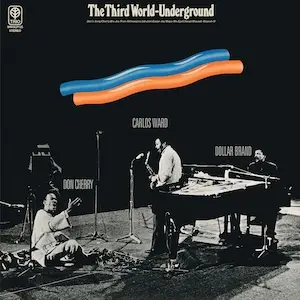
A prime example of this enduring legacy is hitting the market concurrently with the 2027 ticket announcements: London Records has announced the first-ever official vinyl and digital release of Orbital’s era-defining 1994 Glastonbury closing set on the NME Stage. That legendary performance—hailed by a then 14-year-old Emily Eavis as “the start of something new”—cemented electronic music as a foundational pillar of the festival’s musical identity, paving the way for decades of dance music dominance in areas like the Dance Village, Block9, and gen-later heavy-hitters.
This electronic heritage was prominently on display during the most recent festival cycle. Glastonbury 2025 delivered an extraordinary showcase of contemporary electronic and alternative culture, featuring acclaimed sets from pop visionary Charli XCX, electronic titans The Prodigy, genre-bending producers Overmono, Floating Points, Four Tet, Caribou, Maribou State, and legendary synthesizer pioneer Gary Numan. These performances cemented Glastonbury’s ranking at No. 9 in DJ Mag’s prestigious Top 100 Festivals poll for 2026, proving that despite changing ticket prices, the festival’s curation remains cutting-edge and fiercely relevant.
Furthermore, artistic documentation of the festival continues to capture the imagination of the public. Recent retrospectives—such as the 2026 photobook exploring the surreal, beautiful, and chaotic hours of Glastonbury revellers between 4:00 AM and 8:00 AM—illustrate that the festival is as much a sociological phenomenon as it is a music event. It is a temporary autonomous zone where community, endurance, and shared joy intersect.
Future Outlook: Looking Beyond 2027
As the live music industry adapts to post-pandemic economic realities, rising inflation, and tightening profit margins for independent promoters, Glastonbury stands as a colossus. The breaching of the £400 ticket mark is undeniably a watershed moment, prompting necessary conversations about accessibility, economic equity in the arts, and the future of large-scale cultural gatherings.
Yet, despite the financial hurdles, the demand for Worthy Farm remains unparalleled. When the ticket windows open this October, millions of users are expected to flood the virtual queues, driven by the enduring promise of discovery, community, and musical transcendence that only Glastonbury can provide.
For those planning to attend the 2027 edition, the directive is clear: check registrations early, prepare finances for the new pricing structure, and be ready when the virtual doors open on October 1st and October 4th. As Worthy Farm prepares to lie fallow in 2026 to heal its soils, the countdown to June 2027 has officially begun—and the global music community is watching.