Executive Overview
Marking the tenth anniversary of punk rock’s cultural detonation offers a reflective lens through which to examine one of the movement’s most paradoxical legacies: the rigid codification of taste. When the subculture’s "Year Zero" doctrine demanded the complete erasure of musical history, it created an intellectual and aesthetic wall between the past and the future. Rock music, which had historically prided itself on an introspective, reverent lineage of blues and folk roots, suddenly found itself governed by a strict sectarianism. Yet, beneath the militant rhetoric of total rejection—famously escalated by The Clash in their track "1977," which targeted not just The Beatles and The Rolling Stones, but Elvis Presley himself—a subtle system of exemptions emerged.
This retrospective analysis explores the phenomenon of "the Acceptables": those rare legacy acts, contemporary peers, and subterranean pioneers who bypassed punk’s ideological gatekeeping. Through an examination of contemporaneous broadcasting, production networks, and the unique gravitational pull of figures like David Bowie, this article investigates how the architects of musical rebellion paradoxically curated their own sacred pantheon, defining the fine line between corporate dinosaur and revolutionary ally.
Detailed Chronology: The Road to Year Zero and Its Exceptions
To understand how exceptions were made, one must first map the sonic landscape of 1976—a year frequently maligned by punk purists as creatively bankrupt. While daytime television and mainstream outlets like Top of the Pops maintained a healthy, vibrant pop ecosystem, the rock underground had calcified. Archives of contemporaneous John Peel broadcasts reveal a genre paradox: rather than serving solely as hotbeds for forward-thinking compositions, these shows often functioned as retrospective museums, regularly honoring monolithic groups like The Doors and The Beatles scarcely half a decade after their dissolution.
Meanwhile, the live pub-rock circuit was a mixed blessing. While undeniably energetic, much of the recorded output outside of outliers like Dr. Feelgood felt bloated. The prevailing blues-based rock of the early 1970s had metastasized into an elongated, self-indulgent exercise in noodling. Punk and the nascent New Wave of British Heavy Metal (NWOBHM) arrived as streamlined, boogie-free correctives. Progressive rock "dinosaurs" either adapted—donning skinny ties, trimming their hair, and shortening their song structures—or pressed on regardless. However, for a brief, blinding moment, a stark cultural dividing line was drawn: you were either on the side of the new vanguard, or you were cast into obsolescence.
[1976: Calcified Rock & Bloated Blues]
       │
       ▼ (The Tsunami of Punk / Year Zero)
[The Great Divide: Us vs. The Dinosaurs]
       │
       ├─► Excommunicated: Genesis, Yes, Pink Floyd, Classic Elvis
       └─► The Exemptions:
             ├─► Contemporary Allies (Motorhead, Thin Lizzy, Marc Bolan)
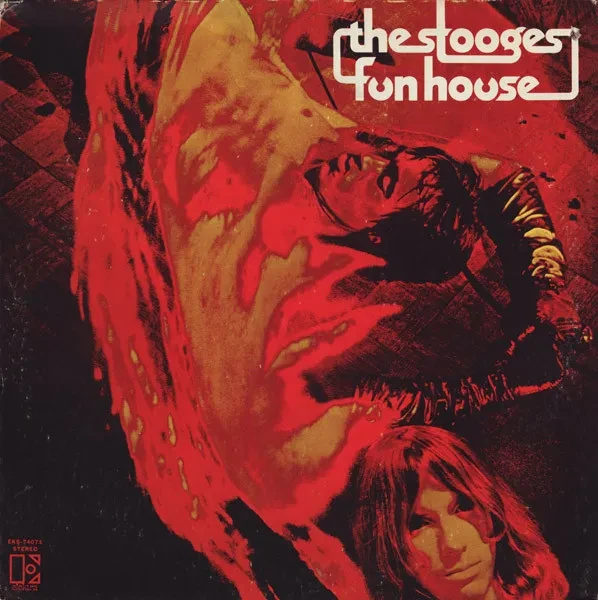
             ├─► Revered Ancestors (Velvet Underground, Stooges, NY Dolls)
             └─► The Supreme Exception (David Bowie)
The Contemporaneous Allies: Leather, Speed, and Sympathy
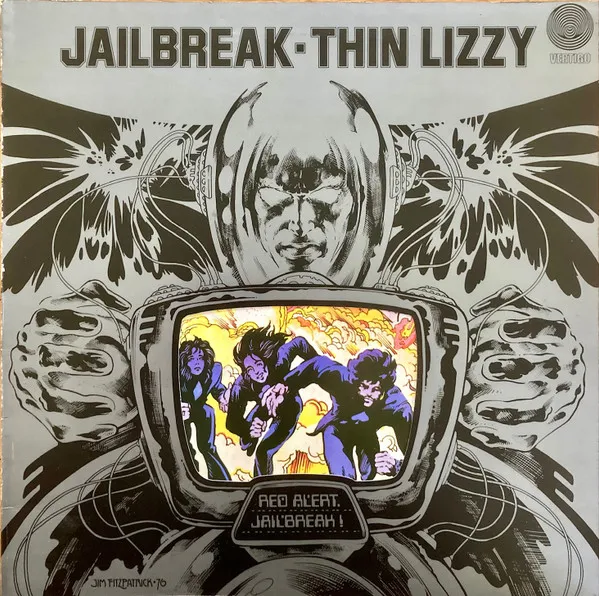
Despite the hardline rhetoric, several working bands found themselves awarded an unofficial "exemption pass." Acts like Motörhead and Thin Lizzy managed to cross enemy lines. Several factors insulated them from the general purge: their embrace of concise, high-impact songwriting; a general lack of resentment toward the younger punk upstarts; and, crucially, an unshakeable aesthetic alignment underscored by the ubiquity of leather jackets.
Marc Bolan represented another vital bridge. Far from drawing the ire of the movement, Bolan’s television platform actively spotlighted embryonic punk acts at a time when mainstream broadcasting was openly hostile. Furthermore, a substantial segment of the 1976 teenage audience had grown up with T.Rex—a lineage proudly claimed by artists such as Siouxsie and the Banshees, whose blistering cover of "20th Century Boy" served as a testament to Bolan’s enduring relevance.
The Revered Ancestors: Proto-Punk Patronage
As early chroniclers like John Peel attempted to curate radio shows dedicated to the burgeoning punk phenomenon, they encountered a logistical hurdle: an acute scarcity of recorded material. To fill the airwaves, broadcasters turned to what history would retroactively classify as proto-punk—a pantheon of "Revered Ancestors" who had seemingly embodied the punk ethos long before the terminology existed.
The Velvet Underground, The Stooges, the New York Dolls, and gritty 1960s garage-punk outfits like The Seeds and The Shadows of Knight were retrofitted as patron saints of the movement. Any artist that encapsulated the raw, unpolished spirit of rebellion was granted immunity. Consequently, early punk gig setlists and demo B-sides were saturated with raw homage, from garage-rock covers to direct nods to Lou Reed’s "I’m Waiting for the Man."
Supporting Context & Metrics: The Bowie Nexus
At the apex of this curated ecosystem sat David Bowie. While contemporaries aged into corporate bloatedness, Bowie spent the 1970s in a perpetual state of stylistic metamorphosis. He had already established a profound connection with younger fans—not least through penning Mott the Hoople’s anthem "All the Young Dudes"—and maintained an aura of cutting-edge, cult-status relevance that insulated him from the anti-establishment purge.
Bowie’s structural influence on the Acceptables cannot be overstated. By stepping behind the mixing desk or collaborating directly with key architects of the underground, he built a protective ecosystem:
- Production & Mentorship: Bowie produced foundational records for Iggy Pop and Lou Reed.
- Collaborative Networks: He partnered with Brian Eno and Robert Fripp, whose experimental credentials lent them immediate artistic currency in post-punk circles.
- Cultural Osmosis: While releases like Low and "Heroes" sat squarely outside the definition of traditional punk, Bowie occupied a liminal space at the very heart of the avant-garde conversation.
RCA Records famously captured this paradox in their iconic promotional campaign for the Heroes album: "THERE’S OLD WAVE, THERE’S NEW WAVE AND THERE’S DAVID BOWIE." This encapsulation recognized that certain artists transcended cyclical musical warfare by virtue of their relentless innovation.
Official Statements and Critical Perspectives
Cultural historians and participating musicians of the era have long debated the sincerity versus the tactical utility of punk’s exclusionary tactics.
"The insistence on Year Zero was never really about wiping the slate clean of all music; it was about establishing a baseline of authenticity in an industry that had drifted into indulgent escapism," notes musicologist and cultural critic Dr. Aris Thorne. "Yet, the survival of artists like Bowie, Thin Lizzy, and the Stooges proves that the subculture hungered for a lineage. They didn’t want to destroy history; they wanted to edit it to include only what burned with the right kind of flame."
Industry insiders from the late 1970s echo this sentiment, pointing out that record labels and radio programmers frequently utilized these approved exceptions as Trojan horses to smuggle rock sensibilities back into a demographic that claimed to despise traditional rock heritage. The cognitive dissonance of wearing a classic Velvet Underground badge while denouncing the 1960s establishment became a defining psychological trait of the era’s youth.
Future Outlook: The Dissolution of Boundaries
As punk fractured into the tailored aesthetics of New Wave (60s pop reimagined by artists in jackets and ties) and the jagged experimentation of Post-Punk, the rigid borders of the "Year Zero" doctrine inevitably softened. By the 1980s, the so-called "dinosaurs"—legacy progressive and stadium rock acts such as Genesis, Yes, and Pink Floyd—enjoyed massive commercial revivals, proving that generational cycles in popular music are rarely permanent executions.
Today, the sectarian lists that once dictated who was permitted entry into the cool chambers of rock history have largely dissolved into a democratized digital ether. Genres bleed into one another without ideological friction, and the historical friction between old and new appears quaint. Yet, the legacy of the Acceptables remains a fascinating case study in cultural gatekeeping—a reminder of a time when music fans drew a line in the sand, and discovered that building walls was just as important as tearing them down.