Executive Overview
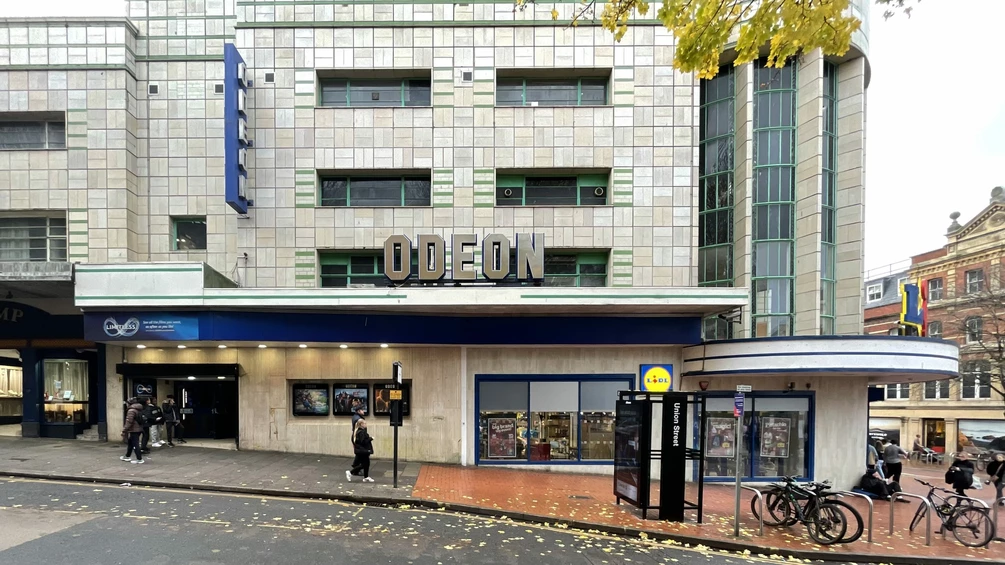
Bristol’s legendary nightlife and cultural landscape are about to undergo a radical, highly anticipated evolution. Local independent promoters and nightlife stalwarts Luke Turner and Jack Scales have officially secured a premises licence from Bristol City Council to transform the historic former ODEON cinema on Union Street into a sweeping, multi-disciplinary cultural venue.
Vacant since February of this year—when the final cinematic credits rolled on a nearly century-long run as a movie theatre—the cavernous art deco-inspired building is poised for an ambitious rebirth. Rather than falling victim to the commercial redevelopment wave currently sweeping through the heart of the South West’s cultural capital, the landmark is being rescued and repurposed to serve the city’s thriving creative community.
While the venue remains temporarily unnamed, its conceptual framework is remarkably clear. Turner and Scales intend to bridge the gap between underground electronic music culture and the broader arts sector. The multi-purpose cultural space will not only host cutting-edge electronic music events and late-night club nights, but will also function as an accessible hub for independent film screenings, live theatre productions, and community arts showcases.
Crucially, the venture comes at a pivotal time for Bristol’s city centre. Following the closure of Turner and Scales’ previous grassroots venue, The Underground—which shuttered its doors due to incoming building redevelopment—the duo are channeling their extensive operational expertise into this flagship site. Alongside their ongoing projects, including the acclaimed Saw Mills and the cult-favourite party series Alfresco Disco, the Union Street development represents a massive statement of intent: a bold declaration that Bristol’s inner city is far from dormant, and that independent nightlife operators are willing to invest heavily in its vibrant future.
With recently approved licensing permissions allowing the venue to operate until 4:00 AM Sunday through Thursday, and an impressive 5:00 AM weekend curfew on Fridays and Saturdays, the new space is primed to become a cornerstone of Bristol’s nocturnal economy. As the city continues to grapple with the pressures of gentrification, commercial development, and shifting urban demographics, the transformation of the Union Street ODEON stands as a beacon of resilience, heritage conservation, and grassroots cultural preservation.
Detailed Chronology: From 1938 Art Deco Cinema to 21st-Century Cultural Powerhouse
To fully appreciate the gravity of Turner and Scales’ new project, one must trace the architectural and cultural lineage of the Union Street site. The building’s history is deeply intertwined with the architectural evolution and cinematic golden age of Bristol city centre.
1938–2024: The Cinematic Era
First opening its doors to the public in 1938, the Union Street cinema was a quintessential product of its era—a glowing bastion of escapism designed during the interwar period when picture palaces were architectural wonders meant to elevate the everyday working-class experience. Featuring grand proportions, classic art-deco flourishes, and a layout engineered to handle high volumes of foot traffic, the building quickly became a beloved fixture of Bristol’s urban fabric.
Over the decades, ownership shifted, and the site eventually fell under the stewardship of the national ODEON chain. For generations of Bristolians, the Union Street ODEON was the destination of choice for first-date blockbusters, rainy afternoon matinees, and cinematic milestones. However, like many traditional high-street cinemas across the United Kingdom, the venue faced mounting pressures in the 21st century. Changing consumer habits, the rise of out-of-town multiplexes, streaming services, and the severe economic disruptions of the post-pandemic era ultimately spelled the end for the historic location.
In February 2024, the cinema officially screened its final film, plunging the landmark into a state of architectural limbo. In an era when historic buildings in city centres are routinely gutted, demolished, or converted into sterile corporate offices or luxury student accommodation, the future of the Union Street property looked precarious.
The Transition: The Fall of The Underground and the Birth of a Vision
While the cinematic chapter of the building was closing, another vital narrative in Bristol’s nightlife was reaching a forced conclusion. Luke Turner and Scales had spent years building a formidable reputation as community-driven promoters, notably helming The Underground—a celebrated grassroots venue that served as a crucible for local electronic music talent, underground club nights, and counter-cultural expression.
However, the relentless march of urban development caught up with The Underground. Faced with incoming structural redevelopments that rendered their previous home untenable, Turner and Scales found themselves at a crossroads. Rather than scaling back their operations or retreating from the city centre, the duo pivoted toward a much more ambitious horizon.
Recognizing the untapped potential of the vacant Union Street ODEON, Turner and Scales initiated discussions with property owners and local authorities. They saw past the peeling paint and dormant concession stands, identifying an architectural masterpiece whose bones were already ideally suited for large-scale public entertainment. The soaring ceiling heights, compartmentalized screening rooms, expansive foyer spaces, and robust structural integrity meant the building was, in their own words, "almost fit for purpose already."
Securing the Licence: The Bristol City Council Hearing
The pivotal turning point in this ambitious heritage rescue mission occurred last week during a decisive Bristol City Council licensing sub-committee hearing. Navigating the complex bureaucratic landscape of modern municipal licensing is notoriously difficult, particularly for venues proposing late-night entertainment in city-centre locations subject to strict cumulative impact policies.
Nevertheless, Turner and Scales presented a robust, professional case that satisfied the local authority. The licensing sub-committee officially approved a premises licence that grants the venue extraordinary operational flexibility. Under the newly ratified terms, the space is permitted to stay open until 4:00 AM from Sunday through Thursday, and until an impressive 5:00 AM on Friday and Saturday nights.
This extended-hours framework is a crucial victory for the promoters. In an economic climate where late-night venues are frequently hamstrung by early curfews, having the legal latitude to host extended electronic music events and multi-disciplinary showcases well into the early morning hours ensures the venue can compete on a regional and national level.
Supporting Context & Metrics: The State of Bristol’s Nightlife and Cultural Economy
The launch of the Union Street venue does not occur in a vacuum. It arrives at a critical juncture for Bristol—a city globally renowned for its rich musical heritage, from the legendary "Bristol Sound" of the 1990s (pioneered by Massive Attack, Portishead, and Tricky) to its status as a contemporary crucible for drum and bass, dubstep, bassline, and techno.
The Cultural Footprint of South-West Raving
Bristol’s nightlife is not merely a commercial sector; it is a fundamental pillar of the city’s cultural identity and economic engine. Venues like the iconic Motion Bristol have spent decades shaping generations of South-West ravers, drawing international tourists, fostering creative communities, and launching the careers of world-class DJs, producers, promoters, and visual artists.
However, this ecosystem has faced unprecedented headwinds in recent years. Post-pandemic economic recovery has been sluggish, exacerbated by skyrocketing energy costs, inflation, and a cost-of-living crisis that has squeezed both punters and operators. Furthermore, the relentless pressures of gentrification—often manifested in residential developments being approved near historic music venues, leading to noise complaints and eventual closures—have threatened to sanitize the city’s gritty, creative core.
Navigating Safety and Municipal Partnership
Amid these challenges, the local independent sector has continually fought to protect its spaces. Earlier this year, a coalition of Bristol venues and cultural operators urgently called upon the city council to maintain its vital partnership with Bristol Nights, the city’s premier safeguarding and nightlife advocacy initiative.
Bristol Nights plays an indispensable role in ensuring that venues remain safe, inclusive, and well-managed, coordinating initiatives like the ‘Nightwatch’ radio network, anti-harassment training, and proactive welfare policies. For a multi-disciplinary venue aiming to operate deep into the night—hosting diverse crowds ranging from underground techno enthusiasts to theatregoers—integrating robust safety, welfare, and safeguarding frameworks from day one will be paramount. Turner and Scales enter the landscape with a deep understanding of these community expectations, having spent years fostering safe, inclusive spaces within Bristol’s grassroots circuit.
Economic Impact and Urban Regeneration
From an urban planning perspective, the adaptive reuse of the Union Street ODEON serves as a masterclass in sustainable city-centre revitalization. Rather than clearing land for new construction—a carbon-heavy and culturally disruptive process—the project breathes new life into an existing architectural asset.
By injecting a diverse programme of electronic music, independent film, and theatre back into a dormant city-centre hub, the project promises to:
- Drive Footfall: Generate consistent evening and nighttime foot traffic, supporting local hospitality businesses, bars, and transport networks.
- Diversify the Offering: Counteract the mono-cultural commercialization of high streets by providing a genuine, independent cultural alternative.
- Retain Creative Talent: Provide a professional, large-scale platform for local DJs, promoters, theatre companies, and independent filmmakers who might otherwise be priced out of traditional commercial venues.
Official Statements and Vision: "Bringing Vibrancy Back to the City Centre"
The ethos driving the Union Street project is rooted firmly in community ownership, creative collaboration, and a profound respect for Bristol’s cultural DNA. In an exclusive interview with Bristol24/7, founders Luke Turner and Scales articulated their core mission for the space.
"We want to add something into Bristol for the people of Bristol, just something that will really add to the Bristol culture," Turner and Scales shared with Bristol24/7.
"It’s such a unique space to have a music venue. It’s an amazing building and it’s almost fit for purpose already."
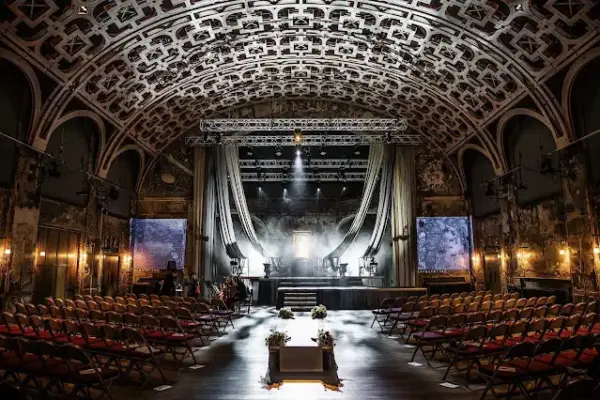
This sentiment reflects a deep affection for the architectural character of the 1938 building. Unlike purpose-built industrial warehouses or sterile contemporary hospitality boxes, the former ODEON possesses inherent theatricality. The grand staircases, sweeping entrance foyers, and multi-tiered screening auditoriums lend themselves naturally to immersive theatrical productions, multi-room electronic music takeovers, and cinematic events where the environment itself enhances the audience experience.
Furthermore, the promoters’ transition from running The Underground to spearheading this monumental city-centre venue signals a maturation of Bristol’s independent promotion sector. Promoters who cut their teeth in grassroots, sweat-soaked basement venues are now stepping up to steward landmark civic properties, proving that independent operators can successfully scale their operations without losing their counter-cultural authenticity.
Future Outlook: What Lies Ahead for Union Street
As the ink dries on the newly approved premises licence, the anticipation surrounding the Union Street venue is reaching a fever pitch across the South West. While the official venue name and the exact grand opening date remain tightly under wraps, public disclosures indicate that more comprehensive information will be released in the coming months.
Immediate Milestones and Development Roadmap
- Infrastructure and Acoustic Optimization: While the building’s layout is largely "fit for purpose," retrofitting a 1930s cinema for high-powered electronic music sound systems and complex theatrical lighting rigs requires meticulous acoustic engineering and structural adaptation. Ensuring sound leakage is strictly managed will be essential for maintaining positive relations with local planning authorities and neighbouring stakeholders.
- Programming and Curator Partnerships: Beyond the foundational efforts of Turner, Scales, and their existing projects (Saw Mills and Alfresco Disco), the venue is expected to collaborate with a wide array of Bristol-based promoters, collectives, and arts organizations. The multi-disciplinary mandate means that programming will likely rotate fluidly between immersive club nights, ambient listening sessions, indie film festivals, and fringe theatre.
- Staffing, Welfare, and Safety Integration: True to Bristol’s progressive nightlife ethos, the leadership team will undoubtedly prioritize comprehensive staff training, welfare provisioning, and alignment with safety initiatives like Bristol Nights to guarantee a welcoming environment for all patrons.
Conclusion: A New Chapter for Bristol’s Cultural Identity
The transformation of the Union Street ODEON is far more than just the launch of another nightclub or arts space; it is a vital test case for the resilience of independent culture in modern British cities. At a time when historic venues face existential threats from commercial development and economic headwinds, the courage and vision of Luke Turner and Jack Scales offer a powerful counter-narrative.
By rescuing a cherished 1930s landmark, securing flexible late-night licensing, and committing to a diverse, multi-disciplinary cultural programme, the team is setting a new benchmark for urban nightlife regeneration. As Bristol awaits the official unveiling of the venue’s name and opening date in the coming months, one thing is certain: the heartbeat of Bristol’s city centre is about to beat louder, deeper, and more vibrantly than ever before.