Few global urban centers have shaped the modern musical landscape with the persistent, metamorphic energy of London. For generations, the British capital has operated as a cultural petri dish—a dynamic intersection where diverse immigrant communities, indigenous working-class movements, and avant-garde subcultures collide, interweave, and give birth to entirely new sonic ecosystems.
From the foundational reggae and sound-system culture brought to Britain by the Windrush generation to the explosive, anti-establishment fury of 1970s punk, and onward to the subterranean realms of jungle, garage, grime, and electronic experimentation, London’s musical DNA remains in a state of constant, vital evolution. The city’s physical infrastructure—its labyrinthine record stores, pirate radio transmissions, sticky-floored clubs, and independent grassroots venues—has provided the scaffolding for these countless cultural Renaissances to flourish.
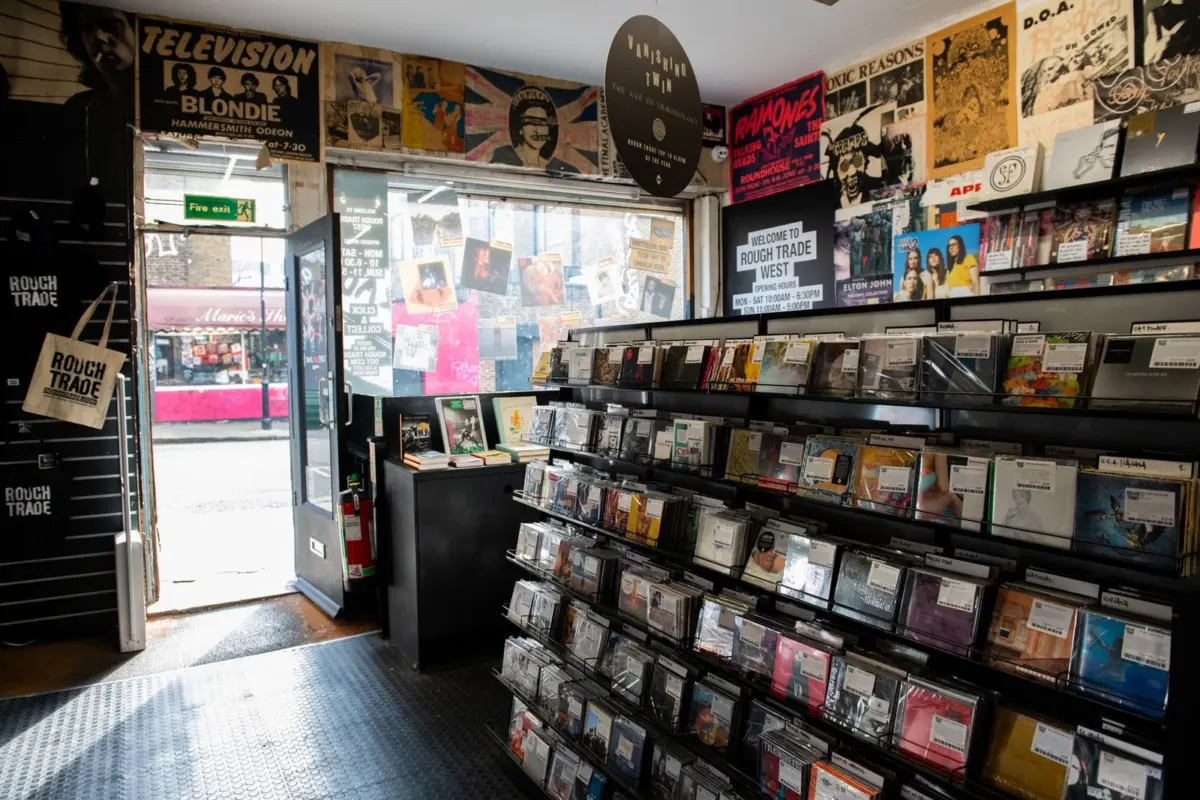
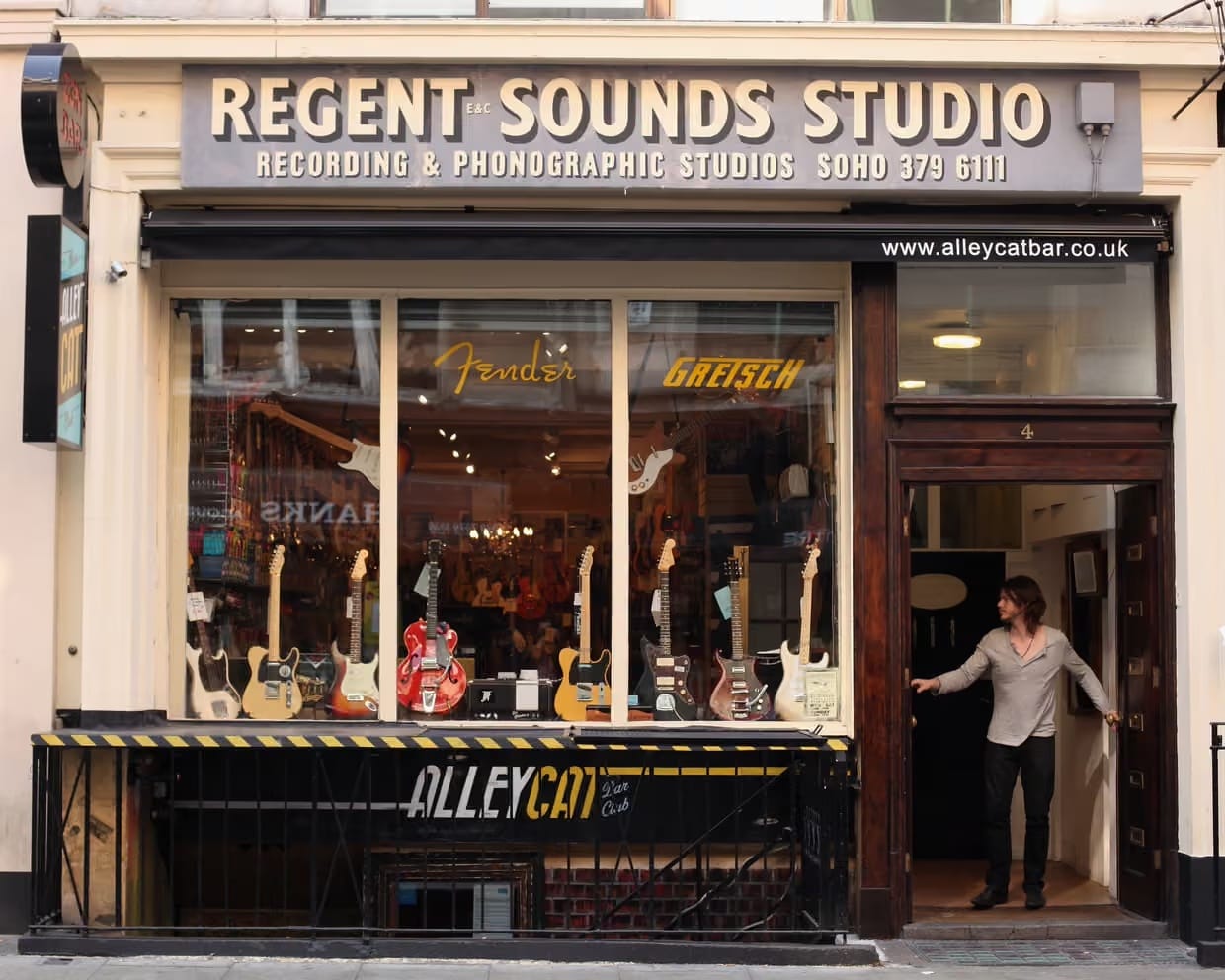
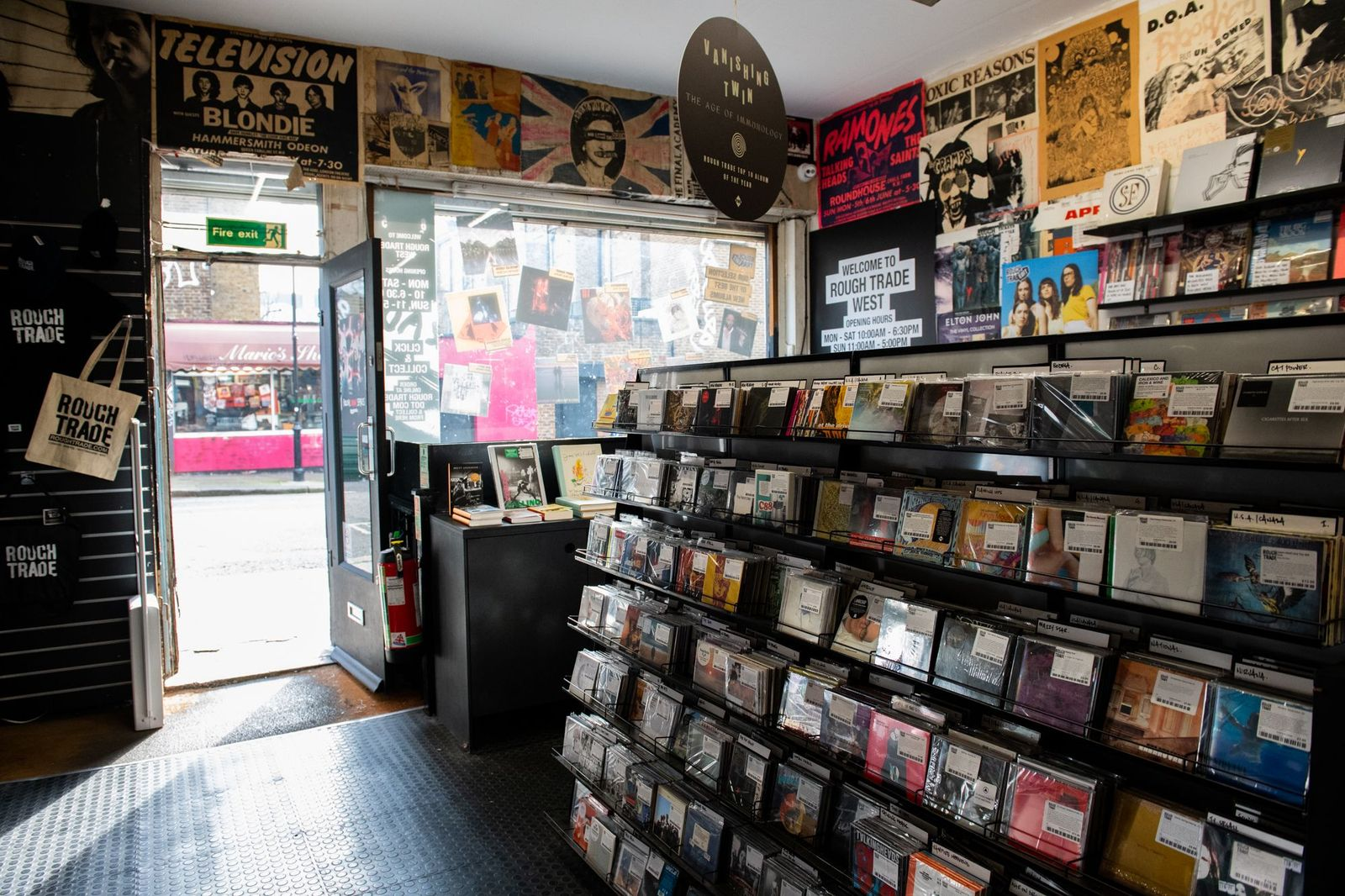
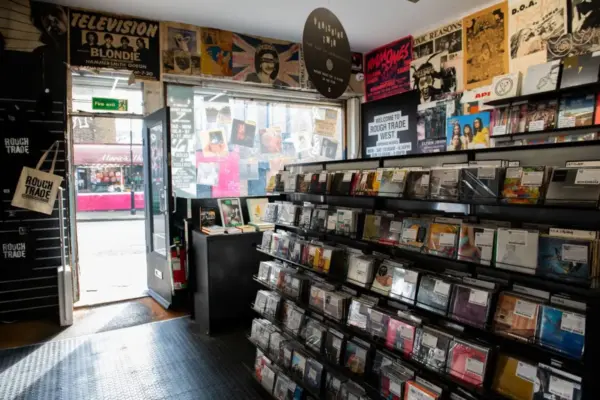
It was precisely within this fiercely independent landscape that Rough Trade first opened its doors in West London in 1976, right at the epicenter of the punk explosion. What began as a modest independent record shop on Kensington Park Road evolved into an international nexus for artists, labels, and listeners, weaving a global community of music enthusiasts. Continuing this deep-rooted tradition, Rough Trade expanded to Soho’s historic Denmark Street—affectionately known as "Tin Pan Alley"—in 2024, joining a storied thoroughfare whose musical lineage stretches seamlessly from early-century music halls to rock, pop, and punk.
To capture the monumental breadth of this cultural history, the staff at Rough Trade have meticulously curated an expansive, chronological inventory: 100 Songs About London. Spanning an entire century from 1924 to 2026, this exhaustive list traces the socio-political, economic, and atmospheric shifts of the capital through the eyes, instruments, and voices of its most perceptive chroniclers.
Detailed Chronology: A Century of London in Sound
The sprawling playlist, available for streaming across platforms like Qobuz and Spotify, functions as an auditory time capsule. It maps the changing topography of London streets, public transport networks, housing estates, and local pubs across ten decades.
1924–1960s: Music Halls, Post-War Romanticism, and the Birth of Pop Culture
Stanley Holloway – London Town (You Haunt Me) (1924): A haunting piece of music hall history from a performer whose career bridged pre-WWI variety shows and late-century television. Famously sampled by The Caretaker in 2008, it establishes an early, melancholic architectural blueprint for songs about the capital.
Vera Lynn – A Nightingale Sang in Berkeley Square (1940): An evocative, timeless ballad chronicling a wartime romance set against the opulent backdrop of Mayfair.
Lord Kitchener – London Is the Place for Me (1948): Captured live upon the arrival of the Windrush generation, this calypso classic encapsulates the mixed anxieties and high hopes of Caribbean immigrants stepping off the boat to build a new life in Britain.
Flanders and Swann – A Transport of Delight (1956): A breathless, whimsical tribute to the iconic London double-decker bus, born from the theatrical revue At the Drop of a Hat.
Max Bygraves – Fings Ain’t Wot They Used t’Be (1960): A satirical rock-and-roll number penned by Lionel Bart, bemoaning the shifting, commercialized landscape of early-1960s Cockney culture.
Petula Clark – A Foggy Day (1965): A swinging, mod-inflected take on the Gershwin standard set at the British Museum, transitioning from brooding verses into an explosive, joyful final chorus.
Donovan – Sunny Goodge Street (1965): A lyrical snapshot of Fitzrovia that juxtaposes the bohemian romance of urban life with its underlying, sharp-edged violence.
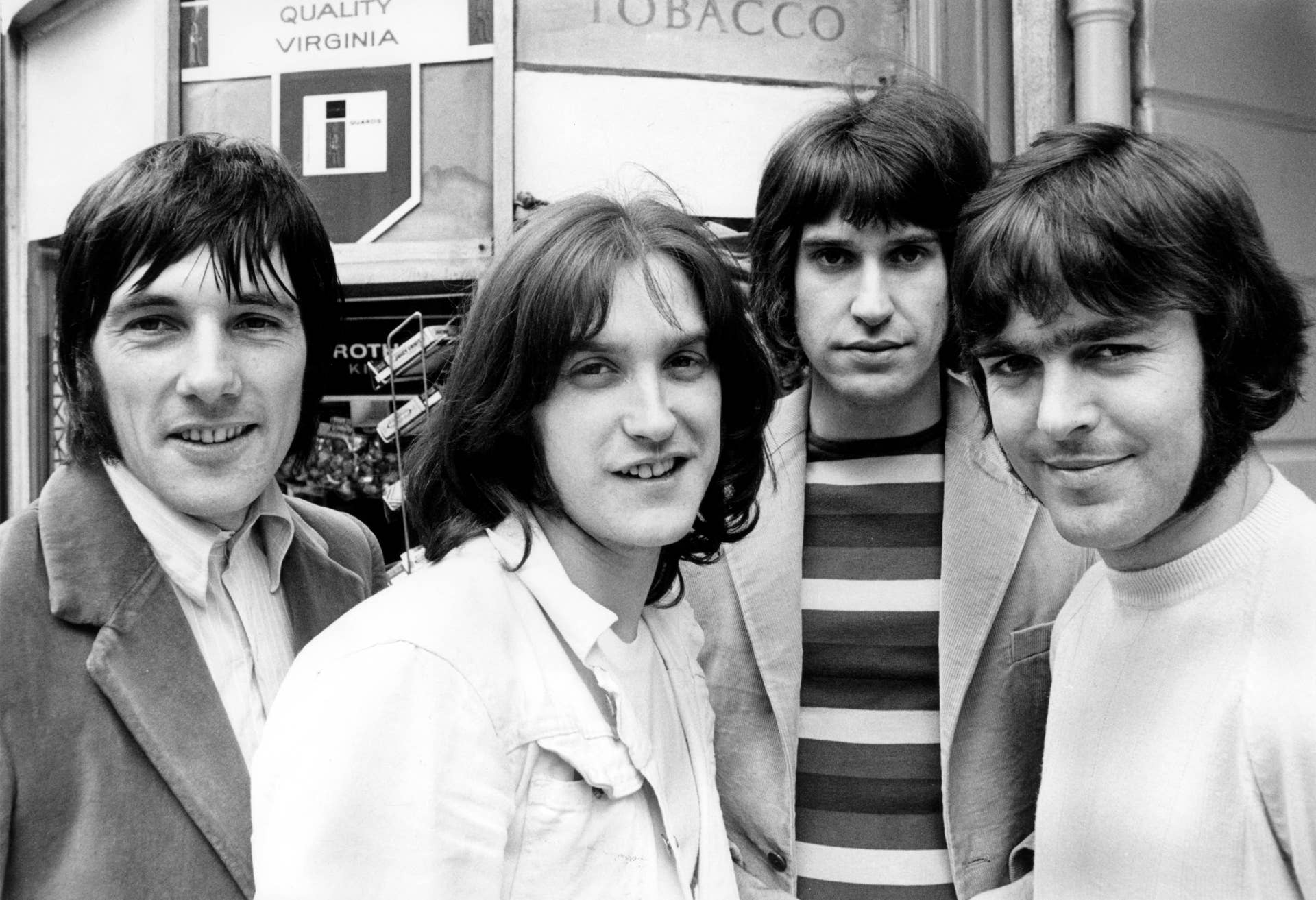
The Kinks – Waterloo Sunset (1967): Written by Ray Davies while recovering in St. Thomas’ Hospital overlooking Waterloo, this is widely regarded as one of the most sublime compositions in the English language, capturing quiet observation amid urban isolation.
Small Faces – Itchycoo Park (1967): Steve Marriott’s psychedelic ode to East London’s green spaces (inspired by Little Ilford Park and Wanstead Flats), blending youthful escapism with undeniable Cockney soul.
Billy Nicholls – London Social Degree (1968): A baroque-pop masterpiece recorded at Olympic Studios, featuring an all-star cast of supporting musicians including members of the Small Faces and John Paul Jones of Led Zeppelin.
1970s–1980s: Punk Fury, Social Tensions, and Dancefloor Revolutions
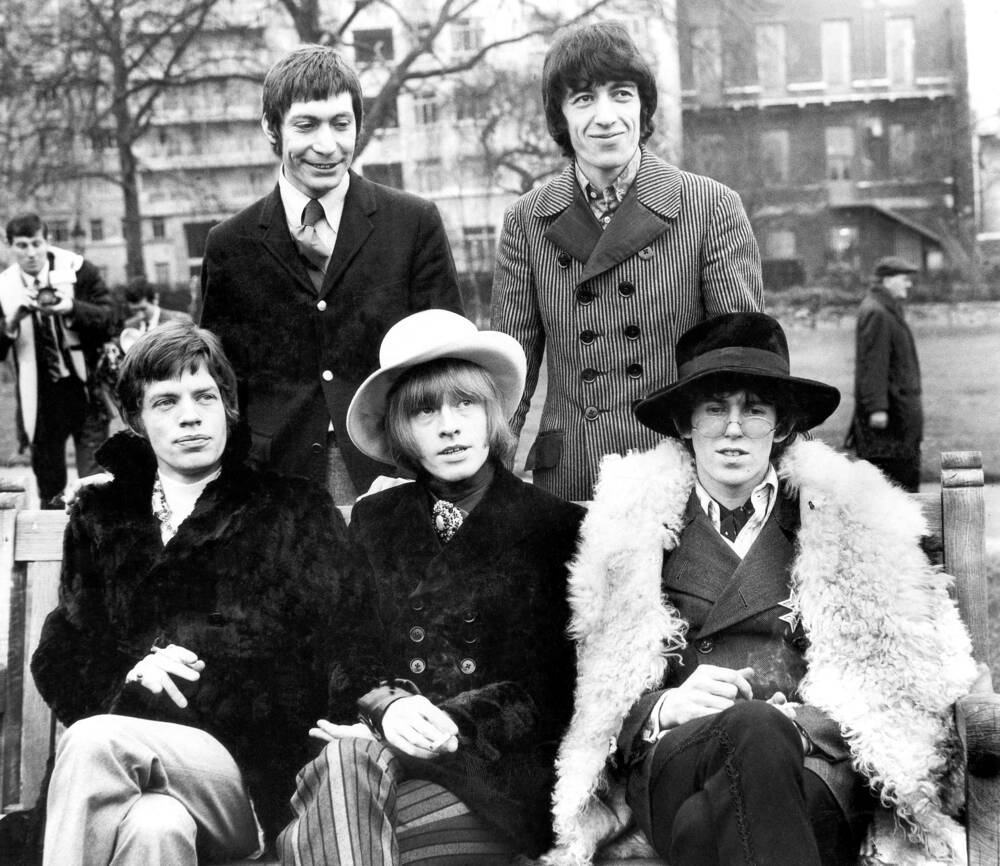
The Rolling Stones – You Can’t Always Get What You Want (1969): Immortalizes the Chelsea Drugstore on King’s Road—a three-story countercultural palace that later served as a filming location for Stanley Kubrick’s A Clockwork Orange.
Junior Murvin – Police and Thieves (1976): Chronicling the palpable racial tensions that boiled over at the 1976 Notting Hill Carnival, a track later immortalized by punk icons The Clash.
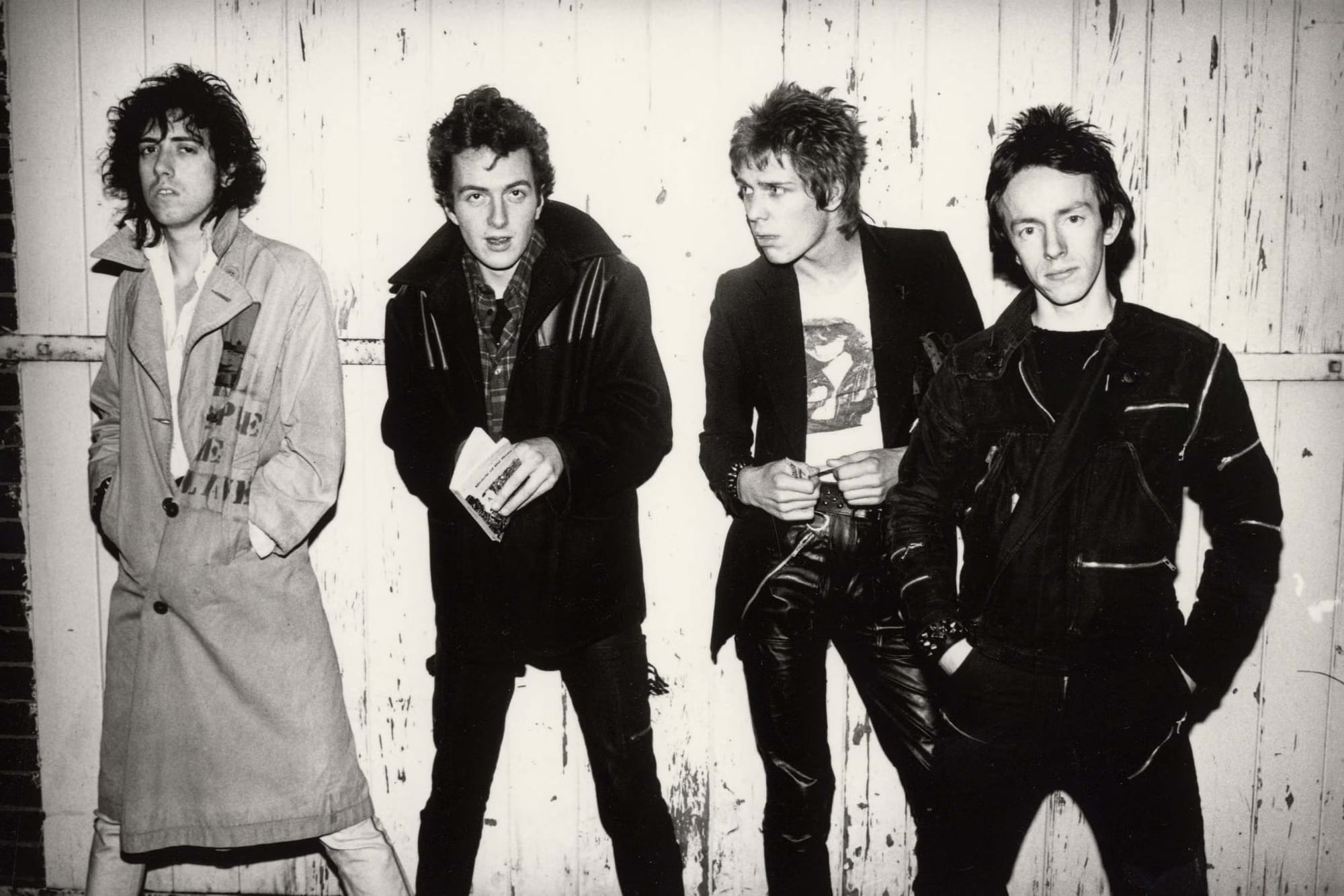
The Clash – (White Man) In Hammersmith Palais (1978): Joe Strummer’s razor-sharp critique of the music industry’s appropriation of reggae and the rising threat of fascism on London streets.
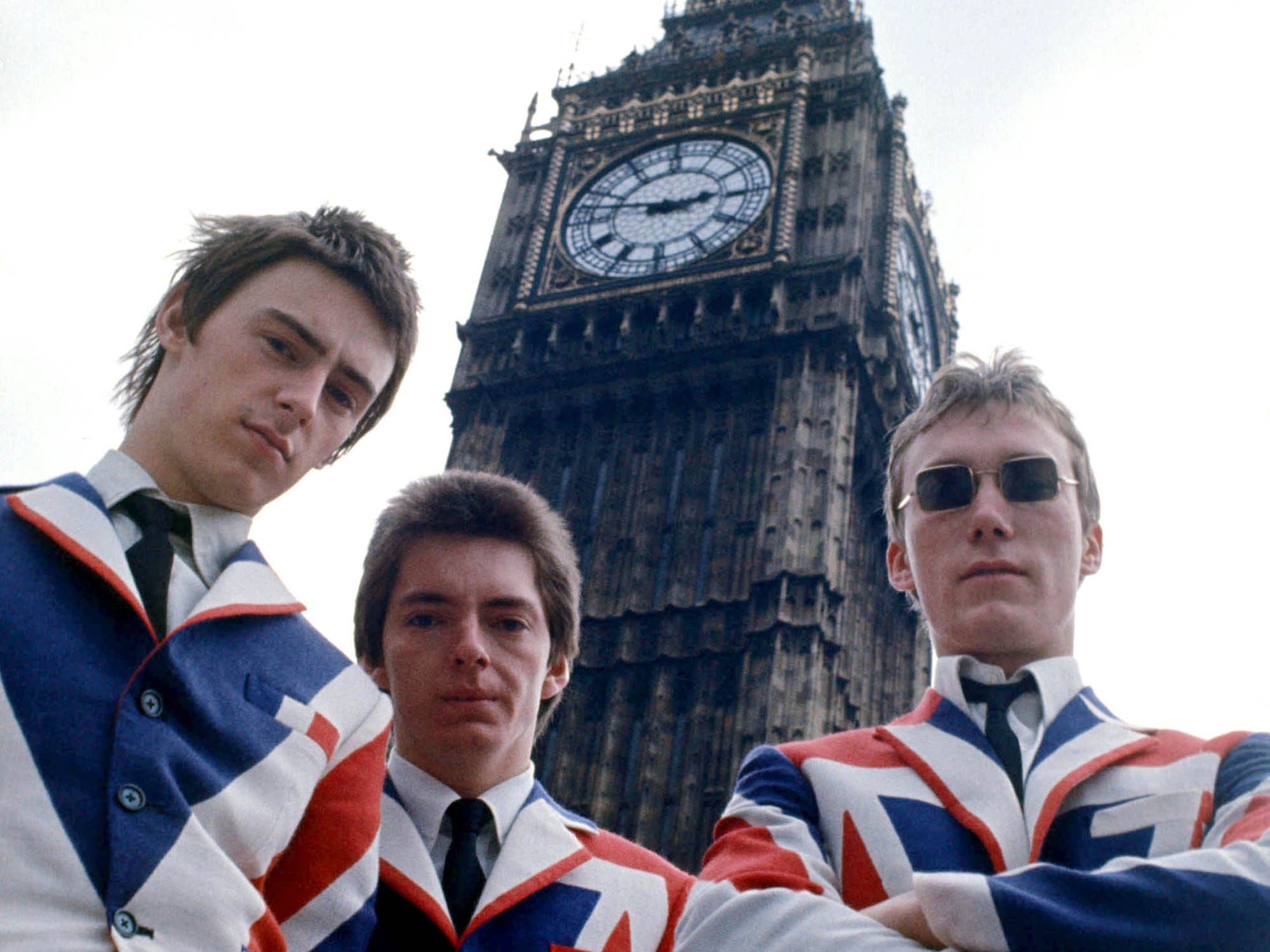
The Jam – Down in the Tube Station at Midnight (1978): Paul Weller’s cinematic, claustrophobic narrative of underground transit, capturing the rising tide of urban paranoia and late-70s societal fracture.
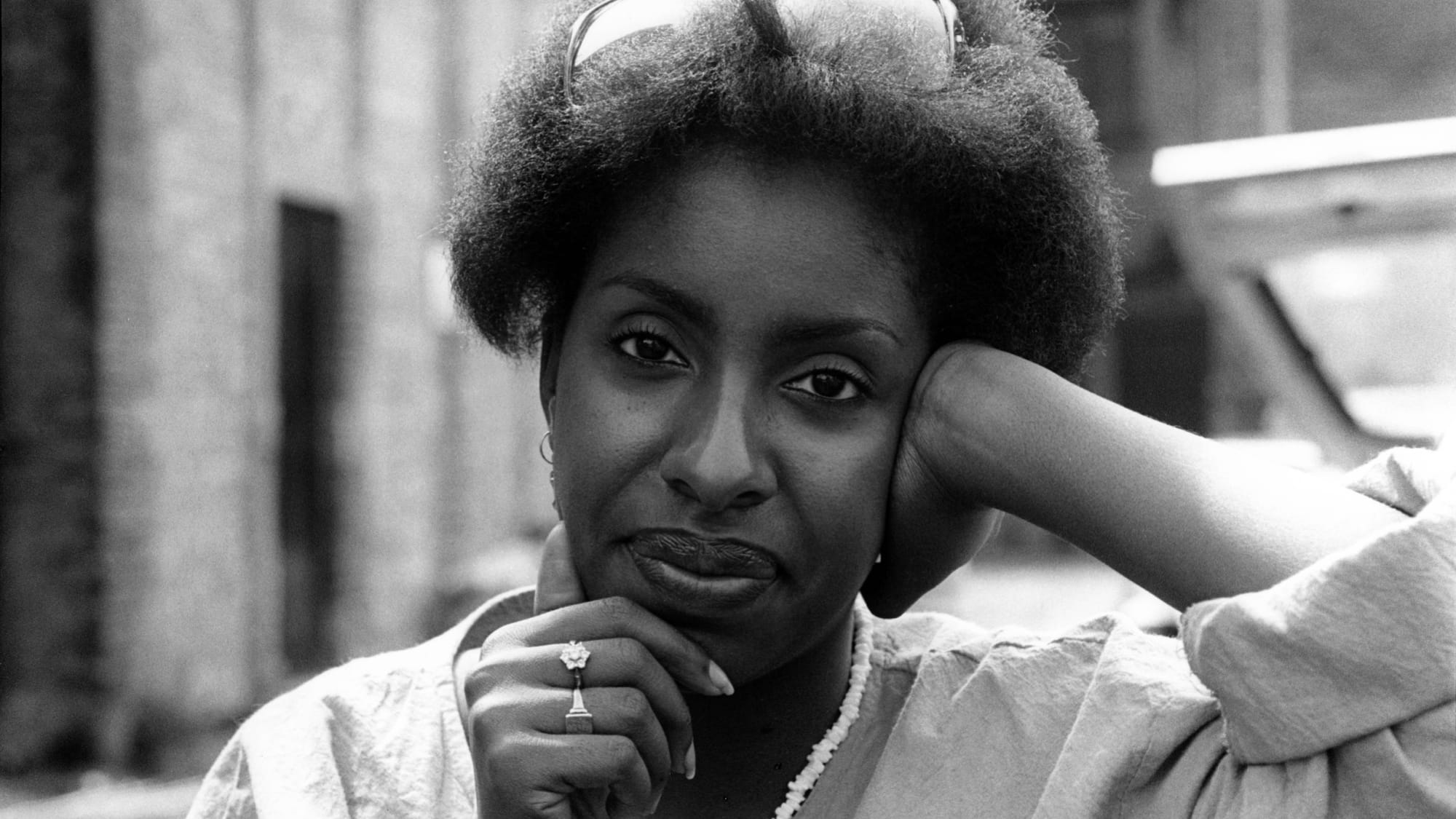
Janet Kay – Silly Games (1979): Produced by Dennis Bovell, this foundational Lovers Rock anthem made chart history when Janet Kay became the first British-born Black female artist to reach the UK top ten.
Eddy Grant – Electric Avenue (1982): An irresistibly upbeat yet socially urgent protest anthem focusing on working-class survival and structural unrest in South London.
Pet Shop Boys – West End Girls (1984): A dark, synth-heavy nocturnal masterwork contrasting the grit of the inner city with the glittering aspiration of the West End.
Smiley Culture – Cockney Translator (1984): A brilliant dancehall crossover that cheekily bridges Jamaican patois and traditional Cockney slang, celebrating the multicultural fabric of the capital.
1990s–2000s: Cool Britannia, Pirate Radio, and Indie Sleaze
Sinéad O’Connor – Black Boys on Mopeds (1990): A devastatingly honest folk protest song stripping away the sanitized veneer of "Cool Britannia" to expose uncomfortable truths regarding state power and police brutality.
Flowered Up – Weekender (1992): An epic, 17-minute indie-dance crossover tracking the hedonistic highs and inevitable crashes of the early-90s Madchester and London club scene.
Blur – For Tomorrow (1993): A bittersweet Britpop portrait of urban malaise, steering listeners away from the tourist traps and up to the windswept vistas of Primrose Hill.
The Streets – Has It Come to This? (2001): Mike Skinner’s conversational, 2-step infused manifesto that mapped the nocturnal routines, council estates, and weekend rituals of modern working-class youth.
The Libertines – Time for Heroes (2002): A chaotic, romanticized dispatch from the squalid, poetry-filled bohemian underground of early-2000s North London.
Amy Winehouse – You Know I’m No Good (2006): A soul-drenched, brutally frank anthem for a messy night out in Camden and Kentish Town, cementing Winehouse’s immortal status in London’s musical pantheon.
Skepta – Postcode Wars (2007): An early, vital dispatch from the vanguard of grime, highlighting the territorial fractures and survival instincts of North London youth culture.
2010s–2026: Contemporary Landscapes, Gentrification, and Sonic Fusion
Joshua Idehen & LV – Northern Line (2011): A jazz-inflected spoken-word journey utilizing the stops of London’s oldest underground artery as a springboard for witty urban commentary.
Kano – T-Shirt Weather in the Manor (2016): A celebratory, multi-layered reflection on East London heatwaves, community resilience, and the rapid pace of gentrification in Newham.
Little Simz – 101 FM (2018): A nostalgic, razor-sharp homage to the pirate radio stations and council estate upbringings that birthed the modern UK rap elite.
Dave – Streatham (2019): A deeply introspective and piano-driven personal history of growing up in South London, unpacking identity, systemic pressure, and local pride.
Yussef Dayes – Crystal Palace Park (2023): An atmospheric, genre-defying jazz meditation featuring cascading keys and dub textures, paying direct homage to the South London parks of the drummer’s youth.
RAYE – Nightingale Lane (2026): A recent addition to the London songbook, blending contemporary soul with historical heartbreak commemorated by a local South London blue plaque.
Supporting Context & Metrics
To understand why London continues to inspire such prolific artistic output, one must examine the economic and cultural infrastructure sustaining it. According to recent data from UK Music and the Mayor of London’s office:
Economic Impact: The capital’s live music sector contributes billions annually to the UK economy, driving tourism, hospitality, and creative industries.
Grassroots Venues: Despite facing persistent threats from post-pandemic recovery pressures and aggressive real estate development, over 300 independent grassroots music venues operate across London’s 32 boroughs.
Cultural Diversity: Over 300 languages are spoken in London daily, a linguistic and cultural plurality directly mirrored in the evolution of its musical subgenres—from calypso and punk to dubstep, grime, and Afro-swing.
Official Statements
Reflecting on the cultural significance of music within the capital, industry figures have consistently emphasized the symbiotic relationship between urban geography and artistic creation:
"London is a musical petri dish where different cultures, communities, and sounds grow together, their roots and identities interweaving. From the reggae and soundsystem culture of the Windrush generation to the punk explosion and modern electronic scenes, the city’s musical DNA is constantly evolving."
— Rough Trade Editorial Team
"When you walk these streets, you aren’t just walking through concrete and history; you are walking through decades of accumulated sound. Every tube line, every market stall, and every pub has a melody attached to it."
— Archival Staff, Rough Trade East
Future Outlook
As London hurtles toward the latter half of the 2020s, its sonic landscape faces both unprecedented challenges and vibrant renewal. While rapid gentrification, rising operational costs for independent venues, and noise abatement legislation threaten the underground spaces where raw subcultures are born, the city’s creative resilience remains unbroken.
The emergence of boundary-pushing artists—from hyperpop producers like Ninajirachi to jazz innovators like Yussef Dayes and poetic lyricists like Little Simz—proves that the well is far from dry. As new communities settle in the capital and economic realities shift, Londoners will continue to document their environment through rhythm and rhyme. The 100 songs curated by Rough Trade serve not as a closed chapter, but as an ongoing, living manifesto for a city that refuses to stop singing.