Executive Overview
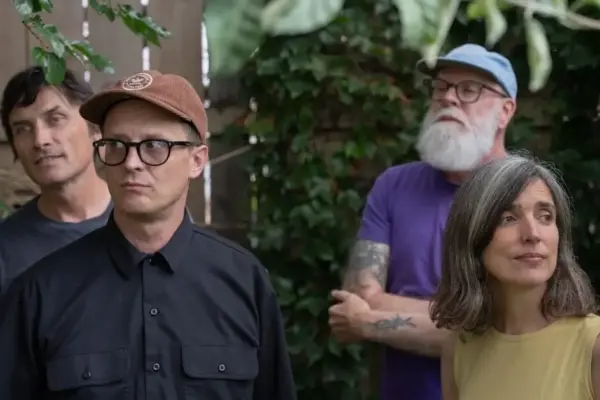
In the modern music industry, the trajectory from obscurity to global arena status typically requires years of calculated label backing, iterative touring, and a highly polished promotional machine. However, the Puerto Rican indie quartet Chuwi has bypassed this traditional paradigm entirely. Before releasing their debut studio album, the band—comprised of siblings Willy, Lorén, and Wester Aldarondo Torres, alongside percussionist Adrián López Soto—found themselves performing in front of tens of thousands of fans across multiple continents.
Originating as a pandemic-era bedroom project in the coastal municipality of Isabela, Puerto Rico, Chuwi’s fortunes shifted dramatically when they caught the attention of global megastar Bad Bunny. Their feature on the track "Weltita" from Bad Bunny’s monumental 2024 album Debí Tirar Más Fotos served as a cultural catalyst. This collaboration propelled the young group into a year-long world tour as Bad Bunny’s sole opening act, performing across Latin America, Australia, and Europe, before concluding with a historic, sold-out two-night finale at San Juan’s Hiram Bithorn Stadium.
What makes Chuwi’s rapid ascent notable is not merely the scale of their sudden exposure, but their refusal to compromise their artistic identity. Rooted in traditional Caribbean genres like plena and salsa, yet infused with ’80s Spanish synth-pop, indie rock, and modern electronic textures, Chuwi has emerged as a distinct voice of socio-political consciousness. By using their massive platform to highlight the everyday struggles of the Puerto Rican populace—ranging from systemic economic instability to the preservation of cultural heritage—the quartet is redefining what it means to be a contemporary Latin crossover act.
Detailed Chronology
[2020: Pandemic Genesis]
   │  Siblings Willy, Lorén, and Wester record hazy R&B in their parents' Isabela bedroom.
   ▼
[Late 2021: Live Transition]
   │  First live gig offer; Mayagüez-born percussionist Adrián López Soto joins the lineup.
   ▼
[2022–2024: Foundation & Local Growth]
   │  Release of EPs 'Pan' (2022) and 'Tierra' (2024) establishes Chuwi in PR's local indie circuit.
   ▼
[Mid-2024: The Bad Bunny Catalyst]
   │  Featured on "Weltita" from Bad Bunny’s 'Debí Tirar Más Fotos'; launched into global visibility.
   ▼
[2025–2026: The Global Arena Tour]
   │  Acts as sole opener on Bad Bunny's world tour; ends with a massive homecoming at Hiram Bithorn Stadium.
   ▼
[Late 2026: Debut Album Release]
   │  Scheduled release of their highly anticipated debut LP, completing their conceptual trilogy.
2020–2021: The Pandemic Genesis in Isabela
Chuwi began in the isolation of the COVID-19 pandemic. In the northwest municipality of Isabela, Puerto Rico, siblings Willy, Lorén, and Wester Aldarondo Torres sought a creative outlet to navigate the global lockdown. Lacking access to professional recording spaces, they transformed their parents’ bedroom into a makeshift studio.
During this period, the trio experimented with hazy R&B and downtempo sounds, culminating in their debut track "Somnia." The track’s cover art featured their family dog, Chewie—a puppy brought home by their sister Álani. When uploading the song to streaming platforms, the band realized they lacked an official name. Spotting the dog asleep on their parents’ bed, Wester proposed "Chuwi," adjusting the spelling to give the Star Wars-inspired moniker a distinctly Hispanic aesthetic.
The project remained strictly studio-bound until late 2021, when they received their first invitation to perform live. Recognizing the need to translate their electronic bedroom productions into a dynamic live performance, they recruited Mayagüez native Adrián López Soto as their percussionist, solidifying the quartet’s lineup.
2022–2024: The EP Trilogy and Local Ascendancy
With López Soto’s percussion adding organic texture to their sound, Chuwi began shifting from electronic R&B toward traditional Latin and Caribbean rhythms. They released their debut EP, Pan, in 2022, which introduced audiences to their blend of indie-pop sensibilities and Puerto Rican folk elements.
By the time they released their sophomore EP, Tierra, in early 2024, Chuwi had become a staple of Puerto Rico’s grassroots indie scene. Their live performances gained a reputation for high energy and emotional depth, catching the attention of key industry figures within the island’s competitive musical ecosystem.
2024–2026: The "Weltita" Catalyst and Stadium Tours
In mid-2024, the band’s trajectory altered permanently. Bad Bunny, searching for fresh, authentic Puerto Rican sounds for his album Debí Tirar Más Fotos, invited Chuwi to collaborate on the track "Weltita." The album’s release triggered a massive wave of international attention for the band.
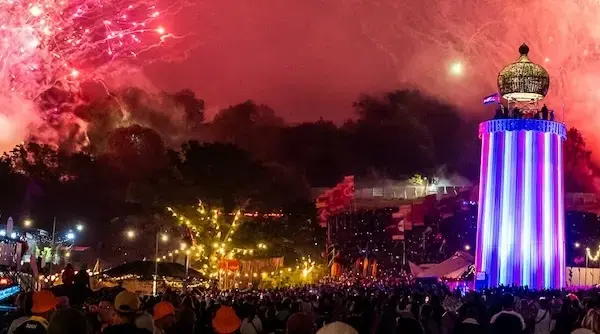
Almost immediately, the quartet was selected as the sole opening act for Bad Bunny’s extensive world tour. Over the course of nearly a year, Chuwi performed in major arenas and stadiums across Latin America, Australia, and Europe. This unprecedented run culminated in late 2026 with a massive homecoming: a two-night, sold-out finale at San Juan’s Hiram Bithorn Stadium, performing to a crowd of hometown fans.
Supporting Context & Metrics
To understand Chuwi’s rapid ascent, one must analyze the unique cultural and musical ecosystem from which they emerged, alongside the notable scale of their recent performances.
A Diverse Palette of Influences
The band’s sonic identity is a complex hybrid of regional traditions and global pop culture, shaped by their upbringing:
- Familial Foundations: The Aldarondo Torres siblings grew up in a household where music was highly participatory. Their father, a church music coordinator, taught Willy the basics of music production by tasking him with reconstructing worship songs by Christian artist Jesús Adrián Romero from scratch. Meanwhile, their mother exposed them to an eclectic driving playlist that spanned Caribbean folk, Latin pop, and American top-40 hits.
- The Percussive Element: For Adrián López Soto, rhythm was an early instinct. He began playing improvised drum kits made of household pots and pans before receiving formal classical training from the fourth grade through high school, where he met Wester.
- The Sonic Synthesis: Chuwi’s music synthesizes traditional Puerto Rican plena and salsa with the poetic, theatrical storytelling of 1980s Spanish pop icons Mecano (a primary influence on their song "Mundi"). This foundation is layered with modern indie-rock and electronic textures, citing artists such as Foster the People, Empire of the Sun, Skrillex, and the Black Eyed Peas.
The Scale of the Bad Bunny Tour
The sheer metrics of Chuwi’s touring schedule over the past year place them in a rare category of emerging artists:
| Metric | Details |
|---|---|
| Tour Duration | Approximately 11 months on the road |
| Geographic Reach | Latin America, Europe, Australia, and the Caribbean |
| Role | Sole opening act for Bad Bunny |
| Tour Finale Venue | Hiram Bithorn Stadium, San Juan, Puerto Rico (Capacity: ~35,000 per night) |
| Demand Metric | Over 1 million fans queued online for tickets to the Puerto Rican finale |
Symbolism on the Global Stage
As Chuwi traveled the world, their live show evolved into a platform for cultural representation and political expression. A central moment in their set occurs during the performance of their song "Tierra."
López Soto regularly brings out the Puerto Rican resistance flag—a black-and-white monochrome version of the traditional blue, white, and red flag, which has symbolized anti-colonial struggle, anti-austerity protests, and demands for self-determination since it was adopted by the island’s protest movements in 2016. By displaying this flag alongside the national flag of whichever country they are performing in, Chuwi has successfully bridged local Puerto Rican struggles with global solidarity movements.
Official Statements
Reflecting on their rapid transition from a bedroom setup to global stadiums, the members of Chuwi emphasize the surreal nature of their journey and their dedication to authentic songwriting.

Willy Aldarondo Torres recalled the moment they were thrust into the global spotlight:
"We were just starting in the local scene in Puerto Rico, and suddenly something like this got dropped onto you. We obviously had to put the initial shock to the side and focus on the song, but after, it’s like, ‘What on earth is going to happen now?’ Nobody could have predicted what happened after, where we would be, and where we are now."
Wester Aldarondo Torres highlighted the emotional impact of their tour’s conclusion at the Hiram Bithorn Stadium:
"It was euphoric. The experience of having brought a taste of home to the world and then bringing a piece of each place back to where it all started is priceless."
Adrián López Soto discussed the deep cultural resonance of their live performances, particularly the display of the Puerto Rican resistance flag:
"There’s a point in all our shows when we perform ‘Tierra’ where I bring out the Puerto Rican resistance flag and that of the country we’d be performing in. Having the Puerto Rican flag and the resistance flag together, and everyone deeply understanding both of them, was unforgettable."
Lorén Aldarondo Torres, speaking via a voice note following the tour’s conclusion, explained the organic development of the band’s socio-political lyricism:
"We started making music because we missed creating and we missed being surrounded by music. All we could sing about was what we were living and experiencing. We didn’t have anything else to talk about. Our music is now viewed through a social-political lens, and that’s very cool. We love it, but really, it came from the general intent of living normal lives and realising that, in our normal lives, things are missing."
"The promises we were told as children are not real. The world has changed. It’s not easy owning a house. It’s not easy paying rent and having to buy a car because there’s no public transport system. They are real situations for us, so it’s easier to write about them than love. It’s important for us, and that’s where our musical muse is born."
Future Outlook
As Chuwi steps off the global touring circuit, their focus shifts to solidifying their position in the contemporary music landscape. Their debut studio album, scheduled for release in late 2026, is highly anticipated and marks a major milestone for the band.
The Completion of the Trilogy
The upcoming LP is designed as the final chapter of a conceptual trilogy that began with their previous EPs, Pan (2022) and Tierra (2024). According to Willy Aldarondo Torres, the decision to pivot to a full-length album was a deliberate choice to introduce the band to a broader audience:
"An album is like an introduction to a wider and newer audience, and we felt like it was time. This album closes a sort of trilogy that we started with the two previous EPs, and this being the third chapter, it deserved to be a longer project."
Sonic and Thematic Evolution
While the album remains deeply rooted in the traditional rhythms of the Caribbean, the band’s time spent traveling has introduced global elements into their production. The final tracks, polished and adjusted in various hotel rooms and tour buses around the world, promise to cross borders and time zones.
Thematically, the record is set to be their most political work to date. By addressing the struggles of the Puerto Rican diaspora, the housing crisis, and the realities of working-class youth, Chuwi aims to move beyond simple pop tropes to offer a genuine reflection of contemporary Puerto Rican life.
This commitment to authenticity has earned them critical acclaim, including a spot on the prestigious NME 100 of 2026, which highlights the most essential emerging artists globally. For Chuwi, however, the ultimate goal remains community-oriented: to inspire a self-sustaining musical ecosystem within their homeland.
"My hope is for more Caribbean music to be made," Willy Aldarondo Torres asserts. "For it not to become stagnant as it has, and is still sadly happening. I hope to, in some way or another, empower the next generation to keep making music from our home and maybe speak about things that make them feel as strongly as we do."