By Paul Glynn | Culture & Entertainment Desk Published: October 2024
Executive Overview
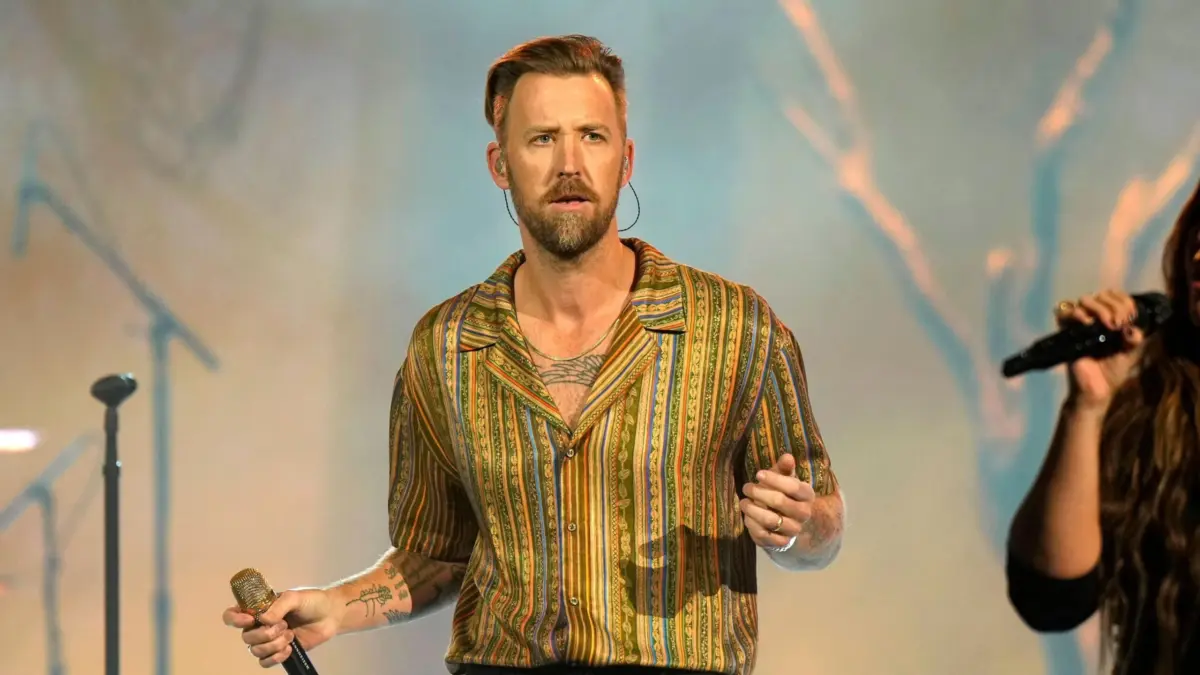
In a candid and emotionally grounding video shared with millions of fans worldwide, Charles Kelley—co-founder and co-lead vocalist of the Grammy Award-winning country music trio Lady A (formerly known as Lady Antebellum)—revealed that he has been diagnosed with multiple myeloma, a rare form of blood cancer. The 45-year-old musician, joined by his wife Cassie, detailed how the unexpected diagnosis came to light following a series of seemingly unrelated physical ailments, most notably unexplained rib fractures.
Despite the gravity of the medical news, Kelley radiated an atmosphere of hope, perspective, and resolve. Drawing direct parallels between his upcoming cancer battle and his heavily publicized, hard-fought journey to sobriety, Kelley emphasized that he is taking the diagnosis "one day at a time." Furthermore, the singer confirmed that he has no intention of stepping away from the spotlight entirely. With a new album on the horizon, upcoming holiday performances, and a dedication to his family—including his wife and two young sons—Kelley is choosing to lean into his art, his community, and modern medical advancements.
The announcement sent shockwaves through the Nashville country music community and beyond, immediately drawing an outpouring of support from his bandmates, industry peers, and devoted fans. This comprehensive report examines the details of Kelley’s diagnosis, the nature of multiple myeloma, the broader context of Lady A’s storied career, and what the future holds for one of country music’s most recognizable voices.
Detailed Chronology: From Unexplained Pain to Life-Changing Diagnosis
For professional touring musicians, physical discomfort is often written off as an occupational hazard. Long hours on tour buses, dynamic stage performances, and endless travel routinely take a toll on the body. For months, Charles Kelley navigated minor physical anomalies without suspecting a systemic health crisis.
The turning point occurred when Kelley experienced a series of random, unexplained rib fractures. While athletic injuries or minor accidents are common culprits for broken ribs, fracturing bones under normal, everyday circumstances raised immediate red flags for his primary care physician. Recognizing that spontaneous fractures in a relatively young, active adult can point to underlying bone density issues or systemic conditions, Kelley’s doctor ordered a comprehensive battery of diagnostic evaluations.
Among these tests were specialized blood panels designed to look beyond basic metabolic health. It was these advanced blood tests that ultimately revealed abnormal plasma cells, leading clinical specialists to confirm a diagnosis of multiple myeloma.
"I had a couple of random rib fractures that happened, which sparked my doctor into having me do several different blood tests," Kelley explained in his Instagram announcement video, sitting alongside his supportive wife, Cassie. "And one of the last blood tests we did, they found a blood cancer in there called multiple myeloma, and it’s rare."
Rather than retreating from the public eye, Kelley opted for radical transparency. By recording and sharing his health update directly with his followers, the singer noted the immediate psychological relief of unburdening himself from the secret. In an industry where artists often feel pressured to project perpetual strength and invulnerability, Kelley’s vulnerability underscores a changing cultural tide regarding mental health and medical transparency among public figures.
Understanding Multiple Myeloma: Medical Context and Modern Progress
To fully comprehend the significance of Charles Kelley’s announcement, it is vital to understand the medical landscape of multiple myeloma—a condition that, decades ago, carried a much grimmer prognosis than it does today.
What is Multiple Myeloma?
Multiple myeloma is a form of blood cancer that originates in plasma cells, a type of white blood cell produced in the bone marrow. Normally, these plasma cells help the body fight infections by producing antibodies. However, in multiple myeloma, cancerous plasma cells multiply uncontrollably, crowding out healthy blood-forming cells and producing abnormal proteins (M proteins) that can damage the kidneys, immune system, and bones.
Because these malignant plasma cells accumulate in the bone marrow and eat away at solid bone tissue, patients frequently experience bone pain, weakness, and—as in Kelley’s case—spontaneous fractures, particularly in the ribs, spine, and skull.
Advancements in Treatment and Prognosis
While multiple myeloma remains a serious and complex diagnosis, the past decade has witnessed groundbreaking advancements in oncology. Targeted therapies, immunotherapies, chimeric antigen receptor (CAR) T-cell therapy, and advanced stem cell transplantation techniques have dramatically transformed patient outcomes.
Kelley himself acknowledged these medical leaps, expressing immense optimism regarding contemporary treatment protocols:
"I’m young, I feel healthy, and the treatments I will say have just come so far, even in the past five years. Even life expectancy just far exceeds what it used to be and, I don’t know, I feel really hopeful. I really do."
Medical oncologists note that patients diagnosed in their mid-40s often tolerate intensive therapies better and can achieve prolonged periods of remission, allowing them to maintain a high quality of life while undergoing maintenance treatments.
Parallels of Resilience: Sobriety and the "One Day at a Time" Mindset
For those familiar with Charles Kelley’s personal history, his calm and methodical approach to facing cancer is rooted in hard-won life experience. In recent years, Kelley has been fiercely open about his battle with alcohol addiction, culminating in a successful sobriety journey that he has frequently shared to help others.
When discussing his cancer diagnosis, Kelley drew an explicit parallel between navigating recovery and facing multiple myeloma. Both challenges require abandoning long-term catastrophic thinking in favor of a granular, present-moment focus.
"We’re going to get through it," Kelley affirmed, comparing his approach to dealing with cancer to the foundational tenets of his sobriety. By taking things "one day at a time," the singer has cultivated an internal resilience that is now serving him on the oncology ward just as effectively as it did on his road to personal wellness.
Mental health professionals frequently highlight that patients with a history of overcoming major life crises often possess advanced emotional regulation tools. Kelley’s ability to frame cancer as "just another hurdle" rather than an insurmountable wall reflects a psychological fortitude that resonates deeply with individuals facing their own chronic or life-threatening illnesses.
Official Statements and Industry Support
News of Kelley’s diagnosis reverberated immediately throughout the global music community. Within hours of his social media post, thousands of fans, fellow artists, and industry executives flooded comment sections and news feeds with messages of solidarity.
Crucially, his longtime Lady A bandmates—Hillary Scott and Dave Haywood—demonstrated unwavering unity, offering public vows of support that reinforced the deep familial bonds forged over nearly two decades of making music together.
Hillary Scott, co-lead vocalist and a cornerstone of the trio’s signature harmonic blend, wrote:
"The strongest duo right there! Love y’all so much! You’ve got this!"
Dave Haywood, the group’s multi-instrumentalist and harmony powerhouse, added:
"Covering you in prayer brother. Love y’all. We’re all here for you!"
These public endorsements are more than mere pleasantries; they represent the operational reality of Lady A. The trio, which has weathered professional shifts, musical rebranding, and personal hurdles together since their formation in Nashville in 2006, continues to operate as an airtight brotherhood and sisterhood.
A Look Back at Lady A’s Historic Musical Legacy
To understand why Charles Kelley’s health battle commands such intense public interest, one must examine the monumental cultural footprint of Lady A.
Formed in Nashville, Tennessee, in 2006 by Kelley, Hillary Scott, and Dave Haywood, the group quickly transcended the traditional boundaries of country music to become a dominant global pop-culture phenomenon. Originally performing under the moniker Lady Antebellum, the trio made the conscious decision to drop "Antebellum" from their name in June 2020 amid a cultural reckoning over the word’s historical ties to the American Civil War and slavery, officially becoming Lady A.
Commercial Peaks and Critical Acclaim
Chart Dominance: Lady A has secured three number-one albums on the US Billboard 200 and numerous chart-topping singles on the Billboard Country Airplay chart.
Grammy Glory: The group boasts a staggering six Grammy Awards. Their crowning commercial and artistic achievement arrived with the generation-defining smash hit "Need You Now," released in 2009.
The "Need You Now" Phenomenon: The track became a ubiquitous crossover anthem, peaking at number two on the US Billboard Hot 100 and sweeping the 2011 Grammy Awards. It claimed trophies for Record of the Year and Song of the Year, cementing the trio’s place in music history.
Catalog Highlights: Beyond "Need You Now," the group defined an era of country-pop crossover with timeless hits including "American Honey,""Just a Kiss,""Our Kind of Love," and "Downtown."
Throughout these highs, Kelley’s soulful, raspy, and deeply emotive lead vocals have served as the emotional engine of Lady A’s sound, making his health journey a matter of profound personal concern for millions of devoted listeners.
Future Outlook: Work, Family, and Tour Plans
Despite entering an intensive medical protocol, Charles Kelley has made it unequivocally clear that he has no intention of retreating from his creative life. For artists of Kelley’s caliber, music is not merely a profession—it is a vital therapeutic outlet and a core component of personal identity.
Outlining his immediate schedule, Kelley reassured fans that his initial phase of treatment will not force him off the stage:
"Right now I feel great and we’ve got a new record coming out soon with Lady A and then we’ve got Christmas shows… This first six months of treatment I believe is not going to be too invasive. I can still work. I think physically I will feel like myself. I will have tough days, but I want to keep working…"
This balanced approach—combining aggressive medical oversight with active engagement in passions and family life—characterizes Kelley’s forward-looking strategy. He noted that spending quality time with his wife Cassie and their two young sons remains his ultimate anchor.
"I need to be happy and doing what I love to do, and spending and soaking up as much time with my family as I can… It’s just another hurdle and, you know, I feel confident that we’re going to get through it."
Conclusion
Charles Kelley’s revelation of his multiple myeloma diagnosis is undoubtedly a sobering moment for the country music landscape, but it is defined far more by courage than by despair. By facing the diagnosis head-on, leveraging modern medical advancements, and leaning into the unyielding support of his family, bandmates, and fans, Kelley sets an inspiring example of grace under pressure.
As Lady A prepares to release new music and embark on upcoming holiday tours, the focus shifts toward healing, perseverance, and the enduring power of song. For Charles Kelley, the journey ahead is one he refuses to walk alone—and with the collective prayers and backing of the global music community behind him, the resilient singer is more than ready for the road ahead.