Executive Overview
The underground landscape of United Kingdom rap is undergoing a structural evolution, and South London’s Fee Gonzales is drafting the blueprints. Fresh off a landmark headline performance at London’s historic venue The Old Blue Last—featuring a rare and culturally significant appearance by Boy Better Know (BBK) co-founder JME—Gonzales has returned with his latest independent tour de force, “Pay The Fee.”
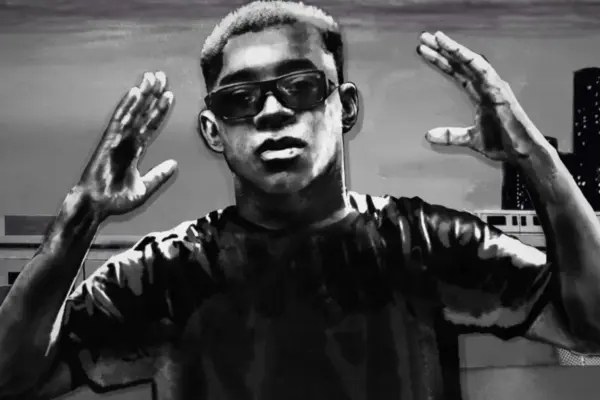
Released alongside a cinematic, self-directed visual, the record serves as a masterclass in modern trap economics. It is dark, spacious, and unapologetically assured. Crucially, the single bridges the Atlantic by uniting Gonzales’s gritty, gravel-toned British cadence with the production genius of GRAMMY-nominated US heavyweight Juke Wong—a hitmaker renowned for shaping the soundscapes of trap royalty like Future, Playboi Carti, and Travis Scott.
Far more than a standard single release, “Pay The Fee” represents the culmination of years of meticulous creative direction, international networking, and fiercely independent business moves. In an ecosystem where commercial viability is frequently chased through major-label compromises, Fee Gonzales is proving that artistic autonomy, cinematic world-building, and unyielding authenticity hold a much higher currency. This deep-dive explores the five defining pillars of how Gonzales is single-handedly rewriting the rules of engagement for UK trap, cementing his status as a visionary architect of modern urban culture.
Detailed Chronology: From Underground Tenacity to Global Ambition
To understand the weight of “Pay The Fee,” one must trace the trajectory of an artist who has consistently moved with absolute intent. Fee Gonzales did not materialize overnight; his position as one of South London’s most respected underground figures has been forged through years of consistent output, multidisciplinary creativity, and strategic positioning.
The Foundation of an Autodidact
Long before the international collaborations and packed-out headline shows, Gonzales immersed himself in the totality of his art. In the modern music landscape, artists are routinely expected to be brands, but Gonzales took this mandate a step further by mastering the visual medium. Establishing himself as a creative director and self-directing his music videos, he cultivated an aesthetic identity that was distinct, cinematic, and uncompromising. Where many emerging rappers relied on standard, run-and-gun trap visuals, Gonzales conceptualized worlds—framing his hometown reality through a lens that felt both gritty and remarkably high-end.
International Bridges and US Alliances
A critical turning point in Gonzales’s chronology has been his ability to forge organic, high-level connections across the Atlantic. Rather than treating the US and UK scenes as separate entities, Gonzales has consistently bridged the gap. His developing working relationship with GRAMMY-nominated producer Juke Wong is a testament to this global outlook. By dropping into sessions whenever their respective cities align, Gonzales has integrated himself into the inner sanctum of elite North American trap production while retaining his distinct South London identity. This transatlantic synergy culminated in “Pay The Fee,” a track that positions Gonzales not merely as a regional talent, but as a global collaborator operating on the same sonic frequency as contemporary hip-hop’s biggest architects.
The Old Blue Last Milestone and the JME Co-Sign
The momentum leading up to “Pay The Fee” reached a fever pitch last month during Gonzales’s headline showcase at The Old Blue Last. Curated to showcase the vanguard of emerging UK rap talent, the bill featured standout performances from acts like VILLY, Double Cup, and Rigz.
However, the defining moment of the evening—and a definitive milestone in Gonzales’s career arc—was the arrival of BBK co-founder JME on stage. For a foundational pillar of British grime and independent music culture to step out and endorse an artist of Gonzales’s generation is a rare and monumental occurrence. It served as validation from British music royalty, cementing Gonzales’s reputation as an artist whose work ethic and artistic integrity command the respect of the genre’s true pioneers.
The Unveiling of “Pay The Fee”
The release of “Pay The Fee” and its accompanying visual marked the immediate aftermath of this high-profile momentum. Dropped independently without the machinery of a major label, the single instantly captured the attention of tastemakers and critics alike, debuting as a masterclass in how to leverage live success into digital impact.
Supporting Context & Metrics: The Anatomy of a Modern Independent Release
Analyzing “Pay The Fee” requires dissecting the granular components that elevate it above the saturated sea of weekly trap releases. Gonzales’s latest offering succeeds across production, visual aesthetic, and strategic collaboration.
1. The Juke Wong Connection: A Transatlantic Blueprint
At the heart of “Pay The Fee” is its instrumental architecture, courtesy of Juke Wong. Known for crafting boundary-pushing beats for artists of the caliber of Future, Playboi Carti, and Travis Scott, Wong brings an expansive, stadium-ready minimalism to the record.
For UK rap, this collaboration represents a vital evolution. Historically, British artists attempting to ride US-style trap beats occasionally struggled to marry their native cadences with North American tempos. Gonzales effortlessly defies this friction. His raspy, unhurried delivery cuts through Wong’s eerie, spacey soundscapes with surgical precision. It proves that authentic South London storytelling does not need to water down its accent or slang to sit comfortably atop world-class, globally minded production.
2. A Sound That Sits in the Shadows
Sonically, “Pay The Fee” is an exercise in restraint and atmosphere. The track avoids the frantic, over-compressed energy characteristic of commercial trap filler, opting instead for darker melodies and cavernous, echoing spaces. This sonic darkness mirrors the thematic content of the song: Gonzales ruminates on the cost of ambition, the isolation at the top, and the tangible rewards that come from refusing to take shortcuts. His lyrical dexterity is matched by his vocal control, delivering vivid vignettes of international travel, high-stakes negotiations, and the unyielding price required to occupy his tier of the underground.

3. Cinematic Weight: The Visual World-Building
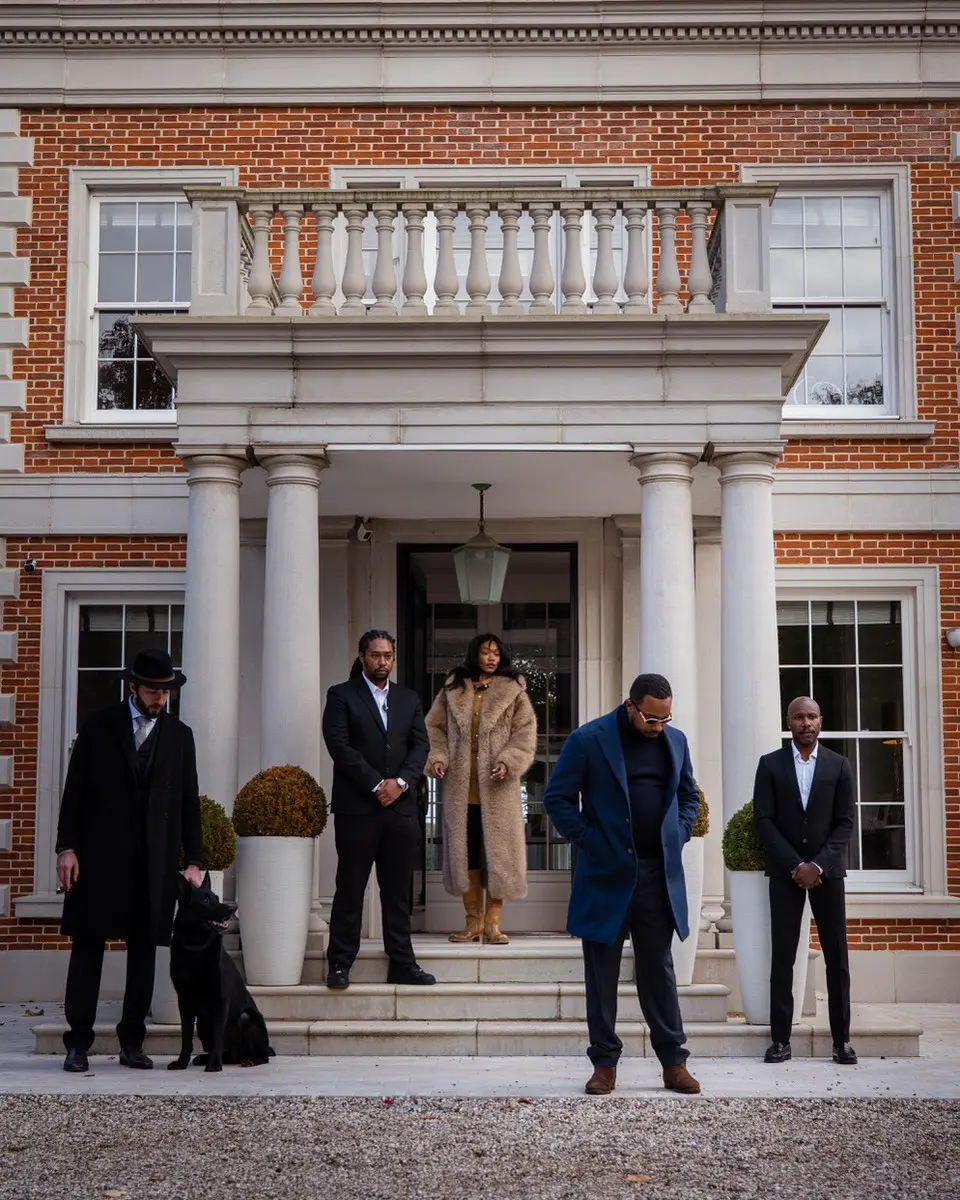
True to his background as a creative director, the visual accompaniment to “Pay The Fee” is far more than a standard performance video. Following Gonzales and his tight-knit circle through opulent, dimly lit rooms, the video strikes a delicate balance between gritty realism and high-fashion glamour.
Industry observers have justifiably drawn stylistic comparisons to the kinetic, stylish underworlds popularized by director Guy Ritchie. Velvet drapes, antique furnishings, and shadowed corridors provide the backdrop for a crew moving with quiet authority. By maintaining total creative control over his visual presentation, Gonzales ensures that his public image is never diluted by external directors who fail to grasp his artistic vision.
4. The Endorsement of Independent Royalty
The JME co-sign deserves deeper contextualization within the broader ecosystem of British music. JME (Jamie Adenuga) has famously championed independence, self-distribution, and artistic ownership throughout his legendary career, famously refusing major-label deals while building Boy Better Know into a global cultural empire.
For JME to share a stage with Fee Gonzales is not merely a cameo; it is a passing of the torch in terms of ethos. It signals that Gonzales embodies the same fiercely independent, DIY spirit that built the foundations of modern UK urban music.
Official Statements & Cultural Commentary
While Fee Gonzales lets his work speak primarily through his music and visuals, the cultural commentary surrounding his rise paints a vivid picture of an artist operating with a distinct philosophical framework.
Industry insiders and tastemakers have increasingly pointed to Gonzales as the archetype of the "modern independent entrepreneur." Speaking on the motivations behind his meticulous release strategy, associates close to the artist emphasize that "Pay The Fee" is both a literal and metaphorical statement:
"The underground has a new price of entry. You cannot fake the work, you cannot fake the global connections, and you certainly cannot fake the independence. When Fee talks about paying the fee, he’s talking about the blood, sweat, and creative capital required to stand at the absolute forefront of UK trap without compromising your vision to a boardroom."
Furthermore, cultural analysts monitoring the cross-pollination between US producers and UK rap artists have highlighted the Gonzales-Wong alliance as a template for the future. By maintaining direct, peer-to-peer relationships with elite international hitmakers rather than relying on expensive middle-men or label A&Rs, artists like Gonzales are dismantling traditional industry gatekeeping.
Future Outlook: What’s Next for the South London Pioneer?
As the dust settles on his triumphant headline show at The Old Blue Last and the immediate streaming surge of “Pay The Fee,” Fee Gonzales stands at a critical juncture in his career. The trajectory indicates that the underground containment walls are beginning to crack under the weight of his ambition.
Expanding the Global Footprint
With his transatlantic studio chemistry with Juke Wong already yielding elite results, expectations are naturally mounting regarding a larger collaborative body of work. Will Gonzales drop an extended play (EP) or full-length mixtape entirely helmed by North America’s most sought-after producers? If his past movements are any indication, any upcoming project will likely be executed on his own terms—released independently, accompanied by self-directed cinematic visuals, and rolled out with precise creative direction.
Elevating the UK Trap Infrastructure
Beyond his personal discography, Gonzales is emerging as a cultural curator. By platforming acts like VILLY, Double Cup, and Rigz at his headline showcases, he is actively building an ecosystem of peers who share his dedication to quality and independence. As these artists grow alongside him, a cohesive South London underground renaissance led by self-made polymaths looks increasingly inevitable.
The Definitive Price of Entry
Fee Gonzales has made his statement loud and clear with “Pay The Fee.” In an era where algorithms often dictate artistic direction, he remains an analog-thinking visionary utilizing modern global infrastructure to his advantage. Whether you are an aspiring rapper, a major-label executive, or a dedicated listener of underground culture, the message is universal: if you want a seat at the table, you have to respect the craft—and you have to pay the fee.
Watch the official visual for “Pay The Fee” on YouTube. To access deep-dives into the architects of hip-hop and global culture, subscribe to the Viper Substack.