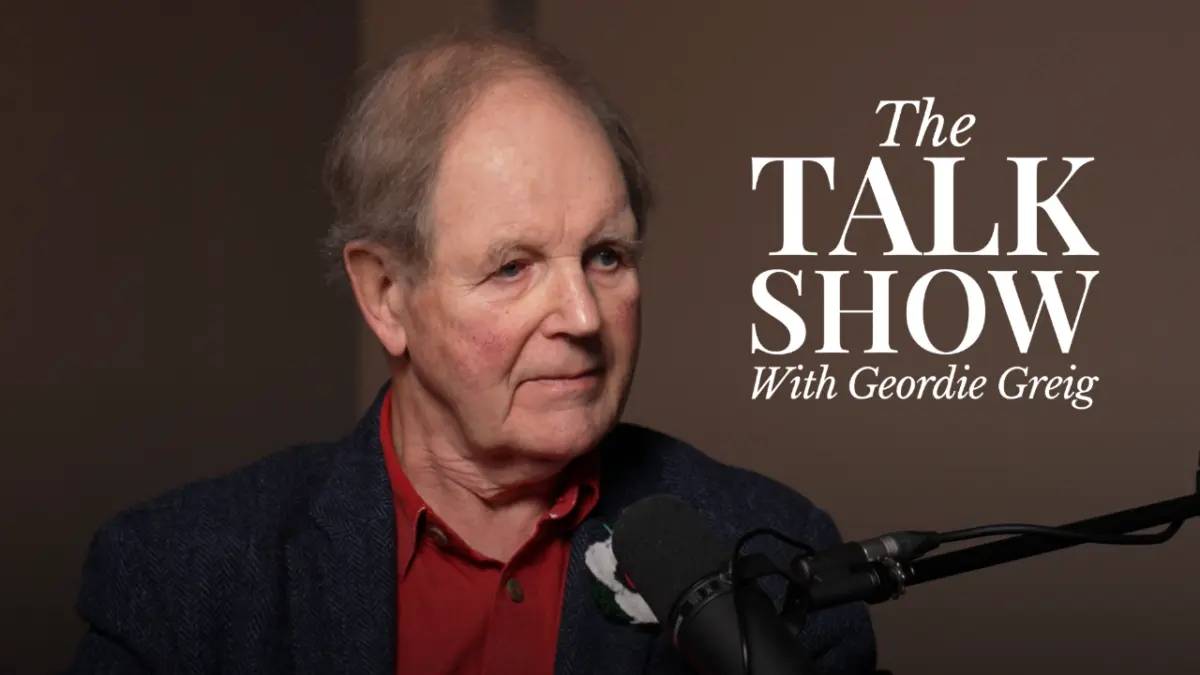
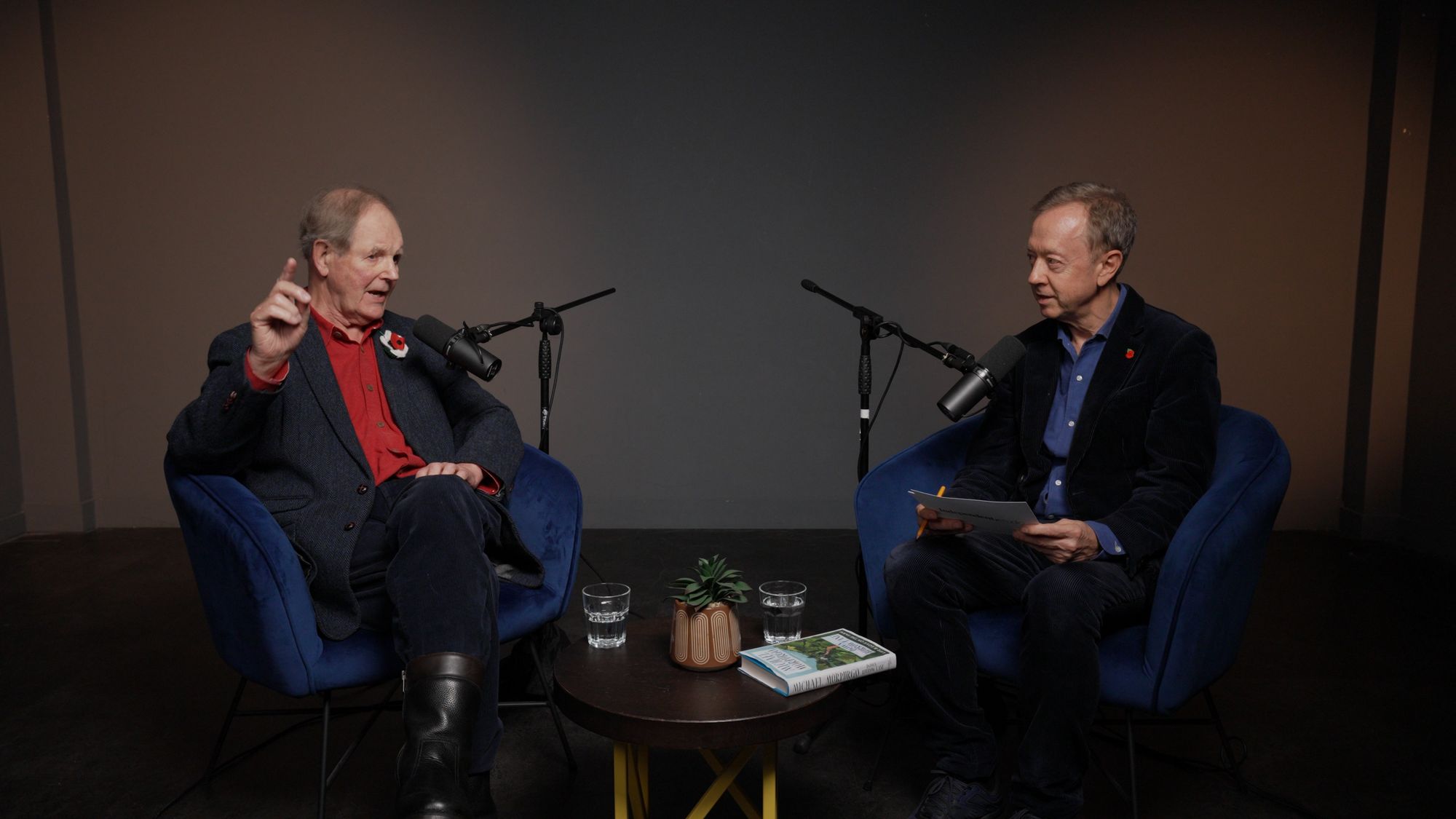
For millions of readers worldwide, Sir Michael Morpurgo is a cherished literary figure whose imaginative pen has conjured some of the most emotionally resonant children’s stories of the past half-century. From the sweeping, tragic plains of War Horse to the tender camaraderie of The Butterfly Lion, his works explore themes of empathy, resilience, and the devastating impacts of conflict. Yet, in a wide-ranging, deeply personal interview with The Independent’s editor-in-chief Geordie Greig on The Talk Show, the 83-year-old author laid bare a childhood defined by an atmosphere of relentless psychological pressure and physical punishment.
Looking back across seven decades, Sir Michael compared the routine, ritualized canings he endured at his Sussex boarding school to modern definitions of child abuse. Describing an environment where fear ruled every hour of the day, the beloved author detailed how public humiliations, academic intimidation, and institutional coldness forged a lifelong aversion to intimidation and a fierce dedication to protecting the emotional well-being of young people.
Beyond his scholastic traumas, Sir Michael’s life reads like a Dickensian novel. He recounted the surreal moment he first discovered his biological father’s identity on a television screen while watching a broadcast of Charles Dickens’ Great Expectations—only to find his long-lost father playing the convict Magwitch. Furthermore, the conversation touched upon his fierce, unyielding pro-European convictions, his disdain for the political fallout of Brexit, and his praise for contemporary political figures willing to challenge the status quo. Through it all, Sir Michael’s narrative is one of transformation: turning the deep-seated wounds of his early years into a lifelong crusade for empathy, kindness, and connection.
Detailed Chronology
The Abbey School Years: A Climate of Fear
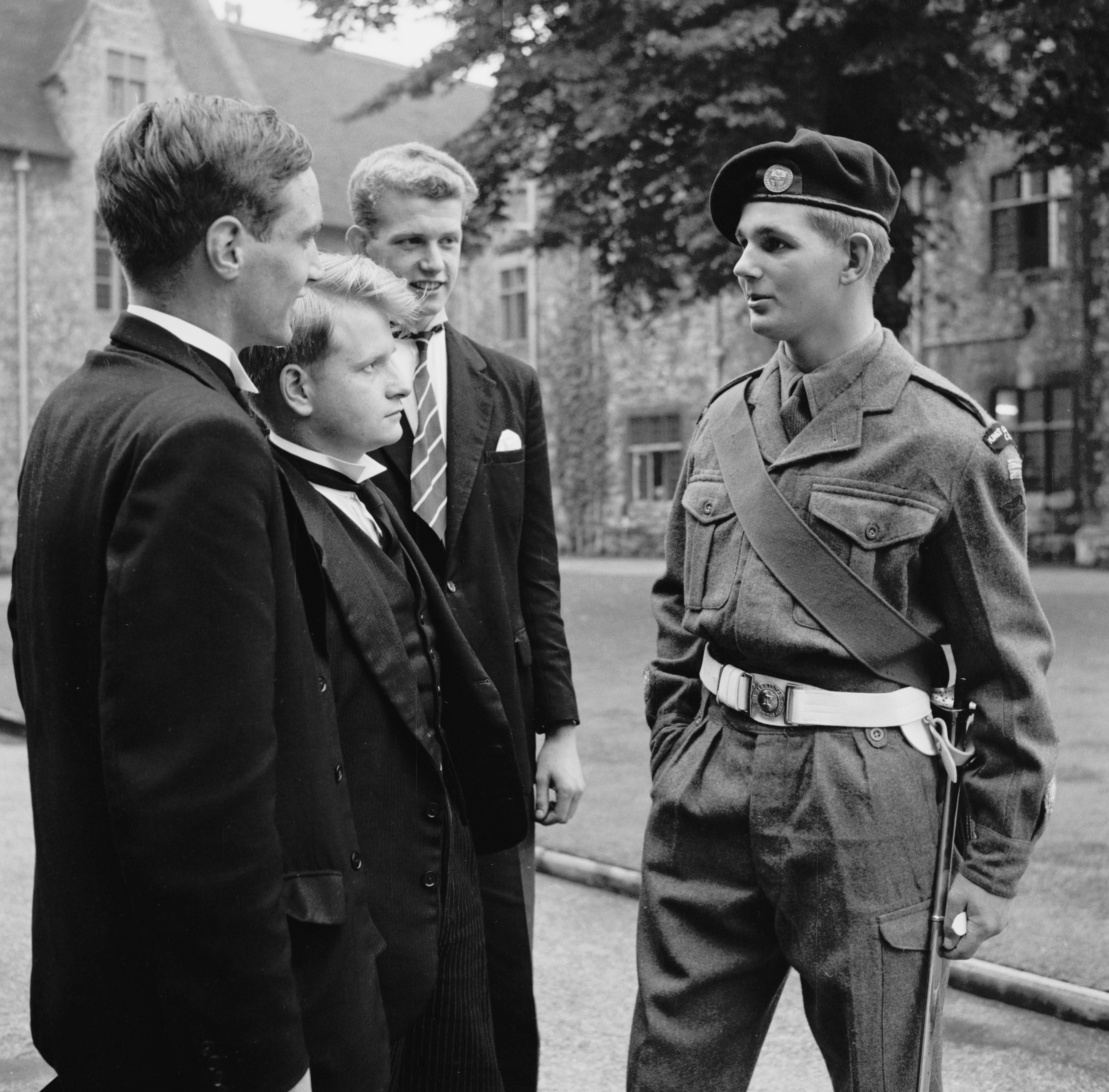
Sent away from home at the tender age of seven—a time when children typically rely on the daily comforts of family and familiar routines—young Michael entered the Abbey School in Ashurst Wood, near East Grinstead. The institution, which permanently closed its doors in 1969, became the backdrop for what the author remembers as a "thoroughly unpleasant" chapter of his existence.
By the standards of the 21st century, the regime at the Abbey School would be categorized unambiguously as child abuse. Morpurgo recalls spending more time at the boarding school than under his parents’ roof, a transient state that left him feeling profoundly lonely and stripped of a stable home life.
The disciplinary framework of the institution was built on public degradation. Every Saturday morning, the student body assembled for a ritual accounting where grades across every subject were read aloud. For a child who struggled academically, this weekly reckoning was a source of sheer terror.
"There was a terrific fear of failure because your marks were read out publicly," Sir Michael recalled. "Every Saturday morning… if you’d done really badly, you walked up the red carpet and you got the cane."
Recalling the physical torment with vivid clarity, he described how the headmaster would retrieve the cane from a specific, hidden desk. Because the boys wore short trousers, the blows landed directly on the bare backs of their thighs, searing with sharp pain and instantly drawing tears. More severe infractions—such as the cardinal sin of reading a book under the bed sheets with a hidden torch after lights-out—warranted multiple strokes, intensifying the agony.
The Loneliness of the Weekly Letter
The emotional isolation of boarding school life was further compounded by the strict policies surrounding familial contact. Pupils were permitted to receive just one letter per week from their parents. However, true to the school’s ethos of public exposure, these letters were handed out in front of the entire assembly.
For Morpurgo, the arrival of a letter from home was a double-edged sword. Overwhelmed by homesickness, he could never bear to read his mother’s words in public for fear of breaking down in tears. To cope, he retreated to the sanctuary of the school toilets—the only place offering a semblance of solitude. Because the doors lacked functional locks, the young boy had to brace his foot against the door to keep it shut, weeping in silence before re-entering the unforgiving public eye.
The Discovery of Magwitch and a Hidden Heritage
Sir Michael’s early family dynamics were equally complex. Following the conclusion of the Second World War, his biological father, Tony van Bridge, returned from two years of overseas military service to discover that his wife had fallen in love with another man, Jack Morpurgo. Van Bridge subsequently emigrated to Canada, where he built a successful career as an actor, while Michael and his brother were raised by their mother and stepfather.
Throughout his childhood, Michael’s stepfather was a formidable and often harsh presence, famously dismissing the future author as "a bear with little brain." The truth of his lineage remained a closely guarded family secret until Michael reached the age of 19.
While sitting in the family living room watching a television adaptation of Great Expectations, the narrative took a bizarre, real-life twist.
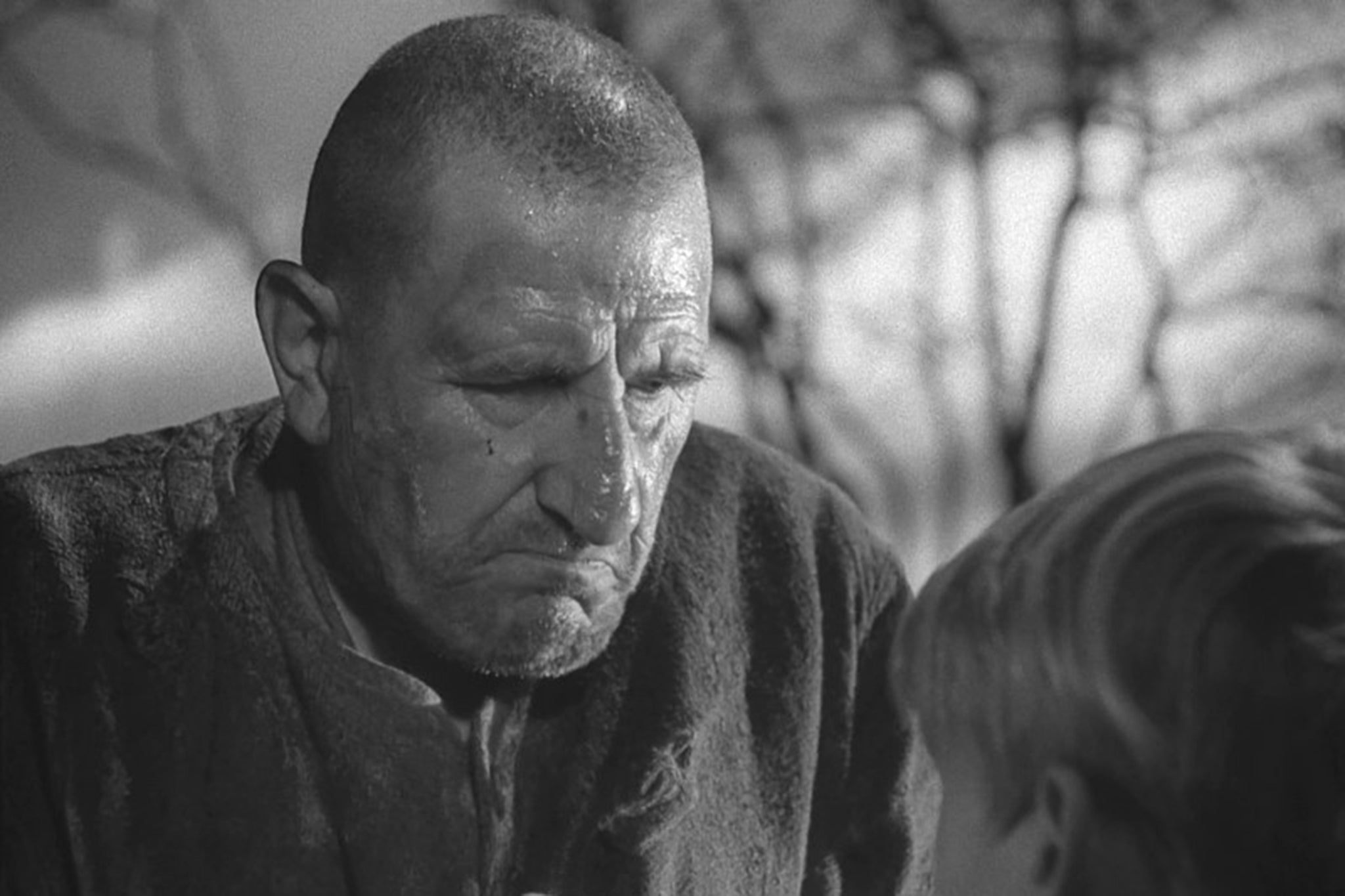
"Suddenly, from up behind a gravestone rears this hideous figure. It’s Magwitch. He’s a convict," Sir Michael remembered. "My mother’s sitting here, and she went, ‘Oh my God, Michael, that’s your father.’ She had never spoken to me about my father, ever."
The sudden revelation caused his stepfather to storm out of the room in frustration, leaving the brothers to process the surreal realization that their biological father was portraying an escaped convict on national television.
Despite the unconventional introduction, the encounter paved the way for a remarkable reconciliation. Van Bridge, who had previously negotiated a generous arrangement with Michael’s mother allowing the boys to seek him out when they came of age, traveled from Canada to meet his son. Over cups of tea, the initial awkwardness quickly dissolved into shared laughter. Rather than assuming a rigid, authoritarian parental role, Van Bridge became a cherished confidant, offering Sir Michael the rare gift of "having a friend for a father."
Supporting Context & Metrics
The Psychological Legacy of Institutional Trauma
Sir Michael’s reflections highlight a broader historical reckoning regarding corporal punishment and institutional child welfare in British education. Practices that were once dismissed as "character-building" or standard disciplinary measures are now widely recognized by developmental psychologists as sources of profound, long-lasting trauma.
The impact of such an upbringing manifested profoundly in the author’s adult life and creative output. Works such as The Butterfly Lion and Who’s A Big Billy Then? directly mirror his personal experiences with bullying, vulnerability, and the terror of inadequacy.
Rather than succumbing to bitterness, Sir Michael channeled his childhood trials into an unwavering personal mandate: to eradicate fear from the educational landscape.
"Fear of failure, one of the most corrosive things in a child’s life is when you say, ‘I’m no good,’" he asserted. He maintains that a child who exits primary school internalizing self-doubt may never fully recover their self-esteem.
Lifelong Advocacy and Rural Immersion
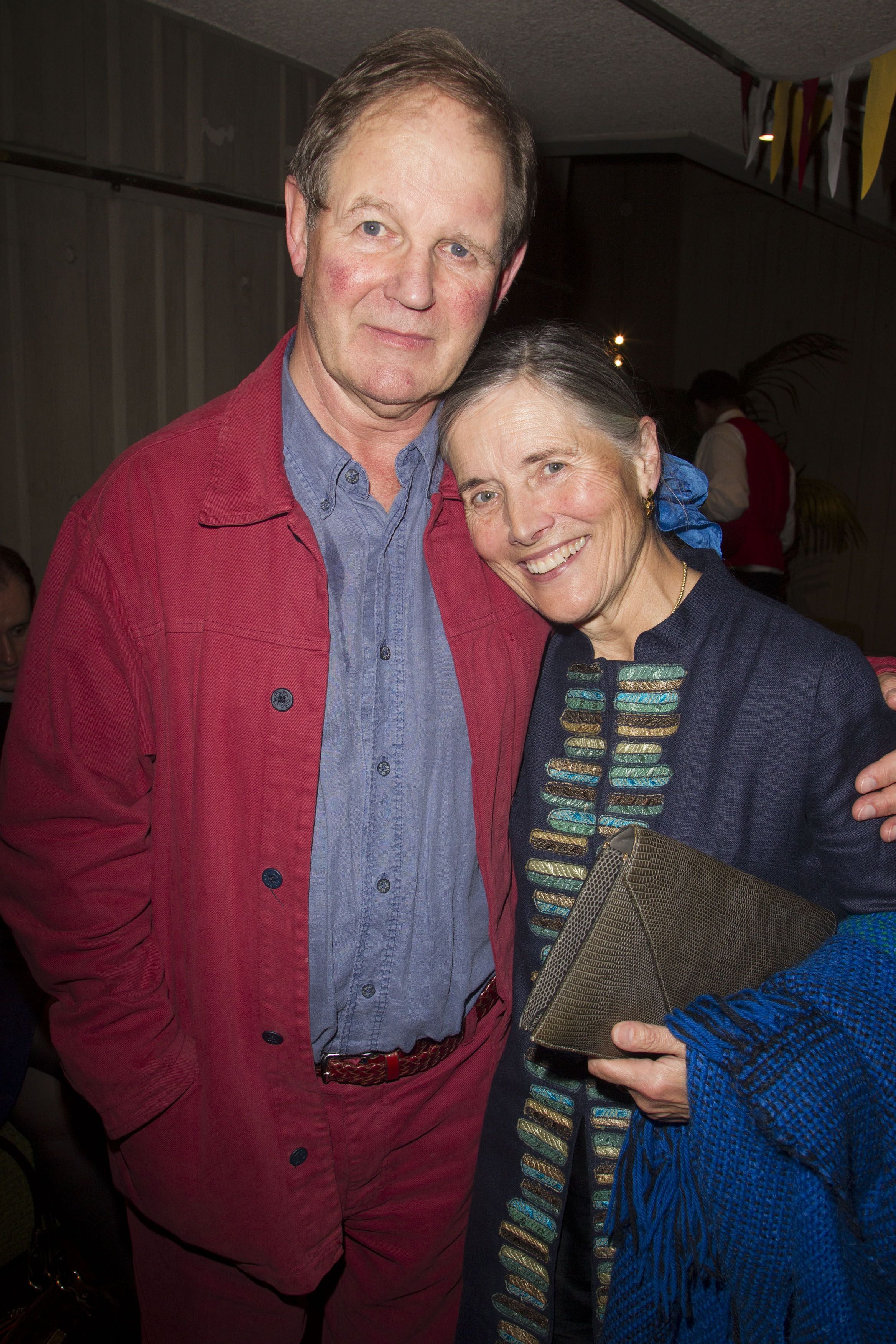
This protective instinct extended far beyond the written word. Alongside his beloved wife, Clare, Sir Michael channeled his life experiences into practical philanthropy. Half a century ago, the couple purchased a farm in Devon—a journey chronicled in his recent book, Down Burrow Lane.
Recognizing the restorative power of nature, the couple established Farms For City Children, a pioneering charity that has welcomed more than 100,000 urban youths to experience the rhythms of agricultural life. By immersing city children in a supportive, rural environment, the charity actively combats isolation, anxiety, and the limitations of urban deprivation.
Official Statements & Political Commentary
During his interview with Geordie Greig on The Talk Show, Sir Michael did not shy away from contemporary political debates, offering impassioned critiques of national policy and praising leaders who exhibit moral courage.
A Passionate Rejection of Brexit
A committed pro-European, Sir Michael expressed profound dismay regarding the United Kingdom’s departure from the European Union—so much so that he refuses to utter the word "Brexit."
"Leaving the EU was probably the most disastrous thing we’ve done since the war," he stated candidly. Noting that the promises made during the campaign proved illusory, he lamented the immediate, damaging impact on national trade.
For Morpurgo, the issue is deeply personal rather than merely economic. Descended from Belgian heritage on his mother’s side, and with children, grandchildren, and great-grandchildren integrated into European life, he refuses to accept geographical or political severance from the continent.
"I’m not going to be told by any government that I’m not European," he declared.
Praise for Political Courage
Given his strong European convictions, Sir Michael welcomed recent political discourse surrounding the potential reversal of Brexit. He singled out Prime Minister Andy Burnham for praise, describing him as a "courageous" leader willing to confront uncomfortable truths.
"I’m really pleased because I feel he’s understood the mistake that’s been made," Sir Michael remarked. "I think we’ve got a courageous man as prime minister at last. Someone who does mean what he says."
Future Outlook
As Sir Michael Morpurgo enters his ninth decade, his legacy extends far beyond the bookshelves of generations of readers. His public testimony regarding the dark realities of mid-century boarding school life serves as a vital historical reminder of how far child welfare and educational standards have evolved in the UK.
By openly confronting the ghosts of his past—from the cane-wielding headmasters of Sussex to the sudden appearance of a convict father on a television screen—Sir Michael continues to demonstrate the resilience that underpins his best literature. Through his ongoing literary projects, his continued advocacy for children’s mental well-being, and Farms For City Children, he ensures that the fear which defined his own early years is systematically replaced by empathy, security, and hope for the generations of tomorrow.