Music is ephemeral by nature—a fleeting vibration of air pressure caught on tape, pushed through copper wires, and dissolved into memory the moment the final chord fades. Yet, the culture surrounding it demands permanence. We etch our histories into paper, bind them in cloth, and preserve them in ink.
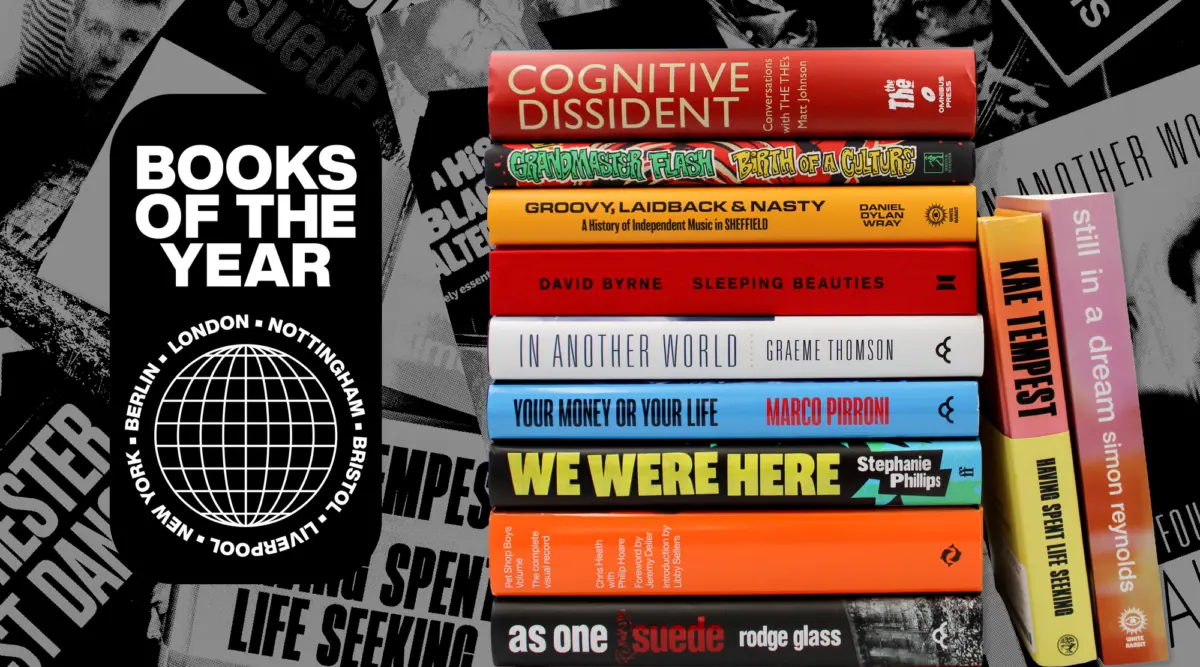
The literary landscape of 2026 has proven to be a watershed year for music publishing. Far from the standard, cash-in ghostwritten autobiographies of decades past, today’s music literature spans candid, trauma-informed memoirs, rigorous alternative histories, deep-dive design archives, and socially conscious excavations of overlooked scenes.
Curated through the tastemaking lens of independent record retail, this year’s top twenty selections trace the people, places, and micro-movements that forged modern sound. From the subterranean roar of ’90s alternative rock to the neon-lit birth of hip-hop in the South Bronx; from the steel mills of Sheffield to the rain-slicked avenues of Manchester, these volumes do more than recount history—they demand that you walk over to the turntable, drop the needle, and listen all over again. Featuring exclusive editions, signed bookplates, custom zines, and unseen photography, the literary crop of 2026 elevates music writing to an art form in its own right.
Detailed Chronology & Review of the Top 20 Works
1. The Crucible of Grunge: Melissa Auf der Maur’s Even the Good Girls Will Cry
As the formidable bassist for both Hole and The Smashing Pumpkins, Melissa Auf der Maur stood dead center in the turbulent crosshairs of ’90s alternative rock. Drafted into Hole following the tragic death of Kristen Pfaff and the catastrophic loss of Kurt Cobain, Auf der Maur delivers a poetic, unsparing memoir of survival, artistic conviction, and female camaraderie within an aggressively male-dominated industry. As Garbage frontwoman Shirley Manson notes: "Our ’90s fever dreams were beautiful, but they were also brutal, and only the good girls, like Melissa, have the guts to tell you that." Complete with a signed bespoke bookplate and an exclusive zine, this is a masterclass in rock memoir.
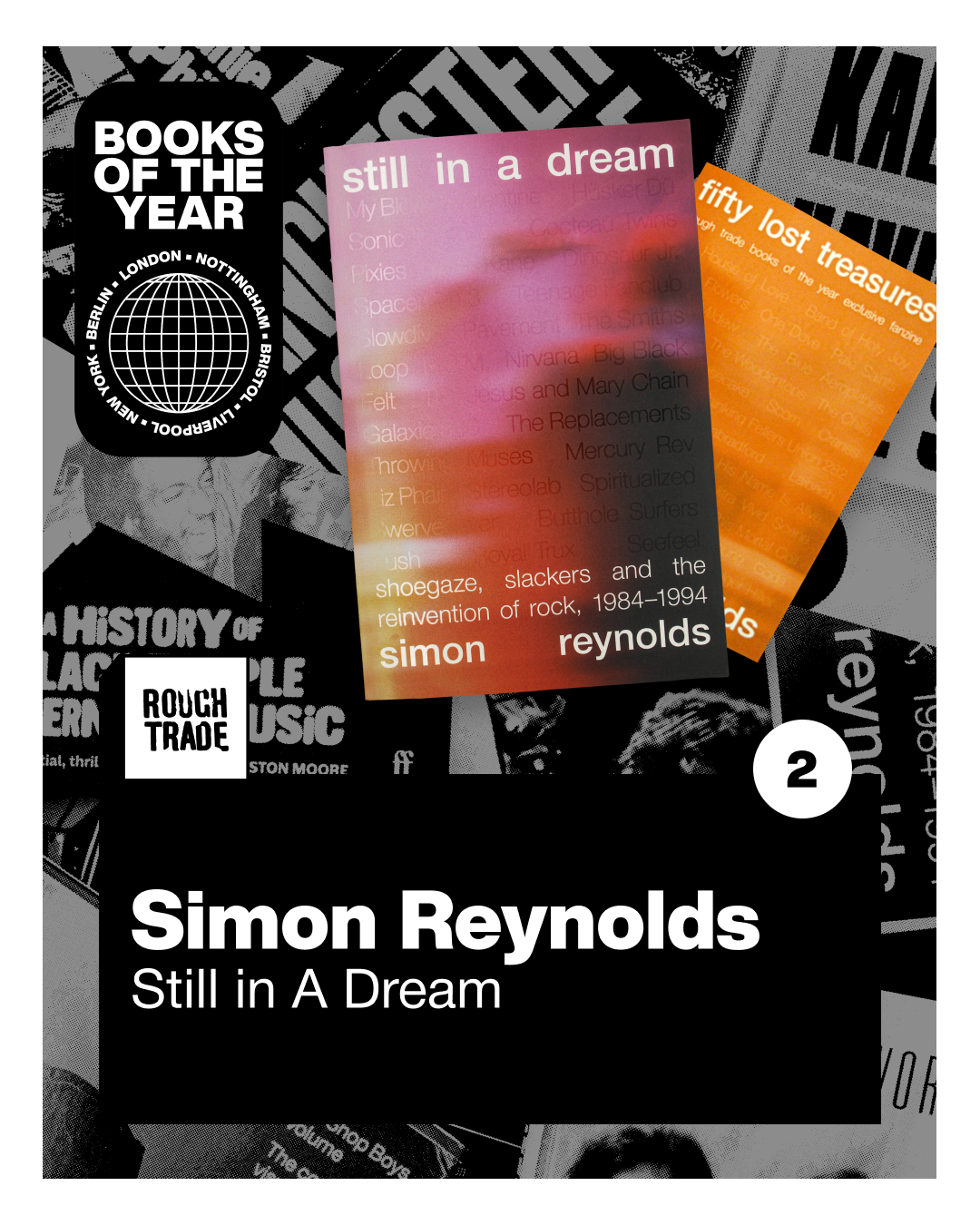
2. The Atmospheric Wave: Simon Reynolds’ Still in a Dream
Veteran music journalist Simon Reynolds turns his razor-sharp critical eye toward the misty, distortion-heavy realms of shoegaze, dream pop, and noise rock. Spanning the decade from 1984 to 1994, Reynolds charts the genesis and cultural shockwaves of groups like My Bloody Valentine, Cocteau Twins, Slowdive, Dinosaur Jr., and Pavement. It is an essential, highly analytical companion piece to any comprehensive understanding of independent guitar music.
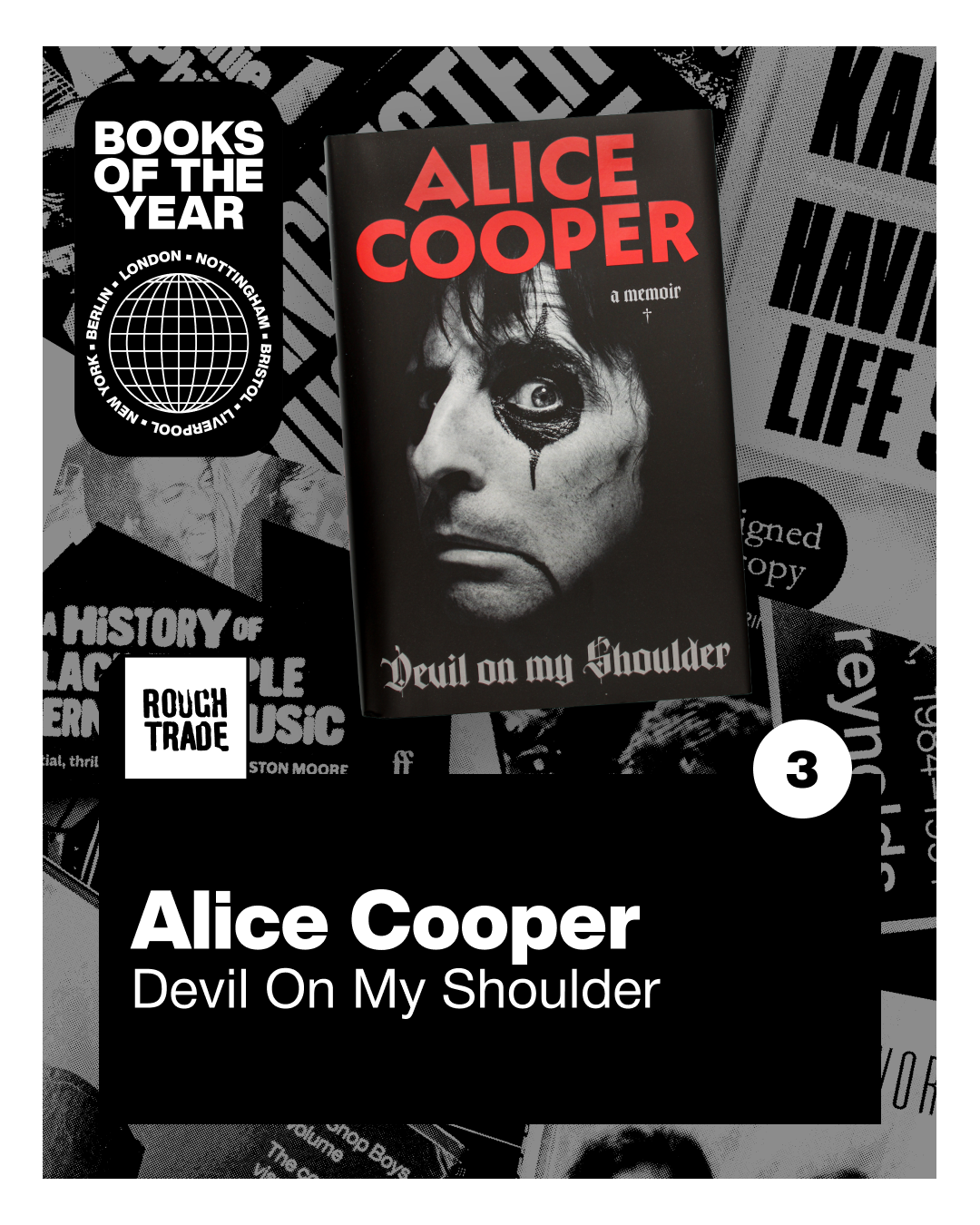
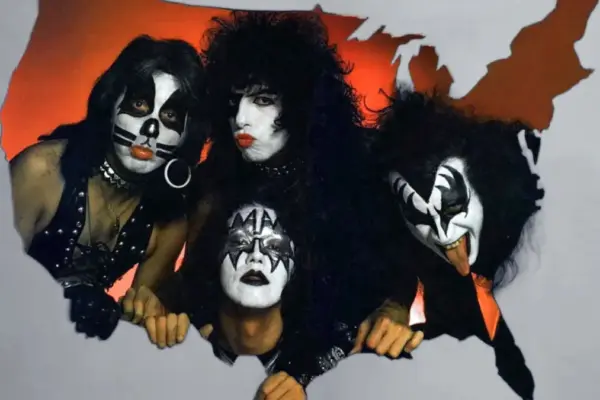
3. The Shock-Rock Paradox: Alice Cooper’s Devil On My Shoulder
Vincent Furnier pulls back the greasepaint in a deeply personal tell-all memoir spanning six decades. Devil On My Shoulder interrogates the terrifying phenomenon of a fictional character—Alice Cooper—growing so gargantuan that it threatens to consume its creator. Beyond the guillotine and the boa constrictors, Cooper speaks candidly about crippling addiction, eventual recovery, and a renewed Christian faith that steadied his later life.
4. Pop Stardom and Private Grief: Roland Orzabal’s Welcome to Your Life
Tears for Fears co-founder and principal songwriter Roland Orzabal offers a brutally transparent chronicle of global stadium pop juxtaposed against devastating personal loss. Reflecting on the passing of his late wife Caroline and his arduous path toward emotional and artistic renewal, Orzabal delivers an unforgettable testament to human resilience.
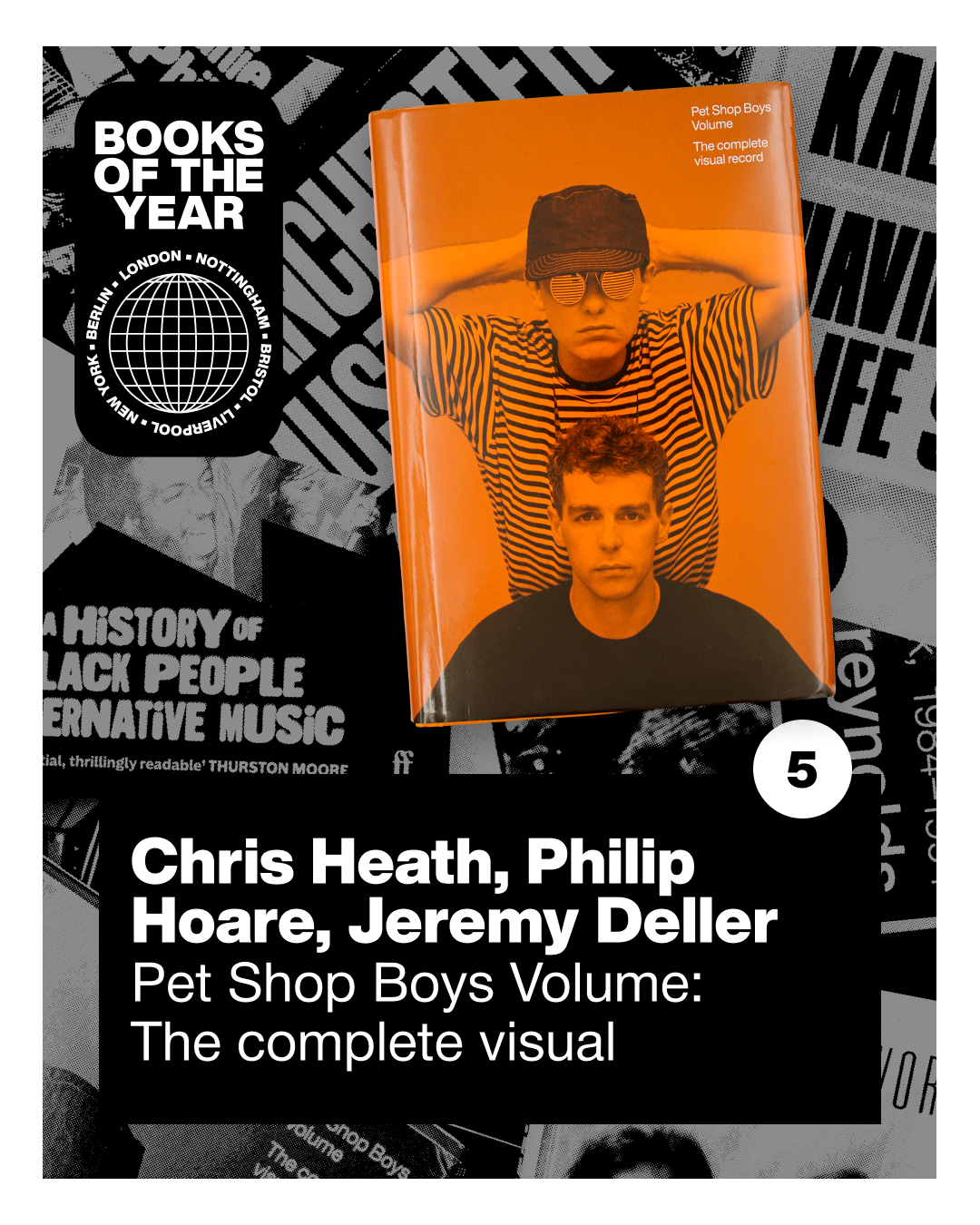
5. The Visual Architecture of Synth-Pop: Heath, Hoare, and Deller’s Pet Shop Boys Volume
Music is rarely just audio; for the Pet Shop Boys, it has always been a total aesthetic universe. Chris Heath and Philip Hoare, with a foreword by Jeremy Deller, curate four decades of sleeve design, high-concept fashion, stage architecture, and promotional art. It is a stunning visual archive celebrating the meticulous world-building of British pop’s smartest masterminds.
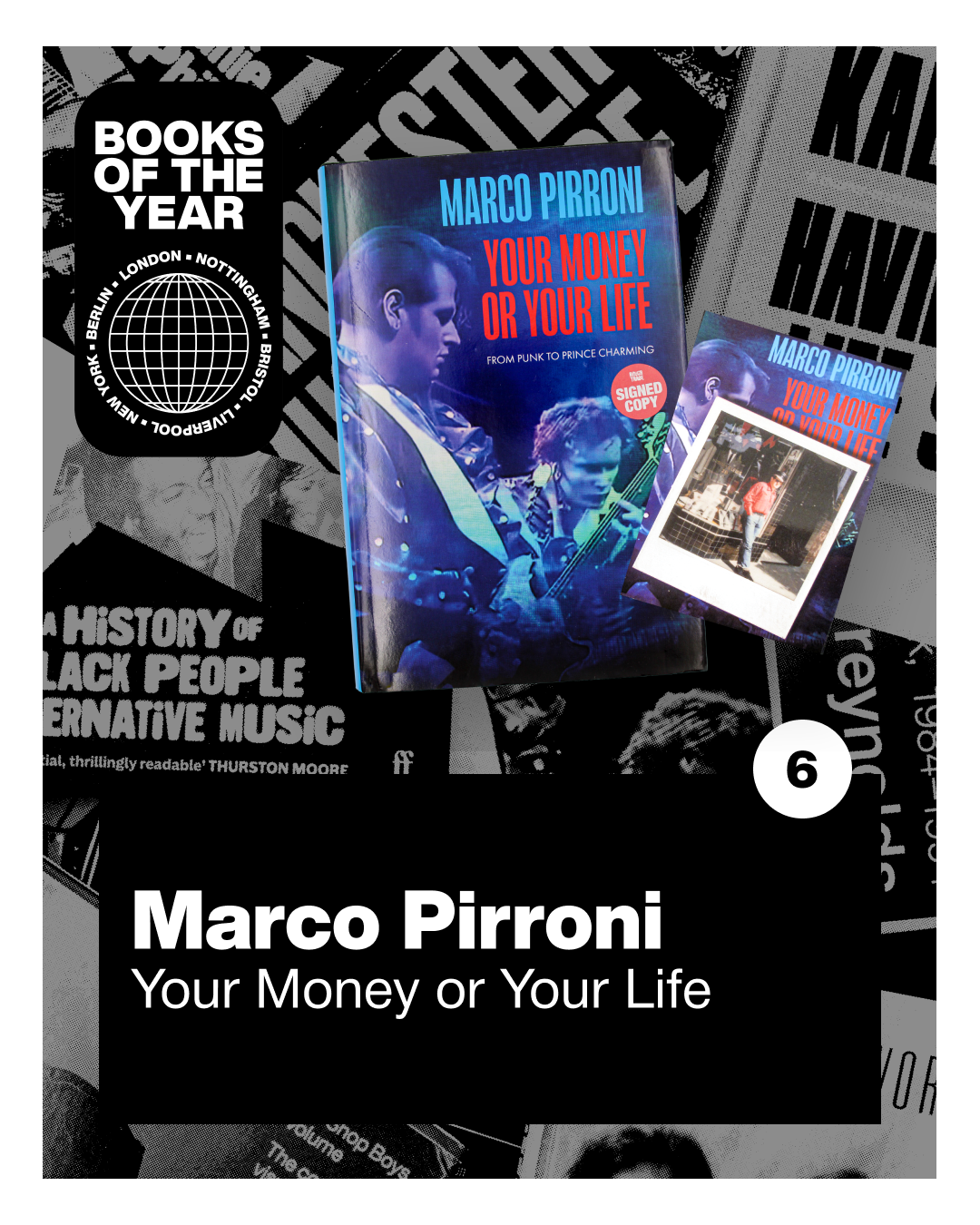
6. Punk’s Pop Metamorphosis: Marco Pirroni’s Your Money or Your Life
Guitarist and songwriter Marco Pirroni takes readers on a breathless joyride from the raw, early days of Siouxsie and the Banshees at the 100 Club to the chart-topping, flamboyant imperial phase of Adam and the Ants. Pirroni’s memoir captures the exact moment underground punk mutated into high-gloss pop spectacle before splitting apart in 1982.
7. The Archaeology of Innovation: David Byrne’s Sleeping Beauties
Talking Heads mastermind David Byrne turns his restless intellect toward a fascinating cultural phenomenon: Why do brilliant ideas, artistic movements, and technological inventions occasionally fall dormant for decades before finally waking up? Traversing music, science, and history, Byrne explores the delicate mechanics of attention, memory, and cultural re-evaluation.
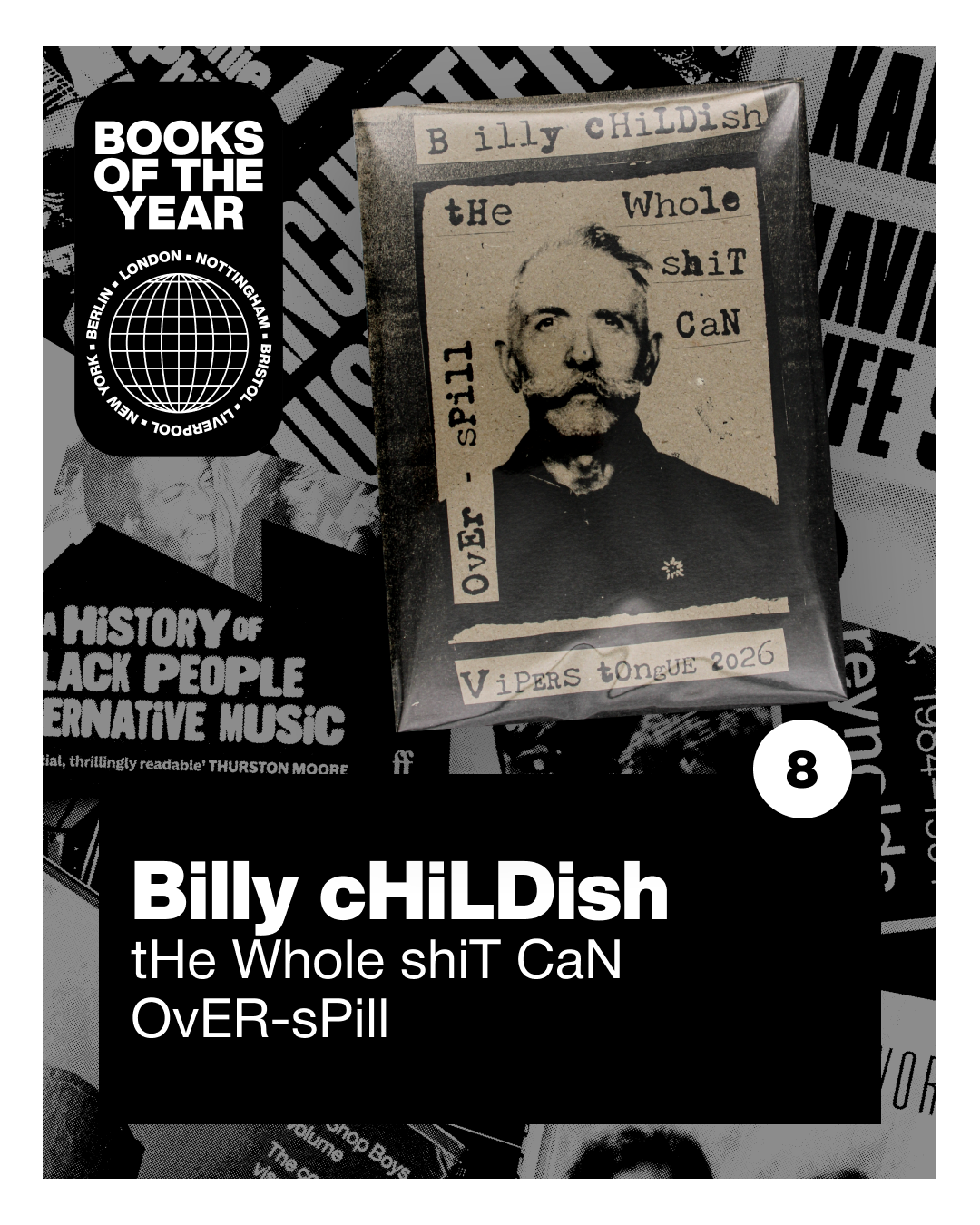
8. The D.I.Y. Poetics of Billy Childish: tHe Whole shiT CaN OvER-sPill
Published by Vipers Tongue Press, this compact, 32-page cut-and-paste pamphlet is a triumph of modern micro-publishing. Featuring brand-new poems and self-portraits hand-designed by Childish himself, complete with his signature gallows symbol, it offers a raw, unfiltered blast of contemporary poetry.
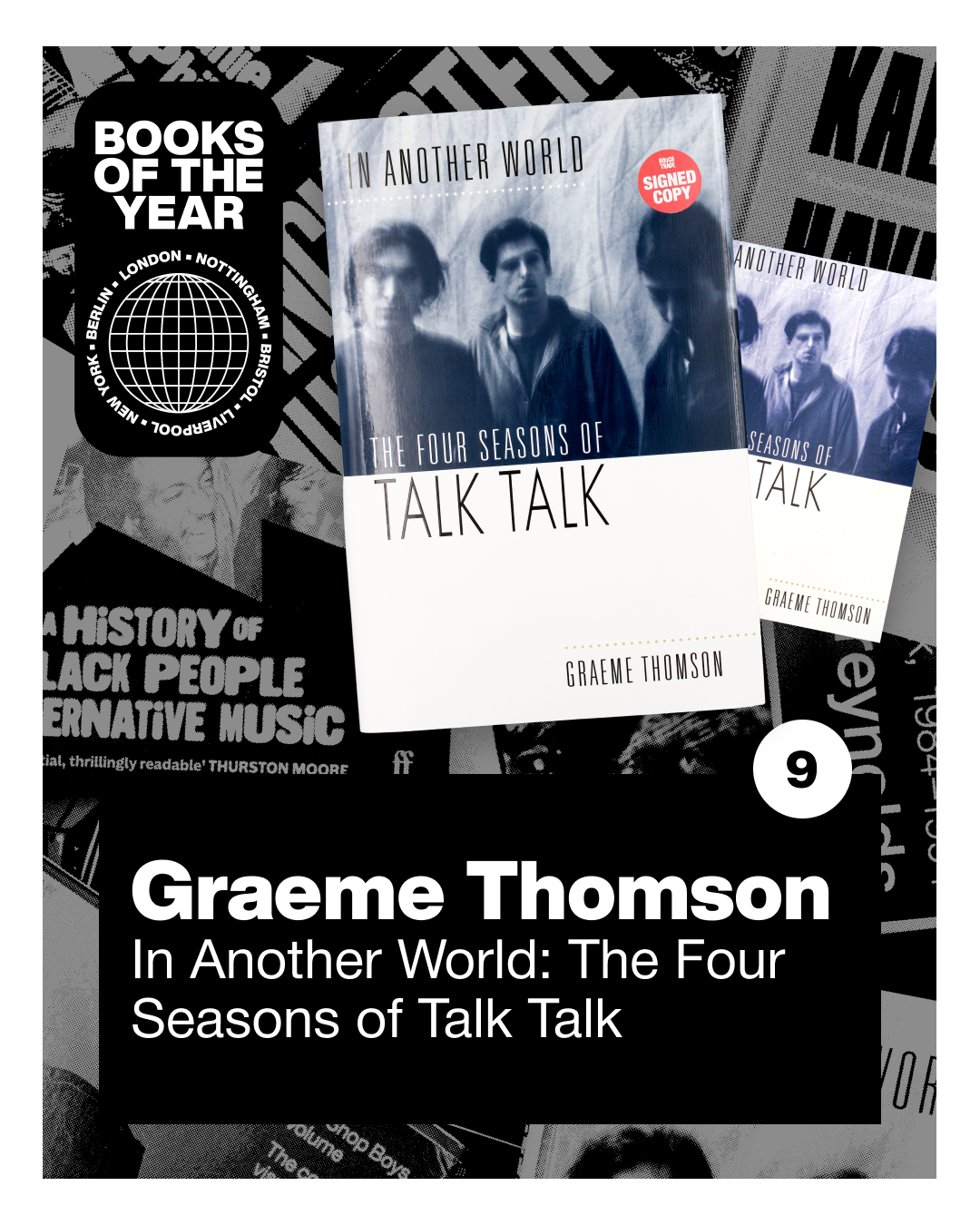
9. The Quiet Mastery of Mark Hollis: Graeme Thomson’s In Another World
Graeme Thomson explores the uncompromising, ascetic brilliance of Talk Talk and frontman Mark Hollis. Charting the miraculous sonic evolution from synth-pop chart-toppers to the fragile, pioneering minimalism of The Colour of Spring, Spirit of Eden, and Laughing Stock, Thomson writes with a reverence that compels readers to immediately seek out a turntable.
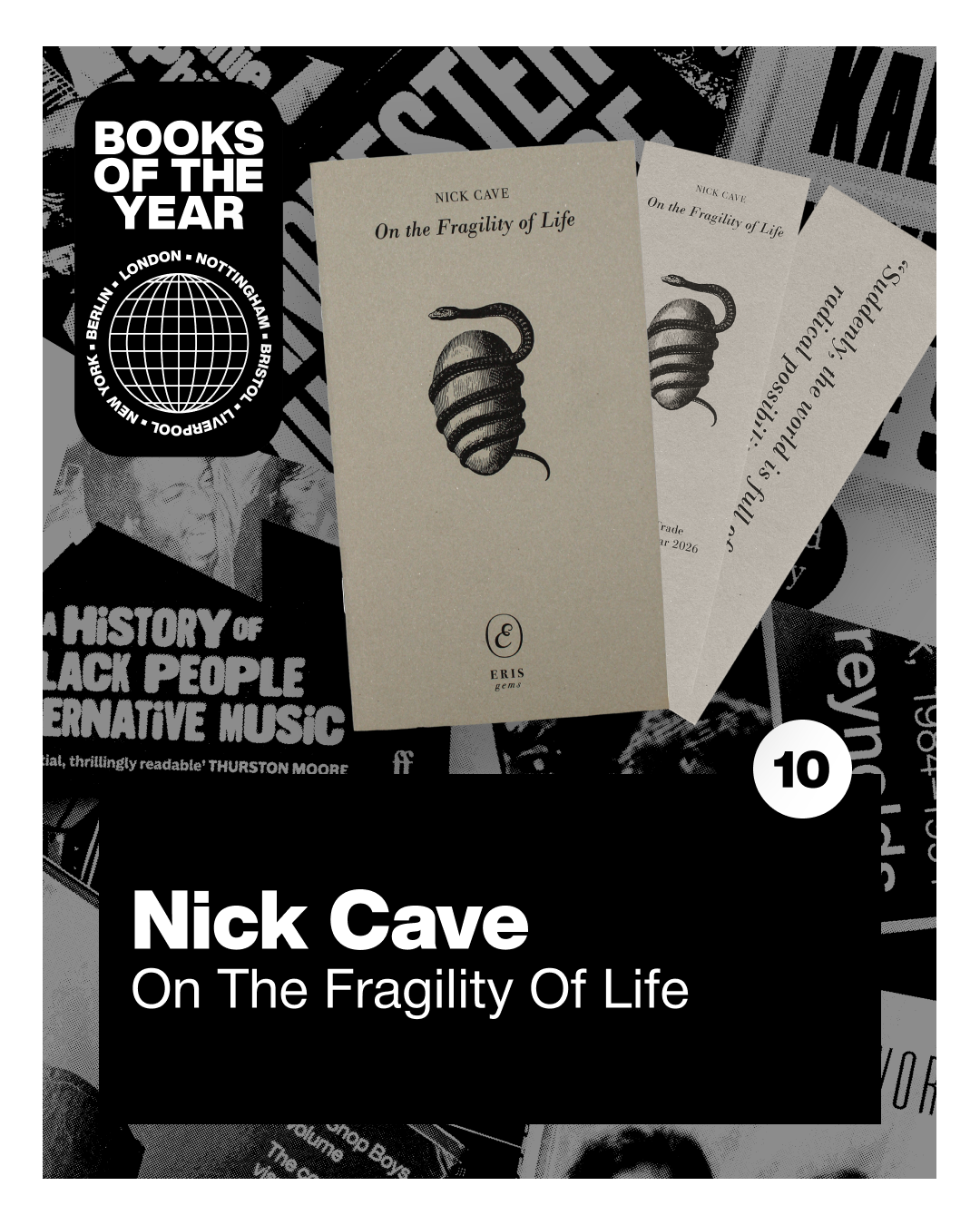
10. The Geography of Vulnerability: Nick Cave’s On The Fragility Of Life
In this profound, meditative text, Nick Cave addresses the architecture of grief, trauma, and human vulnerability. Drawing on his celebrated lyrical output and personal philosophies, Cave constructs an inspiring beacon of hope for fans navigating life’s darkest chapters.
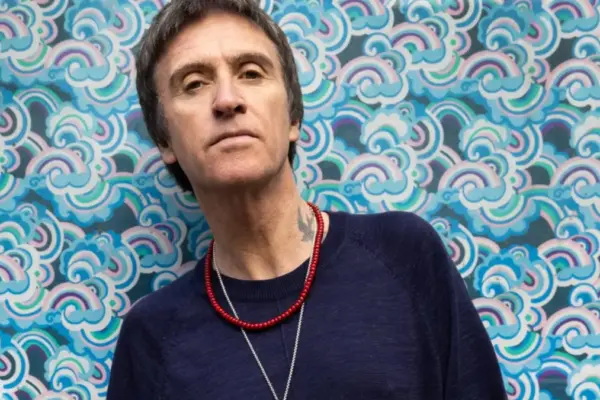
11. The Six-String Architect: Johnny Marr’s Set the Boy Free (Illustrated Edition)
Legendary guitarist Johnny Marr reflects on his foundational years with The Smiths and his subsequent expansive career as one of modern music’s most inventive sonic stylists. Loaded with an extensive visual archive and previously unseen photography, this anniversary edition celebrates a lifelong devotion to the electric guitar.
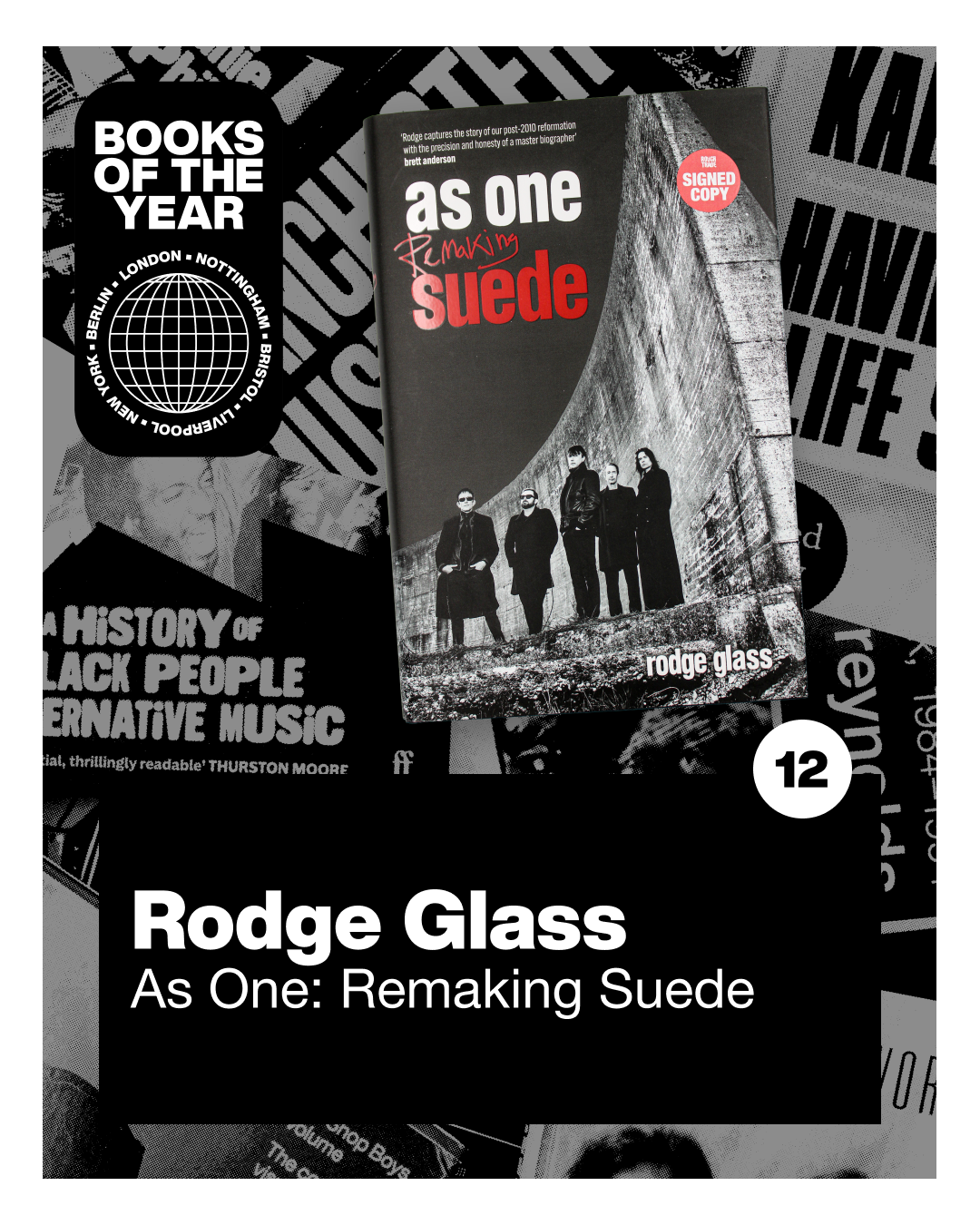
12. The Resurgence of Indie Royalty: Rodge Glass’s As One: Remaking Suede
Acclaimed biographer and lifelong devotee Rodge Glass pulls back the curtain on the turbulent history and celebrated second act of London’s art-pop icons, Suede. Built on intimate interviews and rare access, this book serves as both a history of the band and an essay on what it truly means for an aging group to successfully reclaim their legacy.
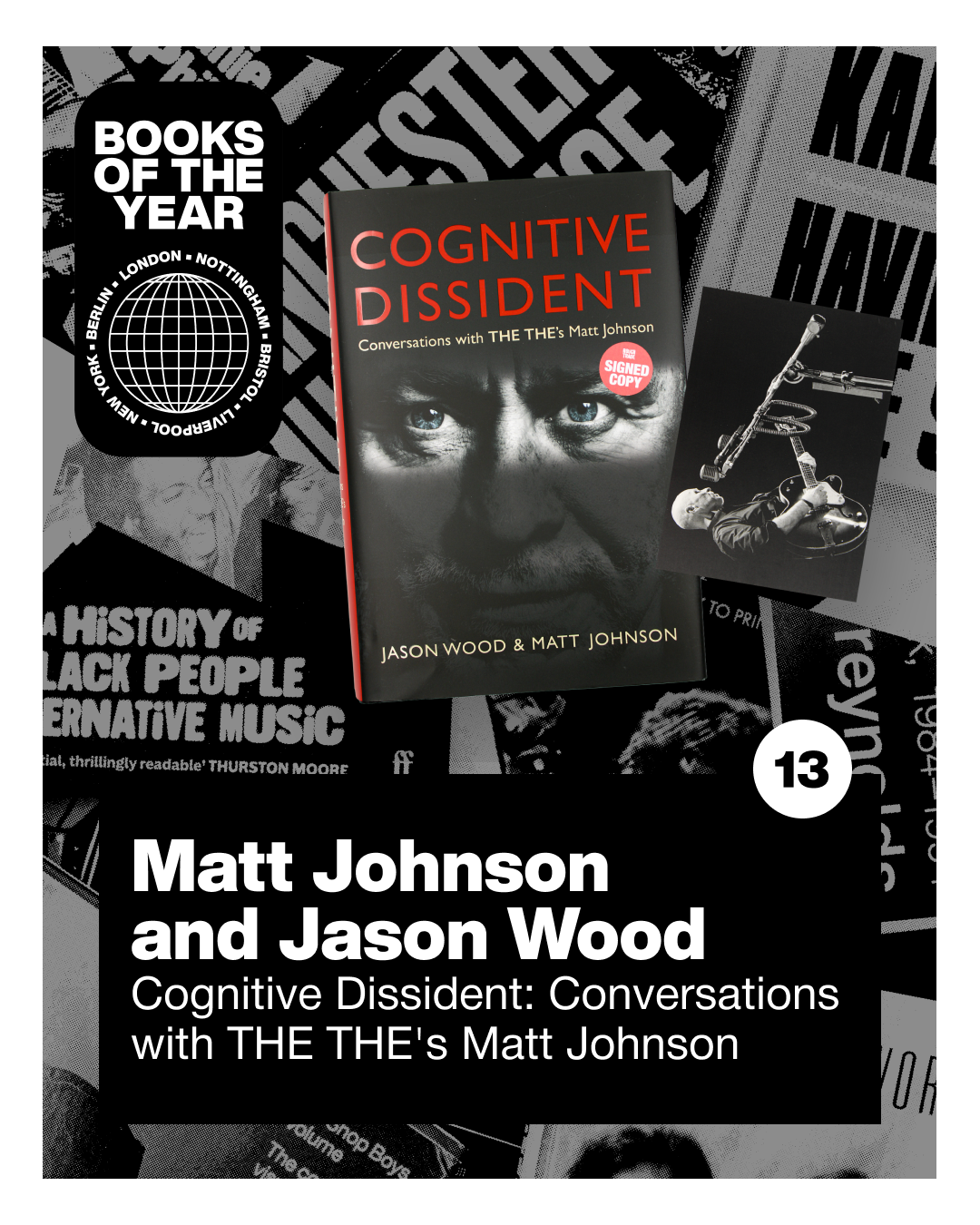
13. Stratford to the World: Matt Johnson & Jason Wood’s Cognitive Dissident
Born from years of deep dialogue between The The’s creative force Matt Johnson and BFI Executive Director Jason Wood, Cognitive Dissident charts Johnson’s journey from a working-class childhood in East London to international acclaim and eventual self-imposed exile. It is an intimate, sprawling conversation touching on geopolitics, gentrification, and loss.
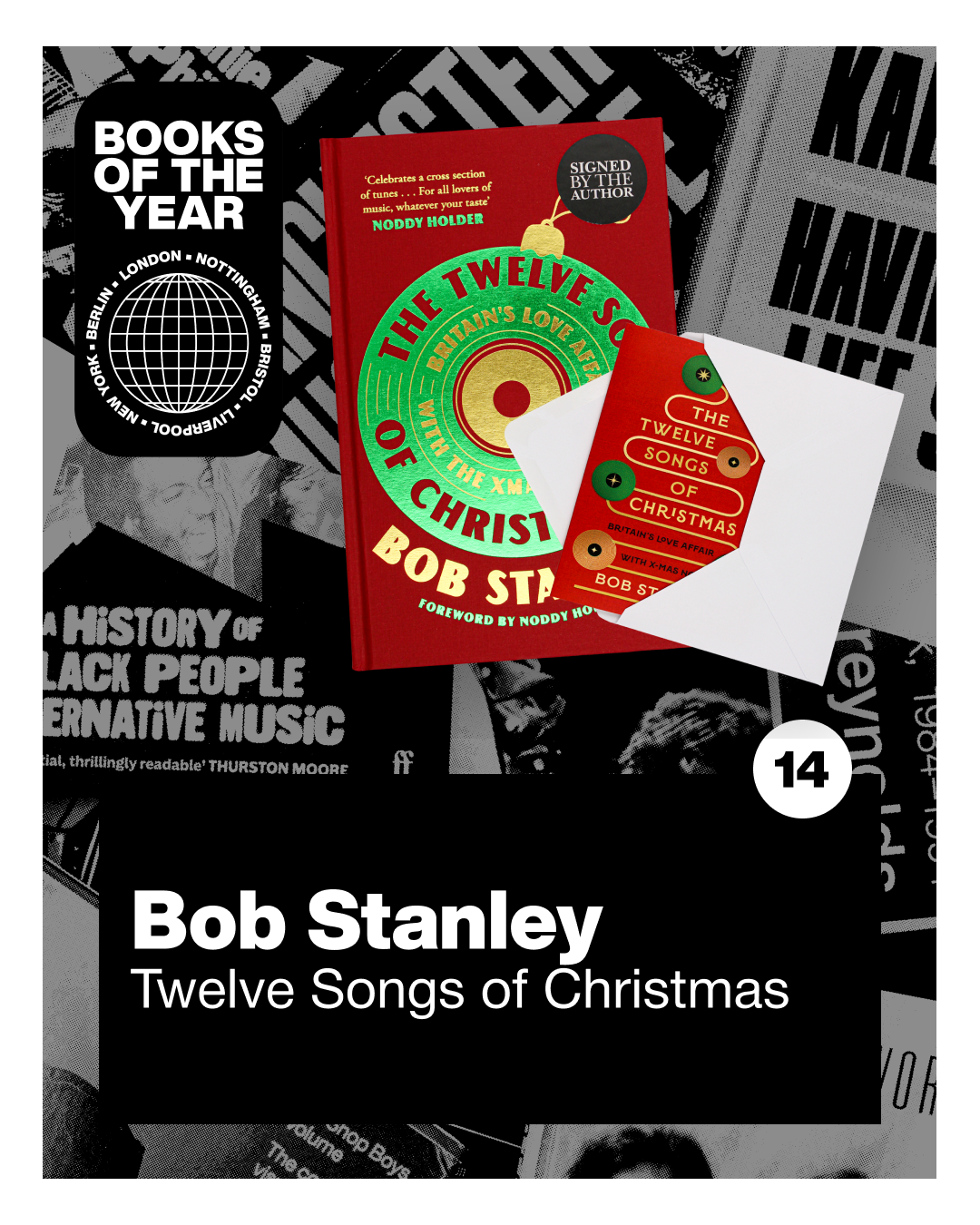
14. The British Obsession: Bob Stanley’s Twelve Songs of Christmas
Saint Etienne’s Bob Stanley unpacks the uniquely British cultural bloodsport of the Christmas Number One single. Tracing twelve era-defining tracks from Gene Autry to Wham!, Stanley uses the festive chart battle as an insightful sociological lens into changing consumer habits and pop nostalgia.
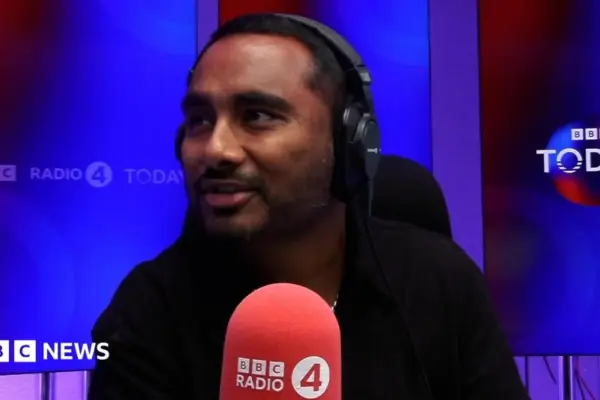
15. The Crate-Digger’s Primer: Owen Cutts’ Have You Ever Heard Old Music?
Producer and internet personality Owen Cutts translates his infectious enthusiasm and larger-than-life humor onto the printed page, curating 52 essential records from the 1950s, ’60s, and ’70s. It is an indispensable, highly accessible guide for younger generations looking to expand their musical horizons.
16. Returning to the Self: Kae Tempest’s Having Spent Life Seeking
In their first novel in a decade, musician, poet, and bestselling writer Kae Tempest tells the story of Rothko Taylor, a protagonist returning to their coastal hometown after fifteen years away. Exploring addiction, family dynamics, forgiveness, and queer identity, Tempest places profound human empathy at the core of the narrative.
17. The Bronx Laboratory: Grandmaster Flash’s Birth of a Culture
Written alongside Robert “Scoop” Jackson, hip-hop pioneer Grandmaster Flash transports readers back to the scorched, creative crucible of 1970s New York. Detailing the technological breakthroughs of DJing alongside the MCs, breakers, and visual artists who built the genre from scratch, this is an essential primary-source document of modern musical history.
18. Steel City Defiance: Daniel Dylan Wray’s Groovy, Laidback and Nasty
Daniel Dylan Wray honors Sheffield’s fiercely independent musical lineage, documenting how isolation and economic decay inadvertently birthed some of Britain’s most forward-thinking sounds. Comprising over 150 interviews with legends like Pulp, Arctic Monkeys, Human League, and Cabaret Voltaire, it is a definitive D.I.Y. masterwork.
19. Correcting the Record: Stephanie Phillips’ We Were Here
Big Joanie co-founder and Decolonise Fest organizer Stephanie Phillips places Black artists and audiences back where they rightfully belong: at the center of alternative music’s history. Tracing a lineage from Sister Rosetta Tharpe and Little Richard to Poly Styrene and Bad Brains, Phillips surgically deconstructs the industry’s white-washed historical narratives.
20. Moving on Up: Mike Pickering with Paul Morley’s Manchester Must Dance
Wrapping up the year’s finest releases is Mike Pickering’s kaleidoscopic account of Manchester’s cultural hegemony. Written with Paul Morley, the book threads through the Haçienda, Factory Records, and M People, tracking six decades of music, football, political unrest, and hedonistic dancefloors.
Supporting Context & Metrics
The robust health of the 2026 music book market reflects a broader demographic shift in publishing and consumer behavior. According to independent retail data, physical music book sales have surged by over 14% year-over-year, largely driven by older demographics seeking nostalgia and younger, Gen-Z vinyl collectors eager to understand the historical context of the physical records they are purchasing.
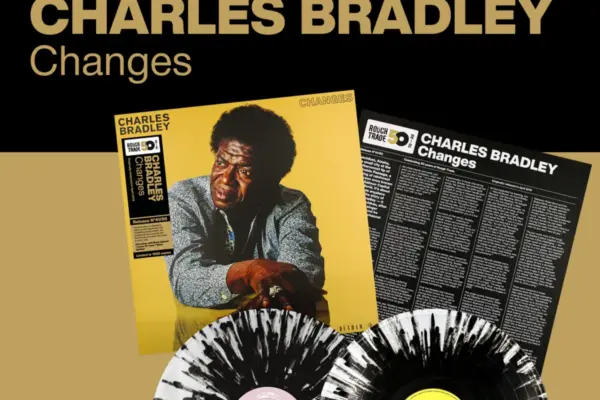
Furthermore, the integration of physical value-adds—such as custom zines, signed bookplates, bespoke bookmarks, and limited-run polaroid prints—has transformed standard paperbacks into highly sought-after collector’s items. Publishers partnering with independent hubs like Rough Trade have discovered that physical book buyers mirror vinyl buyers: they value tactility, scarcity, and a sense of direct connection to the artist.
Official Statements
Reflecting on the cultural importance of this year’s publishing output, industry critics and participating artists have underscored the necessity of preserving underground narratives.
Speaking on the curation of the 2026 selections, a Rough Trade editorial spokesperson noted:
"The music we love holds stories that deserve to be lifted onto the page. Whether it’s unearthing the overlooked contributions of Black pioneers in alternative music or tracing the nocturnal electricity of Manchester and Sheffield dancefloors, these books prove that our relationship with recorded sound is deeper, richer, and more enduring than ever before."
Garbage frontwoman Shirley Manson, commenting on Melissa Auf der Maur’s contribution, summarized the ethos of the entire literary class:
"Our ’90s fever dreams were beautiful, but they were also brutal, and only the good girls, like Melissa, have the guts to tell you that."
Future Outlook
As the music industry continues to navigate the volatile, algorithmic waters of streaming and digital consumption, the appetite for physical artifacts—vinyl, cassettes, and now, beautifully crafted books—will only intensify.
Looking ahead to late 2026 and beyond, publishing houses are already expanding their slates, investing heavily in multi-media hybrid projects, oral histories of regional club ecosystems, and translated memoirs from non-Western sonic innovators. The trend is clear: as digital audio becomes increasingly weightless and disposable, music fans are anchoring their fandom in the heavy, tangible reality of the printed word. The book shelf is fast becoming the new record rack.