Executive Overview
The British government has issued an unequivocal warning to the leadership of the United Kingdom’s entertainment, broadcasting, film, and publishing sectors: clean up internal safeguarding mechanisms voluntarily, or face stringent, mandatory regulatory enforcement.
Culture Secretary Lisa Nandy is scheduled to convene an emergency round-table meeting with prominent industry executives to draw a definitive line in the sand following a cascade of high-profile sexual misconduct scandals. Central to the government’s ultimatum is the Creative Industries Independent Standards Authority (CIISA). Currently, participation in CIISA—an independent body designed to handle grievances, enforce professional standards, and protect whistleblowers—remains entirely voluntary. However, sources close to Newsnight indicate that if industry leaders fail to demonstrate a robust, unified commitment to reform, the Department for Culture, Media and Sport (DCMS) stands prepared to strip away voluntary status and legally mandate adherence to the authority’s oversight frameworks.
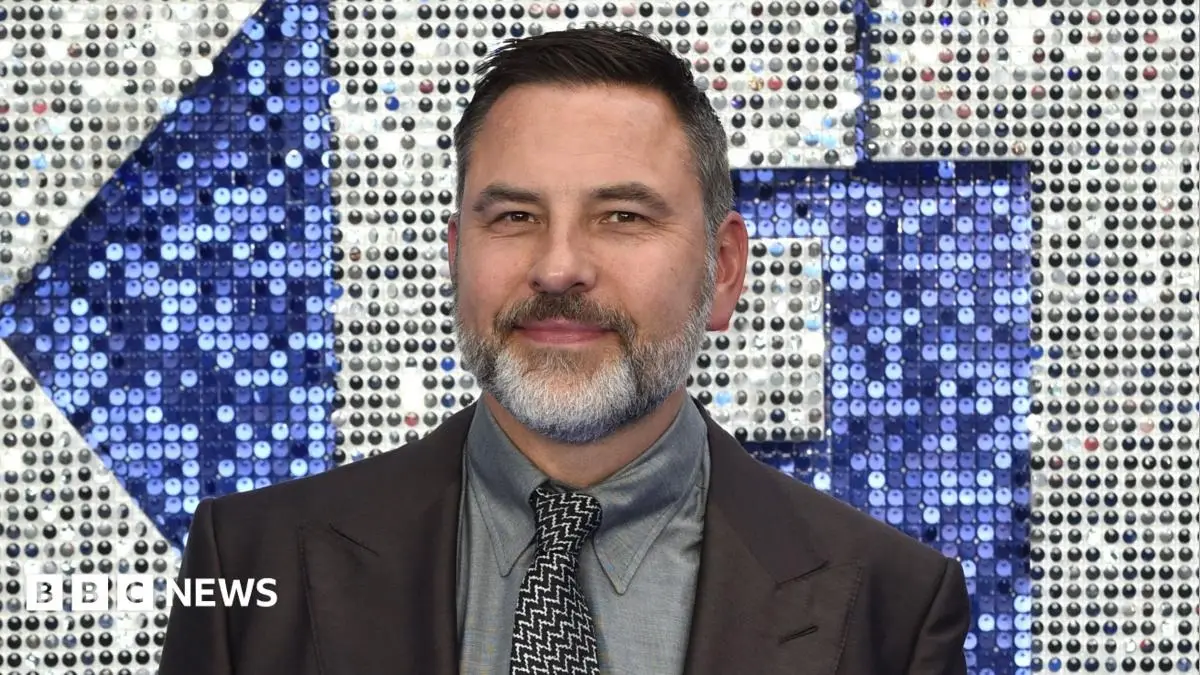
This decisive government posture comes in the wake of a deeply damaging three-year journalistic investigation by The Guardian and ITV News, which revealed multiple allegations of sexual misconduct and abuse of power leveled against prominent entertainer David Walliams, who vehemently denies all wrongdoing. Compounding these revelations are the recent, highly publicized legal convictions and sentencing of disgraced comedian and actor Russell Brand on multiple charges of rape and sexual assault.
Simultaneously, the government is setting its sights on systemic legal tools utilized to suppress accountability. Ministers, including Women and Equalities Minister Bridget Phillipson, have signaled an aggressive legislative push to curb the deployment of non-disclosure agreements (NDAs). Pointing to a systemic weaponization of confidentiality clauses, the administration aims to dismantle frameworks that allow wealthy and influential perpetrators to legally muzzle victims and shield structural malpractice from public scrutiny.
Detailed Chronology of Events
The convergence of investigative journalism, legal reckonings, and parliamentary pressure has rapidly compressed a timeline that critics argue has historically enabled predatory behavior within the creative arts.
The Catalyst: Investigative Breakthroughs and Legal Defeats
The immediate catalyst for the government’s intervention stems from a coordinated, multi-year investigative project helmed by The Guardian and ITV News. The reporting scrutinized the conduct of David Walliams, a ubiquitous fixture of British television, comedy, and children’s literature. Several women came forward with detailed allegations of sexual misconduct and the abuse of professional positioning.
The publication of these explosive claims was significantly delayed by aggressive legal maneuvers. Walliams launched a robust legal bid to secure injunctions and prevent the allegations from entering the public domain. However, following the dissolution of his legal challenges, the joint investigation was cleared for release, instantly triggering nationwide outrage and placing immense pressure on broadcasting networks, literary publishers, and talent agencies that had long maintained professional relationships with the entertainer.
The Russell Brand Verdict
The cultural shockwaves of the Walliams disclosures arrived hard on the heels of another watershed moment for the British entertainment ecosystem: the criminal trial and subsequent sentencing of Russell Brand. Brand, once a dominant force across British and international media, faced severe criminal charges prosecuted through the judicial system. His conviction and subsequent imprisonment for rape and sexual assault shattered any lingering illusions that the upper echelons of the entertainment industry operated outside the rule of law.
The dual impact of the Brand sentencing and the Walliams allegations created an untenable political and social environment. Public trust in the self-regulatory capabilities of production companies, broadcasters, and talent agencies reached an all-time low, prompting urgent demands for systemic structural reform.
The Government Steps In: Lisa Nandy’s Ultimatum
Recognizing the depth of the crisis, Culture Secretary Lisa Nandy broke weeks of political silence by announcing that the government would no longer tolerate hollow corporate apologies or opaque internal reviews. Earlier this week, Nandy confirmed that she was summoning chief executives and senior decision-makers from across the broadcasting, publishing, film, and entertainment sectors to a high-stakes summit.
According to senior sources speaking to BBC Newsnight, Nandy’s address to industry leaders will be underpinned by a clear two-part message:
- The Primary Opportunity: Industry leaders must rise to the occasion, take unvarnished institutional responsibility, and independently overhaul their safeguarding, reporting, and disciplinary procedures.
- The Backstop Threat: If the collective response from industry executives is deemed insufficient, evasive, or lacking in enforceable teeth, the government will bypass voluntary cooperation entirely and introduce primary legislation to compel compliance.
Supporting Context & Metrics: The Crisis of Accountability
To fully understand the gravity of the government’s ultimatum, one must examine the institutional vulnerabilities that have historically allowed misconduct to flourish unchecked within the creative sector.
The Anatomy of Creative Industry Vulnerabilities
The entertainment industry possesses structural characteristics that make it uniquely susceptible to exploitation and hostile work environments. Unlike traditional corporate environments governed by standardized human resources departments and rigid hierarchical structures, the creative sector is predominantly project-based, freelance-driven, and intensely network-reliant.
Key risk factors include:
- The Power Imbalance: A stark disparity exists between high-profile talent, executive producers, commissioners, and entry-level workers, runners, or aspiring actors. Career progression frequently depends on the goodwill of a small circle of powerful gatekeepers.
- The "Precarity" Trap: Because the vast majority of creative workers operate on short-term freelance contracts without job security, the perceived cost of raising a grievance—retaliation, blacklisting, and professional ostracization—is exceptionally high.
- The Cult of Personality: Productions routinely romanticize eccentric behavior under the guise of "artistic genius," creating a cultural blind spot where boundary violations, microaggressions, and severe misconduct are normalized or excused.
The Role and Limitations of CIISA
Established in response to mounting pressures from industry advocacy groups and previous misconduct scandals, the Creative Industries Independent Standards Authority (CIISA) was envisioned as an independent regulatory body capable of investigating complaints, setting behavioral standards, and supporting victims across film, television, theatre, and music.
However, CIISA’s foundational weakness has always been its voluntary nature. Production houses, independent studios, and media conglomerates are under no legal obligation to submit to its jurisdiction, fund its operations, or abide by its findings. Consequently, major players can opt out of accountability mechanisms entirely, creating a patchwork system of protection where safeguarding standards vary wildly depending on the employer.
By threatening to force participation in CIISA, the government aims to transform the body into a universal, legally backed standard-bearer for the entire creative economy, ensuring that no production company or broadcasting network can shield itself behind corporate self-governance.
The Weaponization of Non-Disclosure Agreements (NDAs)
At the heart of systemic institutional cover-ups lies the pervasive use of non-disclosure agreements (NDAs) and confidentiality clauses in settlement settlements. For decades, production companies and powerful individuals have utilized financial settlements tied to airtight NDAs to quietly resolve allegations of harassment, bullying, and sexual assault out of court.
While confidentiality agreements serve legitimate commercial purposes in protecting intellectual property and trade secrets, their application in employment disputes involving criminal behavior or gross misconduct has long been condemned by legal experts, human rights campaigners, and victims’ advocates. These agreements effectively function as private gag orders, legally preventing survivors from sharing their experiences, warning other prospective employees, or cooperating with regulatory and law enforcement bodies. The result is a cycle of impunity where serial perpetrators can move seamlessly from one project to another with their public reputations entirely intact.
Official Statements and Parliamentary Momentum
The push for reform is not isolated to the Culture Secretary’s office; it represents a coordinated cross-departmental governmental strategy aimed at dismantling the legal and structural barriers that protect abusers.
Bridget Phillipson on the Abuse of the Legal System
Speaking in a rigorous interview with Sky News, Women and Equalities Minister Bridget Phillipson articulated the government’s uncompromising stance on the reform of employment law and settlement practices. Phillipson stated unequivocally that there is substantial "scope to go further" with legislative restrictions targeting the misuse of NDAs.
"We cannot have a system where rich and powerful individuals—rich and powerful men—are able to silence women and stop things coming to light," Phillipson declared during her broadcast appearance.
The minister emphasized that the current legal framework is frequently manipulated by well-resourced defendants who utilize prohibitive legal fees and complex confidentiality clauses to exhaust accusers and suppress the truth. The government’s forthcoming legislative agenda aims to rebalance the scales of justice, ensuring that employment law cannot be perverted into a mechanism for corporate or individual image protection at the expense of public safety.
Industry Reactions and Behind-the-Scenes Panic
As invitations to next week’s round-table meeting have landed in the inboxes of network chiefs, publishing executives, and film studio heads, the reaction across the sector has been characterized by a mixture of anxiety and defensive mobilization.
Representative bodies and trade associations have scrambled to issue preemptive statements affirming their commitment to zero-tolerance policies and safe working environments. However, behind closed doors, industry insiders have expressed deep concern over the prospect of mandatory state regulation. Many executives fear that government intervention could introduce rigid, bureaucratic compliance burdens that stifle creative risk-taking and increase operational costs across an already financially strained sector.
Conversely, grassroots advocacy groups and trade unions—such as Equity and the Writers’ Guild of Great Britain—have enthusiastically welcomed the government’s aggressive stance. For years, these organizations have lobbied for compulsory independent oversight and legislative bans on the use of NDAs in cases involving harassment and assault. They argue that the industry has squandered multiple opportunities to self-correct and that external statutory enforcement is now the only viable path to genuine cultural transformation.
Future Outlook: What Next for British Entertainment?
As the countdown to next week’s high-profile summit continues, the British entertainment industry stands at a historic crossroads. The decisions made in the coming weeks will determine whether the sector can successfully rebuild its moral authority or whether it will be subjected to sweeping, externally imposed regulatory frameworks.
Anticipated Outcomes of the Round-Table Summit
- Adoption Timelines: Culture Secretary Lisa Nandy is expected to present industry leaders with a strict, time-bound framework for voluntary compliance. Production houses and broadcasters will likely be given a matter of months to formally integrate into the CIISA framework and audit their internal human resources protocols.
- Legislative Drafting: Concurrently, parliamentary draftspeople within the DCMS and the Government Equalities Office are accelerating preparatory work on statutory measures designed to restrict or outright ban the use of NDAs in employment contracts where allegations of harassment, discrimination, or criminal conduct are raised.
- Enforcement Mechanisms: If the industry’s response at next week’s meeting is perceived as defensive, evasive, or lacking in substantive commitments, the government is poised to embed mandatory CIISA participation into upcoming media and broadcasting legislation.
The Broader Cultural Reckoning
Beyond the immediate political maneuvers and legal threats, the ongoing crisis highlights a profound philosophical shift in how British society views the intersection of art, power, and accountability. For generations, the creative industries operated under an unwritten code of exceptionalism—a belief that exceptional artistic output could excuse or outweigh ethical transgressions and abusive behavior.
The combination of fearless investigative journalism, rigorous criminal prosecutions, and decisive political intervention has shattered that paradigm. The message from Whitehall is clear: the era of self-policing, secret settlements, and institutional turning-a-blind-eye is over. Whether through voluntary awakening or legislative force, the UK entertainment industry is being dragged into an era of radical transparency, where the safety and dignity of every worker are prioritized above the reputations of the powerful.