Executive Overview
The trajectory of alternative rock in the early 1990s is frequently charted through its commercial titans—bands that filled arenas, dominated airwaves, and defined the Britpop cultural landscape. Yet, the true texture of the era lies in the margins: among the cult heroes, critical darlings, and combustible indie groups whose flames burned incandescently before collapsing under the weight of expectations, industry indifference, and bad timing. Few bands epitomize this tragicomic narrative quite like Adorable.
Formed in Coventry in 1990 and anchored by the sharp-witted, charismatic frontman Pete “Fij” Fijalkowski, Adorable arrived with a mixture of blistering art-rock ambition and unyielding self-belief. Signed to Alan McGee’s legendary Creation Records, they were instantly anointed by the NME as "the cockiest new band in pop." But beneath the swagger lay a complex cultural friction. Caught between the burgeoning shoegaze movement, the lingering clouds of baggy, and the hyper-nationalistic pride of early Britpop, Adorable struggled to find a secure home in the British music press.
Despite releasing Against Perfection (1993)—a debut album now rightfully regarded as a lost classic of indie-rock history—the band’s ascent was cut short. Plagued by shifting internal alliances at Creation Records, a cooling critical reception, and a rapidly changing musical landscape, Adorable imploded in 1994, just as they were set to take the stage in Colchester. For Pete Fij, the bitter end cast a long, suffocating shadow over the pride of their early achievements.
What followed was a decades-long odyssey through independent music ventures, heartbreaking near-misses, and a profound pivot into unexpected artistic and personal territory. From fronting the cult indie outfit Polak alongside his brother Kryzs, to collaborating with guitar luminary Terry Bickers of The House of Love, Fij’s musical journey has been defined by resilience. Most unexpectedly, a stint working in care homes and training as an end-of-life celebrant fundamentally shifted Fij’s worldview, injecting his art with a newfound sense of gratitude and urgency.
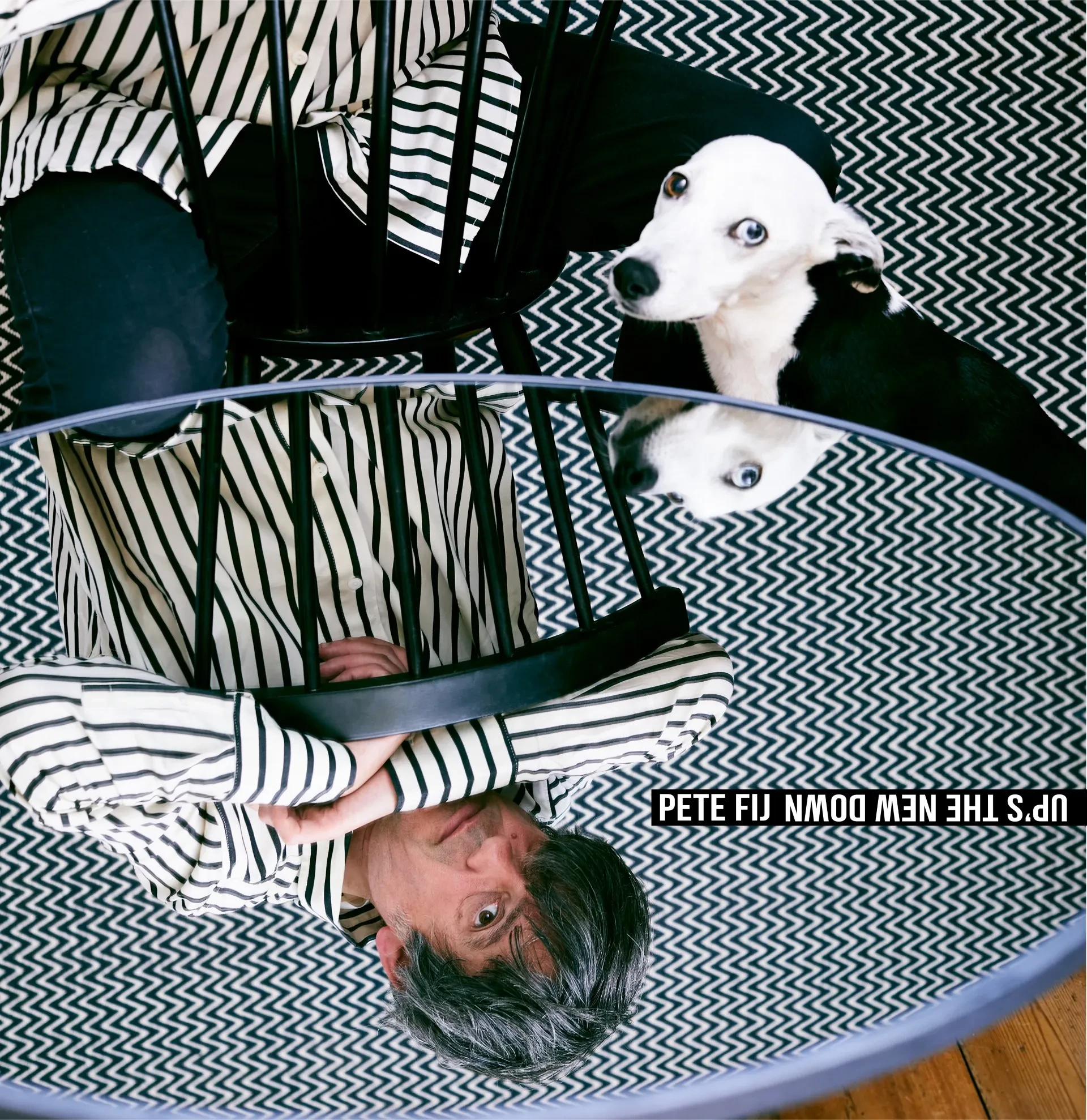
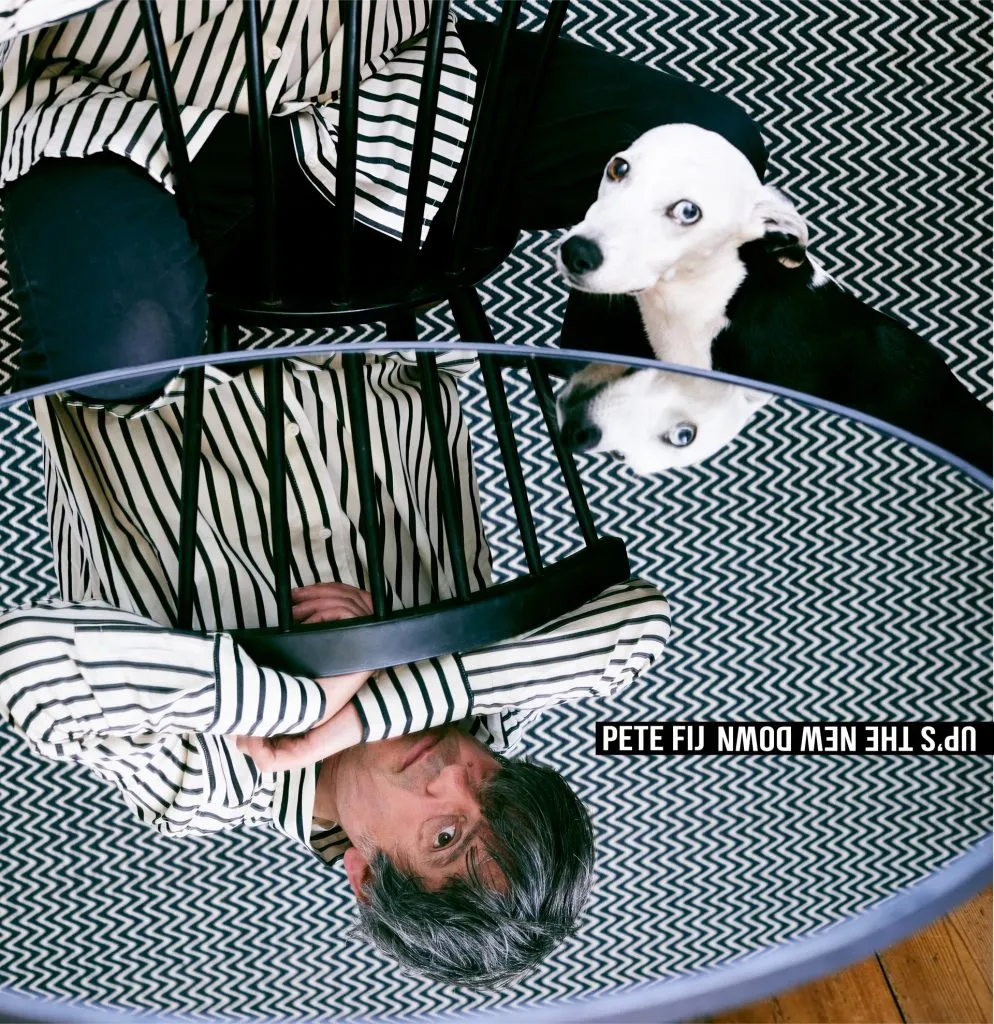
Now, decades after Adorable’s unceremonious dismissal, Fij is stepping back into the spotlight with a celebrated, triumphant reunion under his former band’s banner and a brand-new solo album, Up’s The New Down, released via Tip Top Recordings. Hailed by The Independent as "the finest lyricist since Jarvis Cocker last put pen to paper," Fij is finally rewriting the final chapters of his musical legacy—not out of nostalgic desperation, but from a place of hard-won peace and creative renewal.
Detailed Chronology
1. The Genesis of Adorable: Coventry, 1990
The story of Adorable begins in the industrial heartlands of Coventry in 1990. Led by Pete Fijalkowski—a frontman whose intellect, sharp lyricism, and unapologetic art-school affectations set him apart from his contemporaries—the band quickly developed a potent sonic identity. Drawing heavy inspiration from the atmospheric, brooding art-rock of Echo & The Bunnymen, The Psychedelic Furs, The Sound, and The House of Love, Adorable rejected the loose, dance-oriented rhythms of the Madchester scene and the formless haze of shoegaze. Instead, they forged a sound built on shimmering, razor-sharp guitar lines and incisive, literate lyricism.
After a few tentative false starts, the band caught the attention of Alan McGee, the visionary founder of Creation Records. McGee was renowned for his infallible ear and chaotic management style, signing acts that defined the underground counterculture. Adorable felt like a natural fit for the label’s eclectic roster, which already boasted the likes of My Bloody Valentine, Primal Scream, and Ride.
2. The Creation Records Era and the Press Backlash
Upon signing to Creation, Adorable’s early momentum was explosive. Their debut single for the label was crowned Single Of The Week by the NME, propelling the track straight to the top of the UK indie charts. However, this early triumph proved to be a double-edged sword. As the band stepped up to do press interviews, their brand of supreme confidence—which Fij later described simply as a deep-seated love for musical attitude—clashed violently with the changing sensibilities of the British music press.
"I was really into attitude," Fij reflects on the band’s notoriously confident presentation. "But there was this inverse snobbery going around. We loved how Manic Street Preachers dealt with the press, but they were working-class, and we were clearly not."
This socio-cultural disconnect alienated a music press eager to champion authentic, salt-of-the-earth working-class narratives. As the cultural pendulum swung toward the populist anthems of Britpop, Adorable found themselves awkwardly positioned. They were too song-based to be embraced by the shoegaze cognoscenti, too intellectual for the baggy crowd, and too middle-class for the emerging lad-culture zeitgeist.
Compounding these external pressures were internal fractures at Creation. "We were very much McGee’s signing," Fij recalls. "The rest of the label thought he was mad to sign us." Partway through recording their debut album, McGee retreated into a reclusive spell, managing the label remotely. Deprived of their primary champion within the corporate structure, Adorable found themselves isolated.
3. Against Perfection, Fake, and the Collapse
In 1993, Adorable released their debut album, Against Perfection. Today, the record is celebrated by critics and fans alike as an indie-rock masterwork, capturing the tension between soaring melodic beauty and lyrical cynicism. It mirrored their early success by topping the UK indie charts. Yet, the wider critical response at the time was inexplicably muted.
The pressure mounted with the release of their 1994 sophomore follow-up, Fake. Failing to capture the public imagination or reverse their declining commercial fortunes, the band was trapped in a downward spiral of empty venues and indifferent label support. The final blow was delivered in the most unceremonious fashion possible: while parked outside a venue in Colchester, preparing to promote Fake, the band members were informed over the phone that Creation had dropped them.
Labelmate Noel Gallagher later lamented the decision, telling McGee that dropping Adorable was one of the biggest mistakes in Creation’s history. But for Fij, the damage was done. "For the longest time my memory of Adorable was the shitty end of it," he admits. "It was like the last six bad months of a relationship blotting out all the good years before it." With no audience left to play to and an indifferent industry turning its back, the band dissolved.
4. Polak, the Solo Wilderness, and Terry Bickers
Undeterred by the collapse of Adorable, Fij immediately dusted himself off. Alongside his brother Kryzs, he formed Polak, signing to the respected independent label One Little Independent (formerly One Little Indian). Polak released two critically acclaimed albums—Swansongs (2000) and Rubbernecking (2002)—that showcased Fij’s maturing songwriting. However, much like Adorable, they struggled to secure a commercial footprint large enough to ensure long-term viability.
When a prospective third-album deal arrived just as the band members were entering the mortgage-and-family phase of their lives, Polak folded. Rather than continuing alone, Fij turned the deal down, sliding into what he candidly describes as a "musical breakdown." He recorded a stark, isolated solo record heavily inspired by Johnny Cash’s haunting American Recordings, only to shelve the project out of a crippling fear of rejection.
Salvation arrived in 2008 when the Brighton Fringe offered Fij a live performance slot. Seizing the opportunity, he reached out to guitar legend Terry Bickers of The House of Love and Levitation. Though an attempt to recruit Bickers for Polak had previously fallen through, this time the collaboration clicked. The partnership resulted in two breathtaking albums of melodic melancholy: Broken Heart Surgery (2014) and We Are Millionaires (2017). Despite earning rapturous reviews from critics, the records remained well-kept underground secrets.
5. Care Homes and the End-of-Life Calling
To sustain a creative life outside the commercial mainstream, musicians must find alternative revenue streams. For Fij, this necessity led him down an unexpectedly profound path. Working part-time as an activities coordinator in a local care home, Fij spent years surrounded by elderly residents navigating the twilight of their lives. Attending numerous funerals as a result of these deep connections ultimately inspired him to train as an end-of-life celebrant.
This vocation transformed his perspective on storytelling, performance, and mortality:
"Storytelling had started coming out in the music I was making with Terry, both in the songs and in between them onstage—I actually started talking to audiences, which was something I’d never done in Adorable."
Listening to individuals face their final days—some entirely at peace, others burdened by the weight of unfulfilled dreams—left an indelible mark. "You’ve only got a certain amount of time on this earth," Fij reflects, sharing the core philosophy gleaned from his celebrant work. "And you need to leave with as few regrets as possible. Time is ticking."
6. The Adorable Reunion and Up’s The New Down
Armed with this renewed sense of urgency, Fij began writing new music. Before the songs materialized, however, fate intervened to offer a miraculous final chapter to the Adorable story. In 2019, the band decided to reform for a limited run of live dates.
The response exceeded their wildest expectations. The shows sold out within minutes, filling venues significantly larger than any they had played during their initial run. Fans flew in from across the globe, including Australia, to witness the long-awaited resurrection.
"It rewrote the ending," Fij marvels. "It felt like getting the director’s cut. When I play those songs now, I own them again."
The catharsis of the reunion cleared away decades of lingering bitterness, paving the way for Pete Fij’s latest artistic milestone: his debut solo album, Up’s The New Down, released via Tip Top Recordings.
Supporting Context & Metrics
| Era / Project | Key Releases | Record Label | Critical Reception / Legacy |
|---|---|---|---|
| Adorable (1990–1994) | Against Perfection (1993) Fake (1994) |
Creation Records | Topped UK indie charts; debut single crowned NME Single of the Week; initially derailed by media friction; now recognized as a lost indie-rock classic. |
| Polak (late 1990s–2002) | Swansongs (2000) Rubbernecking (2002) |
One Little Independent | Critically respected indie releases; folded due to changing life stages and commercial limitations. |
| Pete Fij & Terry Bickers (2014–2017) | Broken Heart Surgery (2014) We Are Millionaires (2017) |
Independent | Acclaimed melodic melancholy; deep artistic partnership bridging two legendary underground lineages. |
| Solo Work (Present) | Up’s The New Down (2026) | Tip Top Recordings | A vibrant, outward-looking celebration of life, love, and electric guitars; praised for shedding past cynicism. |
Official Statements & Industry Perspectives
The journey of Pete Fij offers a fascinating lens through which to examine the mechanics of the British music industry, class perception in rock music, and the psychological toll of unrealized commercial expectations.
-
On Indie Credibility and Class Politics:
Reflecting on Adorable’s fraught relationship with the music press, Fij highlights the invisible boundaries of class that governed early-90s indie culture:"We loved how Manic Street Preachers dealt with the press, but they were working-class, and we were clearly not."

-
On the Pain of the Past:
Addressing the bitter end of Adorable’s first incarnation, Fij speaks candidly about how the final months overshadowed years of hard work:"For the longest time my memory of Adorable was the shitty end of it. It was like the last six bad months of a relationship blotting out all the good years before it."
-
On Mortality and Perspective:
Drawing from his experiences as an end-of-life celebrant, Fij distills his philosophy on creative and personal fulfillment:"You’ve only got a certain amount of time on this earth. And you need to leave with as few regrets as possible. Time is ticking."
-
On Reclaiming History:
Describing the emotional release of the 2019 reunion shows:"It rewrote the ending. It felt like getting the director’s cut. When I play those songs now, I own them again."
-
On the Sound of Up’s The New Down:
Detailing the shift from introspective melancholy to outward-looking positivity:"There’s a lot more positivity in my life now. I haven’t consciously written about it; the songs just came… I’m not saying I’ve got my finger on the pulse exactly, but I’d like to think some newer bands have influenced me—just the sheer vitality and energy of them."
Future Outlook
As Up’s The New Down hits record stores and Pete Fij prepares to embark on an extensive UK tour throughout the autumn, the narrative surrounding his career has fundamentally shifted. No longer defined solely by the unfulfilled promise of a 90s indie band cut down in its prime, Fij stands as an artist who has successfully navigated the wilderness, confronted his creative fears, and emerged with a vibrant, celebratory body of work.
While heritage artists often struggle to capture the attention of younger demographics, Fij remains remarkably optimistic about crossing generational lines. He recounts with amusement how one of his stepson’s friends turned out to be an obsessive Adorable fan—having discovered the band entirely through streaming algorithms, with three Adorable tracks occupying his Spotify year-end top list—without initially realizing Fij’s connection to the group.
This bridging of past and present is precisely what Up’s The New Down aims to achieve. It is an album that rejects bitterness in favor of a renewed love for electric guitars, rhythmic synths, and the undeniable vitality of modern music culture.
For Pete Fij, the road has been long, winding, and occasionally unforgiving. But as he steps onto stages this autumn, armed with both his classic catalog and a brilliant new collection of songs, the message is clear: the history has been rewritten, the regrets have been laid to rest, and the music is finally free.